

Discover How Carbide Burs Can Revolutionize Your Hobby Projects
Carbide burs might just be the secret weapon you need to elevate your hobby projects to a professional level. These versatile tools, made from robust tungsten carbide, are essential for anyone involved in metalworking, woodworking, or detailed DIY projects. With their ability to grind, shape, and remove material with precision, carbide burs offer a wide range of applications, from intricate carvings to smooth finishes. As we delve into the various uses of carbide burs, you’ll discover how these rotary tools can transform your toolkit, making them indispensable for both delicate and heavy-duty tasks. Whether you’re a seasoned craftsman or a passionate hobbyist, understanding carbide bur applications will empower you to achieve remarkable results.
Understanding Carbide Burs
Carbide burs are a versatile tool essential for anyone involved in detailed crafting or industrial applications. These tools are made from tungsten carbide, making them indispensable in various fields. Here, we’ll explore what carbide burs are, their key uses, and the benefits they offer.
What Are Carbide Burs?
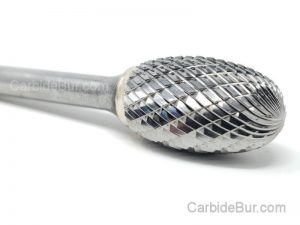
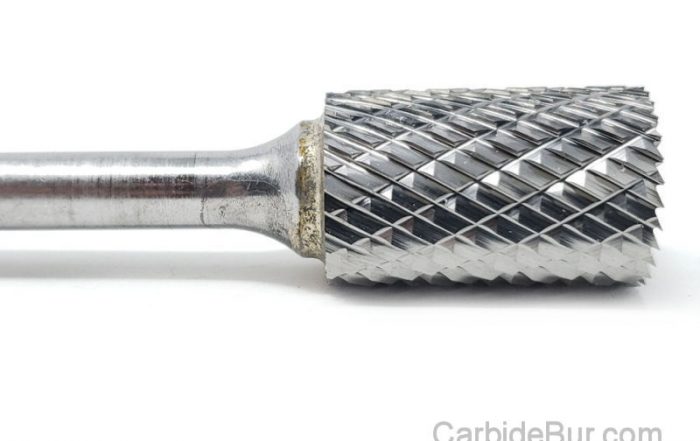
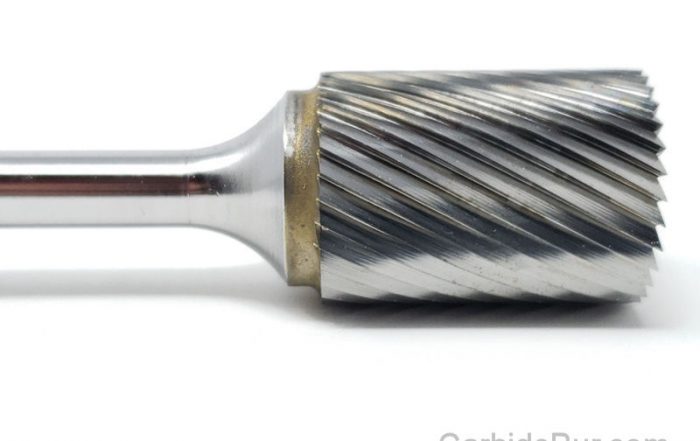
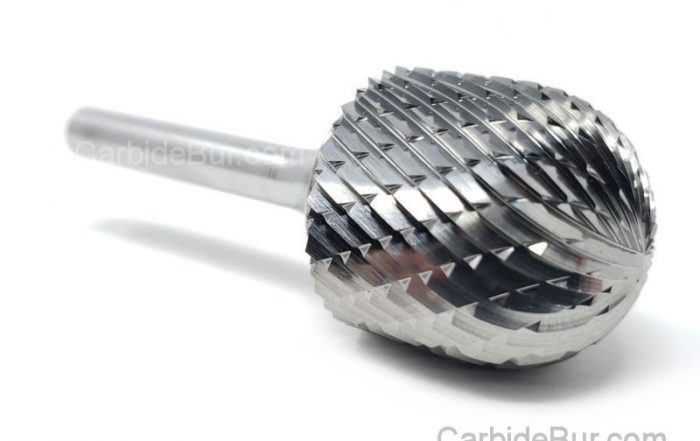
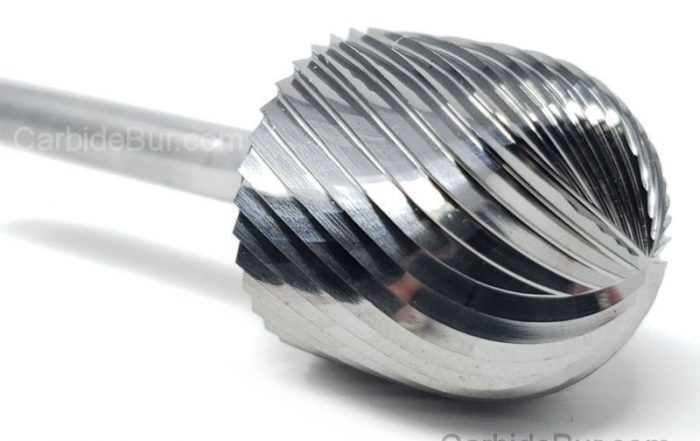
Carbide burs are highly durable rotary tools made from tungsten carbide, a material known for its hardness and wear resistance. These tools are designed to cut, grind, and shape materials with precision, making them ideal for intricate work.
Typically, carbide burs are used in metalworking, woodworking, and even dental applications. The material’s robustness allows for detailed work without the risk of rapid degradation.
In essence, carbide burs are invaluable for both fine detail work and heavy-duty projects. Their construction offers longevity, reducing the need for frequent replacements. You can learn more about the manufacturing and applications of these tools here.
Key Uses of Carbide Burs
Carbide burs have numerous applications across various industries. In metalworking, they are used for deburring, shaping, and creating intricate designs. They offer precision when working with hard metals.
When it comes to woodworking, carbide burs are perfect for carving and detailing. Their sharpness allows for clean cuts, enhancing the quality of the finished product.
Moreover, in the dental industry, carbide burs are employed in dental procedures for shaping and removing material, ensuring precision and patient safety.
If you’re interested in exploring more about their uses, check out this comprehensive guide.
Advantages of Using Carbide Burs
The advantages of carbide burs lie primarily in their durability and versatility. Their tungsten carbide construction ensures they remain sharp longer than other tools.
Due to their strength, carbide burs can handle a wide range of materials, from soft wood to hardened steel, without losing efficiency. This makes them cost-effective over time.
Additionally, they offer superior precision, which is crucial for detailed and intricate work. This precision is unmatched by many other tools in similar applications.
These benefits make carbide burs a preferred choice for professionals and hobbyists alike. Check out more about their benefits here.
Applications in Hobby Projects
For hobbyists, carbide burs open up a world of possibilities. They allow for precision and creativity, making them a must-have in any toolkit. In this section, we delve into how carbide burs can transform your DIY projects, metalworking endeavors, and creative pursuits.
Enhancing DIY Projects
Carbide burs are perfect for enhancing DIY projects, offering precision and efficiency. They allow hobbyists to work on intricate details that other tools might not handle well.
-
Select the right bur for your material.
-
Ensure secure attachment to your rotary tool.
-
Apply gentle pressure to achieve desired results.
Carbide burs make it easier to tackle complex designs, ensuring a professional finish. Their ability to work on various materials broadens the scope of any DIY project. With carbide burs, even complex tasks become more manageable.
Metalworking with Carbide Burs
In metalworking, carbide burs are indispensable. They cut through metal effortlessly, making them a staple for professionals and hobbyists alike. These tools provide precision in shaping and detailing metal pieces.
Their sharpness allows for clean cuts and smooth finishes, reducing the need for additional work.
Moreover, carbide burs facilitate tasks like deburring and grinding, ensuring that metal pieces are finished to perfection. They are a critical component in any metalworking toolkit, ensuring high-quality outcomes consistently.
Creative Uses for Hobbyists
For the creative hobbyist, carbide burs offer endless possibilities. They are ideal for crafting complex designs and intricate details in wood, stone, and metal.
-
Experiment with new textures in your projects.
-
Create detailed carvings that stand out.
-
Combine materials effortlessly with precision cuts.
Carbide burs enable hobbyists to explore new techniques and achieve results that might otherwise be impossible. They are a gateway to creativity, enabling unique and personalized projects.
Selecting the Right Carbide Bur
Choosing the right carbide bur can significantly impact your projects’ outcomes. In this section, we provide guidance on selecting the best bur set for your needs, offer tips for effective use, and discuss maintenance to ensure longevity.
Choosing a Carbide Bur Set
Selecting a carbide bur set depends on your specific needs. Consider the types of materials you’ll be working with and the level of detail you require.
-
Look for sets that offer various shapes and sizes.
-
Check compatibility with your rotary tool.
-
Prioritize quality, opting for sets from reputable manufacturers.
Having a diverse set ensures you are equipped for any project, from simple tasks to complex designs. A well-chosen set maximizes the potential of your toolkit.
Tips for Effective Carbide Bur Use
To get the most out of your carbide burs, follow these tips:
-
Use the correct speed for each material.
-
Apply consistent pressure to avoid damaging the tool.
-
Ensure clean contact between the bur and material to prevent slipping.
Using carbide burs effectively ensures your projects are completed with precision and care. These tips help in achieving the best possible results, enhancing the quality of your work.
Maintaining Your Carbide Burs
Proper maintenance extends the life of your carbide burs. Regular cleaning and careful storage are key.
-
Clean burs after each use to remove debris.
-
Store them in a secure case to prevent damage.
-
Inspect for wear regularly, replacing burs as needed.
These practices ensure your carbide burs remain in top condition, ready for any project. Maintaining your tools is crucial for long-term efficiency and effectiveness.
Comparing Electric and Pneumatic Die Grinders with Carbide Burrs
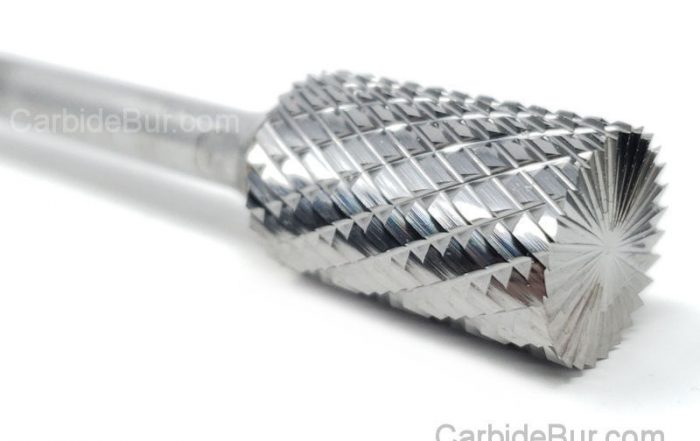
Power and Precision: Comparing Electric and Pneumatic Die Grinders with Carbide Burrs Choosing the right die grinder for your carbide burrs can feel like a maze. Electric die grinders promise power at your fingertips, while [...]
The Top Tools Driving the Future of Aerospace Machining
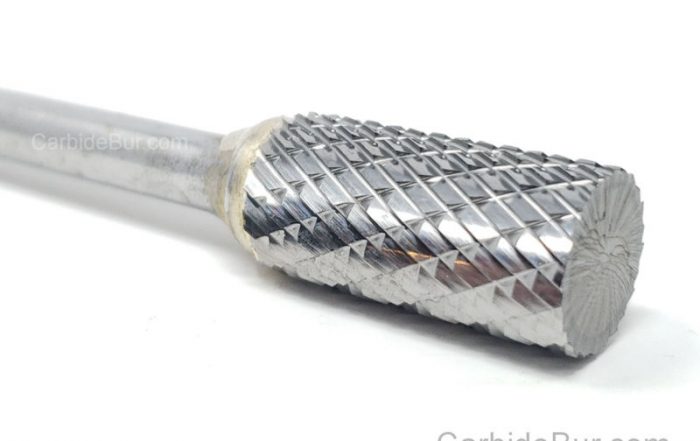
The Top Tools Driving the Future of Aerospace Machining The demand for aerospace machining has surged, pushing manufacturers to deliver high-precision metal parts faster than ever. Meeting tight standards while cutting lead times in aerospace [...]
Mastering Carbide Burrs for Enhanced Engine Performance
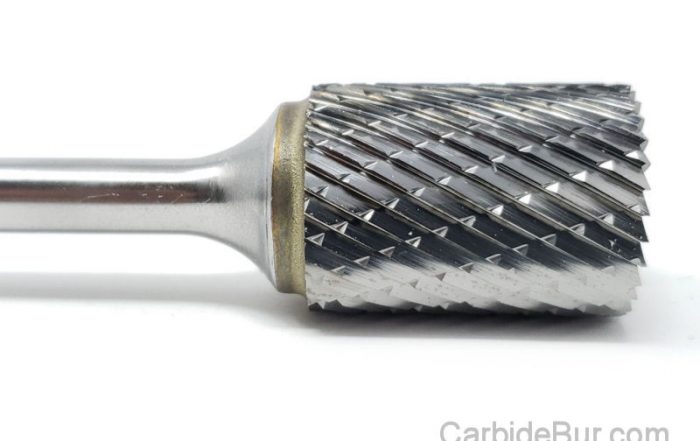
Beginner's Guide to Engine Porting: Mastering Carbide Burrs for Enhanced Engine Performance Most beginners think engine porting is just about grinding metal. The truth is, mastering carbide burrs can change how air moves through your [...]
Unveiling the Secrets of Burr Cutting Efficiency: Double-Cut or Single-Cut?
Unveiling the Secrets of Burr Cutting Efficiency: Double-Cut or Single-Cut? Most metalworkers hit a wall choosing between double-cut carbide burrs and single-cut carbide burrs. Picking the wrong one can slow your work or wear your [...]
How Specialized Carbide Burrs Are Revolutionizing Aluminum Fabrication for Cleaner Cuts
How Specialized Carbide Burrs Are Revolutionizing Aluminum Fabrication for Cleaner Cuts Most aluminum fabricators still wrestle with rough edges and extra cleanup after machining. Those extra steps cost you time and eat into your profits. [...]
U.S. Manufacturing Reshoring: The Role of Domestic Tool Suppliers in 2026
U.S. Manufacturing Reshoring: The Role of Domestic Tool Suppliers in 2026 U.S. manufacturing is shifting closer to home faster than many expected. By 2026, reshoring trends are reshaping how supply chains function, with domestic tool [...]
From Casting Flash to Weld Blending: Essential Techniques for 2026
From Casting Flash to Weld Blending: Essential Techniques for 2026 Forget the old ways of finishing parts in automotive production. As electric vehicles and autonomous vehicle production grow, the need for precise deburring processes and [...]
Understanding the Surge in Cutting Tool Costs and Effective Waste Reduction in Machining
Understanding the Surge in Cutting Tool Costs and Effective Waste Reduction in Machining Cutting tool costs have jumped noticeably in recent years, squeezing machine shop budgets tighter than ever. Raw material scarcity and supply chain [...]
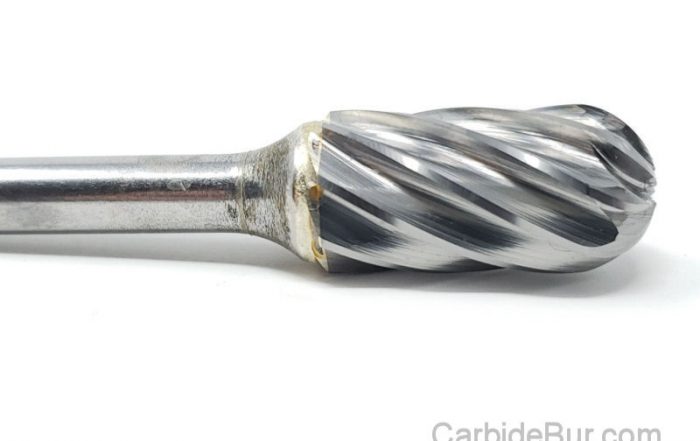
Choosing the Right Carbide Burr Shape for Your Metalworking Projects
Choosing the Right Carbide Burr Shape for Your Metalworking Projects You might think all carbide burr shapes do the same job, but that’s far from true. Choosing the wrong shape can waste time and leave [...]
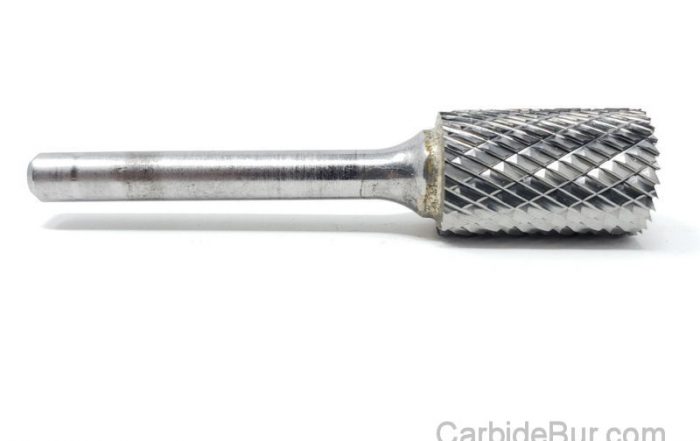
U.S. Cutting Tool Shipments Reach New Heights
U.S. Cutting Tool Shipments Reach New Heights: What It Means for Manufacturing Professionals U.S. cutting tool shipments soared to $278.1 million in July 2026, marking a 29% jump from last year. If you’re in fabrication [...]
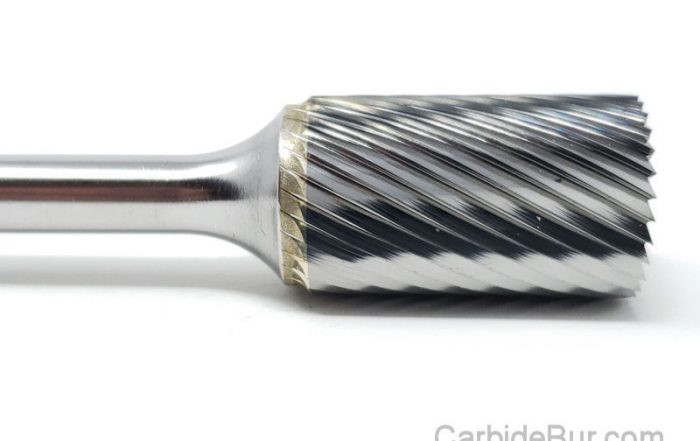
How 3D-Printed Carbide is Redefining Precision Toolmaking with Kennametal’s Latest Technology
How 3D-Printed Carbide is Redefining Precision Toolmaking with Kennametal's Latest Technology Custom hole-finishing tools have long faced limits in design and cooling options that hold back their performance. Kennametal’s new 3D-printed carbide grade changes that [...]

The Future of Additive Manufacturing in Aerospace and Automotive Industries
The Future of Additive Manufacturing in Aerospace and Automotive Industries Metal 3D printing is no longer just a concept for prototypes; it’s scaling up fast in aerospace and automotive fields. But raw prints don’t meet [...]
