
How Carbide Drill Bits Revolutionize Drilling Hardened Steel
When it comes to drilling hardened steel, standard steel bits often fall short, leaving professionals and DIY enthusiasts alike searching for a more efficient solution. Enter carbide drill bits—specifically engineered to tackle the toughest materials with remarkable precision and durability. These cutting-edge tools are revolutionizing the way we approach industrial and home improvement projects by providing exceptional performance and extended tool longevity. Whether you’re involved in construction, manufacturing, or simply tackling a challenging DIY task, understanding the benefits of carbide drill bits can transform your approach to drilling hardened steel. In this post, we’ll delve into why these are considered the best drill bits for steel, exploring their composition, advantages, and the precise results they deliver.

Find more Carbide Drill Bits here
Understanding Carbide Drill Bits
Carbide drill bits are an essential tool for anyone dealing with hardened steel. Their unique composition and design set them apart from standard bits, allowing for more precise and durable drilling. Let’s explore what makes them special and why they outperform traditional steel bits.
Composition and Design Innovations
Carbide drill bits are primarily made from a blend of carbon and tungsten, giving them exceptional hardness. This composition allows them to maintain a sharp edge longer than other materials. The design often incorporates a unique geometry to maximize cutting efficiency and reduce friction.
Innovations in carbide drill bit design include advanced coatings, such as titanium or diamond, which further enhance durability. These coatings minimize heat buildup, which is crucial for maintaining the bit’s structural integrity while drilling through hardened steel.
By understanding the composition and design of carbide drill bits, users can appreciate their superior performance in demanding applications. For more insights, visit Carbide Bur for detailed information on carbide compositions and designs.
Advantages Over Standard Steel Bits
When comparing carbide bits to standard steel bits, the differences are significant. Here’s a quick look at the advantages:
|
Feature |
Carbide Drill Bits |
Standard Steel Bits |
|---|---|---|
|
Hardness |
Extremely Hard |
Moderate |
|
Heat Resistance |
High |
Low |
|
Durability |
Long-lasting |
Short lifespan |
|
Efficiency |
High cutting speed |
Slower |
Carbide drill bits are designed to tackle the hardest materials, making them the best drill bits for steel. Their durability ensures a longer lifespan, reducing the need for frequent replacements. Moreover, their heat resistance allows for prolonged use without the risk of overheating or damage.
For further comparison insights, check out Drill Bit Warehouse.
Techniques for Drilling Hardened Steel
Drilling hardened steel requires specific techniques to achieve the desired results. Selecting the right tools and methods is crucial for project success, whether in a professional or DIY setting.
Choosing the Best Drill Bits for Steel
Selecting the appropriate drill bit is the first step in achieving a clean, precise hole. Here’s a simple process to guide your selection:
-
Identify Material Hardness: Determine the hardness of the steel to choose the right carbide bit.
-
Match Bit Design: Select a bit with the appropriate geometry for your application.
-
Consider Coatings: Opt for bits with coatings that enhance performance and lifespan.
Carbide drill bits offer the best drill bits for steel due to their composition and design. By following these steps, users can ensure they select the most suitable tools for their needs. Visit Kennametal for guidance on choosing the right bit.
Find more Carbide Drill Bits here
Achieving Precision Drilling
Precision drilling is essential when working with hardened steel. To achieve optimal results, consider these tips:
-
Use a Center Punch: Mark the drilling point to prevent the bit from wandering.
-
Apply Steady Pressure: Use consistent pressure to avoid bit breakage.
-
Control Speed: Maintain a low-to-moderate speed to reduce heat buildup.
By following these techniques, you can achieve precision drilling and extend the life of your carbide bits. For additional precision drilling tips, Carbide Burs Shanks provides excellent resources.
Enhancing Tool Longevity and Efficiency
Maximizing the lifespan of your drill bits not only saves money but also increases overall project efficiency. By focusing on drill bit durability and adopting effective techniques, you can ensure optimal tool performance.
Ensuring Drill Bit Durability
To enhance the durability of your carbide drill bits, it’s crucial to follow proper maintenance and usage practices. Consider these recommendations:
-
Regularly Inspect Bits: Check for wear and damage before use.
-
Keep Bits Cool: Use cutting fluid to minimize heat buildup during drilling.
-
Store Properly: Keep bits in a dry, safe place to prevent corrosion.
By ensuring good maintenance habits, your carbide bits can deliver long-lasting performance. For more details on maintaining drill bit durability, visit Drill Bit Warehouse.
Industrial Drilling Solutions for Professionals
Carbide drill bits are not just for DIY enthusiasts; they’re also vital in industrial applications. Case Study Example: A manufacturing plant successfully cut production time by 30% using carbide bits.
-
Increased Efficiency: Faster drilling speeds cut down on project timelines.
-
Reduced Costs: Longer-lasting bits mean fewer replacements and lower expenses.
-
Improved Quality: Consistent precision leads to better product quality.
For professionals seeking reliable industrial drilling solutions, carbide drill bits offer an efficient and cost-effective option. For detailed industrial applications, visit Kennametal.
Best Carbide Burr for Enlarging a Hole in Metal
Best Carbide Burr for Enlarging a Hole in Metal When you need to enlarge a hole in metal, grabbing the wrong carbide burr can turn a simple task into a frustrating mess. Picking the best [...]
Carbide Burr Safety: 15 Mistakes That Can Cause Injury or Damage
Carbide Burr Safety: 15 Mistakes That Can Cause Injury or Damage Carbide burr safety is often overlooked until a costly mistake happens. Many metalworkers and DIYers make the same errors that lead to injuries or [...]
Can You Use a Carbide Burr in a Drill?
Can You Use a Carbide Burr in a Drill? Most people think a standard drill can’t handle a carbide burr, but that’s not true. Using carbide burr in the right drill can speed up your [...]
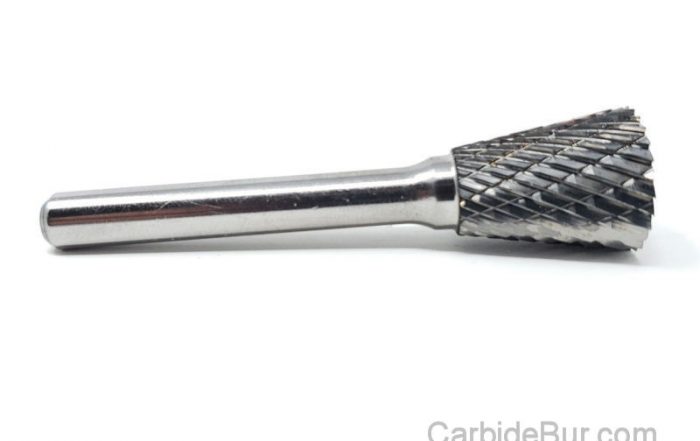
Carbide Burrs for Removing Rust: What Works Best?
Carbide Burrs for Removing Rust: What Works Best? Rust can turn your favorite tools into useless junk faster than you expect. Removing it without ruining the metal underneath takes more than just elbow grease—it demands [...]
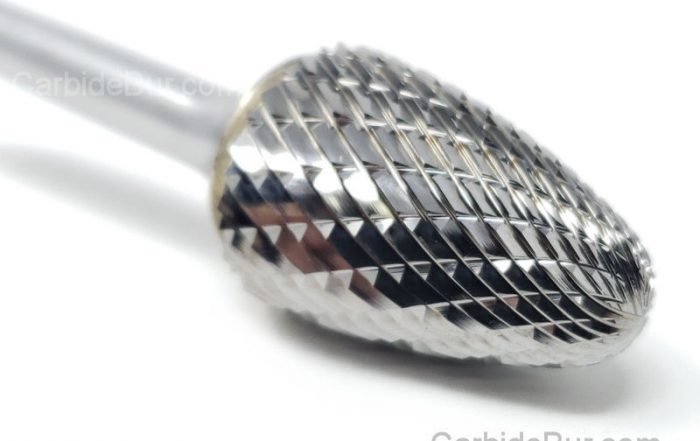
How Much Pressure Should You Use With a Carbide Burr?
How Much Pressure Should You Use With a Carbide Burr? Most people think pressing harder with a carbide burr speeds up the job. That’s not true—too much pressure wears out your tool and ruins the [...]
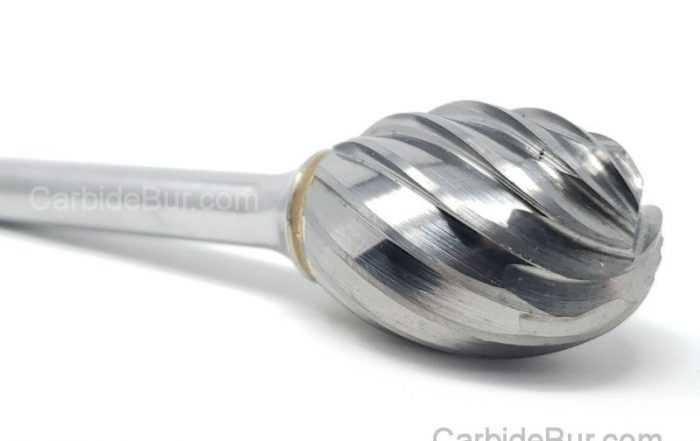
Can You Use Carbide Burrs With an Air Die Grinder?
Can You Use Carbide Burrs With an Air Die Grinder? Most people don’t realize how well carbide burrs work with air die grinders until they try them. If you’ve ever struggled with finding the right [...]
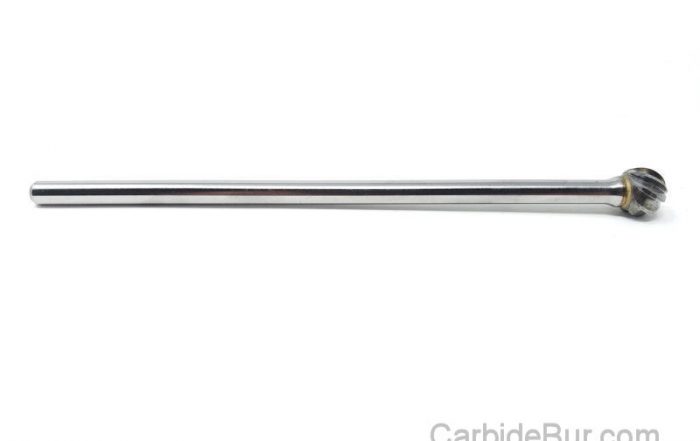
Best Long Reach Carbide Burr for Deep Metal Work
Best Long Reach Carbide Burr for Deep Metal Work Long reach carbide burrs often promise deep metal access, but many fall short where it counts most. You need a tool that cuts cleanly, lasts through [...]
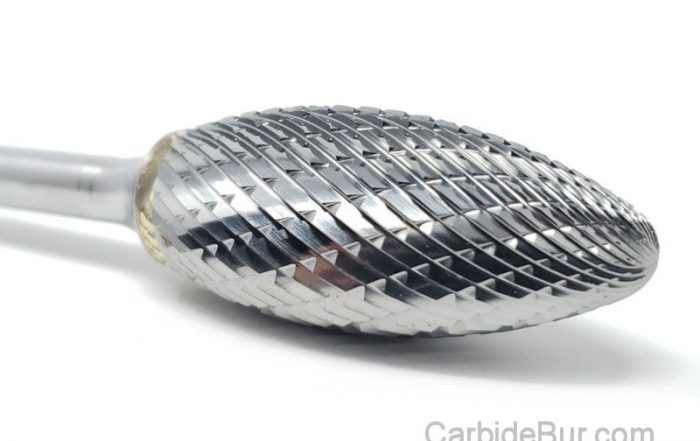
What RPM Should You Use for a 1/8 Inch Carbide Burr?
What RPM Should You Use for a 1/8 Inch Carbide Burr? Most people guess the right carbide burr RPM by feel—and waste hours redoing work. If you want cleaner cuts and longer tool life, your [...]
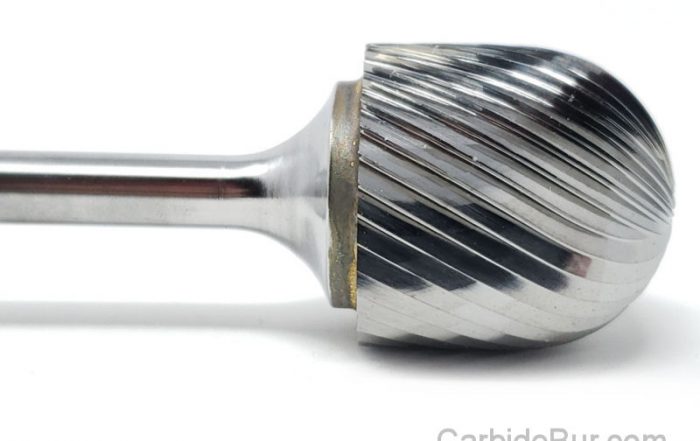
Carbide Burrs for Tight Spaces: Choosing the Right Shape
Carbide Burrs for Tight Spaces: Choosing the Right Shape Tackling tight spaces with the wrong carbide burrs wastes time and risks damaging your work. Choosing the right burr shape makes all the difference when working [...]
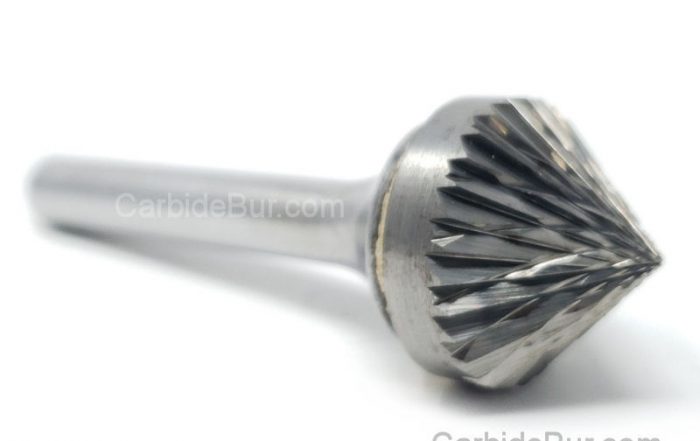
Can Carbide Burrs Remove Paint From Metal?
Can Carbide Burrs Remove Paint From Metal? Stripping paint from metal often feels like a tough chore that risks damaging the surface underneath. Many turn to carbide burrs hoping they can speed things up without [...]
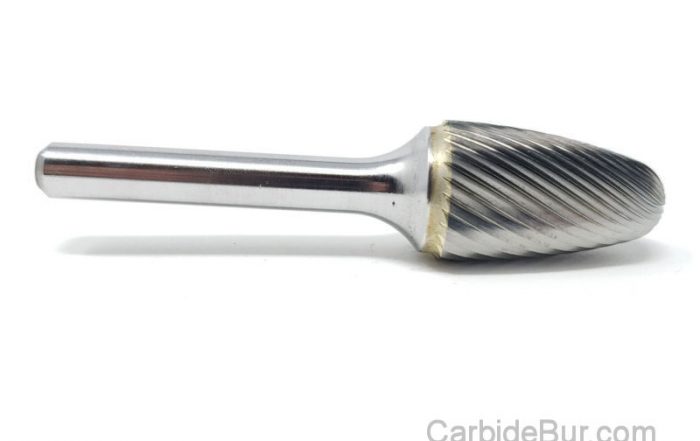
How to Grind a Groove in Metal With a Carbide Burr
How to Grind a Groove in Metal With a Carbide Burr Most metalworkers struggle to cut clean grooves without wasting time or ruining their workpiece. Many try different metalworking tools but end up with uneven [...]
Can Carbide Burrs Cut Through Welds?
Can Carbide Burrs Cut Through Welds? Cutting through welds can feel like a battle, especially when you need clean results without harming the base metal. Carbide burrs offer a sharp edge in this fight, but [...]
