

The Role of Carbide Finishing Bur in Precision Grinding
In the world of manufacturing and machining, precision is paramount, and the tools used can make all the difference in achieving the desired outcome. Among these essential tools, the carbide finishing bur stands out as a key player in precision grinding operations. These industrial tools are highly valued for their ability to deliver a superior machining finish, enhancing both efficiency and product quality. The importance of carbide burs lies in their durability and capability to handle tough materials with ease, making them indispensable in various industrial processes. As we delve deeper, we’ll explore how these tools contribute to the meticulous art of precision grinding and why they are a crucial asset for manufacturers, machinists, and tool users alike. For more information, check out this comprehensive guide on grinding burs.
Understanding Carbide Finishing Burs
In the realm of precision grinding, understanding the tools at your disposal is crucial. Carbide finishing burs are vital components in machining processes, known for their ability to enhance precision and efficiency. Let’s examine what makes these industrial tools so significant.
What is a Carbide Finishing Bur?
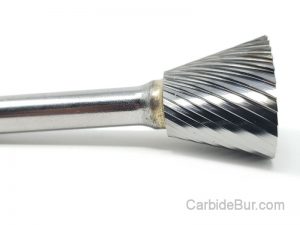
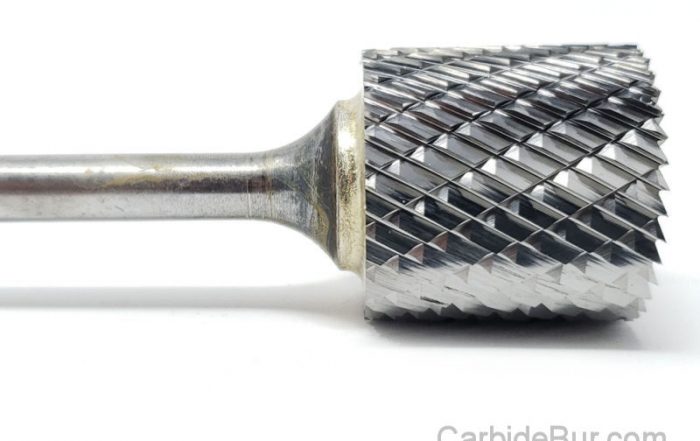
A carbide finishing bur is a type of rotary cutting tool used in various machining processes. These burs are typically made from tungsten carbide, a material well-regarded for its hardness and resistance to wear. They are designed to cut, shape, grind, and finish materials like metal, wood, ceramics, and plastics. The primary function of a carbide finishing bur is to provide a smooth machining finish, an essential aspect of precision grinding.
These tools are available in different shapes and sizes, enabling machinists and manufacturers to select the right bur for specific tasks. To learn more about the varieties and applications of carbide burs, visit carbideburr.net.
Key Features of Carbide Burs
Carbide burs offer several key features that make them indispensable in industrial settings. First, their durability allows them to withstand high-speed operations without degrading quickly. This longevity means less frequent replacements and more consistent performance.
-
Hardness: Tungsten carbide provides superior hardness, making these burs ideal for cutting tough materials.
-
Heat resistance: They can operate at high temperatures, reducing the risk of overheating during prolonged use.
-
Versatility: Available in various shapes, they can be used for different applications, from cutting to polishing.
These features make carbide finishing burs an essential part of machining operations, as detailed in this article.
Types of Carbide Finishing Burs
Carbide finishing burs come in various types and designs. Each is tailored for specific tasks within precision grinding. Understanding these types helps users select the most suitable tool for their needs.
-
Ball-shaped burs: Ideal for contouring and hollowing out areas.
-
Cylinder-shaped burs: Best for flat surface work and finishing.
-
Flame-shaped burs: Useful for sculpting and shaping intricate designs.
To explore more about the different types and their applications, visit the steel shank carbide burs page.
Importance of Carbide Finishing Burs
The significance of carbide finishing burs in the world of machining cannot be overstated. They enhance precision grinding, achieve superior finishes, and offer incredible durability.
Enhancing Precision Grinding
Precision grinding is a high-precision process where carbide finishing burs excel. Their ability to maintain a sharp edge allows them to produce consistent and accurate cuts. This accuracy is crucial for applications in industries such as aerospace and automotive manufacturing, where precision is non-negotiable.
-
Consistency: Ensures every component is produced to exact specifications.
-
Efficiency: Reduces the time needed to achieve the desired finish.
-
Versatility: Suitable for various materials, enhancing their utility across industries.
For more insights on how carbide burs enhance precision grinding, refer to this LinkedIn article.
Achieving Superior Machining Finish
The machining finish is a critical aspect of any manufacturing process. A smooth finish not only improves the aesthetic quality but also the functional performance of the component. Carbide burs are instrumental in achieving this superior finish. Their sharpness and durability enable them to produce a fine surface with minimal imperfections.
-
Surface quality: Ensures a smooth finish that meets industry standards.
-
Reduced defects: Minimizes the occurrence of burrs and uneven edges.
-
Enhanced performance: Ensures components function as intended without additional processing.
Durability and Efficiency in Industrial Tools
Durability is a hallmark of industrial tools, and carbide finishing burs epitomize this quality. Their construction using tungsten carbide means they can withstand the rigors of demanding environments without losing effectiveness.
-
Longevity: Reduces the frequency of tool replacement, saving costs.
-
Performance: Maintains cutting efficiency over extended periods.
-
Investment: Offers long-term value, making them a wise choice for any machining operation.
Applications in Manufacturing and Machining
Carbide finishing burs find applications across a wide range of manufacturing and machining processes. Their versatility and effectiveness make them a staple tool in many industries.
Role in Various Industries
The role of carbide finishing burs extends across numerous industries, from automotive to aerospace. Their ability to precisely shape and finish materials makes them invaluable in creating high-quality components.
-
Aerospace: Used for crafting lightweight, precision parts.
-
Automotive: Essential for producing parts that require exact specifications.
-
Medical devices: Crucial in manufacturing components that demand high precision.
In manufacturing, their application is widespread, as detailed by eaglesuperabrasives.
Common Uses in Toolmaking
In toolmaking, carbide finishing burs are indispensable. They are employed in shaping and finishing various tools, ensuring they meet the high standards required for production.
-
Shaping: Creating precise geometries in tool components.
-
Finishing: Providing a smooth, polished surface.
-
Adjustment: Allowing for minute adjustments without compromising the tool’s integrity.
Techniques for Optimal Results
To maximize the effectiveness of carbide finishing burs, employing the right techniques is crucial. These techniques ensure optimal performance and longevity of the tools.
-
Select the correct bur type for the task.
-
Ensure proper speed settings on grinding equipment.
-
Apply consistent pressure to avoid overheating.
-
Use appropriate cooling methods to prolong tool life.
Choosing the Right Carbide Finishing Bur
Selecting the appropriate carbide finishing bur involves considering several factors. The right choice can significantly impact the quality of the machining work and the efficiency of operations.
Factors to Consider
When choosing a carbide finishing bur, several factors must be considered to ensure optimal performance and compatibility with your specific machining needs.
-
Material: The material being worked on will dictate the type of bur required.
-
Shape and size: Determines the precision and type of finish achievable.
-
Speed and power: Compatibility with the equipment used affects results.
These considerations are vital for ensuring the right match for your specific applications. More guidance can be found at carbideburr.net.
Comparing Different Brands
When it comes to comparing brands of carbide finishing burs, there are several key aspects to consider. Each brand offers distinct features, quality, and price points.
|
Brand |
Features |
Price Range |
|---|---|---|
|
Brand A |
High durability, precision cuts |
$$ |
|
Brand B |
Versatile shapes, heat resistant |
$$$ |
|
Brand C |
Affordable, basic functionality |
$ |
Evaluating these aspects helps in making an informed decision.
Maintenance and Care Tips
Proper care and maintenance of carbide finishing burs are essential for extending their life and maintaining performance.
-
Regular cleaning: Remove debris to prevent buildup.
-
Proper storage: Store in a dry place to avoid corrosion.
-
Routine inspection: Check for wear and damage before use.
Future Trends in Precision Grinding
The field of precision grinding is constantly evolving, with new trends and technologies shaping its future. Staying abreast of these changes is essential for manufacturers and machinists.
Innovations in Carbide Technology
Innovations in carbide technology continue to enhance the capabilities of finishing burs. These advancements make them more effective and efficient in machining applications.
-
Nanotechnology: Improves the strength and wear resistance.
-
Coating technologies: Enhance the surface properties, increasing lifespan.
-
Automation: Integrates with modern CNC systems for better precision.
Evolving Needs of Manufacturers
As the manufacturing landscape changes, the needs of manufacturers also evolve. Carbide finishing burs must adapt to these new demands, offering improved performance and flexibility.
-
Customization: Demand for specialized burs tailored to specific tasks.
-
Speed and efficiency: Faster processes without sacrificing quality.
-
Sustainability: Eco-friendly manufacturing practices are becoming a priority.
Sustainability in Industrial Tools
Sustainability is becoming an increasingly important consideration in the production of industrial tools. Carbide finishing burs are no exception, with efforts focused on reducing their environmental impact.
-
Recyclable materials: Using materials that can be reused.
-
Energy-efficient manufacturing: Reducing the carbon footprint of production processes.
-
Longevity: Long-lasting tools reduce waste and consumption.
These trends indicate a promising future for carbide finishing burs in precision grinding, aligning with broader industry goals for innovation and sustainability.
Best Carbide Burr for Enlarging a Hole in Metal
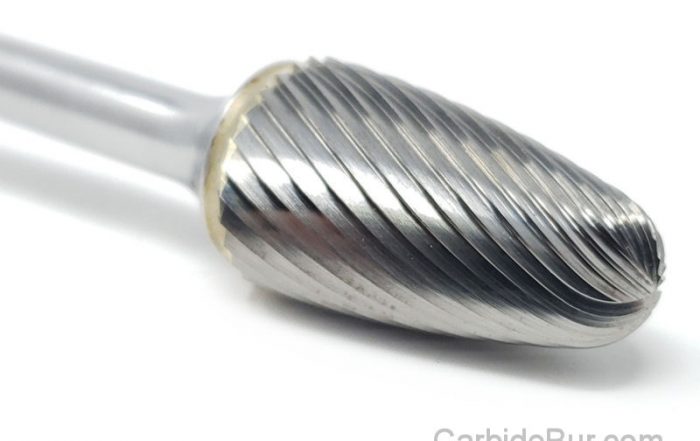
Best Carbide Burr for Enlarging a Hole in Metal When you need to enlarge a hole in metal, grabbing the wrong carbide burr can turn a simple task into a frustrating mess. Picking the best [...]
Carbide Burr Safety: 15 Mistakes That Can Cause Injury or Damage
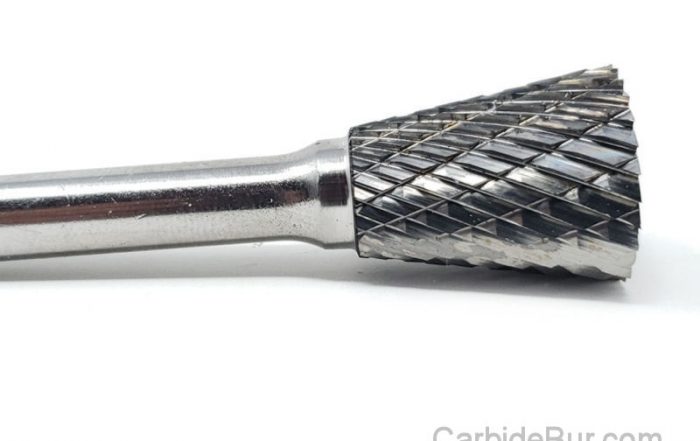
Carbide Burr Safety: 15 Mistakes That Can Cause Injury or Damage Carbide burr safety is often overlooked until a costly mistake happens. Many metalworkers and DIYers make the same errors that lead to injuries or [...]
Can You Use a Carbide Burr in a Drill?
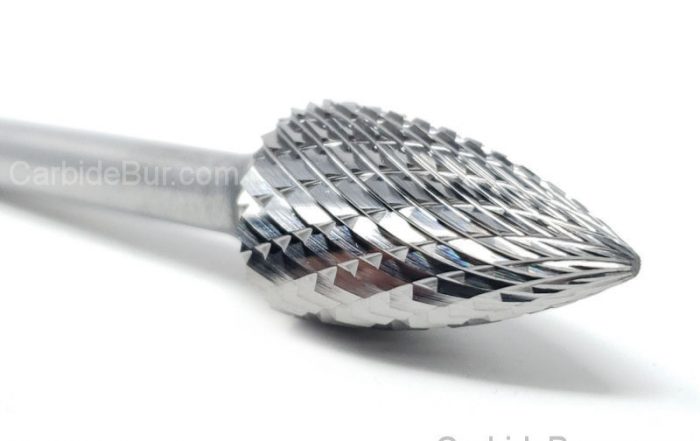
Can You Use a Carbide Burr in a Drill? Most people think a standard drill can’t handle a carbide burr, but that’s not true. Using carbide burr in the right drill can speed up your [...]
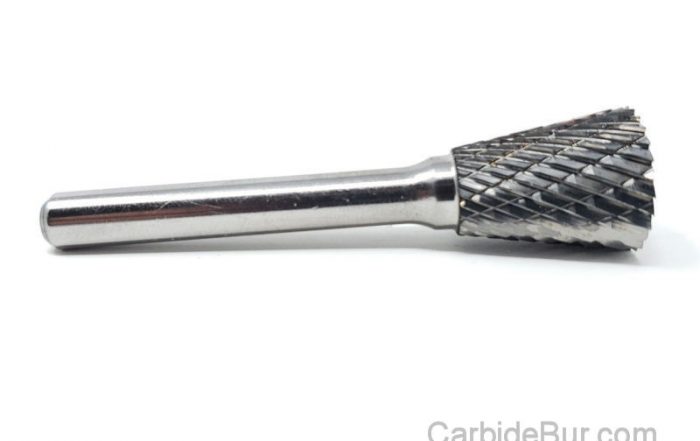
Carbide Burrs for Removing Rust: What Works Best?
Carbide Burrs for Removing Rust: What Works Best? Rust can turn your favorite tools into useless junk faster than you expect. Removing it without ruining the metal underneath takes more than just elbow grease—it demands [...]
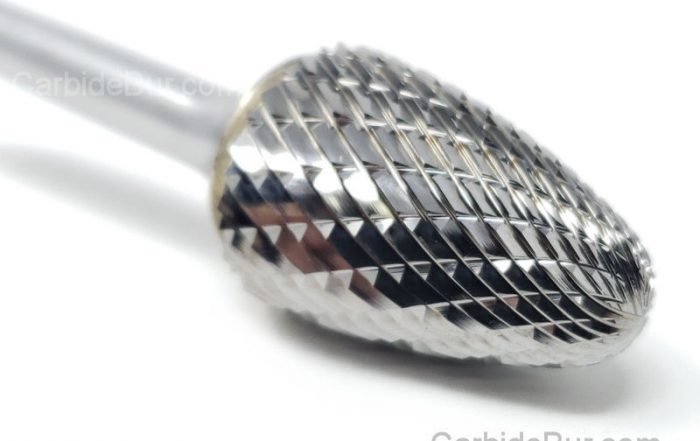
How Much Pressure Should You Use With a Carbide Burr?
How Much Pressure Should You Use With a Carbide Burr? Most people think pressing harder with a carbide burr speeds up the job. That’s not true—too much pressure wears out your tool and ruins the [...]
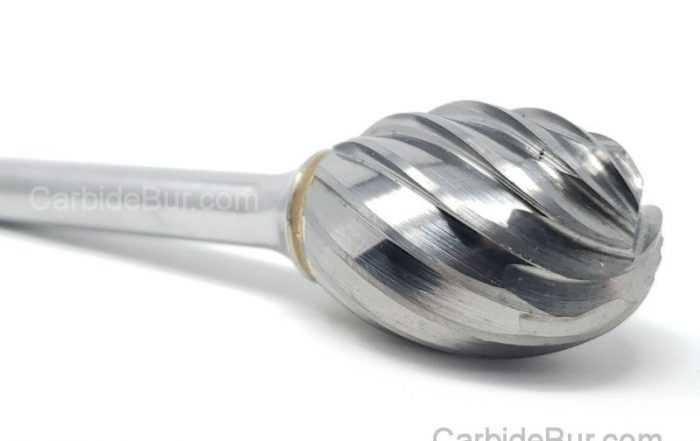
Can You Use Carbide Burrs With an Air Die Grinder?
Can You Use Carbide Burrs With an Air Die Grinder? Most people don’t realize how well carbide burrs work with air die grinders until they try them. If you’ve ever struggled with finding the right [...]
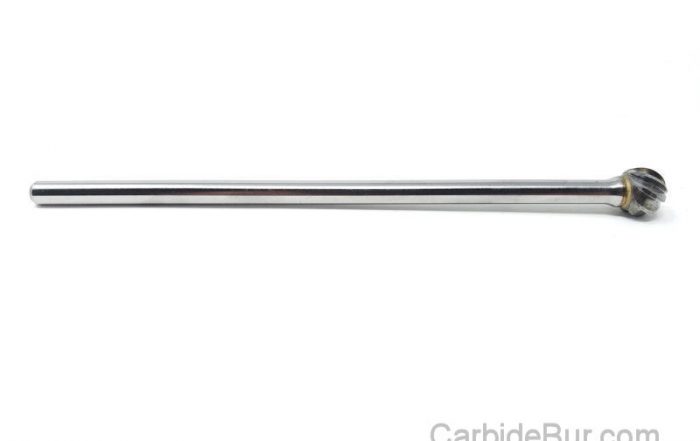
Best Long Reach Carbide Burr for Deep Metal Work
Best Long Reach Carbide Burr for Deep Metal Work Long reach carbide burrs often promise deep metal access, but many fall short where it counts most. You need a tool that cuts cleanly, lasts through [...]
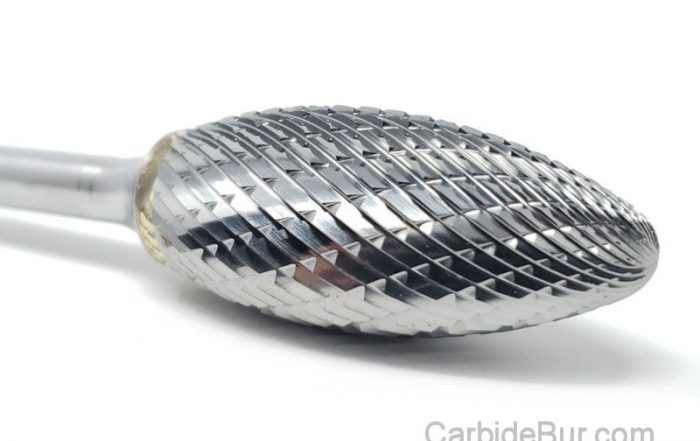
What RPM Should You Use for a 1/8 Inch Carbide Burr?
What RPM Should You Use for a 1/8 Inch Carbide Burr? Most people guess the right carbide burr RPM by feel—and waste hours redoing work. If you want cleaner cuts and longer tool life, your [...]
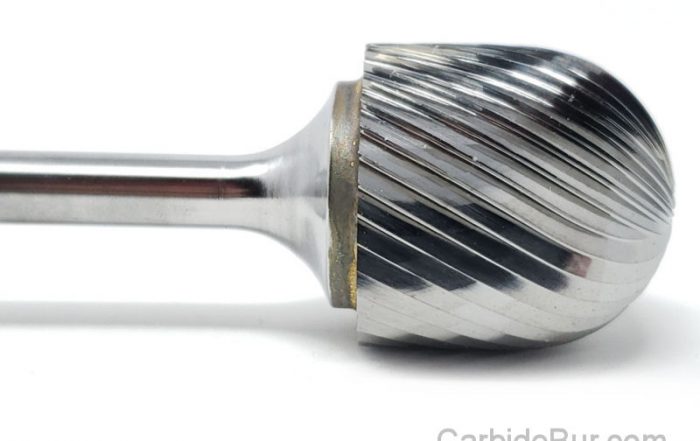
Carbide Burrs for Tight Spaces: Choosing the Right Shape
Carbide Burrs for Tight Spaces: Choosing the Right Shape Tackling tight spaces with the wrong carbide burrs wastes time and risks damaging your work. Choosing the right burr shape makes all the difference when working [...]
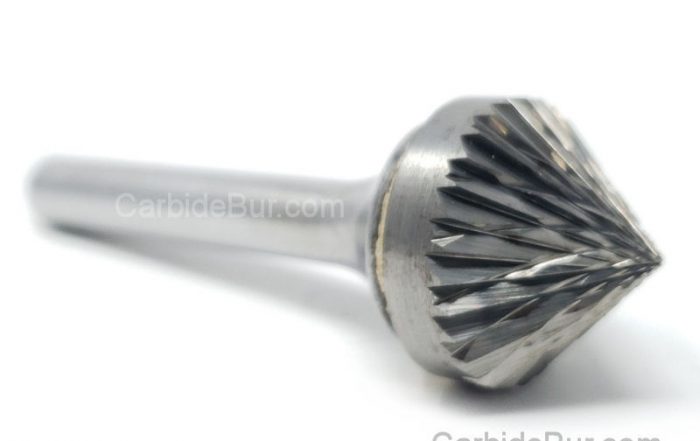
Can Carbide Burrs Remove Paint From Metal?
Can Carbide Burrs Remove Paint From Metal? Stripping paint from metal often feels like a tough chore that risks damaging the surface underneath. Many turn to carbide burrs hoping they can speed things up without [...]
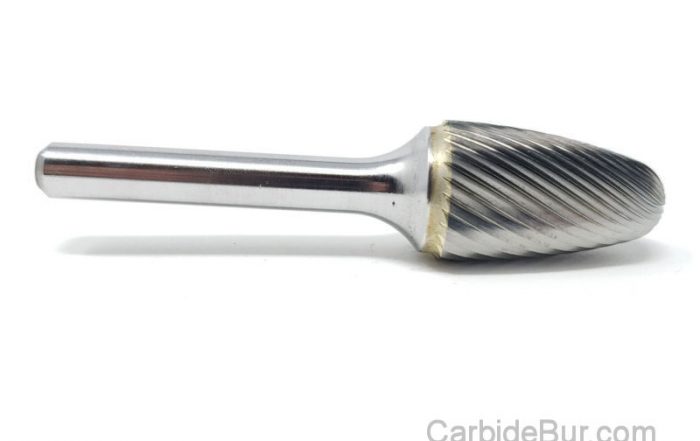
How to Grind a Groove in Metal With a Carbide Burr
How to Grind a Groove in Metal With a Carbide Burr Most metalworkers struggle to cut clean grooves without wasting time or ruining their workpiece. Many try different metalworking tools but end up with uneven [...]
Can Carbide Burrs Cut Through Welds?
Can Carbide Burrs Cut Through Welds? Cutting through welds can feel like a battle, especially when you need clean results without harming the base metal. Carbide burrs offer a sharp edge in this fight, but [...]
