
A Deep Dive into Dremel Grout Removal Bits for Effective Home Improvement
Home improvement projects often come with their fair share of challenges, especially when it comes to tackling stubborn grout. Enter Dremel grout removal bits, a game-changer for DIY enthusiasts and professional contractors alike. These specialized grout removal tools are designed to make the tedious task of grout removal not only manageable but also efficient. Whether you’re a seasoned pro or a weekend warrior, understanding the variety of Dremel bits available can significantly impact your project’s success. In this post, we’ll delve into the best Dremel bits for grout removal, share DIY grout removal tips, and guide you through selecting the right tools for your specific needs.
Understanding Dremel Grout Removal Bits
Grout removal is a critical step in many tile renovation projects. Dremel grout removal bits are designed to speed up the process and improve results. Understanding the different types of bits and their specific uses is essential for achieving a professional finish.
Types of Dremel Bits
Dremel bits come in various shapes and sizes, each serving a unique purpose. Rotary bits are among the most popular, known for their precision and ease of use. Carbide bits are another category, recognized for their durability and ability to handle tough grout.
-
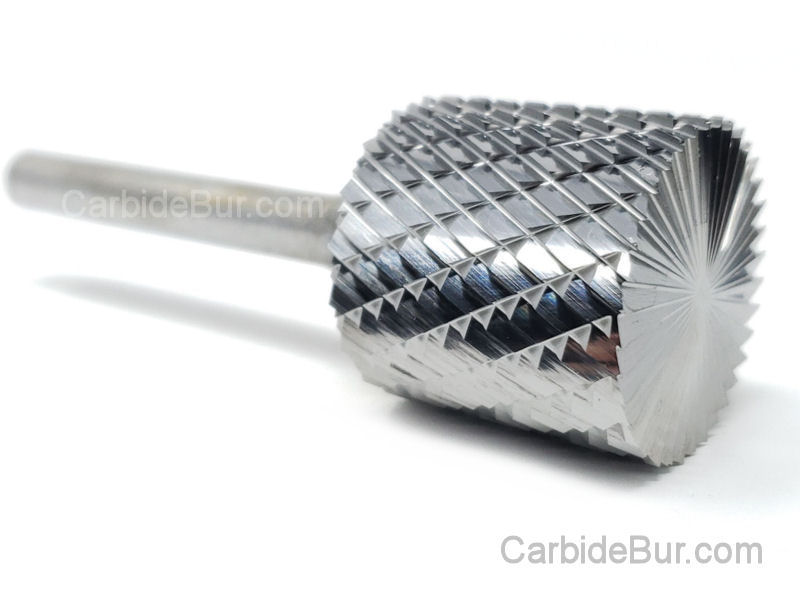
Carbide Grout Removal Bits: These bits, such as Dremel’s 569 model, are perfect for tackling hard grout due to their robust construction.
-
Diamond Bits: Known for their superior cutting power, diamond bits are ideal for detailed work.
-
Silicon Carbide Grinding Stones: Useful for smoothing out surfaces after grout removal.
Choosing the right type of bit depends on the project requirements and the grout’s hardness.
Best Dremel Bits for Projects
Selecting the best Dremel bits for a project requires understanding the task at hand. For large-scale grout removal, carbide bits are recommended due to their strength and longevity. On the other hand, precision tasks may benefit from using diamond bits, which offer fine control.
-
Dremel Wall & Floor Grout Removal Kit: This comprehensive kit, available here, includes various bits ideal for different grout types.
-
Consider the bit’s size: Larger bits cover more area but may lack precision, whereas smaller bits provide detailed control.
Understanding project scope helps in selecting the most effective bits, enhancing efficiency and reducing wear on the tool.
Comparing Dremel and Other Tools
When comparing Dremel tools to other grout removal options, several factors come into play. Dremel tools are known for their versatility and user-friendliness, making them a favorite among DIY enthusiasts. By contrast, manual tools require more physical effort and time.
|
Feature |
Dremel Tools |
Manual Tools |
|---|---|---|
|
Precision |
High |
Moderate |
|
Ease of Use |
High |
Low |
|
Time Efficiency |
High |
Low |
Example: A homeowner using a Dremel tool reported completing a bathroom renovation in half the time compared to previous manual efforts, highlighting the tool’s efficiency and ease of use.
Selecting the Right Bit for Your Project
Choosing the right Dremel bit is crucial for project success. Consider your specific needs, such as grout type and tile materials, to ensure optimal performance. This section will guide you through assessing and selecting the best bits for your project.
Assessing Your Grout Removal Needs
Before selecting a bit, assess the grout’s condition. Determine the grout type, as some are more challenging to remove than others. Consider if the grout is cracked or old, which might require tougher bits.
-
Hard Grout: Requires carbide bits for effective removal.
-
Soft Grout: May be handled with less durable bits, such as silicon carbide stones.
Understanding these factors helps in choosing the right bit, ensuring efficient and smooth grout removal.
Tips for Choosing the Best Dremel Bits
Selecting the best Dremel bit involves more than just looking at the bit’s size. Here are some tips to guide you:
-
Research bit materials: Different materials like carbide and diamond offer varying levels of durability and precision.
-
Check compatibility: Ensure your chosen bit fits your Dremel tool model.
-
Review user feedback: Insights from platforms like carbideburr.net can offer valuable tips.
These considerations help in selecting bits that align with your project’s needs, providing both efficiency and value.
Matching Bits to Tile Materials
Different tile materials require different approaches. Ceramic tiles, for instance, are more fragile than stone tiles, necessitating careful bit selection:
-
Ceramic Tiles: Use precision bits to avoid damaging the tile.
-
Stone Tiles: Require durable bits, such as carbide or diamond, to withstand the hard surface.
Matching the correct bit to the tile material ensures a clean removal process and prevents tile damage.
DIY Grout Removal Tips and Techniques
Embarking on a DIY grout removal project requires preparation and the right techniques. This section offers essential tips and guides to help you achieve a smooth, professional finish.
Preparing Your Workspace
A well-prepared workspace is critical for safety and efficiency. Start by clearing the area of obstacles and securing the tiles.
-
Clear the area: Remove any items that can obstruct your movement.
-
Secure the tiles: Ensure tiles are firmly attached to avoid accidents.
-
Wear safety gear: Use goggles, gloves, and a mask to protect against debris.
Proper preparation minimizes risks and sets the stage for effective grout removal.
Step-by-Step Grout Removal Guide
Follow these steps for efficient grout removal using Dremel tools:
-
Choose the right bit: Select a bit suited for your grout type.
-
Set the tool speed: Start at a low speed and gradually increase as needed.
-
Apply steady pressure: Gently guide the bit along the grout line.
This method ensures precision and reduces the risk of tile damage, resulting in a clean removal process.
Safety Tips for Effective Removal
Safety is paramount during grout removal. Always prioritize protecting yourself and your surroundings:
-
Wear protective gear: Goggles and gloves are essential.
-
Ensure proper ventilation: Work in a well-ventilated area to avoid dust inhalation.
-
Check tool condition: Regularly inspect your Dremel tool for wear and tear.
These precautions help prevent accidents and promote a safe working environment.
Achieving Professional Results
Achieving a professional finish requires avoiding common mistakes and using the right tools. This section explores how to enhance your results and ensure a perfect finish.
Common Grout Removal Mistakes
Avoiding common mistakes is essential for a smooth grout removal process. Over-aggressive grinding is a frequent issue, which can lead to tile damage. Inadequate tool maintenance can also result in inefficient performance.
-
Ensure consistent pressure: Apply steady, gentle pressure to avoid damaging the tiles.
-
Maintain your tools: Regularly clean and inspect your Dremel tool for optimal performance.
Awareness of these pitfalls helps in achieving a cleaner, more professional finish.
Enhancing Efficiency with the Right Tools
Efficiency in grout removal hinges on using the right tools and techniques. Dremel tools are designed to enhance productivity and precision, reducing project time.
-
Use appropriate bits: Match the bit to the project requirements for faster results.
-
Regular tool maintenance: Keep your Dremel in top shape for consistent performance.
These practices ensure your project proceeds smoothly and efficiently, delivering professional-grade results.
Finishing Touches for a Perfect Finish
Completing grout removal with finesse involves careful attention to detail. Once the grout is removed, ensure all surfaces are smooth and clean:
-
Inspect tile edges: Check for any rough spots or debris.
-
Clean thoroughly: Wipe down the area to remove dust and small particles.
These final touches contribute to a polished and professional finish, enhancing the overall appearance of your project.
Benefits of Using Dremel Tools
Dremel tools offer numerous benefits in home improvement projects, from cost-effectiveness to versatility. Understanding these advantages helps justify their use in grout removal tasks.
Cost-Effectiveness and Durability
Investing in Dremel tools offers long-term savings due to their durability and efficiency. Carbide bits, available on carbideburr.net, are particularly known for their longevity.
-
Initial investment: Though initial costs may be higher, the reduced need for frequent replacements lowers long-term expenses.
-
Durability: High-quality materials ensure that Dremel tools withstand rigorous use.
Opting for Dremel tools can significantly reduce project costs while maintaining superior performance.
Versatility in Home Improvement
Dremel tools are renowned for their versatility, making them suitable for a range of home improvement tasks beyond grout removal. Whether cutting, sanding, or carving, their adaptability is a significant asset.
-
Multi-functional: Capable of handling different tasks with ease.
-
Wide range of accessories: From grout removal bits to cutting discs, the options are extensive.
This versatility makes Dremel tools a valuable addition to any DIY enthusiast or contractor’s toolkit.
Professional vs. DIY: When to Consult Experts
While Dremel tools empower DIY enthusiasts, certain situations may warrant professional intervention. Larger projects or those involving valuable tiles might benefit from expert handling.
-
Complex projects: Consider hiring a professional for intricate tasks.
-
Valuable materials: Expertise ensures delicate tiles are not damaged.
Recognizing when to seek professional assistance ensures your project is completed efficiently and with high-quality results.
Comparing Electric and Pneumatic Die Grinders with Carbide Burrs
Power and Precision: Comparing Electric and Pneumatic Die Grinders with Carbide Burrs Choosing the right die grinder for your carbide burrs can feel like a maze. Electric die grinders promise power at your fingertips, while [...]
The Top Tools Driving the Future of Aerospace Machining
The Top Tools Driving the Future of Aerospace Machining The demand for aerospace machining has surged, pushing manufacturers to deliver high-precision metal parts faster than ever. Meeting tight standards while cutting lead times in aerospace [...]
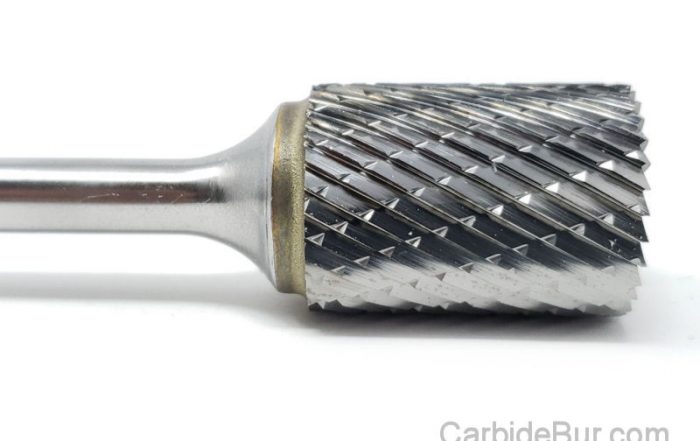
Mastering Carbide Burrs for Enhanced Engine Performance
Beginner's Guide to Engine Porting: Mastering Carbide Burrs for Enhanced Engine Performance Most beginners think engine porting is just about grinding metal. The truth is, mastering carbide burrs can change how air moves through your [...]
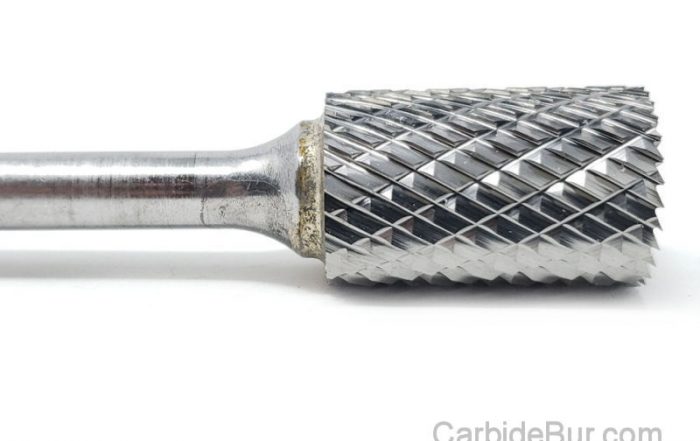
Unveiling the Secrets of Burr Cutting Efficiency: Double-Cut or Single-Cut?
Unveiling the Secrets of Burr Cutting Efficiency: Double-Cut or Single-Cut? Most metalworkers hit a wall choosing between double-cut carbide burrs and single-cut carbide burrs. Picking the wrong one can slow your work or wear your [...]
How Specialized Carbide Burrs Are Revolutionizing Aluminum Fabrication for Cleaner Cuts
How Specialized Carbide Burrs Are Revolutionizing Aluminum Fabrication for Cleaner Cuts Most aluminum fabricators still wrestle with rough edges and extra cleanup after machining. Those extra steps cost you time and eat into your profits. [...]
U.S. Manufacturing Reshoring: The Role of Domestic Tool Suppliers in 2026
U.S. Manufacturing Reshoring: The Role of Domestic Tool Suppliers in 2026 U.S. manufacturing is shifting closer to home faster than many expected. By 2026, reshoring trends are reshaping how supply chains function, with domestic tool [...]
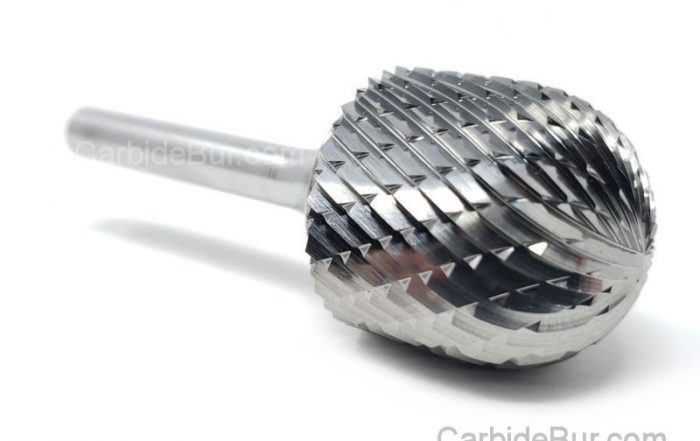
From Casting Flash to Weld Blending: Essential Techniques for 2026
From Casting Flash to Weld Blending: Essential Techniques for 2026 Forget the old ways of finishing parts in automotive production. As electric vehicles and autonomous vehicle production grow, the need for precise deburring processes and [...]
Understanding the Surge in Cutting Tool Costs and Effective Waste Reduction in Machining
Understanding the Surge in Cutting Tool Costs and Effective Waste Reduction in Machining Cutting tool costs have jumped noticeably in recent years, squeezing machine shop budgets tighter than ever. Raw material scarcity and supply chain [...]
Choosing the Right Carbide Burr Shape for Your Metalworking Projects
Choosing the Right Carbide Burr Shape for Your Metalworking Projects You might think all carbide burr shapes do the same job, but that’s far from true. Choosing the wrong shape can waste time and leave [...]
U.S. Cutting Tool Shipments Reach New Heights
U.S. Cutting Tool Shipments Reach New Heights: What It Means for Manufacturing Professionals U.S. cutting tool shipments soared to $278.1 million in July 2026, marking a 29% jump from last year. If you’re in fabrication [...]
How 3D-Printed Carbide is Redefining Precision Toolmaking with Kennametal’s Latest Technology
How 3D-Printed Carbide is Redefining Precision Toolmaking with Kennametal's Latest Technology Custom hole-finishing tools have long faced limits in design and cooling options that hold back their performance. Kennametal’s new 3D-printed carbide grade changes that [...]

The Future of Additive Manufacturing in Aerospace and Automotive Industries
The Future of Additive Manufacturing in Aerospace and Automotive Industries Metal 3D printing is no longer just a concept for prototypes; it’s scaling up fast in aerospace and automotive fields. But raw prints don’t meet [...]
