

How Carbide Drill Bits Elevate Construction and Manufacturing Efficiency
In the ever-evolving landscape of construction and manufacturing, the advent of carbide drill bits has marked a significant leap forward in drilling technology. Engineered from high-quality carbide, these advanced tools offer unparalleled durability and precision, effortlessly tackling tough material drilling tasks such as penetrating steel, concrete, and hardwood. By integrating carbide drill bits into their toolkit, professionals can experience enhanced drill productivity and achieve cleaner drill holes, minimizing downtime and the need for frequent bit replacements. As the demand for efficient construction tools continues to rise, the role of hardened steel carbide drill bits and innovative solutions like the slugger cutter becomes even more crucial in elevating manufacturing efficiency. Join us as we delve into how carbide drill bits for drilling hardened steel are transforming the industry standard and paving the way for future advancements. Learn more about the advantages of using carbide drill bits here.
Advancements in Drilling Technology
In recent years, drilling technology has seen significant innovations, particularly with the rise of carbide drill bits. These advancements have transformed the way professionals in construction and manufacturing approach their tasks, enabling them to achieve higher efficiency and precision.
The Rise of Carbide Drill Bits
Carbide drill bits have become a cornerstone of modern drilling technology. Their popularity stems from their exceptional durability and ability to maintain a sharp cutting edge. Unlike traditional steel bits, carbide bits offer superior performance in tough environments.
Carbide is a compound of carbon and metal, typically tungsten, that provides a hard and wear-resistant material. This makes it ideal for drilling through materials like steel and concrete. According to Cobra Carbide, these bits are particularly beneficial for tasks that require precision and a high degree of accuracy.
The adoption of carbide drill bits across industries highlights their impact. They reduce the frequency of replacements, thereby saving time and resources. Consequently, the rise of carbide drill bits marks a significant shift in drilling practices, setting new standards for efficiency and quality.
Understanding High-Quality Carbide
High-quality carbide is crucial for the performance of drill bits. It offers enhanced hardness and resistance to wear, allowing the bits to maintain their sharpness over prolonged use.
The manufacturing process involves sintering tungsten carbide powder at high temperatures to create a dense and uniform material. This process results in a product that can withstand high temperatures and extreme pressure, making it ideal for challenging drilling tasks.
Choosing high-quality carbide ensures that drill bits deliver consistent performance. This is particularly important in applications where precision is paramount. As highlighted by Carbide Bur, investing in quality carbide tools can lead to improved outcomes and reduced long-term costs.
Impact on Construction Tools
The integration of carbide drill bits into construction tools has revolutionized the industry. These bits offer enhanced capabilities, enabling professionals to tackle more complex projects with ease.
Carbide drill bits are used in various applications, from concrete drilling to woodworking. Their versatility makes them a valuable asset in any construction toolkit. By providing cleaner cuts and minimizing the risk of bit breakage, they improve the overall efficiency of construction operations.
Construction professionals benefit from reduced downtime and increased productivity. The ability to drill through tough materials without compromising on quality is a testament to the impact of carbide technology on construction tools.
Enhancing Manufacturing Efficiency
The use of carbide drill bits plays a significant role in enhancing manufacturing efficiency. Their precision and durability make them indispensable in processes that require meticulous attention to detail.
Precision in Tough Material Drilling
Drilling through tough materials like hardened steel requires precision and strength. Carbide drill bits are engineered to meet these demands, offering superior performance compared to traditional steel bits.
-
Select the appropriate drill bit for the material.
-
Ensure the drilling machine is set to the correct speed to prevent overheating.
-
Apply consistent pressure to achieve a clean cut.
The ability to maintain precision under challenging conditions is a key advantage of carbide drill bits. This precision is crucial in manufacturing settings where quality cannot be compromised. Insights from Ice Drill demonstrate the importance of precision in achieving optimal results.
Achieving Clean Drill Holes
Carbide drill bits excel in producing clean drill holes, which is essential in maintaining the integrity of the material. A clean cut reduces the risk of material damage and ensures a smooth finish.
Using carbide drill bits:
-
Ensures minimal material deformation.
-
Reduces the need for additional finishing processes.
-
Leads to more accurate results in less time.
The clean holes achieved with carbide bits are a testament to their engineering. This feature is especially beneficial in industries where precision is critical, such as aerospace and automotive manufacturing.
Boosting Drill Productivity
Boosting productivity in drilling operations is a significant benefit of using carbide drill bits. Their durability means less frequent replacements, which in turn reduces downtime.
-
Improved cutting speed: Carbide bits cut faster than traditional bits.
-
Longevity: They last longer, even under rigorous use.
-
Cost-effectiveness: Fewer replacements lead to cost savings.
The productivity gains from using carbide drill bits are evident in various sectors. By minimizing interruptions and maximizing output, these tools contribute to the overall efficiency of manufacturing processes.
Practical Applications and Benefits
Carbide drill bits offer a range of practical applications and benefits that extend beyond traditional drilling tasks. Their versatility and strength make them suitable for a variety of industrial needs.
Carbide Drill Bits for Drilling Hardened Steel
Drilling hardened steel is a challenging task that requires specialized tools. Carbide drill bits are specifically designed to handle such demanding applications.
-
High heat resistance: Essential for maintaining performance under stress.
-
Sharp cutting edges: Ensure precision and reduce drilling time.
-
Durability: Suitable for repeated use without losing effectiveness.
As highlighted by Kim Drill, these attributes make carbide drill bits ideal for working with hardened steel, providing both efficiency and reliability.
Versatility of Carbide Hole Saws
Carbide hole saws extend the versatility of carbide technology beyond drill bits. These tools are used for cutting large holes in various materials, offering the same durability and precision.
-
Suitable for different materials: Can cut through wood, metal, and plastics.
-
Precision cutting: Ensures clean edges and reduces material waste.
-
Long-lasting performance: Maintains sharpness over time.
The use of carbide hole saws in industries like plumbing and electrical work underscores their versatility. As noted by Carbide Bur, investing in high-quality carbide tools can significantly improve project outcomes.
Choosing the Right Slugger Cutter
Slugger cutters are another example of carbide technology in action. Selecting the right cutter involves considering the material and the desired hole size.
-
Identify the material to ensure compatibility.
-
Determine the hole size required for the project.
-
Select a cutter with the appropriate cutting depth and diameter.
Choosing the right slugger cutter can enhance drilling efficiency and accuracy. These tools are indispensable in industries that demand precision and speed. By following a structured selection process, professionals can optimize their tool performance and achieve superior results.
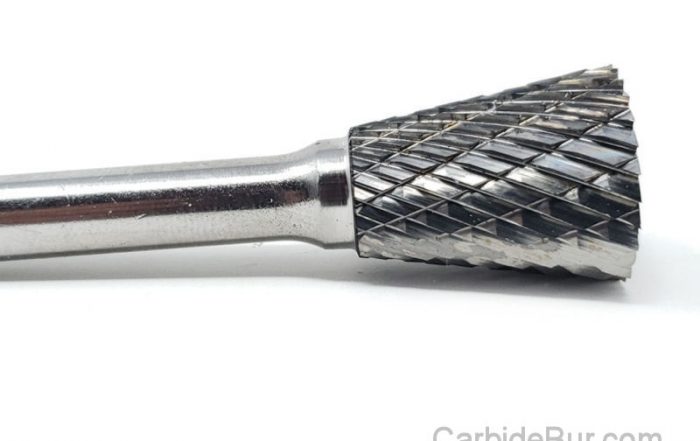
Carbide Burr Safety: 15 Mistakes That Can Cause Injury or Damage
Carbide Burr Safety: 15 Mistakes That Can Cause Injury or Damage Carbide burr safety is often overlooked until a costly mistake happens. Many metalworkers and DIYers make the same errors that lead to injuries or [...]
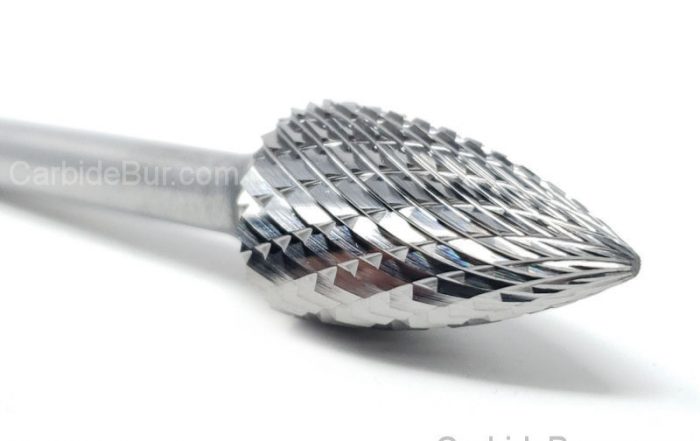
Can You Use a Carbide Burr in a Drill?
Can You Use a Carbide Burr in a Drill? Most people think a standard drill can’t handle a carbide burr, but that’s not true. Using carbide burr in the right drill can speed up your [...]
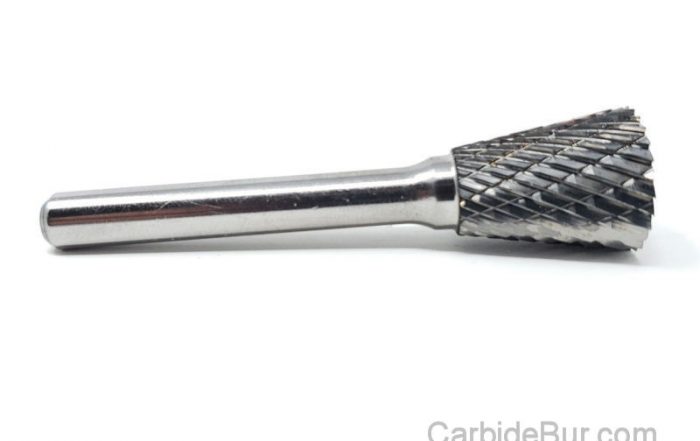
Carbide Burrs for Removing Rust: What Works Best?
Carbide Burrs for Removing Rust: What Works Best? Rust can turn your favorite tools into useless junk faster than you expect. Removing it without ruining the metal underneath takes more than just elbow grease—it demands [...]
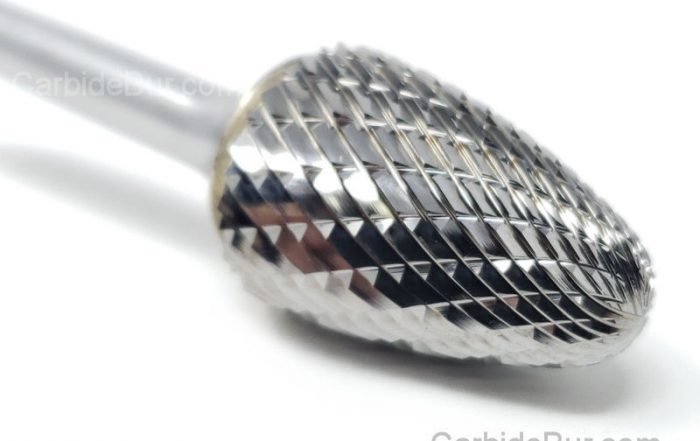
How Much Pressure Should You Use With a Carbide Burr?
How Much Pressure Should You Use With a Carbide Burr? Most people think pressing harder with a carbide burr speeds up the job. That’s not true—too much pressure wears out your tool and ruins the [...]
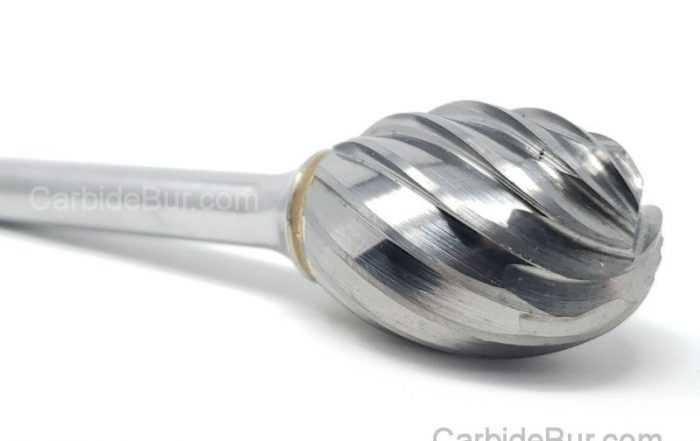
Can You Use Carbide Burrs With an Air Die Grinder?
Can You Use Carbide Burrs With an Air Die Grinder? Most people don’t realize how well carbide burrs work with air die grinders until they try them. If you’ve ever struggled with finding the right [...]
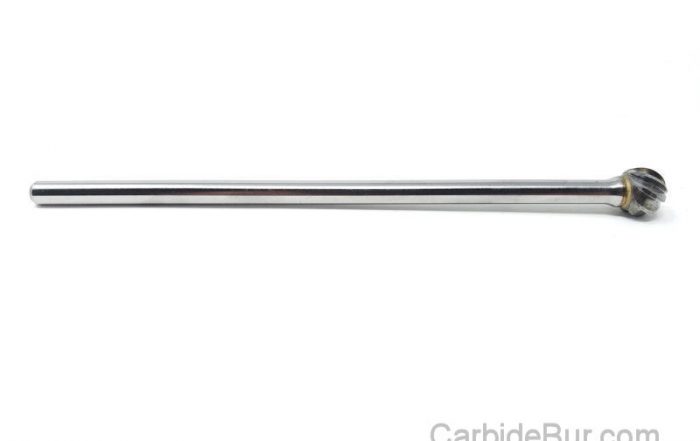
Best Long Reach Carbide Burr for Deep Metal Work
Best Long Reach Carbide Burr for Deep Metal Work Long reach carbide burrs often promise deep metal access, but many fall short where it counts most. You need a tool that cuts cleanly, lasts through [...]
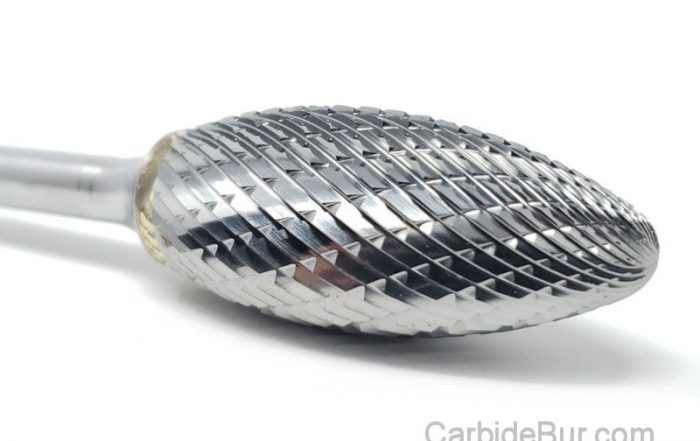
What RPM Should You Use for a 1/8 Inch Carbide Burr?
What RPM Should You Use for a 1/8 Inch Carbide Burr? Most people guess the right carbide burr RPM by feel—and waste hours redoing work. If you want cleaner cuts and longer tool life, your [...]
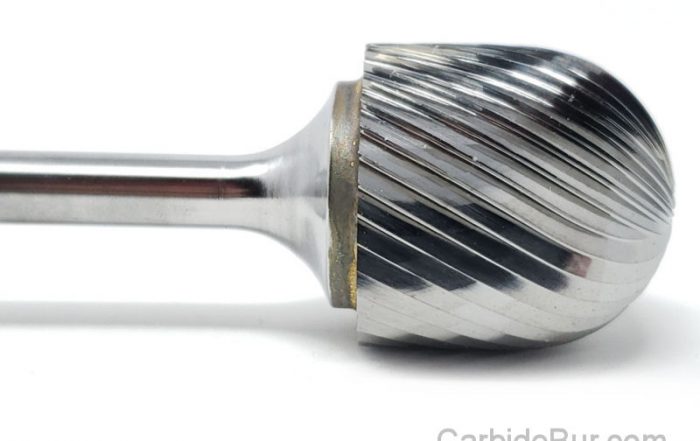
Carbide Burrs for Tight Spaces: Choosing the Right Shape
Carbide Burrs for Tight Spaces: Choosing the Right Shape Tackling tight spaces with the wrong carbide burrs wastes time and risks damaging your work. Choosing the right burr shape makes all the difference when working [...]
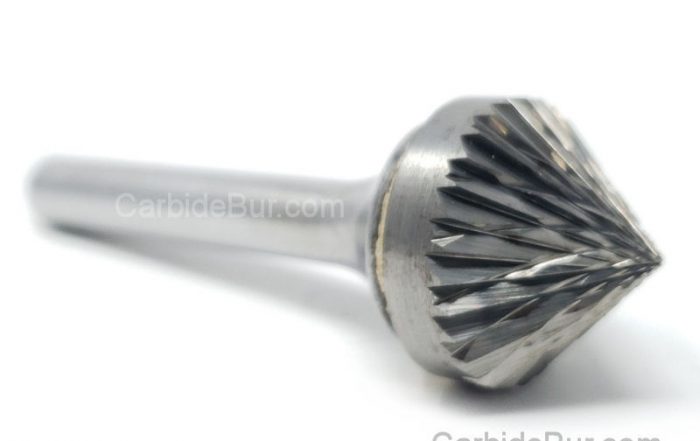
Can Carbide Burrs Remove Paint From Metal?
Can Carbide Burrs Remove Paint From Metal? Stripping paint from metal often feels like a tough chore that risks damaging the surface underneath. Many turn to carbide burrs hoping they can speed things up without [...]
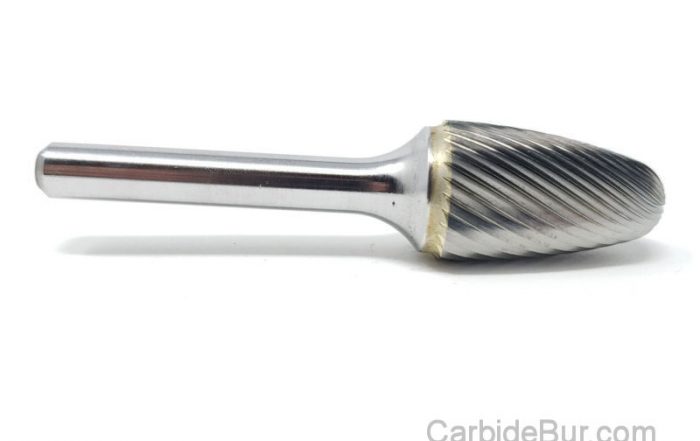
How to Grind a Groove in Metal With a Carbide Burr
How to Grind a Groove in Metal With a Carbide Burr Most metalworkers struggle to cut clean grooves without wasting time or ruining their workpiece. Many try different metalworking tools but end up with uneven [...]
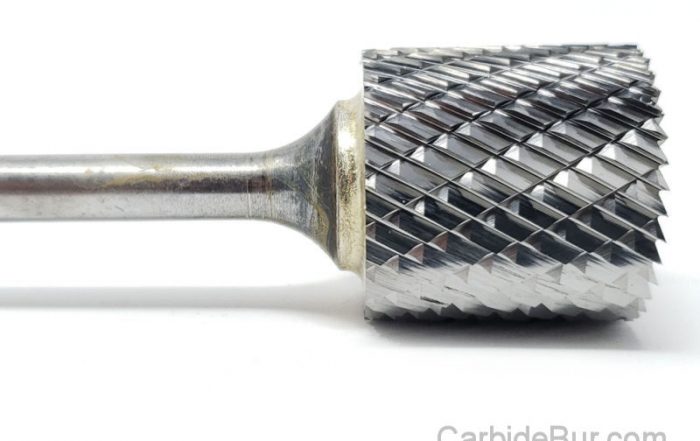
Can Carbide Burrs Cut Through Welds?
Can Carbide Burrs Cut Through Welds? Cutting through welds can feel like a battle, especially when you need clean results without harming the base metal. Carbide burrs offer a sharp edge in this fight, but [...]
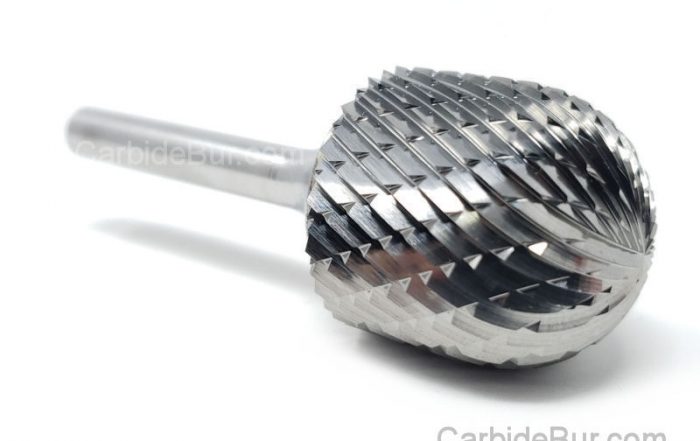
How to Use a Carbide Burr With a Die Grinder
How to Use a Carbide Burr With a Die Grinder Most people treat a carbide burr like just another tool, but using it with a die grinder takes skill. If you’ve struggled with burr installation [...]
