
Mastering Flame Burrs for Slot Cutting: A Locksmith’s Guide to Safe Manipulation
Cutting narrow slots in a safe door without causing damage is a challenge every locksmith faces. Using the right flame burr can make the difference between smooth boltwork access and costly mistakes. This guide breaks down how to pick the best flame burr for slot cutting, the cutting techniques that deliver clean results, and safety precautions to keep your work precise and secure. For more tips on burr selection, you might find this link useful.
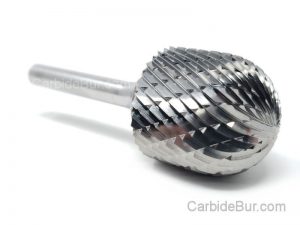
We have the perfect tools you need for safe cracking and manipulation used by professionals
Understanding Flame Burrs
Grasping the role of flame burrs in locksmithing is vital for achieving precision. Let’s delve into the types and uses of these tools, and why selecting the right one matters.
Types of Flame Burrs
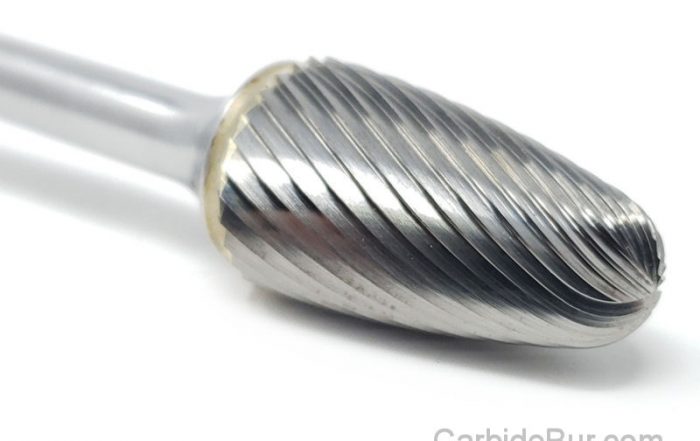
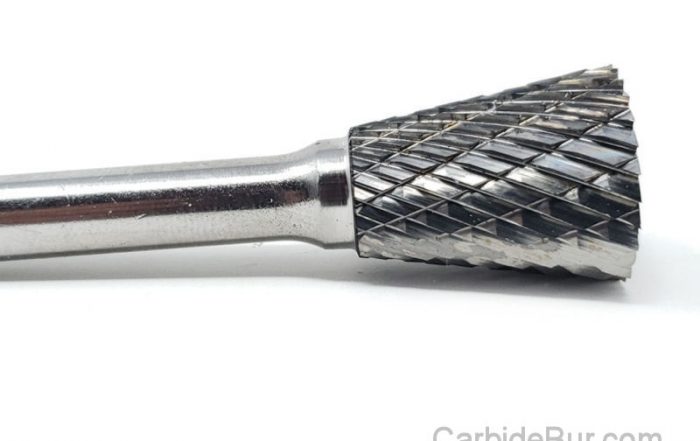
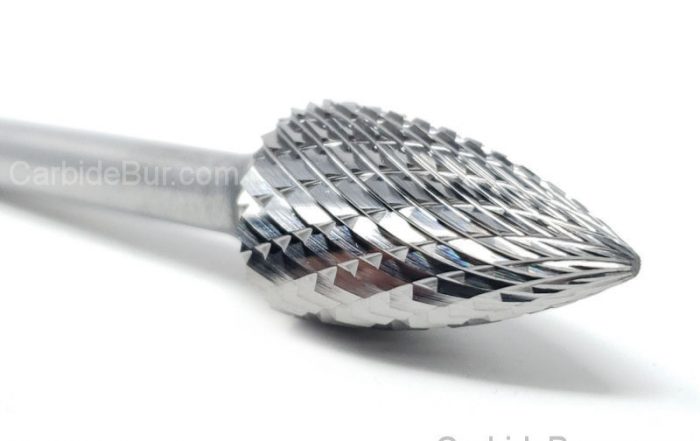
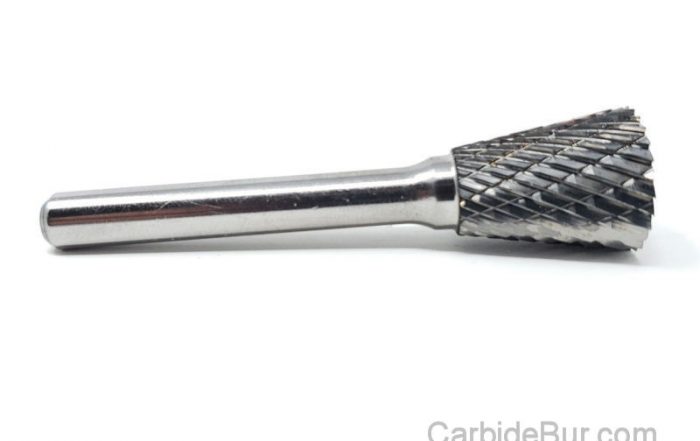
Flame burrs come in different shapes and sizes, designed for specific tasks. You might find standard, double-cut, and single-cut varieties in your toolbox. Each has its unique strength:
-
Standard burrs are versatile, good for general cutting.
-
Double-cut burrs offer a smoother finish and are suitable for tough materials.
-
Single-cut burrs remove material quickly, perfect for soft metals.
Understanding these differences helps you choose the right tool for the job. Discover more about carbide burrs here.
Specific Applications in Locksmithing
In locksmithing, flame burrs are essential for slot cutting. They expose boltwork, allowing manual override of locking systems. The key is precision:
-
Smooth cuts prevent damage to the safe.
-
Exact slots ensure easy access to internal mechanisms.
Your choice of burr directly impacts your success. Learn more about their use in locksmithing from this Reddit discussion.
Importance of Burr Selection
Selecting the correct burr is not just about size but also about the material and design. Why?
-
Right burrs reduce time and effort, saving you from multiple attempts.
-
Wrong burrs can result in costly mistakes, like damaging the safe.
Make informed decisions to ensure efficiency and success in your work.
Safe Manipulation Techniques
Equipped with the right burr, the next step is mastering safe manipulation techniques. This ensures your work is both precise and secure.
Essential Safety Precautions
Safety is paramount when working with flame burrs. Follow these precautions:
-
Wear safety goggles to protect your eyes from metal shavings.
-
Use gloves for better grip and protection.
-
Secure the safe to prevent movement during cutting.
Taking these steps safeguards you and the integrity of the safe.
Achieving Clean and Precise Cuts
Precision is your best ally in slot cutting. Here’s how to achieve it:
-
Steady hand technique: Keep your movements controlled and steady.
-
Correct speed: Adjust the rotary tool’s speed according to the material.
A clean cut not only looks professional but also functions efficiently.
Manual Override and Boltwork Access
Once you achieve a clean cut, accessing the boltwork becomes straightforward. This is where your skill shines:
-
Careful manipulation enables you to override the lock without damage.
-
Smooth operation assures clients of your expertise.
Mastering these techniques enhances your reputation in the field.
Best Practices for Slot Cutting
Now, let’s refine your slot cutting skills with best practices. Your work deserves to be top-notch.
Choosing the Right Burr Size
Size matters! A burr too large can cause trouble, while one too small may not do the job. Here’s the sweet spot:
-
Measure twice, cut once: Ensure the burr fits the slot dimensions.
-
Test on scrap: Practice on a similar material to gauge performance.
Precision in size selection leads to success in slot cutting.
Selecting Appropriate Materials
The material of your burr impacts performance. Here’s a quick guide:
-
Tungsten carbide burrs: Ideal for hard metals.
-
Steel burrs: Good for softer materials like aluminum.
Choosing the right material enhances cutting efficiency. Check out more about flame master burrs here.
Preventing Damage to Safes
Preventing damage is crucial to maintaining the safe’s integrity. Follow these tips:
-
Use lubrication: Reduces friction and heat.
-
Monitor pressure: Apply gentle, even pressure to avoid slips.
These practices ensure the safe remains unharmed, preserving its value and functionality.
Each section of this guide delivers insights and actionable tips, empowering you to excel in slot cutting. Remember, the right tools and techniques make all the difference.
We have the perfect tools you need for safe cracking and manipulation used by professionals

Can You Use a Carbide Burr With an Electric Die Grinder?
Can You Use a Carbide Burr With an Electric Die Grinder? Most people don’t realize how much a carbide burr can change the way an electric die grinder works. Using the right burr type can [...]
How to Deburr Holes With a Carbide Burr
How to Deburr Holes With a Carbide Burr Most people think any tool will do for deburring holes. The truth is, using the right carbide burr with the correct size and shape changes everything. In [...]
How to Choose the Correct Carbide Burr Shank Size
How to Choose the Correct Carbide Burr Shank Size Many machinists lose hours troubleshooting tool issues caused by the wrong carbide burr shank size. Using a shank that doesn’t fit your grinder can lead to [...]
How to Remove Casting Flash With a Carbide Burr
How to Remove Casting Flash With a Carbide Burr Casting flash ruins the look and fit of your metal parts. You’ve tried sanding or grinding, but the results aren’t clean or fast enough. Learning how [...]
Best Carbide Burr for Enlarging a Hole in Metal
Best Carbide Burr for Enlarging a Hole in Metal When you need to enlarge a hole in metal, grabbing the wrong carbide burr can turn a simple task into a frustrating mess. Picking the best [...]
Carbide Burr Safety: 15 Mistakes That Can Cause Injury or Damage
Carbide Burr Safety: 15 Mistakes That Can Cause Injury or Damage Carbide burr safety is often overlooked until a costly mistake happens. Many metalworkers and DIYers make the same errors that lead to injuries or [...]
Can You Use a Carbide Burr in a Drill?
Can You Use a Carbide Burr in a Drill? Most people think a standard drill can’t handle a carbide burr, but that’s not true. Using carbide burr in the right drill can speed up your [...]
Carbide Burrs for Removing Rust: What Works Best?
Carbide Burrs for Removing Rust: What Works Best? Rust can turn your favorite tools into useless junk faster than you expect. Removing it without ruining the metal underneath takes more than just elbow grease—it demands [...]
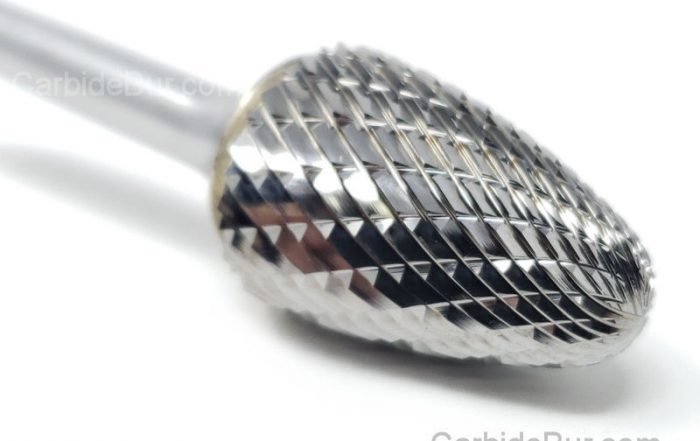
How Much Pressure Should You Use With a Carbide Burr?
How Much Pressure Should You Use With a Carbide Burr? Most people think pressing harder with a carbide burr speeds up the job. That’s not true—too much pressure wears out your tool and ruins the [...]
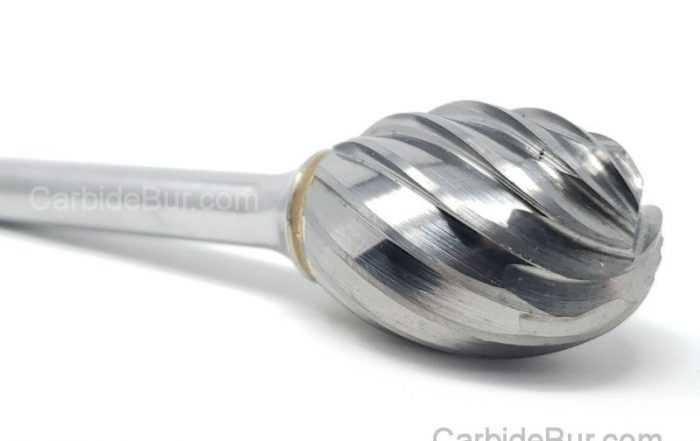
Can You Use Carbide Burrs With an Air Die Grinder?
Can You Use Carbide Burrs With an Air Die Grinder? Most people don’t realize how well carbide burrs work with air die grinders until they try them. If you’ve ever struggled with finding the right [...]
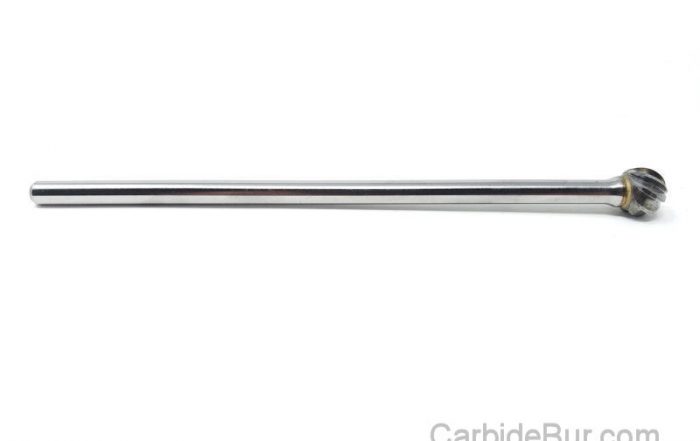
Best Long Reach Carbide Burr for Deep Metal Work
Best Long Reach Carbide Burr for Deep Metal Work Long reach carbide burrs often promise deep metal access, but many fall short where it counts most. You need a tool that cuts cleanly, lasts through [...]
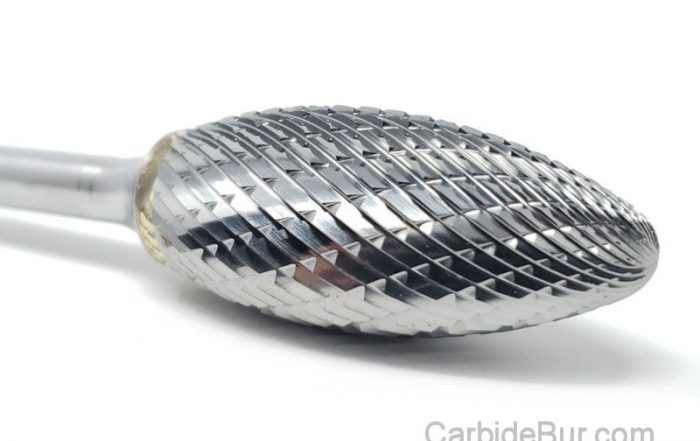
What RPM Should You Use for a 1/8 Inch Carbide Burr?
What RPM Should You Use for a 1/8 Inch Carbide Burr? Most people guess the right carbide burr RPM by feel—and waste hours redoing work. If you want cleaner cuts and longer tool life, your [...]
