
The Art of Clean Finishes: Specialized Techniques Using Carbide Burrs on Aluminum
Messy chips have ruined more aluminum projects than you’d like to admit. Getting crisp, chip-free cutting with carbide burrs isn’t about luck—it’s about using the right burr shapes and cutting speeds for aluminum’s quirks. In this post, you’ll get clear techniques that boost your machining efficiency and leave behind only quality finishes every time. Learn more about these techniques here.
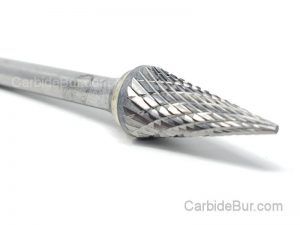
Click here for our entire selection of carbide bur tools
Mastering Carbide Burrs on Aluminum
When working with aluminum, understanding its unique characteristics is key to success. Let’s dive into this topic and explore how to master using carbide burrs for the best results.
Understanding Aluminum’s Unique Properties
Aluminum is softer and more malleable compared to other metals. This makes it prone to clogging when machined. You need to understand its thermal properties, as it can heat up quickly during cutting. Watch for signs of overheating as this can impact the quality of your work.
For instance, when aluminum heats up, it can become sticky, leading to messy chips. This is where carbide burrs shine. They handle heat well and provide cleaner cuts. To learn more about carbide burrs, check out this comprehensive guide.
Selecting the Right Burr Shapes
Choosing the correct burr shape is crucial for effective machining. Different shapes serve different purposes. For instance:
-
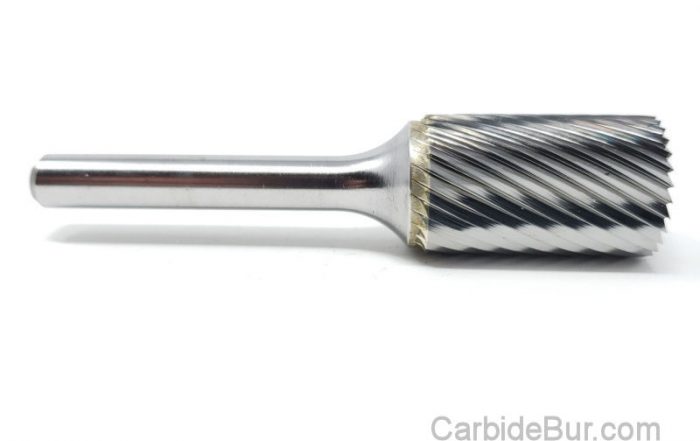
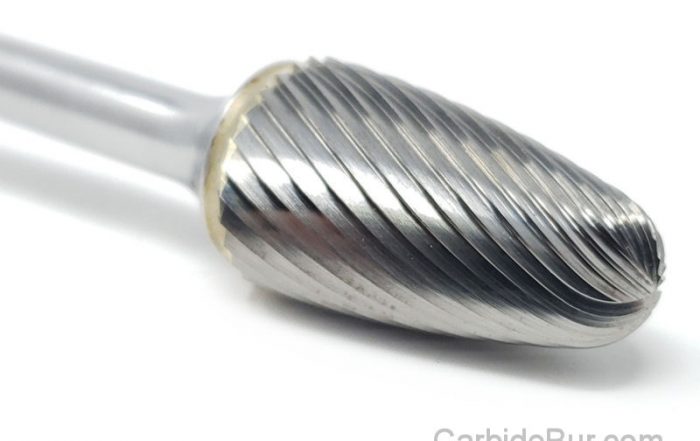
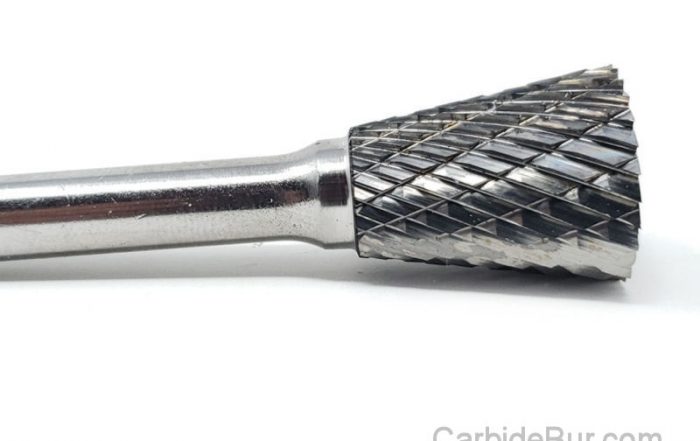
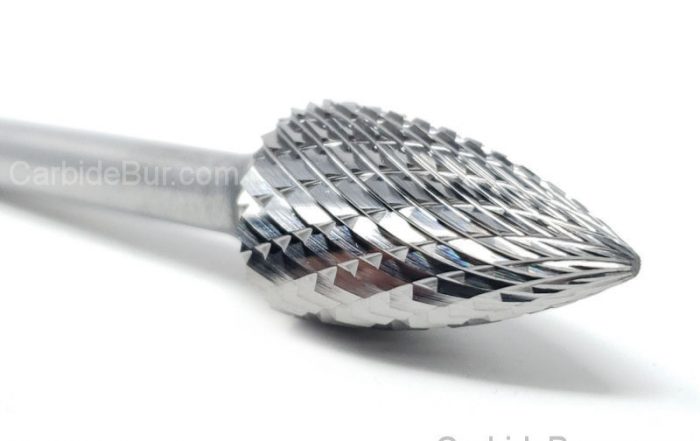
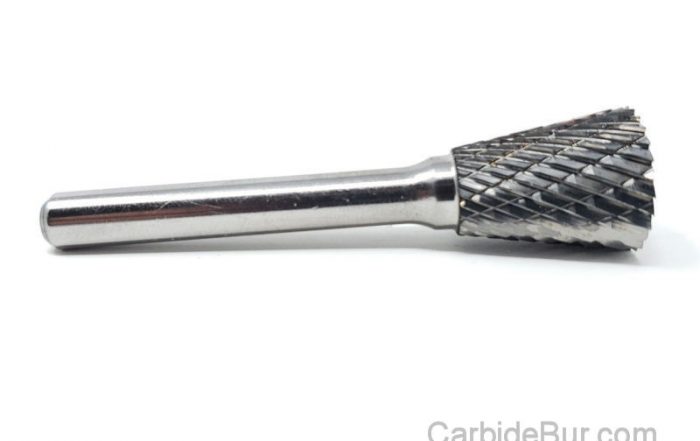
Cylinder Burrs: Great for flat surfaces and contours.
-
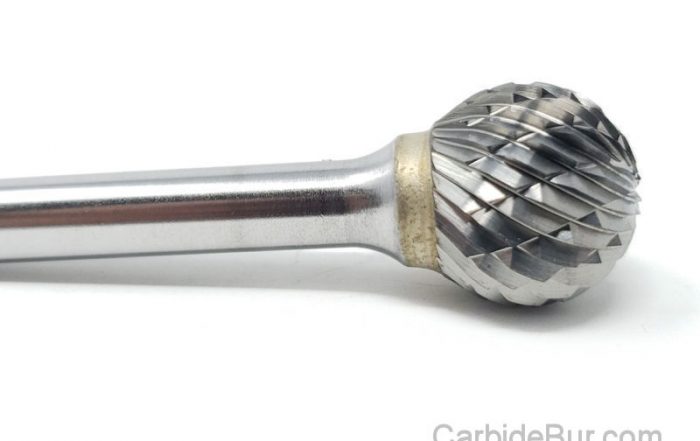
Ball Burrs: Ideal for creating concave cuts.
-
Flame Burrs: Perfect for grinding in tight corners.
Select your burr shape based on the specific task at hand. Not sure where to start? This resource offers a detailed overview of burr shapes for various applications.
Optimizing Cutting Speeds
Speed matters. Too fast, and you risk overheating; too slow, and you might not achieve the desired finish. Finding the sweet spot is a balance.
-
Start Slow: Begin with a lower speed to gauge the material’s reaction.
-
Adjust Accordingly: Gradually increase speed while monitoring heat and chip formation.
Following these steps ensures you don’t compromise the finish quality. For practical tips, don’t miss this insightful article.
Techniques for Chip-Free Cutting
With a firm grasp on aluminum and the right tools, it’s time to explore techniques that ensure a chip-free work environment.
Specialized Cutting Techniques
Specialized techniques can make a significant difference. Try these approaches for cleaner cuts:
-
Use Light Pressure: Helps avoid clogging and maintains control.
-
Frequent Breaks: Allows the material to cool and chips to clear.
-
Proper Angling: Keeps the burr aligned for smoother cuts.
These techniques, when combined, reduce the risk of messy chips. By following them, you can achieve smoother finishes with less effort.
Achieving Quality Finishes
Quality finishes are what set your work apart. The secret lies in patience and precision.
-
Smooth, Consistent Strokes: Ensure even material removal.
-
Regular Inspection: Stop frequently to check your progress and adjust as needed.
Mastering these steps will elevate your projects to a professional standard. For further details on achieving quality finishes, explore this expert advice.
Enhancing Machining Efficiency
Efficiency is not just about speed; it’s about smart working. Here are tips to boost your machining process:
-
Organize Your Workspace: Keep tools within reach to minimize downtime.
-
Regular Maintenance: Ensure burrs are sharp and equipment is clean.
Implementing these strategies will maximize your productivity and improve your overall workflow.
Tools and Equipment for Success
Having the right tools is half the battle. Let’s explore essential equipment for successful machining.
Choosing the Best Carbide Burr Sets
A well-chosen burr set can significantly enhance your work. Look for sets that offer a variety of shapes and sizes. This versatility allows you to tackle different tasks with ease. Consider investing in quality sets to ensure longevity and performance.
Benefits of Tungsten Carbide Burrs
Tungsten carbide burrs are known for their durability and precision. They cut through aluminum effortlessly, providing clean and precise results. The longevity of these burrs means you’ll spend less time replacing tools and more time perfecting your craft.
Utilizing Carbide Rotary Burrs and Die Grinders
Die grinders paired with carbide rotary burrs are a powerful combination. They provide the power needed for heavy-duty tasks while maintaining control for fine details. This versatility makes them essential for any serious machinist.
By mastering these techniques and using the right tools, you can transform your aluminum projects, achieving clean finishes every time. Embrace these strategies, and watch your efficiency soar.
Click here for our entire selection of carbide bur tools

Can You Use a Carbide Burr With an Electric Die Grinder?
Can You Use a Carbide Burr With an Electric Die Grinder? Most people don’t realize how much a carbide burr can change the way an electric die grinder works. Using the right burr type can [...]
How to Deburr Holes With a Carbide Burr
How to Deburr Holes With a Carbide Burr Most people think any tool will do for deburring holes. The truth is, using the right carbide burr with the correct size and shape changes everything. In [...]
How to Choose the Correct Carbide Burr Shank Size
How to Choose the Correct Carbide Burr Shank Size Many machinists lose hours troubleshooting tool issues caused by the wrong carbide burr shank size. Using a shank that doesn’t fit your grinder can lead to [...]
How to Remove Casting Flash With a Carbide Burr
How to Remove Casting Flash With a Carbide Burr Casting flash ruins the look and fit of your metal parts. You’ve tried sanding or grinding, but the results aren’t clean or fast enough. Learning how [...]
Best Carbide Burr for Enlarging a Hole in Metal
Best Carbide Burr for Enlarging a Hole in Metal When you need to enlarge a hole in metal, grabbing the wrong carbide burr can turn a simple task into a frustrating mess. Picking the best [...]
Carbide Burr Safety: 15 Mistakes That Can Cause Injury or Damage
Carbide Burr Safety: 15 Mistakes That Can Cause Injury or Damage Carbide burr safety is often overlooked until a costly mistake happens. Many metalworkers and DIYers make the same errors that lead to injuries or [...]
Can You Use a Carbide Burr in a Drill?
Can You Use a Carbide Burr in a Drill? Most people think a standard drill can’t handle a carbide burr, but that’s not true. Using carbide burr in the right drill can speed up your [...]
Carbide Burrs for Removing Rust: What Works Best?
Carbide Burrs for Removing Rust: What Works Best? Rust can turn your favorite tools into useless junk faster than you expect. Removing it without ruining the metal underneath takes more than just elbow grease—it demands [...]
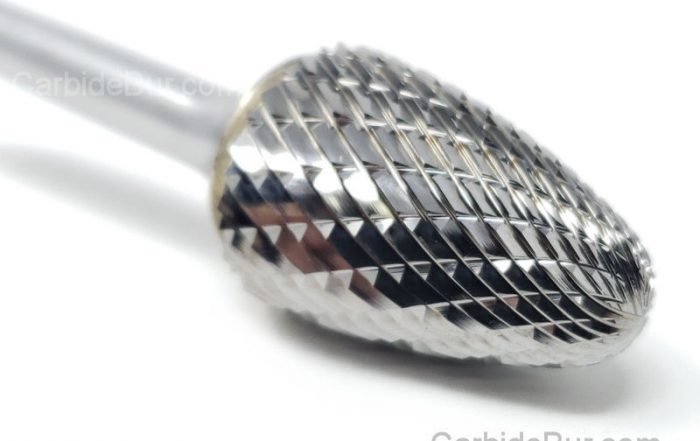
How Much Pressure Should You Use With a Carbide Burr?
How Much Pressure Should You Use With a Carbide Burr? Most people think pressing harder with a carbide burr speeds up the job. That’s not true—too much pressure wears out your tool and ruins the [...]
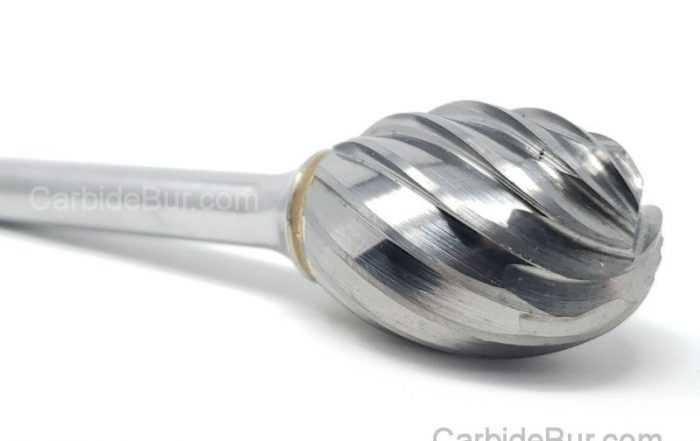
Can You Use Carbide Burrs With an Air Die Grinder?
Can You Use Carbide Burrs With an Air Die Grinder? Most people don’t realize how well carbide burrs work with air die grinders until they try them. If you’ve ever struggled with finding the right [...]
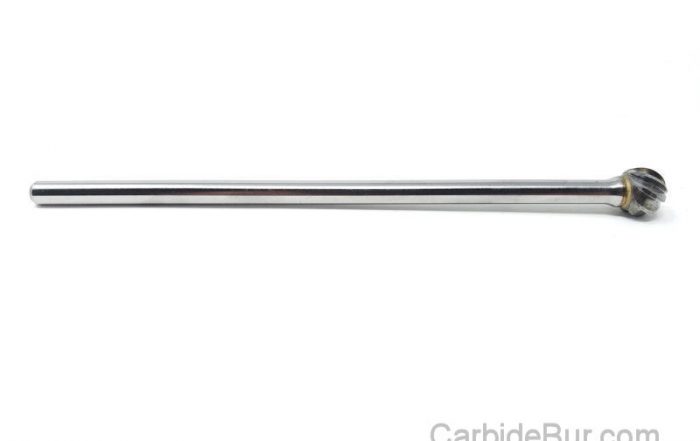
Best Long Reach Carbide Burr for Deep Metal Work
Best Long Reach Carbide Burr for Deep Metal Work Long reach carbide burrs often promise deep metal access, but many fall short where it counts most. You need a tool that cuts cleanly, lasts through [...]
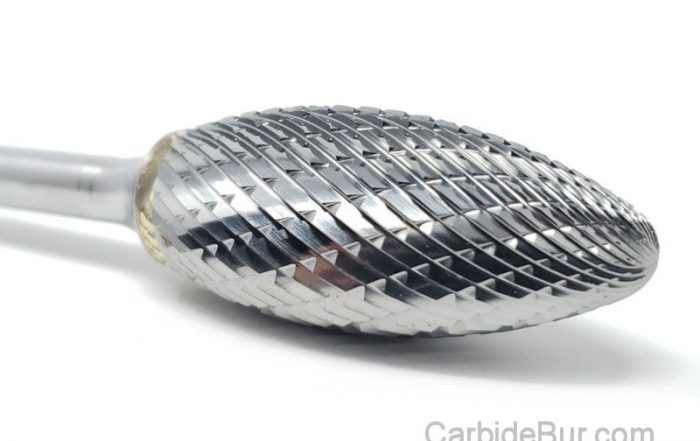
What RPM Should You Use for a 1/8 Inch Carbide Burr?
What RPM Should You Use for a 1/8 Inch Carbide Burr? Most people guess the right carbide burr RPM by feel—and waste hours redoing work. If you want cleaner cuts and longer tool life, your [...]
