
Achieve Optimal Flow with the Right Porting Tools for Cast Iron Heads
Most porting tools struggle when faced with cast iron heads. You’ve probably noticed how quickly some burs overheat or fail to keep airflow smooth. This post breaks down why double-cut and high-helix carbide burs are the best choice for cast iron head porting—and how to prevent overheating while achieving optimal flow. Check out this resource for more information.
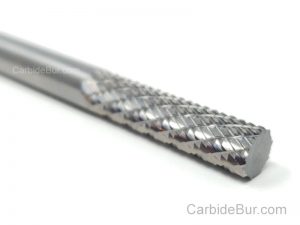
Have you checked out our selection of Carbide Bur Tools?
Understanding Cast Iron Head Porting
When working with cast iron heads, the right tools are essential. They determine your effectiveness and efficiency in achieving a smooth, optimal flow. Let’s explore why carbide burs are your best ally in this task.
Importance of Carbide Burs
Carbide burs are crucial because they cut through cast iron like butter. Their strength and durability make them ideal for tackling tough materials. Unlike other tools, they maintain sharpness over time, ensuring consistency in performance. This is key when precision matters most.
Many think that any bur will do, but carbide burs stand out. They do not just cut; they carve paths that improve airflow. This is essential for enhancing engine performance and longevity. Think of them as the unsung heroes in your toolkit.
Role of Double-Cut Burs
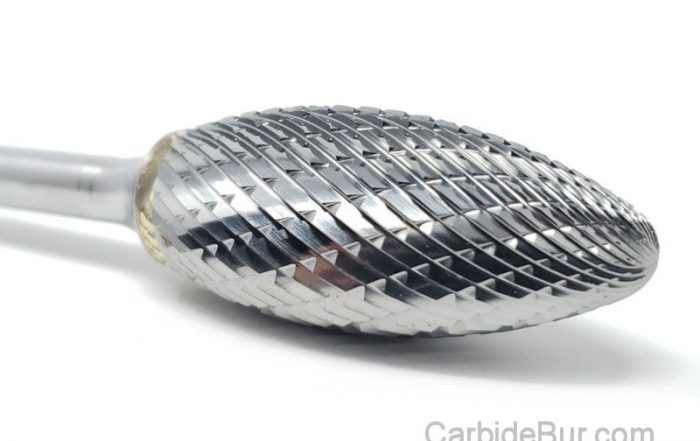
Double-cut burs are designed with cross-cut teeth, offering smoother finishes. This design reduces the chance of chipping and clogging, which are common issues with single-cut burs. If you’ve ever been frustrated by a bur jamming, double-cuts are your solution.
Their unique design also means less vibration. This gives you better control, especially on detailed work. Cutting through cast iron becomes a breeze, allowing you to achieve precision without stress.
Benefits of High-Helix Burs
High-helix burs feature spiraled flutes that excel in removing debris quickly. They help maintain a clean work area, reducing the risk of overheating. This is crucial in maintaining the integrity of cast iron heads.
These burs also enhance the cutting action, making them faster and more efficient. For anyone looking to save time without skimping on quality, high-helix burs are a must-have. Their design ensures you get the job done swiftly and effectively.
Selecting the Right Porting Tools
Now that you understand the importance of carbide burs, choosing the right ones is your next step. Making informed decisions will enhance your outcomes significantly.
Choosing Carbide Burs
When selecting carbide burs, consider the material’s hardness and your tool’s compatibility. Not all burs are created equal, so pick those specifically designed for cast iron. This ensures they won’t wear out quickly, saving you both time and money in the long run.
It’s also essential to check the bur’s size and shape. Different shapes serve different purposes, so identify your needs before purchasing. A well-chosen bur can drastically improve your workflow.
Double-Cut Burs for Cast Iron
For cast iron, double-cut burs are highly recommended. Their cross-cut teeth provide better control and less chatter, which is vital for precision work. If you’re looking to enhance your workflow, double-cut burs should be in your arsenal.
They also help in reducing fatigue, allowing you to work longer without discomfort. This is especially beneficial if you’re tackling large projects. Investing in quality double-cut burs pays off in improved efficiency and output.
High-Helix Burs Advantages
High-helix burs are known for their rapid material removal and reduced load on the tool. They are perfect for projects where time is of the essence. Their unique design ensures that debris is cleared away swiftly, preventing overheating.
These burs are also versatile, making them ideal for various applications. If you’re looking for a tool that adapts to your needs, high-helix burs are the way to go. They promise speed and precision, two things every mechanic cherishes.
Techniques for Optimal Flow
The next step is understanding how to use these tools to achieve optimal flow. Proper technique can make all the difference in performance.
Prevent Overheating Strategies
One of the biggest challenges is preventing overheating. To do this, ensure your burs are sharp and clean. Dull tools generate heat, which can damage your workpiece. Make it a habit to inspect and replace worn burs regularly.
Additionally, consider using cutting fluids. They help cool the burs and reduce friction, extending their lifespan. A simple step that pays dividends in the long run.
Achieving Optimal Flow
Achieving optimal flow requires attention to detail. Focus on smooth transitions and consistent material removal. Use light pressure to avoid gouging the surface. Patience here results in a well-ported head that enhances performance.
For those aiming for perfection, regularly check your work. Small adjustments can lead to significant improvements in flow. Remember, precision is key.
Maintenance of Porting Tools
Maintaining your tools ensures they remain effective. Clean them after each use to prevent buildup, which can affect performance. Store them in a dry, safe place to avoid damage.
Regular maintenance not only extends the life of your tools but also guarantees consistent results. A little effort goes a long way in preserving your investment.
In conclusion, selecting the right tools and techniques can transform your porting experience. By focusing on quality and maintenance, you ensure that your work is always top-notch.
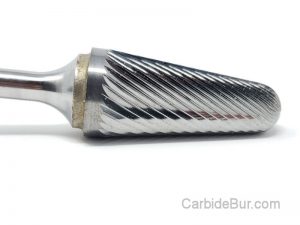
Find more information at CarbideBur.com

Can You Use a Carbide Burr With an Electric Die Grinder?
Can You Use a Carbide Burr With an Electric Die Grinder? Most people don’t realize how much a carbide burr can change the way an electric die grinder works. Using the right burr type can [...]
How to Deburr Holes With a Carbide Burr
How to Deburr Holes With a Carbide Burr Most people think any tool will do for deburring holes. The truth is, using the right carbide burr with the correct size and shape changes everything. In [...]
How to Choose the Correct Carbide Burr Shank Size
How to Choose the Correct Carbide Burr Shank Size Many machinists lose hours troubleshooting tool issues caused by the wrong carbide burr shank size. Using a shank that doesn’t fit your grinder can lead to [...]
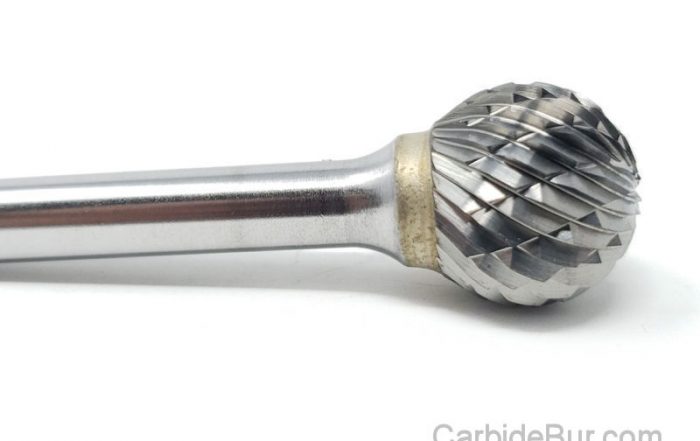
How to Remove Casting Flash With a Carbide Burr
How to Remove Casting Flash With a Carbide Burr Casting flash ruins the look and fit of your metal parts. You’ve tried sanding or grinding, but the results aren’t clean or fast enough. Learning how [...]
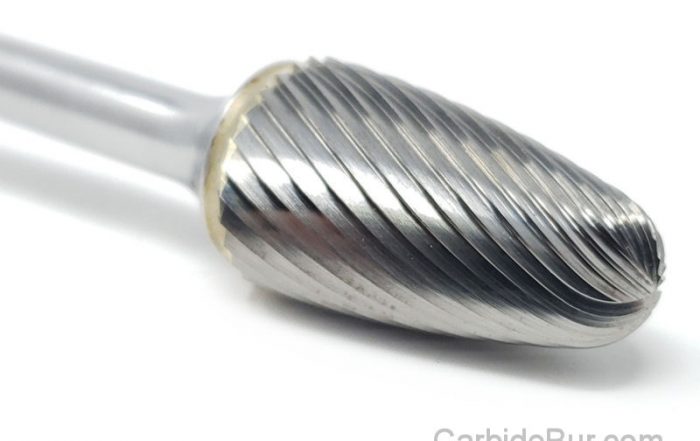
Best Carbide Burr for Enlarging a Hole in Metal
Best Carbide Burr for Enlarging a Hole in Metal When you need to enlarge a hole in metal, grabbing the wrong carbide burr can turn a simple task into a frustrating mess. Picking the best [...]
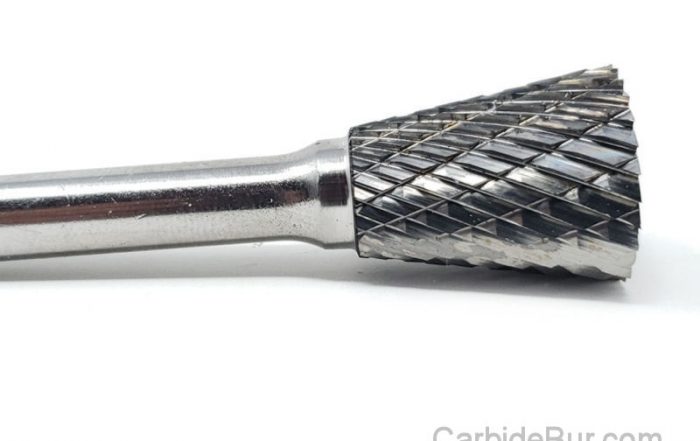
Carbide Burr Safety: 15 Mistakes That Can Cause Injury or Damage
Carbide Burr Safety: 15 Mistakes That Can Cause Injury or Damage Carbide burr safety is often overlooked until a costly mistake happens. Many metalworkers and DIYers make the same errors that lead to injuries or [...]
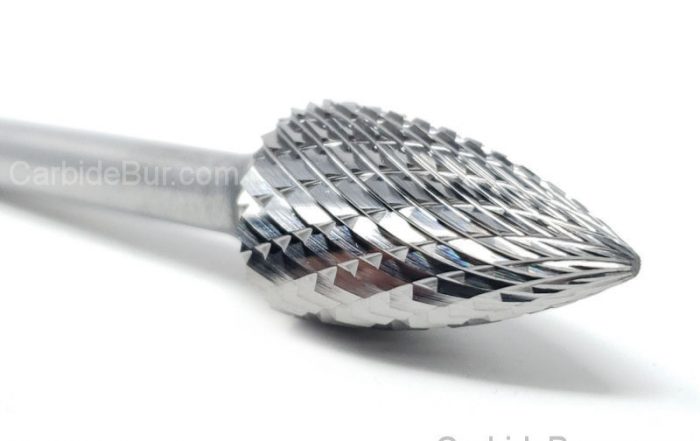
Can You Use a Carbide Burr in a Drill?
Can You Use a Carbide Burr in a Drill? Most people think a standard drill can’t handle a carbide burr, but that’s not true. Using carbide burr in the right drill can speed up your [...]
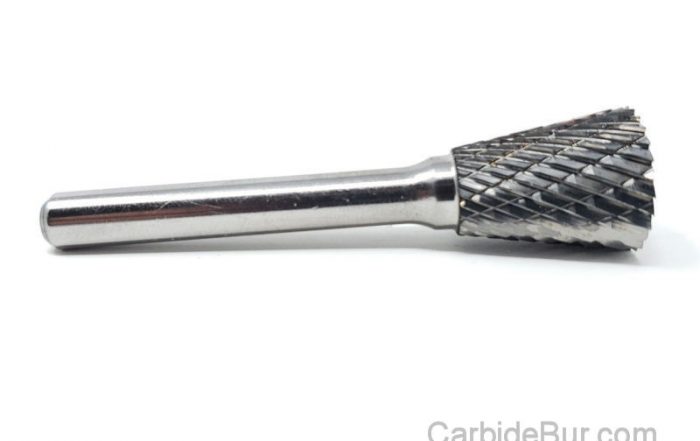
Carbide Burrs for Removing Rust: What Works Best?
Carbide Burrs for Removing Rust: What Works Best? Rust can turn your favorite tools into useless junk faster than you expect. Removing it without ruining the metal underneath takes more than just elbow grease—it demands [...]
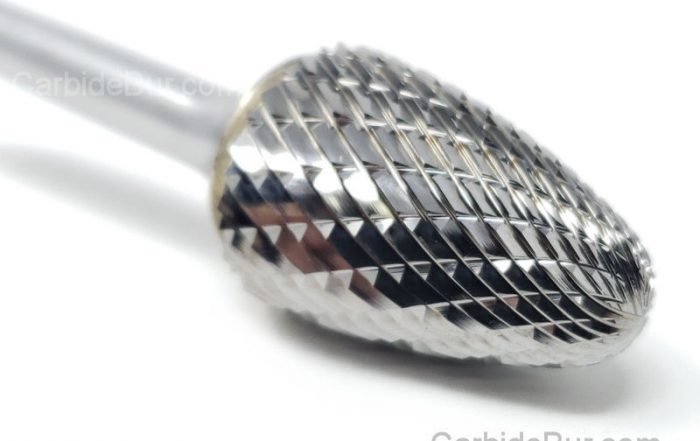
How Much Pressure Should You Use With a Carbide Burr?
How Much Pressure Should You Use With a Carbide Burr? Most people think pressing harder with a carbide burr speeds up the job. That’s not true—too much pressure wears out your tool and ruins the [...]
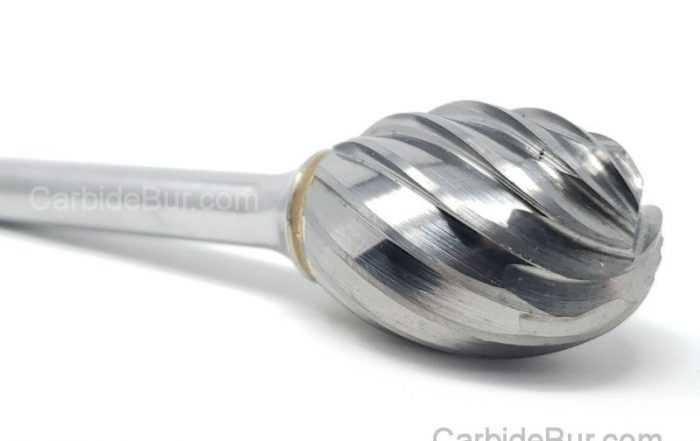
Can You Use Carbide Burrs With an Air Die Grinder?
Can You Use Carbide Burrs With an Air Die Grinder? Most people don’t realize how well carbide burrs work with air die grinders until they try them. If you’ve ever struggled with finding the right [...]
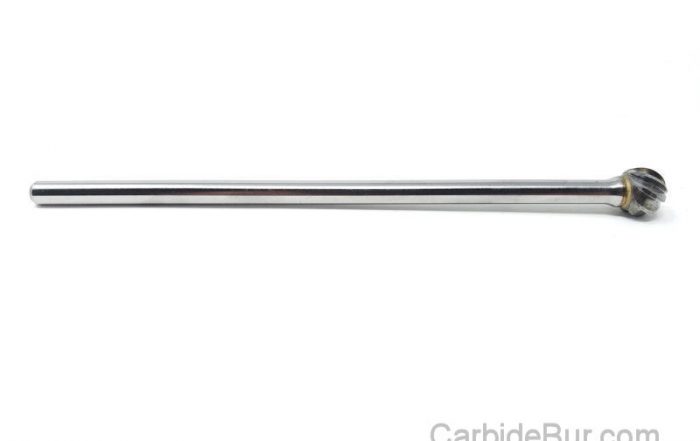
Best Long Reach Carbide Burr for Deep Metal Work
Best Long Reach Carbide Burr for Deep Metal Work Long reach carbide burrs often promise deep metal access, but many fall short where it counts most. You need a tool that cuts cleanly, lasts through [...]
What RPM Should You Use for a 1/8 Inch Carbide Burr?
What RPM Should You Use for a 1/8 Inch Carbide Burr? Most people guess the right carbide burr RPM by feel—and waste hours redoing work. If you want cleaner cuts and longer tool life, your [...]
