
DIY Engine Modifications Explained: Step-by-Step Porting Cylinder Heads for Novices
Most people think porting cylinder heads requires pricey tools and expert skills. You don’t need a pro shop to boost your engine’s airflow. This beginner guide uses simple carbide burs and basic porting techniques anyone can follow to improve airflow safely at home. Keep reading to learn how to get started on your own DIY engine modifications without extra hassle. For more information, check out this beginner’s guide to porting and polishing.
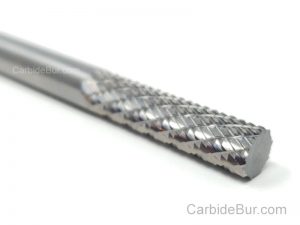
Have you checked out our selection of Carbide Bur Tools?
Getting Started with Safety Gear
Before diving into porting cylinder heads, gather the right safety gear. Protecting yourself is as crucial as working on your engine. Let’s explore the essentials to keep you safe while you improve airflow.
Essential Safety Equipment
Safety should be your top priority when working on DIY engine modifications. Here’s what you’ll need:
-
Safety goggles: Protect your eyes from metal shavings and debris.
-
Dust mask: Keep harmful particles out of your lungs.
-
Ear protection: Power tools can get loud, so shield your hearing.
-
Gloves: Prevent cuts and improve grip.
Wearing safety gear prevents accidents and ensures a smooth process. Make sure your equipment fits well and is in good condition. Remember, the right gear not only helps you work better but also keeps you safe.
Preparing Your Workspace
A well-organized workspace makes porting cylinder heads easier and safer. Create a space that’s both practical and comfortable. Here’s how:
-
Clear clutter: Ensure you have enough room to move around.
-
Good lighting: Proper illumination helps you see details clearly.
-
Ventilation: Keep the area well-ventilated to prevent inhaling dust.
Set up a space where everything is within reach. This setup not only boosts productivity but also minimizes distractions. For more tips, check out this SA-Motorsports guide on porting.
Selecting the Right Carbide Burs
Choosing the right carbide burs is crucial for effective porting. The right tools make all the difference in achieving precise results. Let’s break down the options available.
Types of Carbide Burs
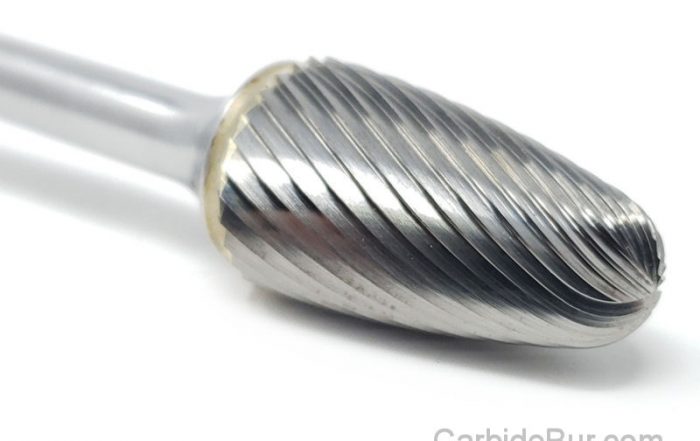
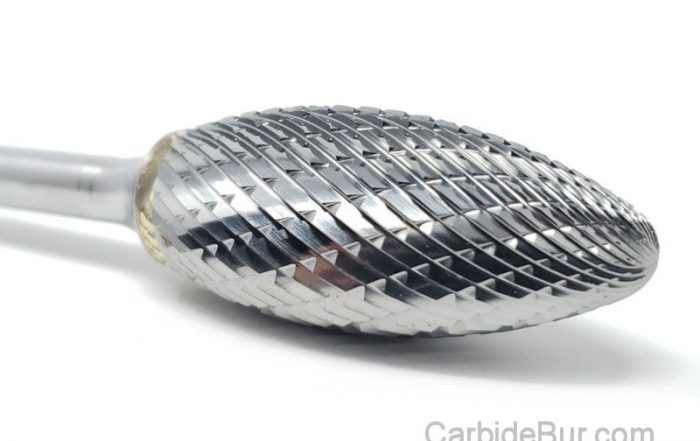
Carbide burs come in various shapes and sizes, each designed for specific tasks. Here are the main types:
-
Cylinder shape: Ideal for flat surfaces and sharp angles.
-
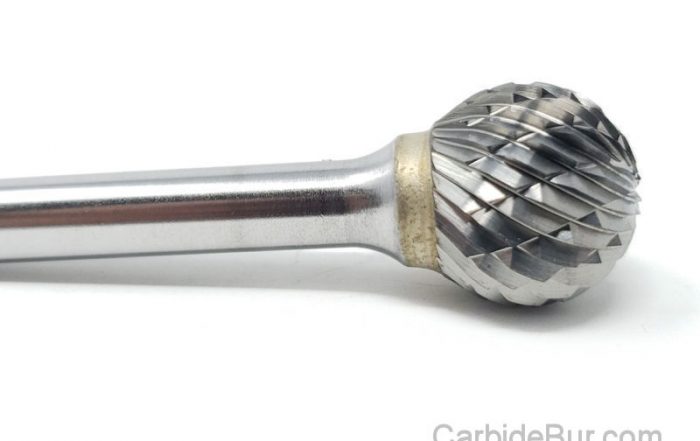
Ball shape: Perfect for rounding and smoothing.
-
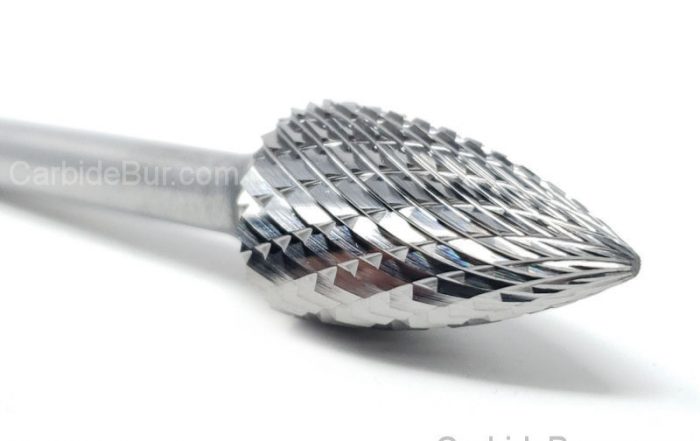
Tree shape: Great for tight spaces and hard-to-reach areas.
Understanding these shapes helps you select the right tool for each job. Use this knowledge to tackle different parts of the cylinder head with confidence.
Choosing the Best Bur for Your Project
Selecting the right bur depends on your specific needs. Consider the material you’re working with and the desired outcome. Here’s a simple guide:
-
For aluminum: Go with a double-cut bur for smoother finishes.
-
For cast iron: Use a single-cut bur for fast material removal.
Assess your project and match the bur to the material. This choice impacts the effectiveness and quality of your work. Explore Hot Rod’s guide to porting for more insights.
Basic Porting Techniques
With your safety gear and tools ready, it’s time to start porting. Understanding the basic techniques is key to enhancing your engine’s performance. Let’s get started!
Step-by-Step Beginner Guide
Porting cylinder heads might seem daunting, but breaking it down simplifies the process. Follow these steps:
-
Mark your areas: Use a marker to outline sections you plan to modify.
-
Remove material carefully: Gradually grind away material, checking progress frequently.
-
Smooth the surface: Use finer burs to achieve a polished finish.
These steps help you navigate the process with ease. Take your time and don’t rush, as precision is more important than speed.
Tips to Improve Airflow
Improving airflow is the main goal of porting. These tips ensure you get the best results:
-
Focus on intake and exhaust ports: Enhancing these areas boosts overall performance.
-
Avoid over-removal: Removing too much material can weaken the structure.
-
Regularly test-fit components: Ensure everything aligns correctly.
Remember, small adjustments can lead to significant improvements. Keep experimenting and learning as you go. For more practical advice, check out this DIY porting guide on Facebook.
By following this beginner guide, you’re on your way to mastering porting cylinder heads. The process may require practice, but the rewards are worth it. With patience and the right approach, you’ll enhance your engine’s performance in no time.
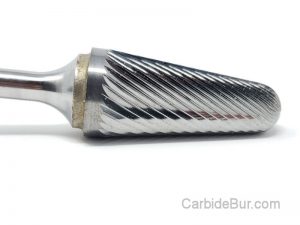
Find more information at CarbideBur.com

Can You Use a Carbide Burr With an Electric Die Grinder?
Can You Use a Carbide Burr With an Electric Die Grinder? Most people don’t realize how much a carbide burr can change the way an electric die grinder works. Using the right burr type can [...]
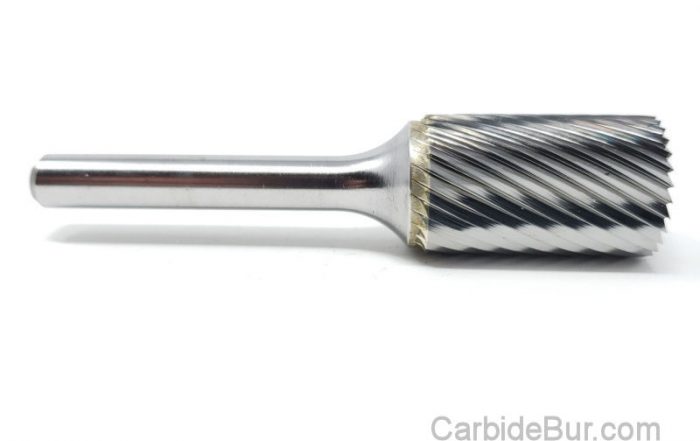
How to Deburr Holes With a Carbide Burr
How to Deburr Holes With a Carbide Burr Most people think any tool will do for deburring holes. The truth is, using the right carbide burr with the correct size and shape changes everything. In [...]
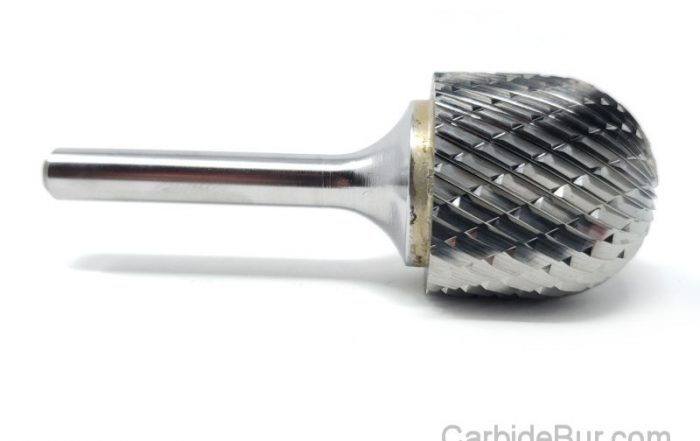
How to Choose the Correct Carbide Burr Shank Size
How to Choose the Correct Carbide Burr Shank Size Many machinists lose hours troubleshooting tool issues caused by the wrong carbide burr shank size. Using a shank that doesn’t fit your grinder can lead to [...]
How to Remove Casting Flash With a Carbide Burr
How to Remove Casting Flash With a Carbide Burr Casting flash ruins the look and fit of your metal parts. You’ve tried sanding or grinding, but the results aren’t clean or fast enough. Learning how [...]
Best Carbide Burr for Enlarging a Hole in Metal
Best Carbide Burr for Enlarging a Hole in Metal When you need to enlarge a hole in metal, grabbing the wrong carbide burr can turn a simple task into a frustrating mess. Picking the best [...]
Carbide Burr Safety: 15 Mistakes That Can Cause Injury or Damage
Carbide Burr Safety: 15 Mistakes That Can Cause Injury or Damage Carbide burr safety is often overlooked until a costly mistake happens. Many metalworkers and DIYers make the same errors that lead to injuries or [...]
Can You Use a Carbide Burr in a Drill?
Can You Use a Carbide Burr in a Drill? Most people think a standard drill can’t handle a carbide burr, but that’s not true. Using carbide burr in the right drill can speed up your [...]
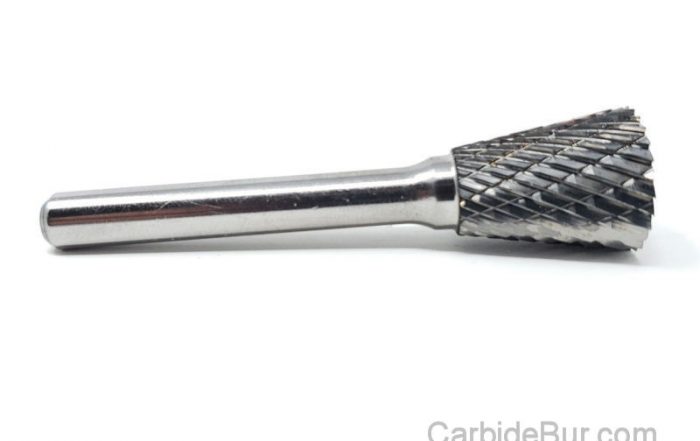
Carbide Burrs for Removing Rust: What Works Best?
Carbide Burrs for Removing Rust: What Works Best? Rust can turn your favorite tools into useless junk faster than you expect. Removing it without ruining the metal underneath takes more than just elbow grease—it demands [...]
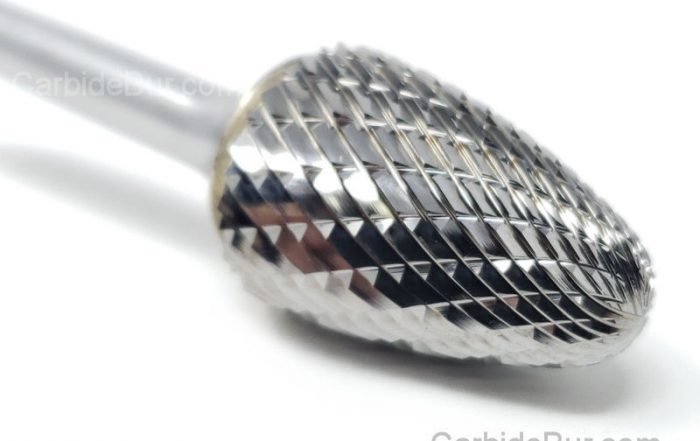
How Much Pressure Should You Use With a Carbide Burr?
How Much Pressure Should You Use With a Carbide Burr? Most people think pressing harder with a carbide burr speeds up the job. That’s not true—too much pressure wears out your tool and ruins the [...]
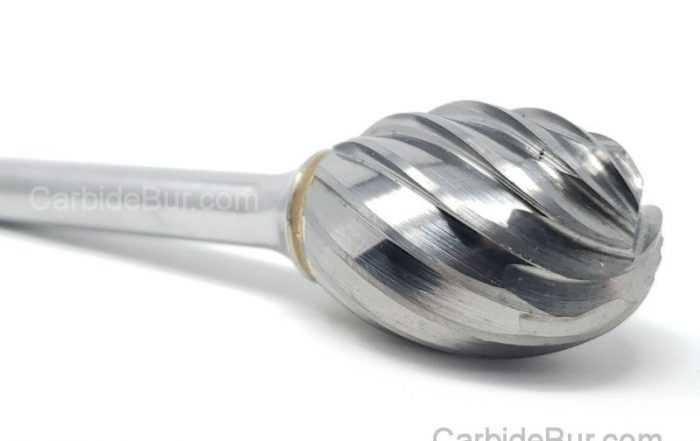
Can You Use Carbide Burrs With an Air Die Grinder?
Can You Use Carbide Burrs With an Air Die Grinder? Most people don’t realize how well carbide burrs work with air die grinders until they try them. If you’ve ever struggled with finding the right [...]
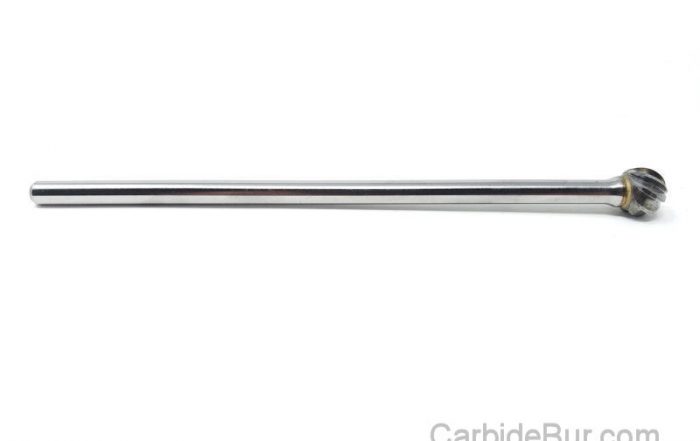
Best Long Reach Carbide Burr for Deep Metal Work
Best Long Reach Carbide Burr for Deep Metal Work Long reach carbide burrs often promise deep metal access, but many fall short where it counts most. You need a tool that cuts cleanly, lasts through [...]
What RPM Should You Use for a 1/8 Inch Carbide Burr?
What RPM Should You Use for a 1/8 Inch Carbide Burr? Most people guess the right carbide burr RPM by feel—and waste hours redoing work. If you want cleaner cuts and longer tool life, your [...]
