What Size Carbide Burr Do I Need?
Picking the wrong carbide burr can turn a simple project into a frustrating mess. You might have the best machining tools but still miss the mark if your burr size doesn’t match your task. This guide on what size carbide burr do I need breaks down how to match burr size to your material and precision needs, so you get cleaner cuts without wasted effort. Keep reading to sharpen your skills and get the right tool for every job. For more insights, check out this link.

Understanding Carbide Burrs
Carbide burrs are essential in machining, offering versatility for various materials. But how do they work, and why is size so important?
Basics of Carbide Burrs
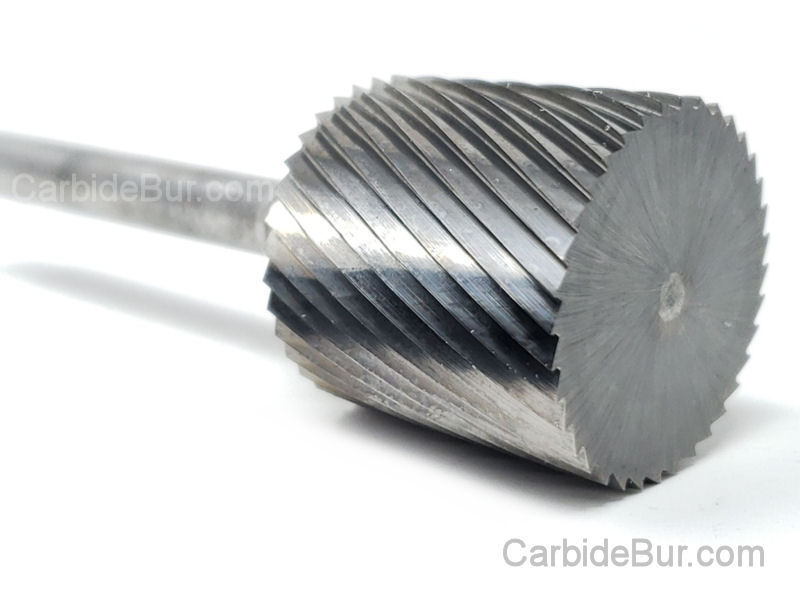
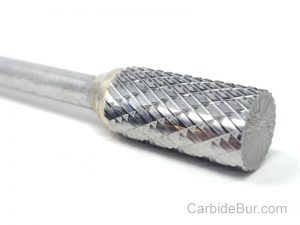
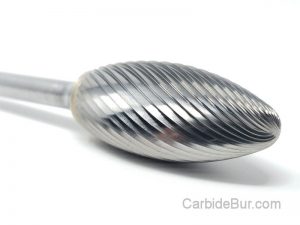
Carbide burrs are rotary files used to cut, shape, and remove material. They are made of tungsten carbide, known for its hardness and durability. These tools come in different shapes and sizes, each designed for specific tasks. When you’re working on a project, selecting the right burr ensures smoother cuts and extends the lifespan of your tools.
Key Applications for Burrs
You might wonder where these burrs come into play. They’re ideal for shaping metal, wood, and other hard materials. From deburring metal edges to carving intricate designs in wood, carbide burrs are invaluable. Choosing the right one can simplify tasks, saving you time and effort. For a broader perspective on their versatility, visit this guide.
Importance of Burr Size Selection
Selecting the correct size is crucial. A mismatch can lead to poor performance or tool damage. With the right size, you achieve precision without overexerting your machinery. This choice impacts not just the results but also the safety of your operations.
Factors Influencing Burr Selection
Choosing a carbide burr involves more than just picking a size. Consider the material, the precision needed, and the project details to make an informed choice.
Material Type Considerations
Different materials require different burrs. Metal burrs, for instance, are designed to handle tougher surfaces, while wood burrs are suited for softer, more pliable materials. Understanding your material’s properties helps in selecting the perfect burr.
Precision Requirements
Precision is key. If your project demands intricate details, a smaller burr might be necessary. This allows for careful maneuvering and finer cuts. Conversely, larger burrs are suitable for more significant material removal and shaping tasks.
Project Specifics and Details
Every project is unique. Consider the specific requirements, such as the depth of cuts and the angle of operation. This ensures your burr works efficiently, preventing unnecessary wear and tear on both the tool and the material.
Types of Carbide Burrs
Knowing the types of burrs available can help in making informed decisions. Each type serves a distinct purpose, depending on the material and task.
Burrs for Metal
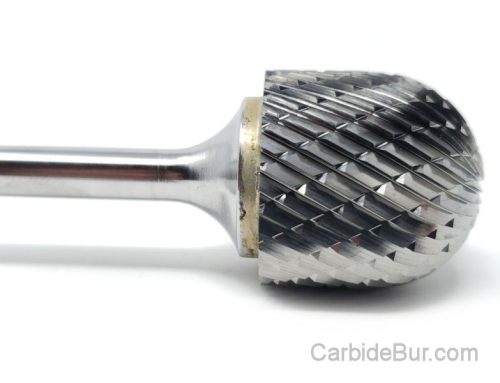
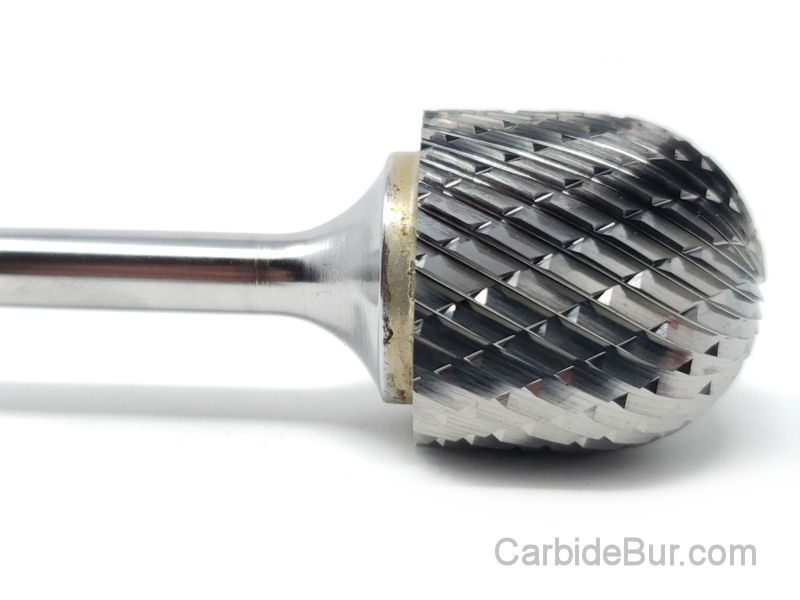
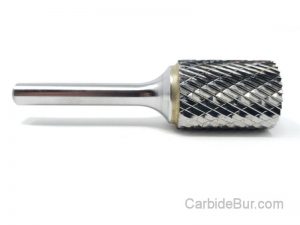
Metal burrs are robust, designed to handle materials like steel and aluminum. They often feature a cross-cut pattern for smoother finishes. For those working with stainless steel, this guide provides valuable insights.
Burrs for Wood
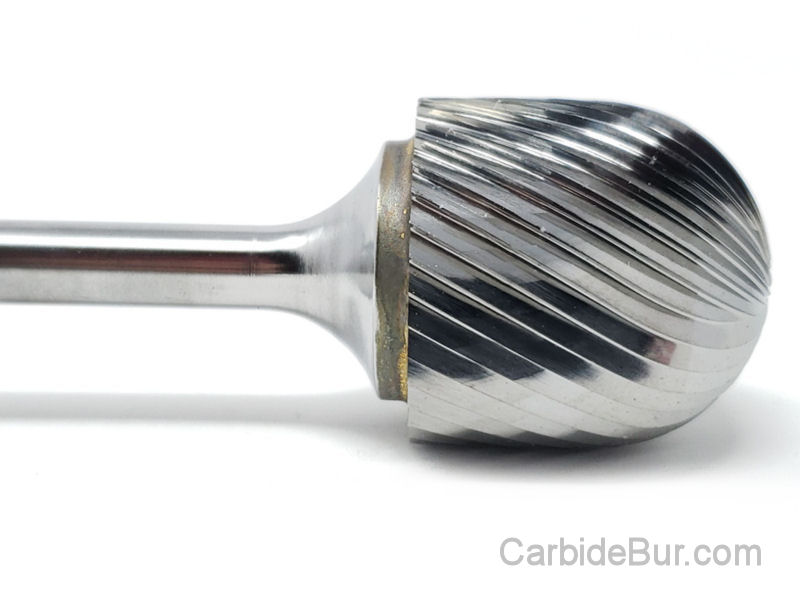
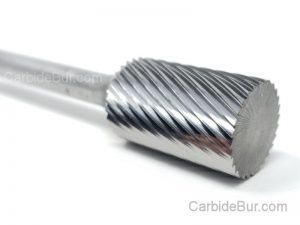
Wood burrs are crafted for softer materials. They typically have a single cut design, allowing for clean, precise cuts without causing splintering. This makes them ideal for woodworking projects that require delicate craftsmanship.
Specialty Burrs for Unique Tasks
Some tasks require specialty burrs. These are crafted for unique applications like engraving or bolt cutting. They offer solutions for tasks that standard burrs might not handle efficiently. Discover more about these specialty tools here.
Choosing the Right Burr Size
Selecting the right burr size is an art. It involves understanding your project needs and matching them with the available options.
How to Choose Carbide Burrs
First, identify your project’s material and precision needs. Then, match the burr size to these requirements. Smaller burrs offer detailed work, while larger ones handle more extensive tasks efficiently. This choice ensures optimal performance and results.
Tips for Precision Grinding
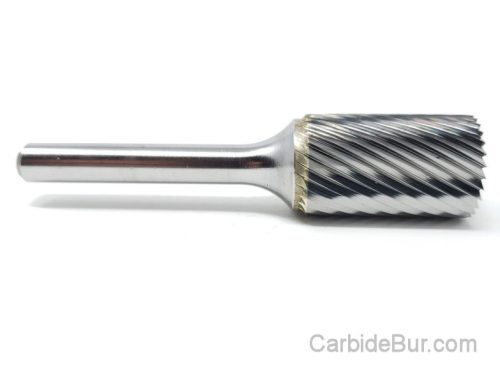
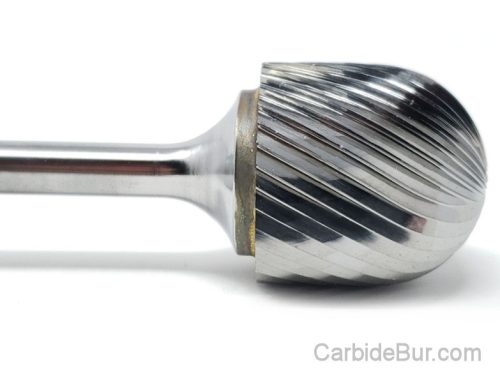
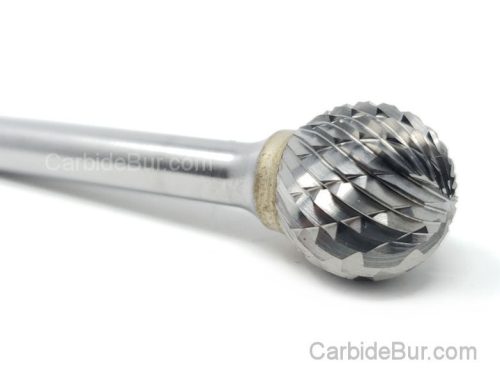
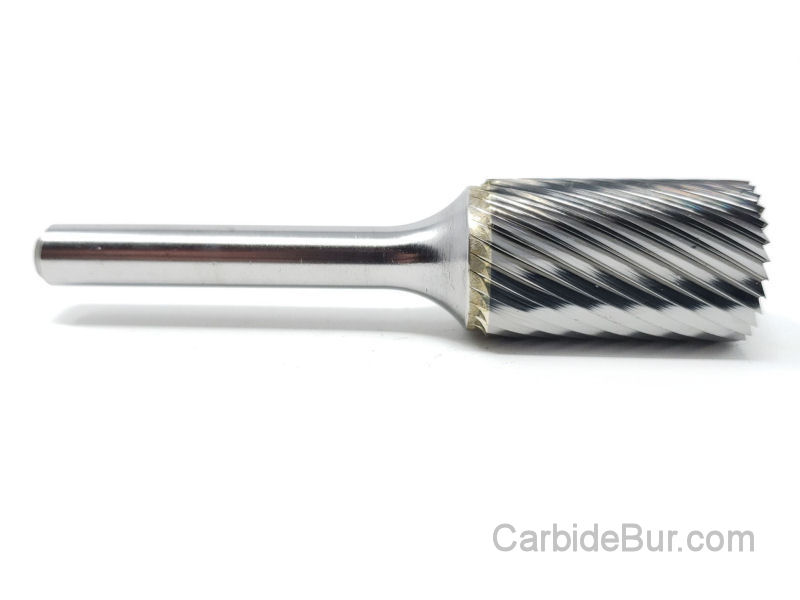
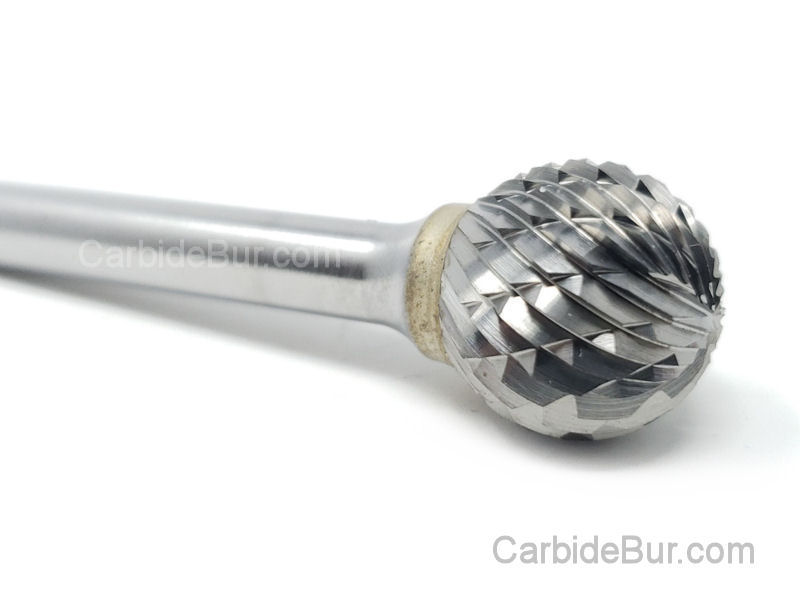
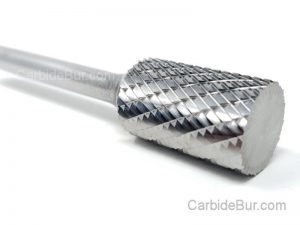
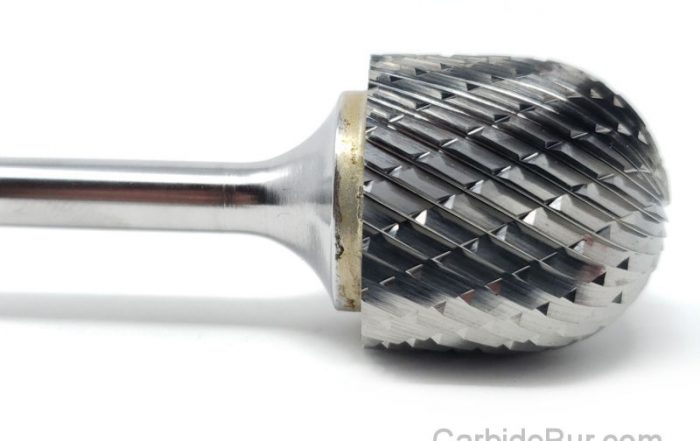
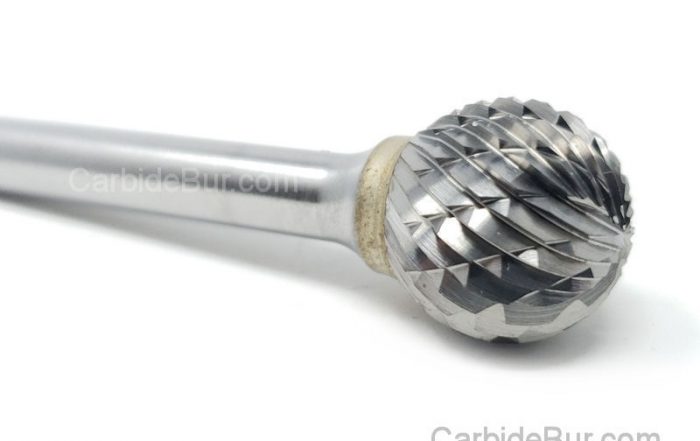
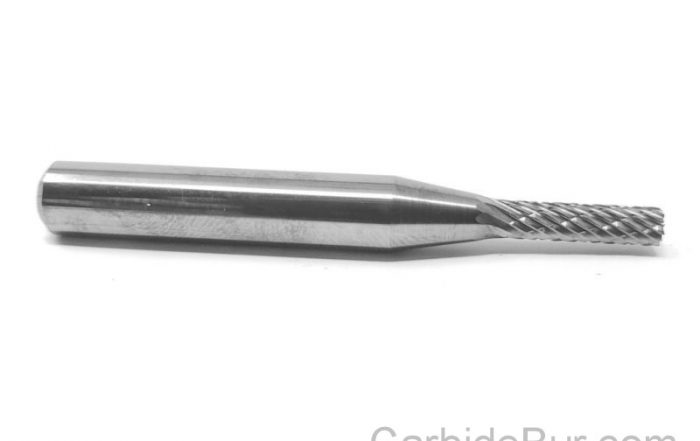
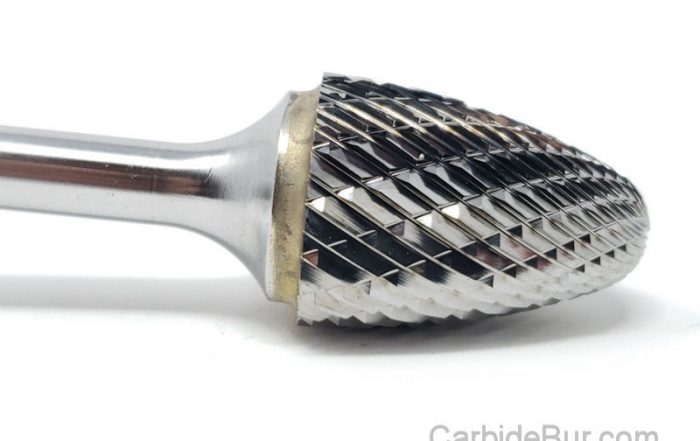
For precision grinding, consider the shape and size of the burr. Round burrs work well for concave surfaces, while cylindrical ones are better for flat areas. This knowledge helps in achieving the desired outcome with minimal effort.
Common Mistakes to Avoid
Avoid using the wrong burr size or type, as this can lead to unsatisfactory results or tool damage. Another mistake is neglecting maintenance, which can reduce tool efficiency. Regular checks and proper storage extend the life of your burrs.
Maximizing Performance with Burrs
To get the most out of your carbide burrs, integrate them effectively with your machining tools, ensure proper maintenance, and aim to enhance your machining results.
Optimizing Machining Tools
Ensure your machining tools are calibrated for the burrs you use. Proper alignment and speed settings can prevent tool wear and improve performance. Always adjust your tools to match the burr specifications.
Maintenance of Carbide Cutting Tools
Regular maintenance is essential. Clean burrs after use and store them in a dry place. This prevents rust and maintains their sharpness, ensuring they deliver consistent results every time.
Enhancing Results in Machining Tasks
Focus on technique. Using the correct speed and pressure enhances the burr’s performance, leading to cleaner, more precise cuts. Experiment with different approaches to find what works best for your projects.
Frequently Asked Questions
What size carbide burr should I use for detailed wood carving?
For detailed wood carving, a smaller burr is best. It allows for precision and control, making intricate designs easier to achieve.
Can I use metal burrs on wood projects?
While possible, it’s not recommended. Metal burrs can be too aggressive on wood, potentially causing splintering. It’s better to use burrs designed for wood.
How do I prevent my burrs from getting dull quickly?
To prevent dullness, use the correct speed and pressure. Also, clean and store your burrs properly after each use to maintain their sharpness.
What is the best way to clean carbide burrs?
After use, clean burrs with a brush to remove debris. For stubborn residue, use a solvent. Ensure they are dry before storing.
Why is choosing the right burr size important?
Selecting the right size ensures efficient material removal and precision. It also helps in prolonging the life of your tools and achieving the desired results.
Looking for Carbide Bur Tools?
Check out our entire selection of USA made carbide bur die grinder tool bits
Follow us on Twitter

Return to CarbideBur.com
Carbide Burs – 1/4″ on 1/8″ Shanks – Accessories – Aluminum Cut – Bur Sets – End Mills – Long Shank – Solid Burs
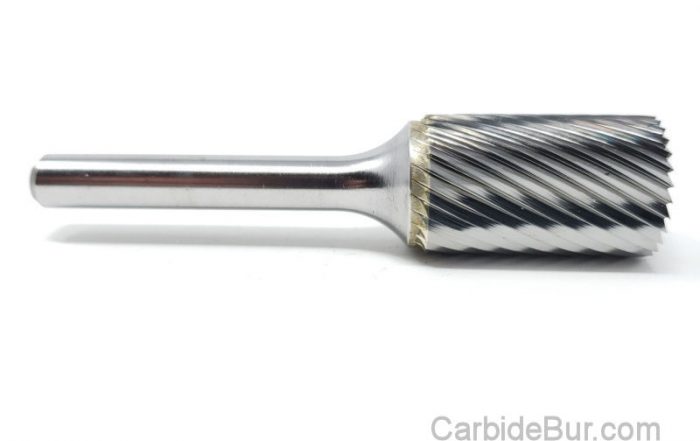
Carbide Burr Shapes Explained: Cylindrical, Ball, Oval, and Tree Burrs
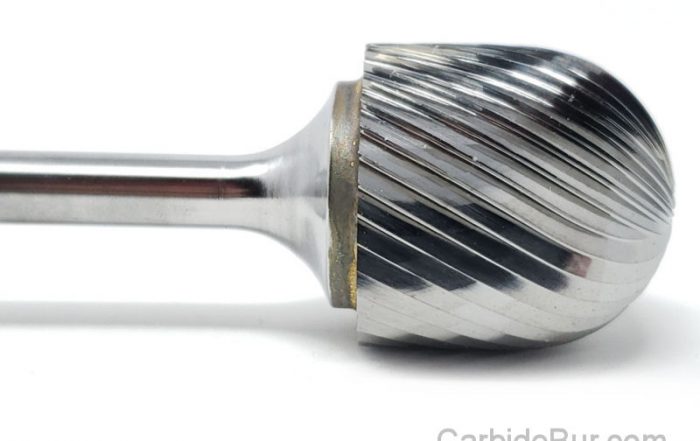
Carbide Burr Shapes Explained: Cylindrical, Ball, Oval, and Tree Burrs Choosing the right carbide burr shape can make metalworking easier, improve control, and help you remove material where it is actually needed. Whether you are [...]
How to Get More Life from Your Carbide Burrs
How to Get More Life from Your Carbide Burrs Carbide burrs are valuable tools for welders, fabricators, machinists, automotive enthusiasts, and anyone who regularly works with metal. They can remove material, shape edges, clean up [...]
Are Expensive Carbide Burrs Worth It? Comparing Price and Performance
Are Expensive Carbide Burrs Worth It? Comparing Price and Performance When shopping for carbide burrs, it's easy to assume that the cheapest option saves money. But if you use rotary cutting tools regularly for welding, [...]
Carbide Burr vs. Grinding Stone: Which Is Better for Metal Removal?
Carbide Burr vs. Grinding Stone: Which Is Better for Metal Removal? When you need to remove metal, smooth a rough edge, or shape a metal component, two common options are carbide burrs and grinding stones. [...]
Carbide Burr Safety: RPM, Eye Protection, and Common Mistakes
Carbide Burr Safety: RPM, Eye Protection, and Common Mistakes Carbide burrs are versatile cutting tools used for metal fabrication, welding cleanup, engine porting, deburring, and general material removal. When used correctly, they can help remove [...]
How to Stop Aluminum from Clogging Your Carbide Burr
How to Stop Aluminum from Clogging Your Carbide Burr Aluminum is widely used in automotive work, welding, metal fabrication, aerospace components, and general machining. It is lightweight, relatively easy to machine, and versatile across many [...]
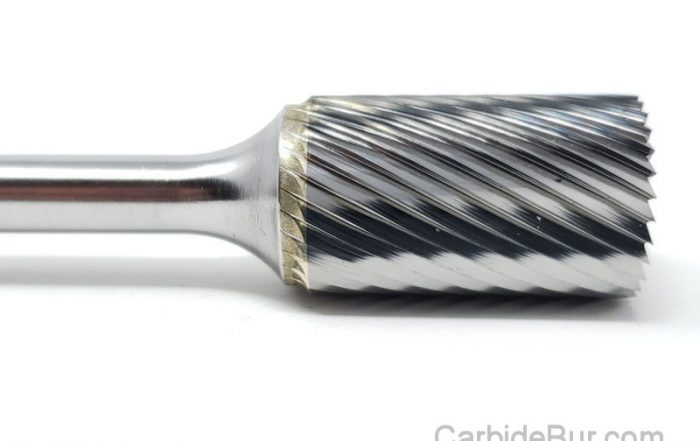
Carbide Burrs for Intake Manifolds: Shaping, Cleanup, and Fitment
Carbide Burrs for Intake Manifolds: Shaping, Cleanup, and Fitment Intake manifold work often involves more than simply bolting a component onto an engine. Depending on the application, metal intake components may have casting irregularities, rough [...]
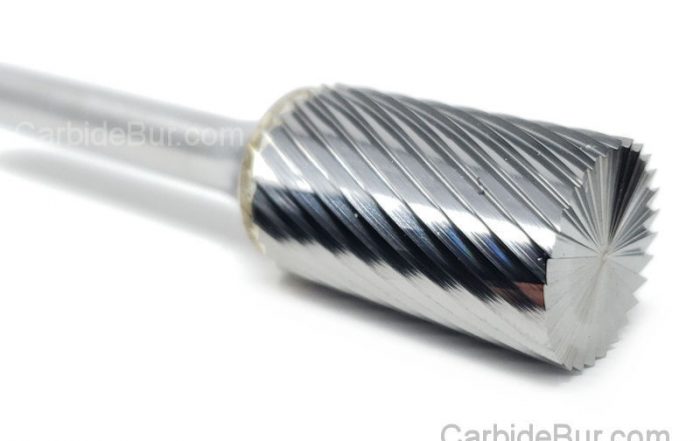
Why Long-Shank Carbide Burrs Are Useful for Hard-to-Reach Areas
Why Long-Shank Carbide Burrs Are Useful for Hard-to-Reach Areas When working on metal parts, the area that needs grinding or shaping is not always easy to reach. Recessed openings, deep cavities, interior surfaces, and complicated [...]
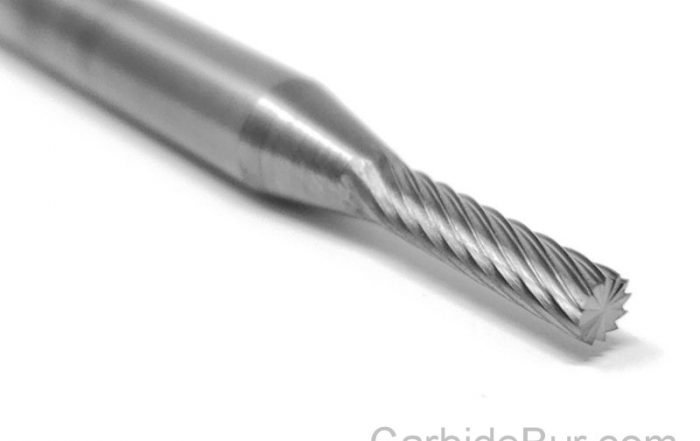
Choosing Carbide Burrs for Stainless Steel Fabrication
Choosing Carbide Burrs for Stainless Steel Fabrication Stainless steel is widely used in fabrication because of its corrosion resistance, strength, and durability. However, those same properties can make it challenging to machine and finish. Removing [...]
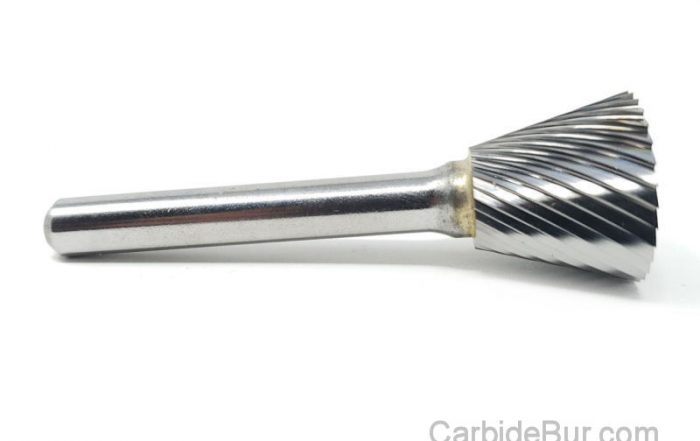
Can You Use Carbide Burrs in a Dremel? Shank Sizes Explained
Can You Use Carbide Burrs in a Dremel? Shank Sizes Explained If you use a Dremel or another rotary tool for detail work, metal shaping, or small fabrication projects, you may wonder whether you can [...]
How to Choose the Best Carbide Burr for Welding and Metal Fabrication
How to Choose the Best Carbide Burr for Welding and Metal Fabrication Welding and metal fabrication often require more than joining two pieces of metal together. Once the welding is finished, fabricators frequently need to [...]
Carbide Burrs for Cylinder Heads: What Automotive Enthusiasts Need to Know
Carbide Burrs for Cylinder Heads: What Automotive Enthusiasts Need to Know Cylinder head work is an important part of engine building, restoration, and performance machining. Whether you are cleaning up casting imperfections, refining port surfaces, [...]