Best Carbide Burr for Porting and Polishing Engine Heads
You’ve spent hours porting engine heads, only to find the finish isn’t quite right. Choosing the right carbide burr for porting and polishing can make all the difference in airflow and power. This guide breaks down the best carbide burr shapes and sizes, plus what to watch for in tool maintenance and safety practices to help you get the most from your engine modifications. For more insights, explore this resource on cylinder head porting tools.
Understanding Carbide Burrs
When you’re knee-deep in engine modifications, selecting the right tools is crucial. Carbide burrs play a vital role here.
What Are Carbide Burrs?
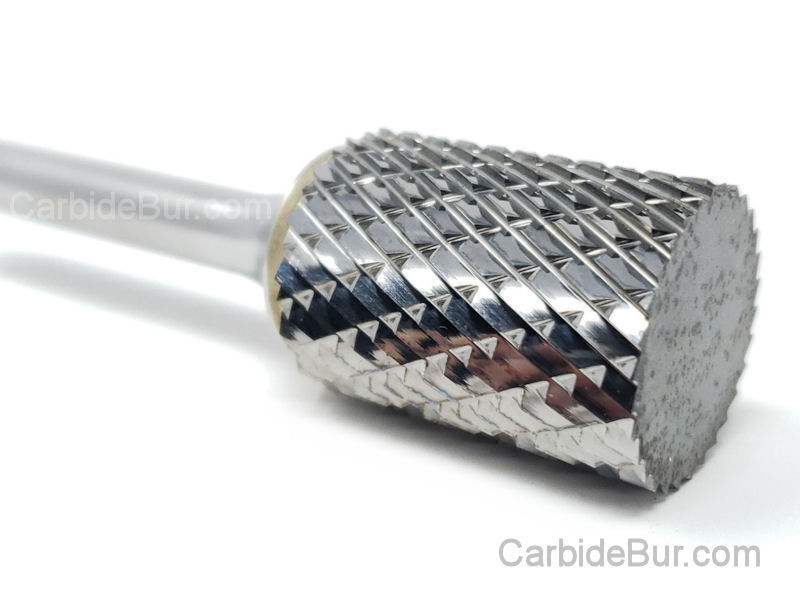
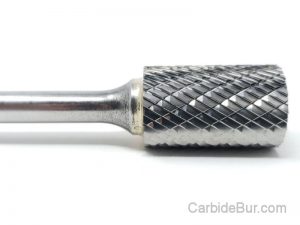
Carbide burrs are small cutting tools used in shaping, grinding, and removing material. They’re made from tungsten carbide, a material that’s twice as strong as steel. This strength allows them to perform precise cuts on various materials. These tools come in different shapes and sizes, each designed for specific tasks. You’ll find them used across many industries, from jewelry making to aerospace.
Importance in Engine Modifications
In the world of engine modifications, carbide burrs are indispensable. They help you achieve smoother airflow by removing imperfections in engine heads. This, in turn, boosts engine performance. Porting and polishing with the right burr can lead to gains in horsepower and efficiency. The process involves removing material from the engine heads to optimize airflow, which enhances combustion performance.
Choosing the Right Burr
Selecting the right burr is about understanding your needs. Consider the type of material you’ll be working on and the finish you desire. Different shapes offer varying levels of precision and control. For intricate work, a smaller, more detailed shape is best. If you’re dealing with larger areas, a bigger burr will save you time and effort.
Key Factors for Selection
Selecting the perfect carbide burr requires attention to detail and understanding of the task at hand.
Material Compatibility Matters
Not all burrs are created equal. Some are better suited for soft materials like aluminum, while others excel with harder metals. Using the wrong burr can result in poor cuts and decreased tool life. Check the material compatibility of each burr before starting your project.
Cutting Efficiency Insights
Efficiency is key when it comes to cutting. Look for burrs that offer high material removal rates while maintaining precision. The cutting speed can vary based on the shape and size of the burr. Choosing a burr with the right cutting speed minimizes time and maximizes output.
Desired Finish Quality Tips
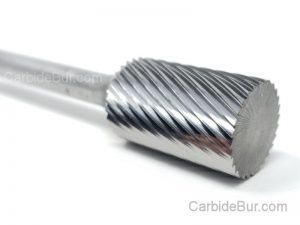
The finish quality affects the engine’s performance. A smoother surface ensures better airflow. For this, selecting a burr with the right flute design is essential. Flutes determine how chips are removed from the material, directly impacting the finish.
Best Carbide Burr Shapes and Sizes
Finding the best shapes and sizes for your specific needs can make a world of difference.
Top Shapes for Precision
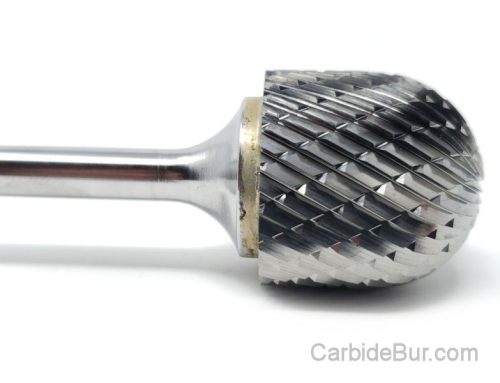
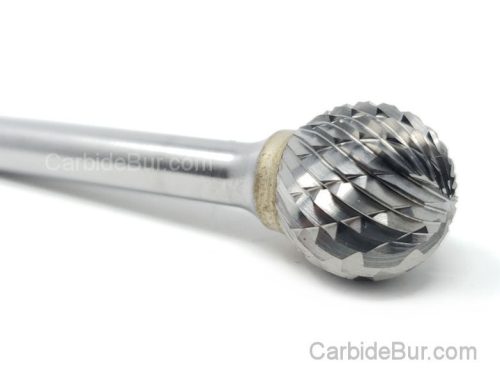
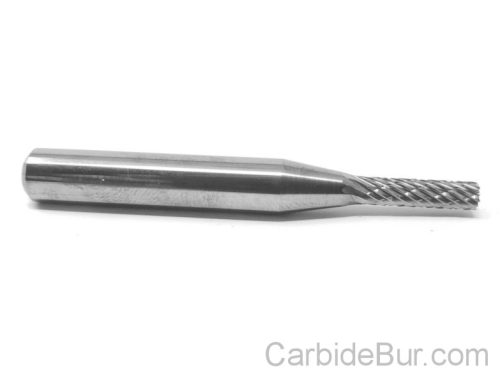
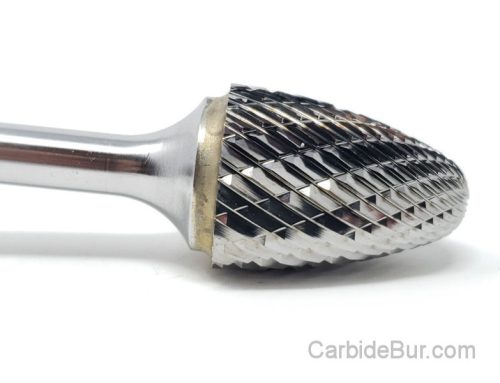
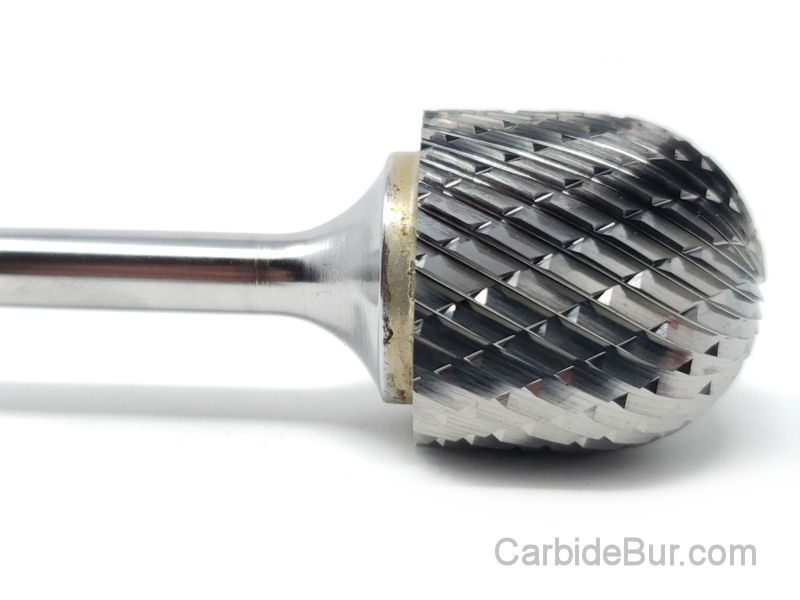
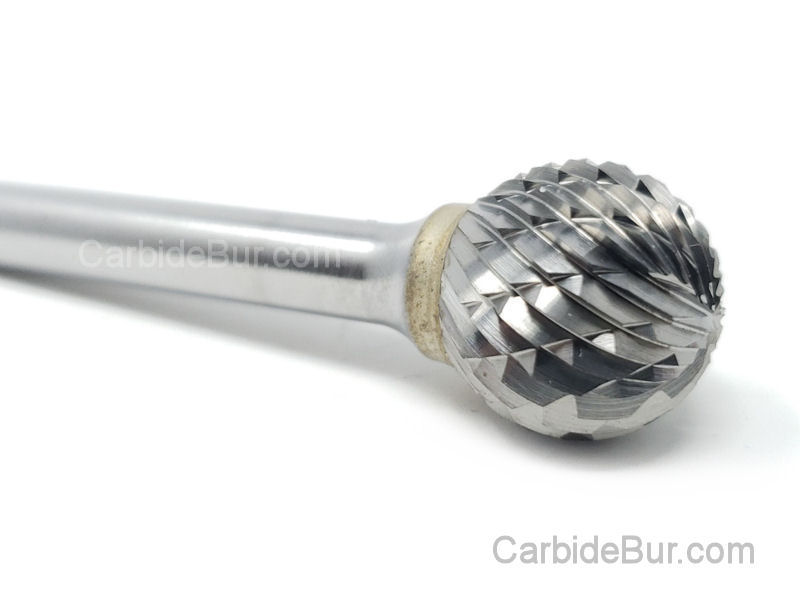
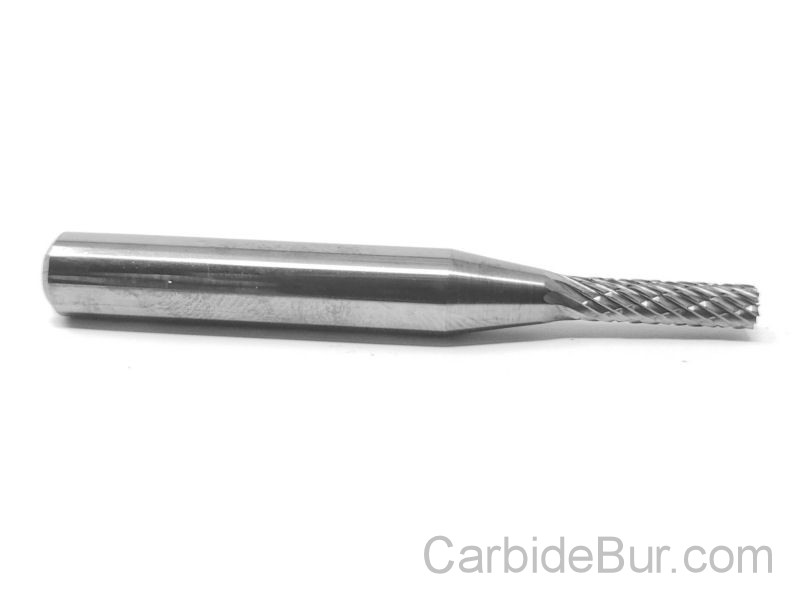
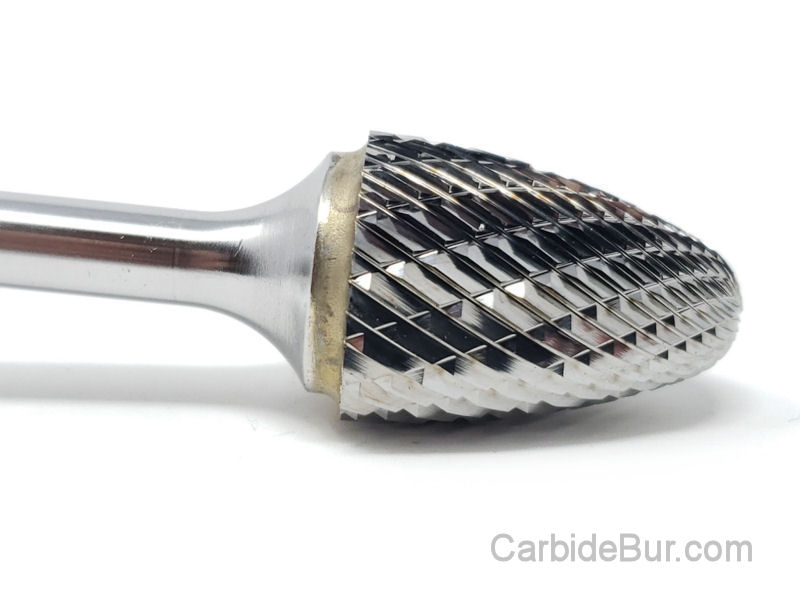
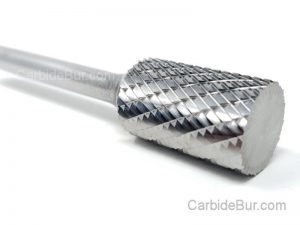
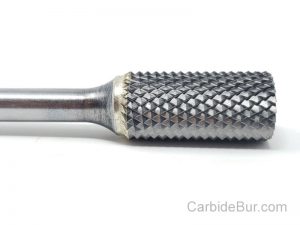
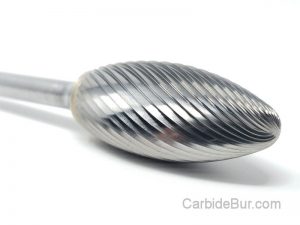
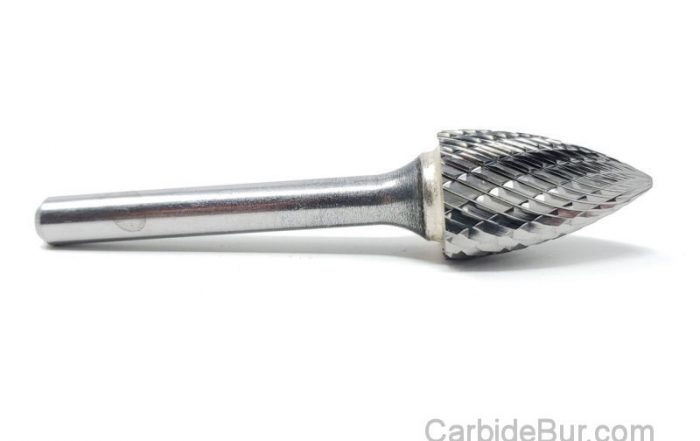
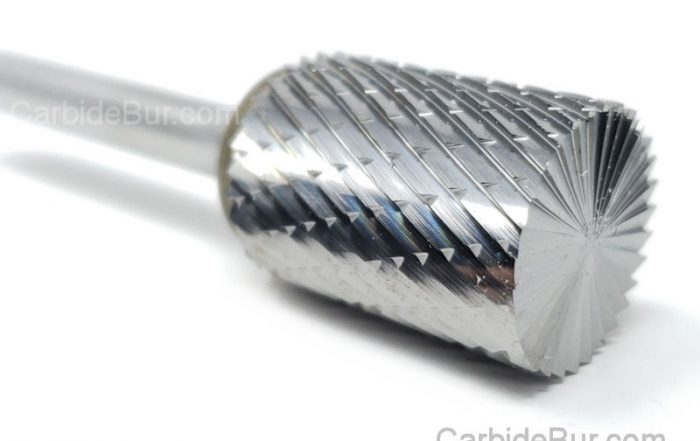
Different shapes serve different purposes. Cylinder-shaped burrs are great for flat surfaces. Ball-shaped burrs are perfect for creating rounded edges. Each shape offers unique advantages, so choose based on the specific task at hand.
Optimal Sizes for Engine Heads
Size matters when dealing with engine heads. Smaller burrs offer precision, while larger ones cover more area, saving time. For detailed work, a 1/8-inch burr is ideal. For broader tasks, consider a 1/4-inch size.
Popular Brands and Options
Choosing the right brand can ensure quality and consistency. Brands like CarbideBurr.net offer reliable options. They provide burrs suitable for various materials and tasks.
Tool Maintenance and Safety Practices
Proper tool maintenance and safety ensure longevity and optimal performance.
Essential Maintenance Tips
Regular maintenance is crucial for tool longevity. Clean your burrs after each use to prevent material buildup. Inspect them for wear and tear regularly. Replace them if any damage is visible.
Safety Practices for Porting
Safety should never be overlooked. Always wear protective eyewear and gloves while working. Ensure your workspace is well-ventilated to avoid inhaling harmful particles. Following these practices keeps you safe and focused.
Ensuring Long Tool Life
To maximize the life of your burrs, avoid overheating them. Overheating can dull the burrs quickly. Use light pressure and let the tool do the work. Proper storage in a dry, clean area also helps.
Achieving Performance Gains
Maximizing your engine’s performance involves more than just selecting the right burr.
Effective Porting Techniques
Effective porting techniques can significantly improve performance. Focus on removing excess material without altering the structural integrity of the engine head. Aim for a uniform finish to achieve optimal airflow.
Polishing for Maximum Efficiency
Polishing is the next step after porting. It involves smoothing the surface to reduce friction and improve airflow. A well-polished engine head can lead to noticeable performance gains.
Success Stories and Results
Many enthusiasts have seen impressive results after using the right burrs for porting and polishing. Increased horsepower and improved fuel efficiency are common achievements. With patience and the right tools, you can transform your engine’s performance.
Frequently Asked Questions
What are carbide burrs used for in engine modifications?
Carbide burrs are used to shape, grind, and remove material from engine components. They help improve airflow and increase performance by smoothing out imperfections.
Why is material compatibility important when choosing carbide burrs?
Material compatibility ensures the burr can effectively work on the target material without damage. Using the wrong burr can lead to poor cuts and reduced tool life.
How do I maintain my carbide burrs for longevity?
Regular cleaning and inspection are key. Remove material buildup after each use and check for wear. Replace burrs that show signs of damage to maintain efficiency.
What safety practices should I follow when using carbide burrs?
Always wear protective eyewear and gloves. Ensure your workspace is well-ventilated. Following these practices helps prevent injuries and ensures a safe working environment.
How can polishing engine heads improve performance?
Polishing reduces friction, allowing for smoother airflow. This can lead to increased horsepower and improved fuel efficiency, enhancing overall engine performance.
Looking for Carbide Bur Tools?
Check out our entire selection of USA made carbide bur die grinder tool bits
Follow us on Twitter

Return to CarbideBur.com
Carbide Burs – 1/4″ on 1/8″ Shanks – Accessories – Aluminum Cut – Bur Sets – End Mills – Long Shank – Solid Burs
Are Expensive Carbide Burrs Worth It? Comparing Price and Performance
Are Expensive Carbide Burrs Worth It? Comparing Price and Performance When shopping for carbide burrs, it's easy to assume that the cheapest option saves money. But if you use rotary cutting tools regularly for welding, [...]
Carbide Burr vs. Grinding Stone: Which Is Better for Metal Removal?
Carbide Burr vs. Grinding Stone: Which Is Better for Metal Removal? When you need to remove metal, smooth a rough edge, or shape a metal component, two common options are carbide burrs and grinding stones. [...]
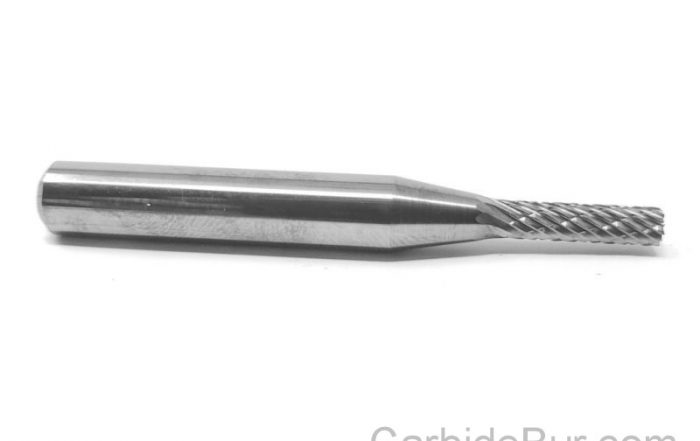
Carbide Burr Safety: RPM, Eye Protection, and Common Mistakes
Carbide Burr Safety: RPM, Eye Protection, and Common Mistakes Carbide burrs are versatile cutting tools used for metal fabrication, welding cleanup, engine porting, deburring, and general material removal. When used correctly, they can help remove [...]
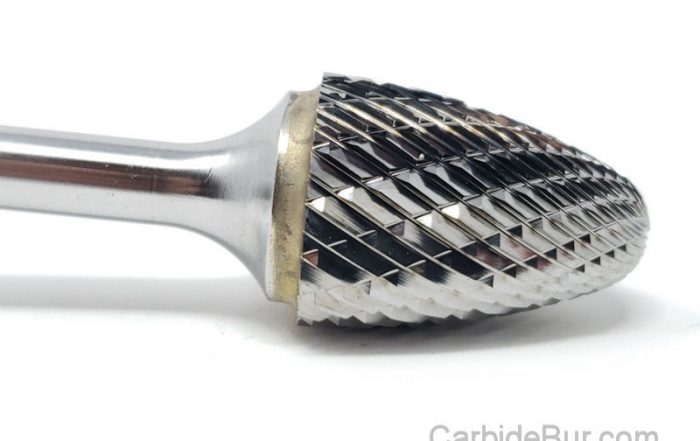
How to Stop Aluminum from Clogging Your Carbide Burr
How to Stop Aluminum from Clogging Your Carbide Burr Aluminum is widely used in automotive work, welding, metal fabrication, aerospace components, and general machining. It is lightweight, relatively easy to machine, and versatile across many [...]
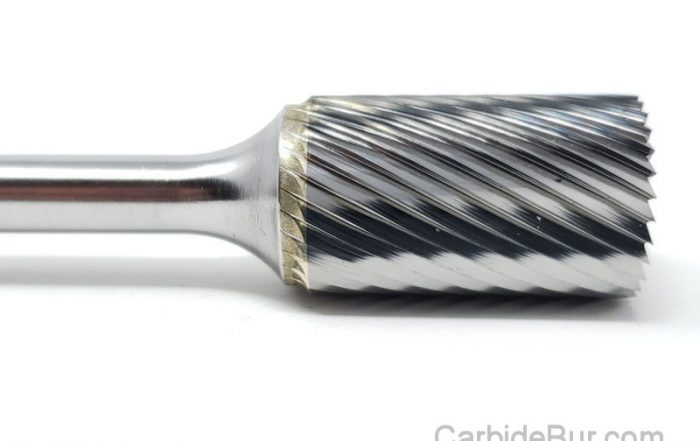
Carbide Burrs for Intake Manifolds: Shaping, Cleanup, and Fitment
Carbide Burrs for Intake Manifolds: Shaping, Cleanup, and Fitment Intake manifold work often involves more than simply bolting a component onto an engine. Depending on the application, metal intake components may have casting irregularities, rough [...]
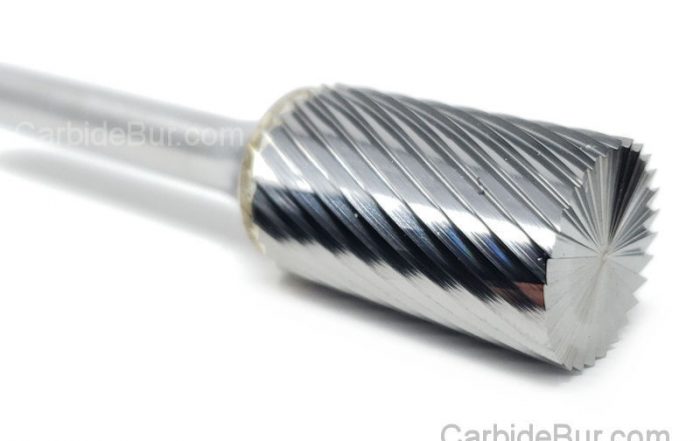
Why Long-Shank Carbide Burrs Are Useful for Hard-to-Reach Areas
Why Long-Shank Carbide Burrs Are Useful for Hard-to-Reach Areas When working on metal parts, the area that needs grinding or shaping is not always easy to reach. Recessed openings, deep cavities, interior surfaces, and complicated [...]
Choosing Carbide Burrs for Stainless Steel Fabrication
Choosing Carbide Burrs for Stainless Steel Fabrication Stainless steel is widely used in fabrication because of its corrosion resistance, strength, and durability. However, those same properties can make it challenging to machine and finish. Removing [...]
Can You Use Carbide Burrs in a Dremel? Shank Sizes Explained
Can You Use Carbide Burrs in a Dremel? Shank Sizes Explained If you use a Dremel or another rotary tool for detail work, metal shaping, or small fabrication projects, you may wonder whether you can [...]
How to Choose the Best Carbide Burr for Welding and Metal Fabrication
How to Choose the Best Carbide Burr for Welding and Metal Fabrication Welding and metal fabrication often require more than joining two pieces of metal together. Once the welding is finished, fabricators frequently need to [...]
Carbide Burrs for Cylinder Heads: What Automotive Enthusiasts Need to Know
Carbide Burrs for Cylinder Heads: What Automotive Enthusiasts Need to Know Cylinder head work is an important part of engine building, restoration, and performance machining. Whether you are cleaning up casting imperfections, refining port surfaces, [...]
Engine Porting 101: How Carbide Burrs Help Shape Cylinder Head Ports
Engine Porting 101: How Carbide Burrs Help Shape Cylinder Head Ports Engine performance enthusiasts, automotive machinists, and engine builders often look for ways to improve airflow through an engine's cylinder heads. One technique used in [...]
When to Use a 4-Inch or 9-Inch Die Grinder Extension
When to Use a 4-Inch or 9-Inch Die Grinder Extension Metal fabrication, welding, automotive repair, and engine building often require working in places where a standard die grinder and carbide burr cannot easily reach. Recessed [...]