How to Smooth Sharp Metal Edges With a Carbide Burr
Sharp metal edges can turn your project from professional to risky in seconds. If you’ve struggled with smoothing metal edges without scratching or weakening the piece, you’re not alone. This guide on using carbide burrs reveals clear steps to tame those edges safely and get a polished finish you’ll be proud of. Keep reading to learn how the right metalworking techniques make all the difference. Learn more.
Understanding Carbide Burrs
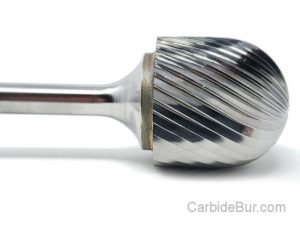
Carbide burrs are your best friend when it comes to smoothing sharp metal edges. They come in various types, each designed for a specific task.
Types of Carbide Burrs
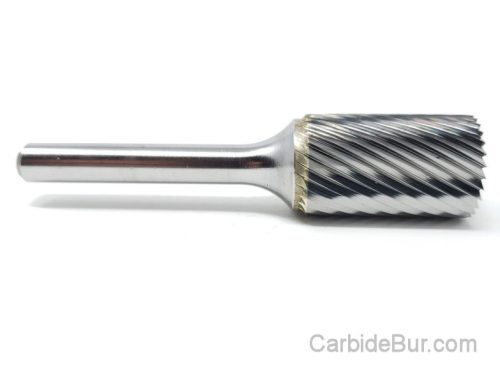
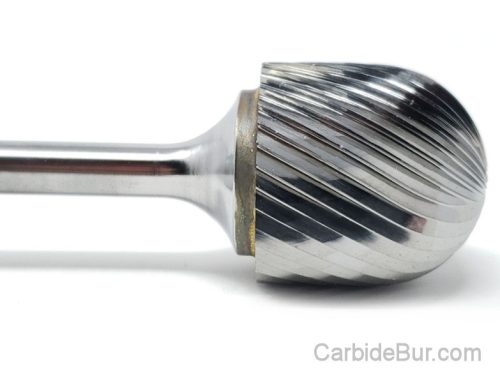
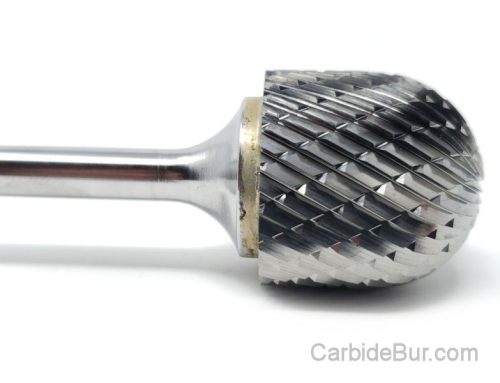
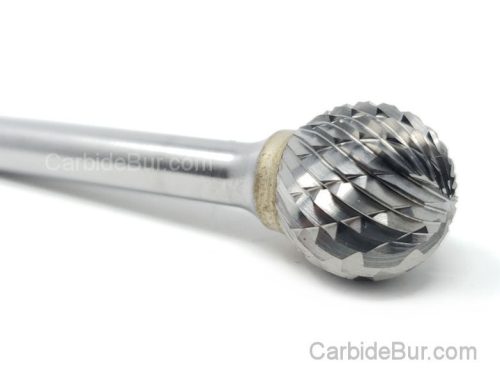
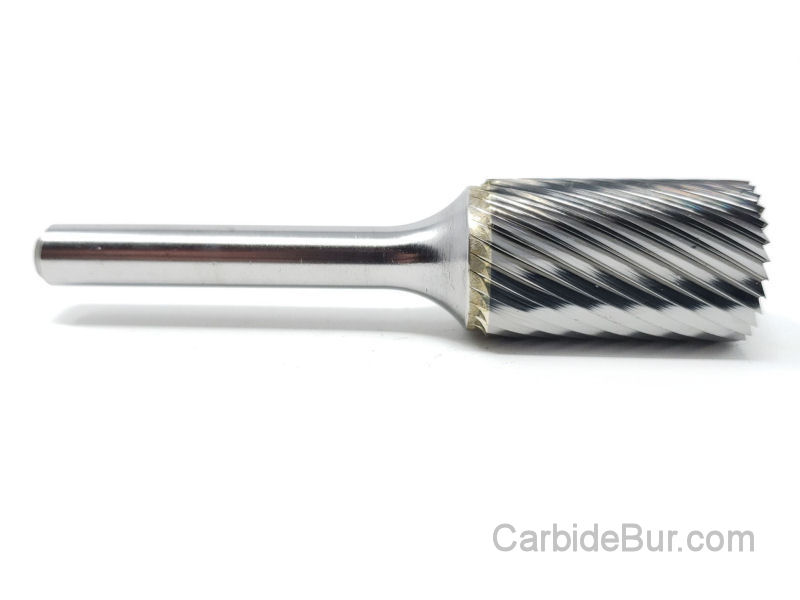
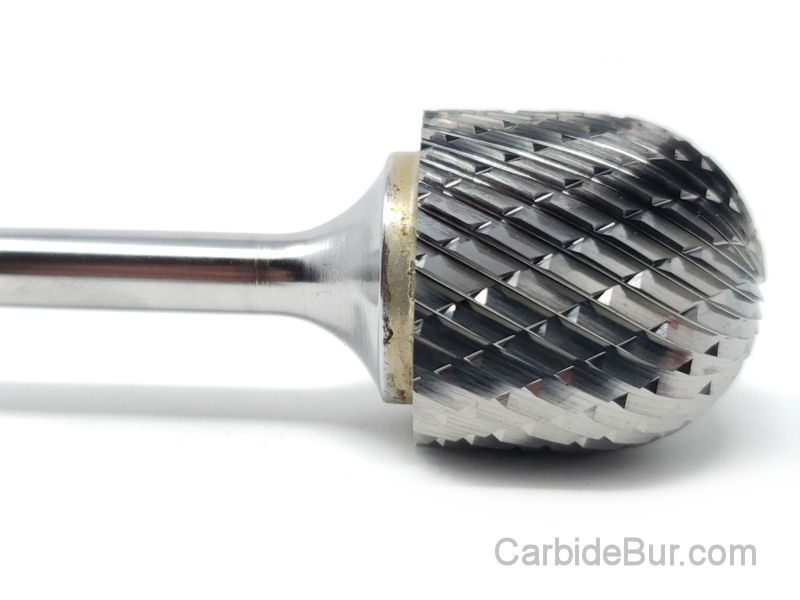
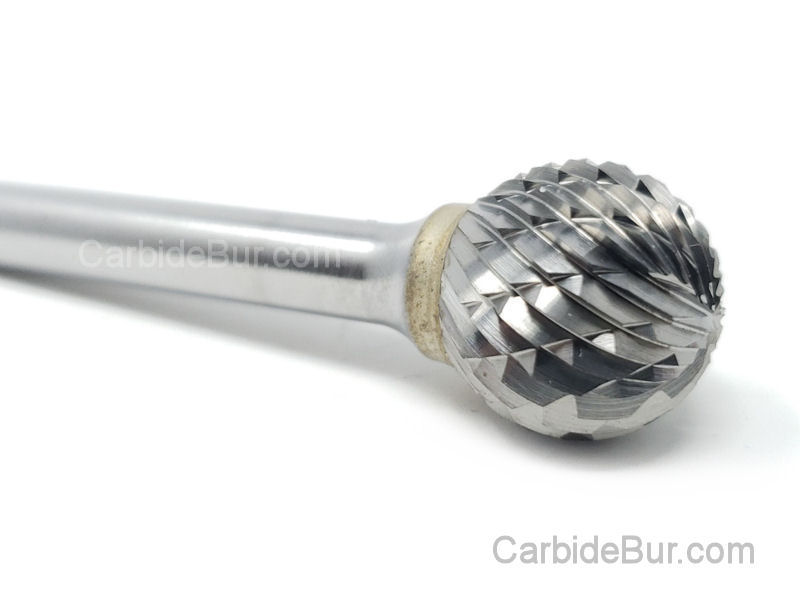
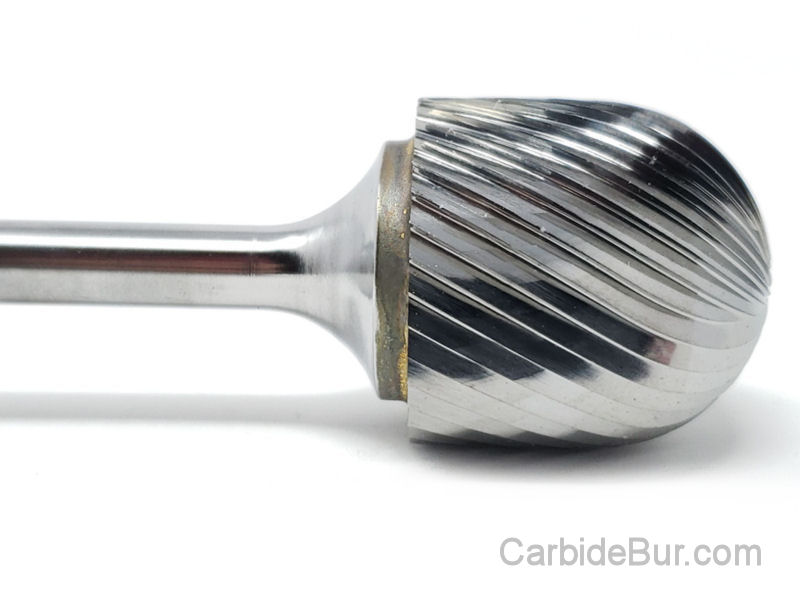
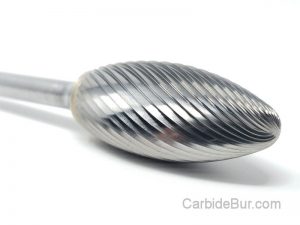
There are several types of carbide burrs to consider. Each type serves different purposes in metalworking. Cylindrical burrs, for instance, are great for flat surfaces and contouring. For harder-to-reach areas, use a pointed burr. Always select the type that suits your specific project needs. You can find more about the art of crafting carbide burrs for various applications.
Why Carbide Burrs Are Effective
Carbide burrs are effective because they are designed to cut and shape metal precisely. They handle tough materials like stainless steel with ease. The durability of these tools allows for longer use without frequent replacement, saving you time and money. The versatility of carbide burrs makes them essential for any metalworking project.
Choosing the Right Burr
Choosing the right burr involves knowing your material and the finish you want. Consider the metal’s hardness and the burr’s shape. For softer metals, a less aggressive burr might be best. For tougher metals, like stainless steel, consult this guide on choosing burrs for stainless steel.
Techniques for Smoothing Metal Edges
Once you’ve chosen your burr, it’s time to get hands-on. Proper techniques make a world of difference in achieving a smooth finish.
Preparing Your Workspace
A tidy workspace is crucial. Ensure your area is clean and free from clutter. Set up proper lighting to see your work clearly. Keep all tools within reach to maintain focus on the task at hand.
Proper Handling and Control
Handling the burr correctly minimizes mistakes. Grip the tool firmly but comfortably. Control is key: move slowly over the metal to avoid gouging. Practice makes perfect, so take your time to develop a steady hand.
Achieving a Smooth Finish
To achieve a smooth finish, work in small sections. Use gentle pressure and consistent motions. Always check your progress by running a finger along the edge. This hands-on approach ensures the metal is smooth and safe to touch.
Safety in Metalworking
Safety is paramount in metalworking. Understanding and following safety protocols can prevent accidents.
Protective Gear and Precautions
Always wear protective gear, including goggles and gloves. This protects you from metal shards and dust. Secure your workpiece firmly to prevent slipping. Safety should never be an afterthought.
Avoiding Common Mistakes
Common mistakes include using too much pressure or the wrong burr type. Start with light pressure and adjust as needed. Know your burrs to avoid damaging the metal or the tool itself.
Maintaining Control and Precision
Precision comes from control. Keep your focus on the task. Regularly pause to assess your work. This ensures you maintain high standards throughout the process.
Polishing Metal Surfaces
Polishing brings out the final shine, adding a professional touch to your work.
Final Touches for a Polished Look
After smoothing, polish the surface to enhance its shine. Use a polishing compound and a soft cloth. This step elevates the quality of your work.
Tools and Materials for Polishing
Polishing requires specific tools such as a buffing wheel and polishing paste. These tools help achieve a high-gloss finish. Make sure to use materials suitable for your metal type.
Ensuring a Seamless Finish
A seamless finish is achieved by careful polishing. Work in circular motions and cover the entire surface evenly. Inspect your work under good lighting to catch any missed spots.
Maintaining Your Carbide Burrs
Proper maintenance of your carbide burrs extends their life and enhances performance.
Cleaning and Storage Tips
Clean your burrs after each use to remove metal debris. Store them in a dry, organized space. Proper care prevents rust and damage, prolonging their lifespan.
Extending Burr Longevity
To extend burr longevity, use them appropriately. Avoid excessive force and clean them regularly. A well-maintained burr serves you longer and performs better.
Troubleshooting Common Issues
If your burr isn’t cutting well, it might need sharpening or replacing. Check for signs of wear and tear. Troubleshoot promptly to keep your projects on track.
Frequently Asked Questions
What are carbide burrs used for?
Carbide burrs are used to cut, shape, and smooth metal surfaces. They are especially effective for detailed work and hard-to-reach areas.
How do I choose the right carbide burr for my project?
Consider the metal type and desired finish. Match the burr’s shape and aggressiveness to your material’s hardness. Consult guides if unsure.
How can I maintain my carbide burrs?
Clean them after each use and store them in a dry place. Avoid excessive force during use to prevent damage.
What safety measures should I follow when using carbide burrs?
Wear gloves and goggles to protect against metal shards. Secure your workpiece and ensure your workspace is tidy.
Can carbide burrs work on all metals?
Yes, carbide burrs can handle a wide range of metals, including stainless steel and aluminum. Choose the appropriate burr for the best results.
Looking for Carbide Bur Tools?
Check out our entire selection of USA made carbide bur die grinder tool bits
Follow us on Twitter

Return to CarbideBur.com
Carbide Burs – 1/4″ on 1/8″ Shanks – Accessories – Aluminum Cut – Bur Sets – End Mills – Long Shank – Solid Burs
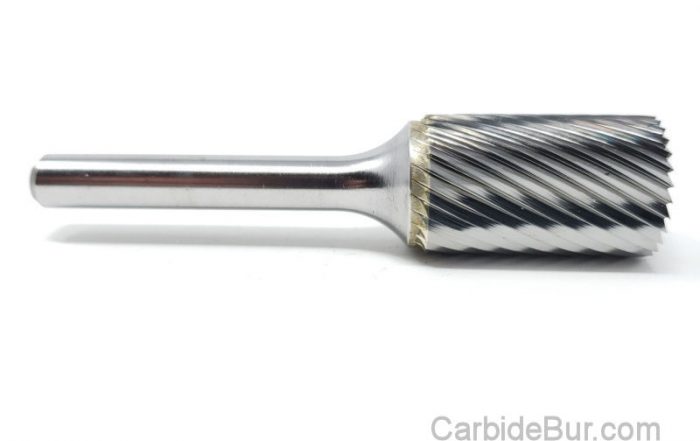
Carbide Burr Shapes Explained: Cylindrical, Ball, Oval, and Tree Burrs
Carbide Burr Shapes Explained: Cylindrical, Ball, Oval, and Tree Burrs Choosing the right carbide burr shape can make metalworking easier, improve control, and help you remove material where it is actually needed. Whether you are [...]
How to Get More Life from Your Carbide Burrs
How to Get More Life from Your Carbide Burrs Carbide burrs are valuable tools for welders, fabricators, machinists, automotive enthusiasts, and anyone who regularly works with metal. They can remove material, shape edges, clean up [...]
Are Expensive Carbide Burrs Worth It? Comparing Price and Performance
Are Expensive Carbide Burrs Worth It? Comparing Price and Performance When shopping for carbide burrs, it's easy to assume that the cheapest option saves money. But if you use rotary cutting tools regularly for welding, [...]

Carbide Burr vs. Grinding Stone: Which Is Better for Metal Removal?
Carbide Burr vs. Grinding Stone: Which Is Better for Metal Removal? When you need to remove metal, smooth a rough edge, or shape a metal component, two common options are carbide burrs and grinding stones. [...]
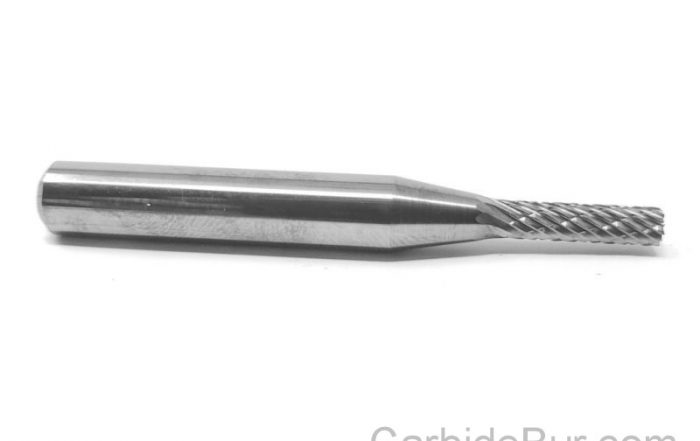
Carbide Burr Safety: RPM, Eye Protection, and Common Mistakes
Carbide Burr Safety: RPM, Eye Protection, and Common Mistakes Carbide burrs are versatile cutting tools used for metal fabrication, welding cleanup, engine porting, deburring, and general material removal. When used correctly, they can help remove [...]
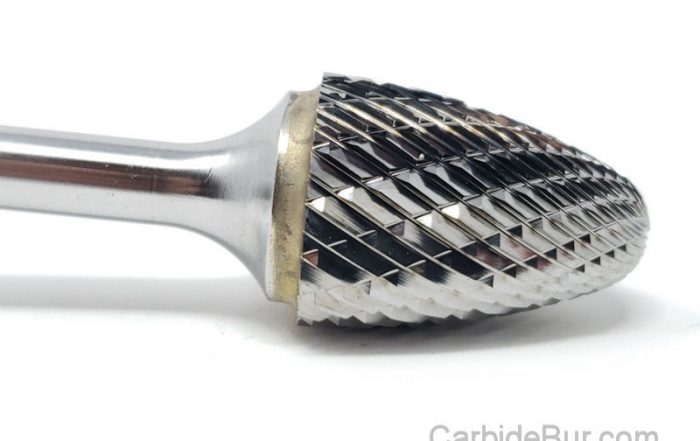
How to Stop Aluminum from Clogging Your Carbide Burr
How to Stop Aluminum from Clogging Your Carbide Burr Aluminum is widely used in automotive work, welding, metal fabrication, aerospace components, and general machining. It is lightweight, relatively easy to machine, and versatile across many [...]
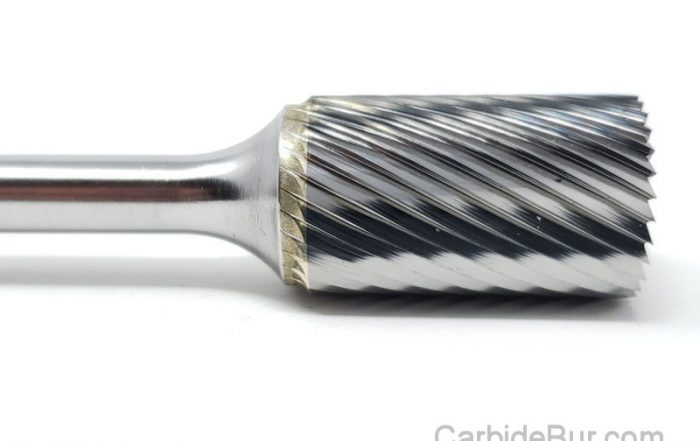
Carbide Burrs for Intake Manifolds: Shaping, Cleanup, and Fitment
Carbide Burrs for Intake Manifolds: Shaping, Cleanup, and Fitment Intake manifold work often involves more than simply bolting a component onto an engine. Depending on the application, metal intake components may have casting irregularities, rough [...]
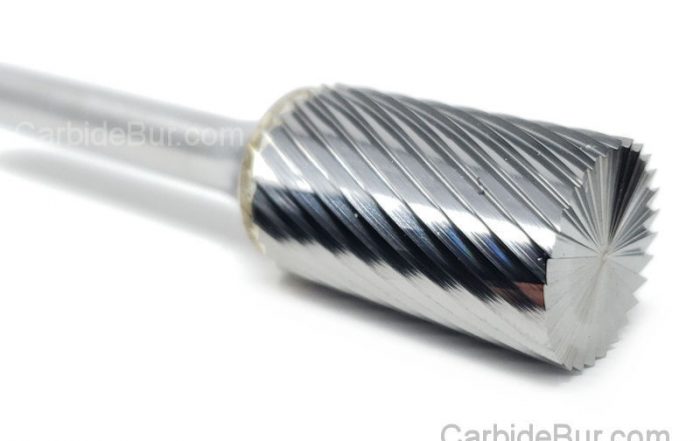
Why Long-Shank Carbide Burrs Are Useful for Hard-to-Reach Areas
Why Long-Shank Carbide Burrs Are Useful for Hard-to-Reach Areas When working on metal parts, the area that needs grinding or shaping is not always easy to reach. Recessed openings, deep cavities, interior surfaces, and complicated [...]
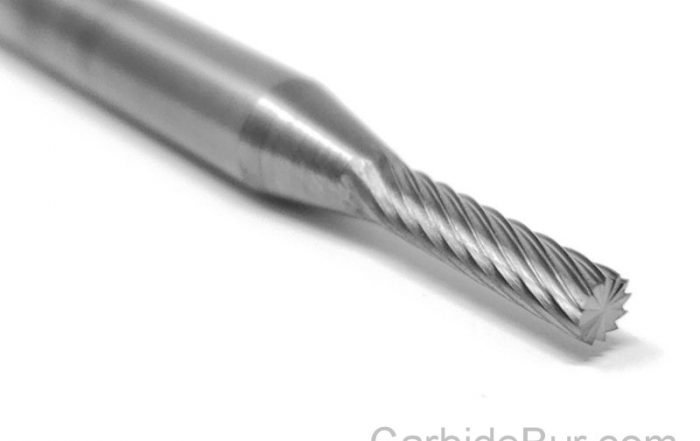
Choosing Carbide Burrs for Stainless Steel Fabrication
Choosing Carbide Burrs for Stainless Steel Fabrication Stainless steel is widely used in fabrication because of its corrosion resistance, strength, and durability. However, those same properties can make it challenging to machine and finish. Removing [...]
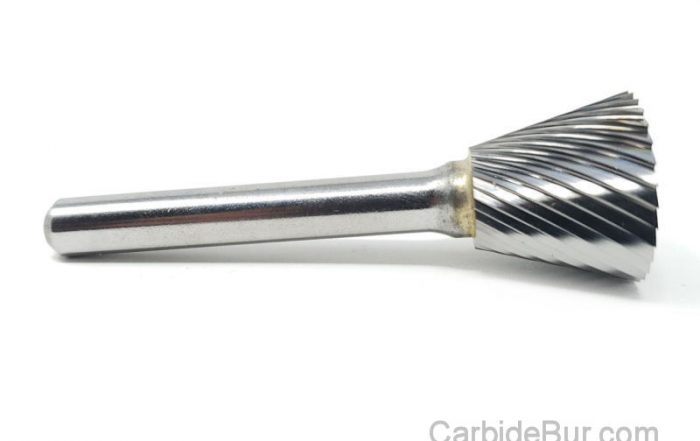
Can You Use Carbide Burrs in a Dremel? Shank Sizes Explained
Can You Use Carbide Burrs in a Dremel? Shank Sizes Explained If you use a Dremel or another rotary tool for detail work, metal shaping, or small fabrication projects, you may wonder whether you can [...]
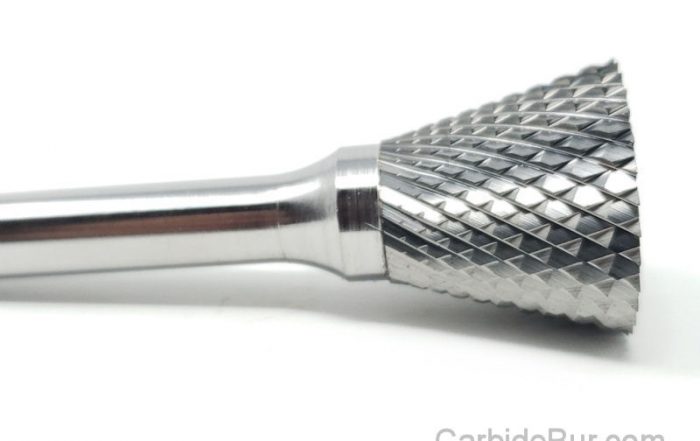
How to Choose the Best Carbide Burr for Welding and Metal Fabrication
How to Choose the Best Carbide Burr for Welding and Metal Fabrication Welding and metal fabrication often require more than joining two pieces of metal together. Once the welding is finished, fabricators frequently need to [...]
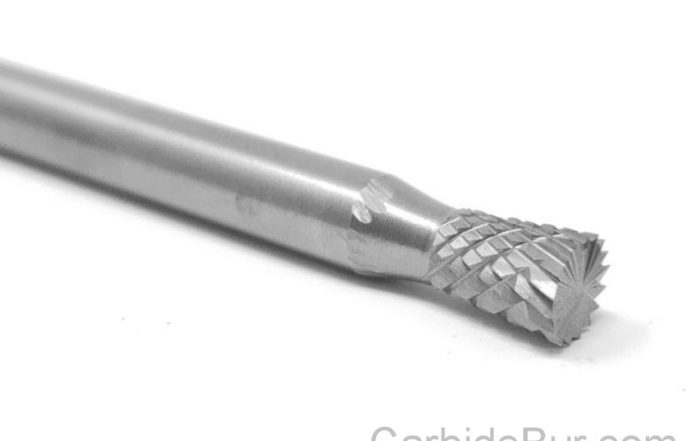
Carbide Burrs for Cylinder Heads: What Automotive Enthusiasts Need to Know
Carbide Burrs for Cylinder Heads: What Automotive Enthusiasts Need to Know Cylinder head work is an important part of engine building, restoration, and performance machining. Whether you are cleaning up casting imperfections, refining port surfaces, [...]