Carbide Burrs for Cylinder Head Porting: Shapes, Cuts and Tips
Cylinder head porting can make or break your engine’s airflow and performance. Choosing the right carbide burrs for cylinder head porting is often the difference between smooth work and frustrating setbacks. This guide breaks down burr shapes and cuts you need for every task, plus tips on selecting, using, and maintaining your porting tools safely and precisely. Get ready to sharpen your skills and improve your engine’s power step by step. For more on starting with automotive cylinder head porting, visit this link.
Understanding Carbide Burrs
Carbide burrs are essential in the world of cylinder head porting. They allow for precise material removal from engine parts, crucial for enhancing airflow and performance.
What Are Carbide Burrs?
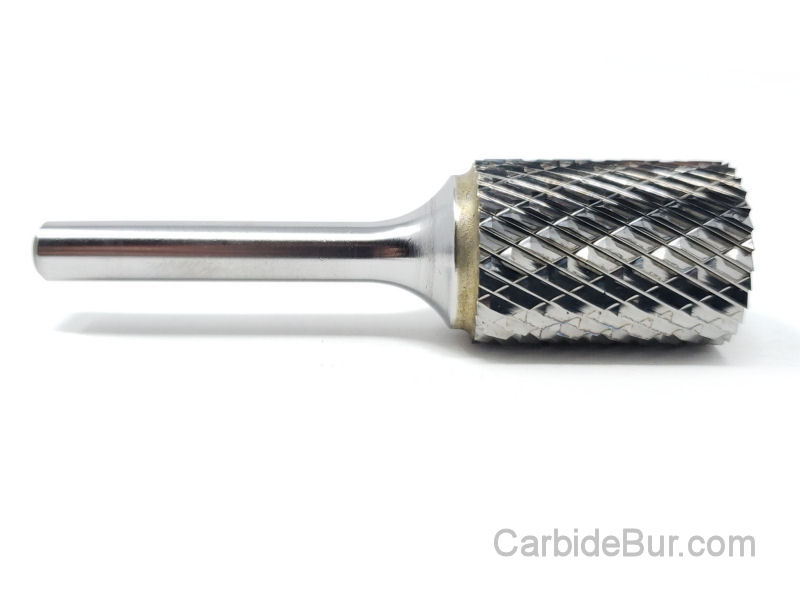
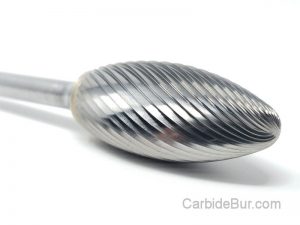
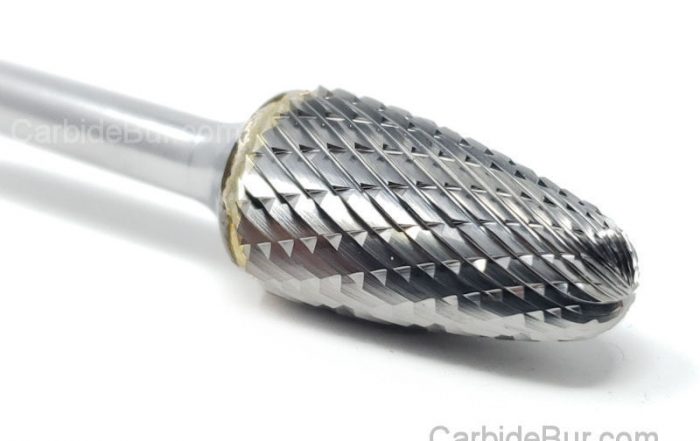
Carbide burrs are small cutting tools used in rotary tools like die grinders. Made from tungsten carbide, they are incredibly hard, making them perfect for cutting, shaping, and grinding metal. These burrs come in various shapes and sizes, allowing you to perform detailed work on complex engine components.
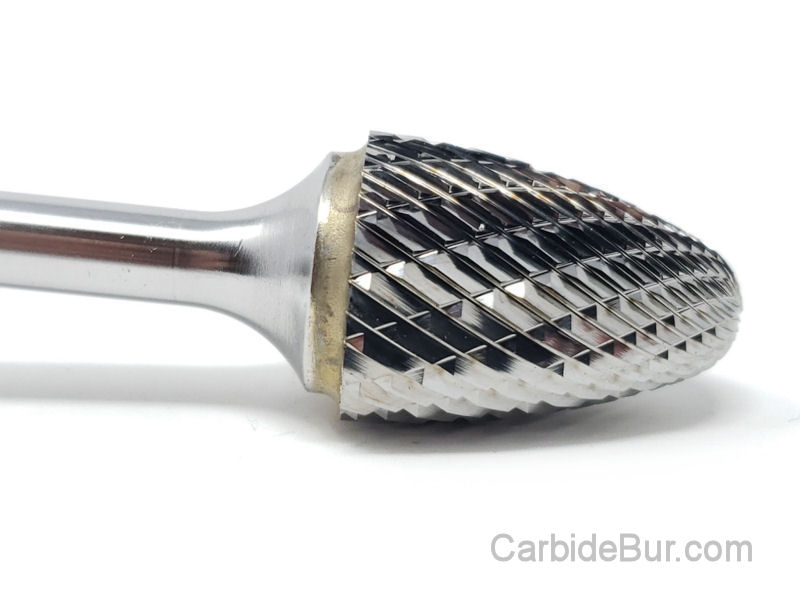
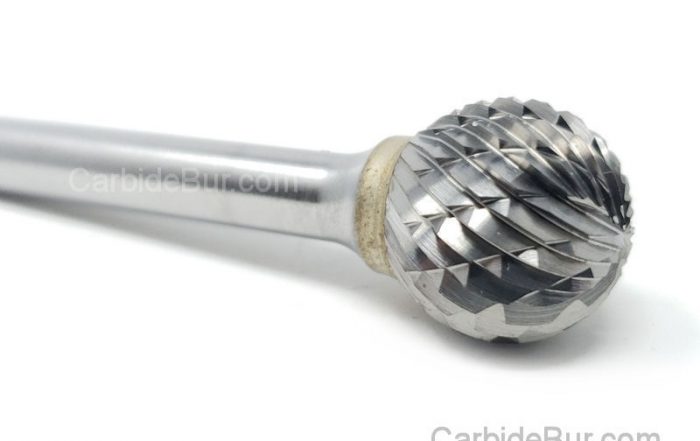
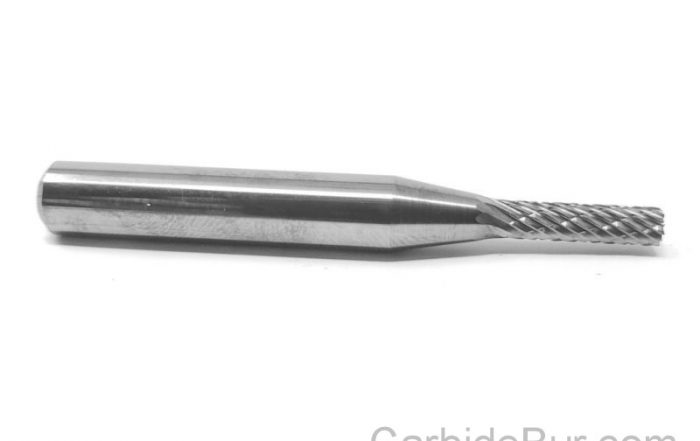
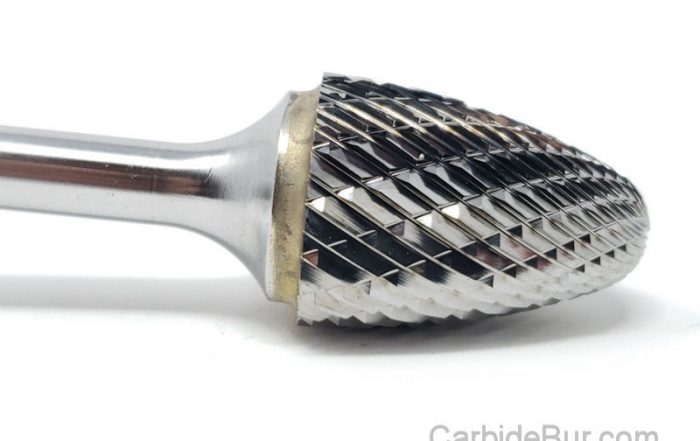
You’ll find burrs in cylindrical, spherical, and conical shapes, each serving a specific purpose. They are designed to withstand high speeds, ensuring that you can work quickly without compromising precision. Their durability also means you’ll spend less time replacing tools and more time perfecting your porting work.
Importance in Cylinder Head Porting
In cylinder head porting, the goal is to improve the engine’s airflow by reshaping and smoothing out the intake and exhaust ports. This is where carbide burrs shine. Their precision allows you to carefully remove material in targeted areas, creating a smoother pathway for air to flow through.
By using the right burrs, you can enhance your engine’s combustion process and boost its overall performance. Whether you’re looking to increase horsepower or improve fuel efficiency, the right burrs are critical to achieving your desired outcome.
Key Benefits of Using Carbide Burrs
Using carbide burrs offers several advantages. First, their durability means they can handle tough materials without wearing out quickly. This saves you money on replacements and keeps your projects on track. Second, their precision enables you to work on intricate areas, ensuring that every modification is exactly as planned.
Another benefit is their versatility. Carbide burrs can be used on various materials, from aluminum to steel. This means you can tackle different projects with just one set of tools. Ultimately, using carbide burrs leads to a more efficient workflow and better engine performance.
Burr Shapes and Their Applications
Understanding the different burr shapes is vital for selecting the right tool for each job. Let’s explore the popular shapes and their specific applications.
Popular Carbide Burr Shapes
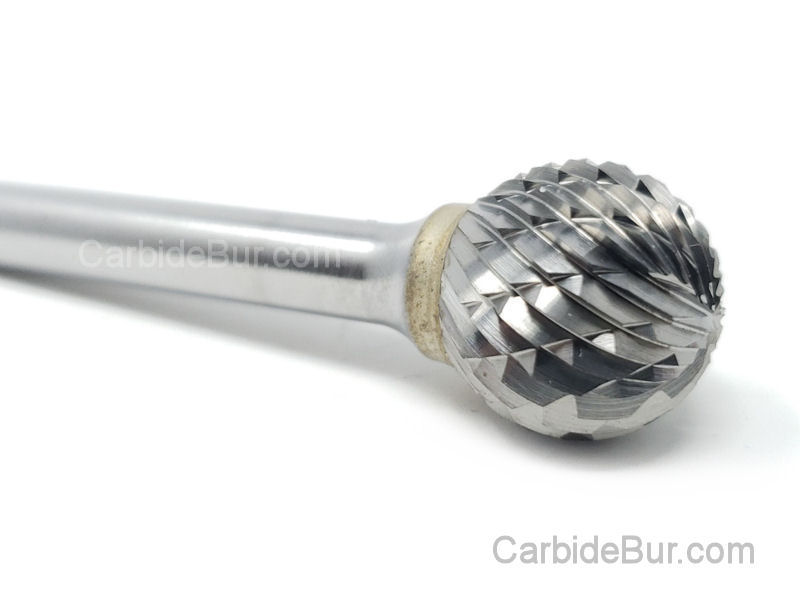
Carbide burrs come in several shapes, each designed for particular tasks. The most common are:
-
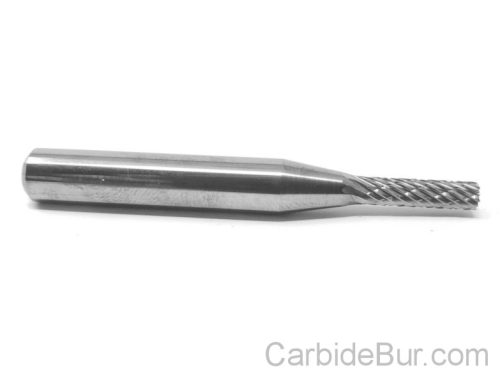
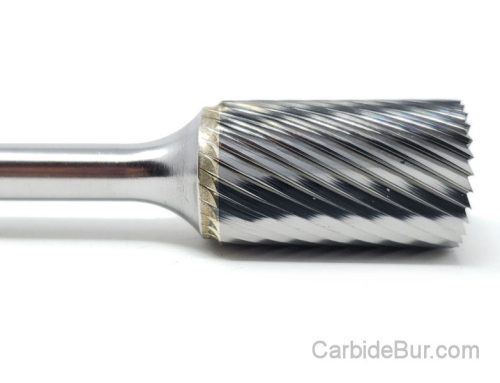
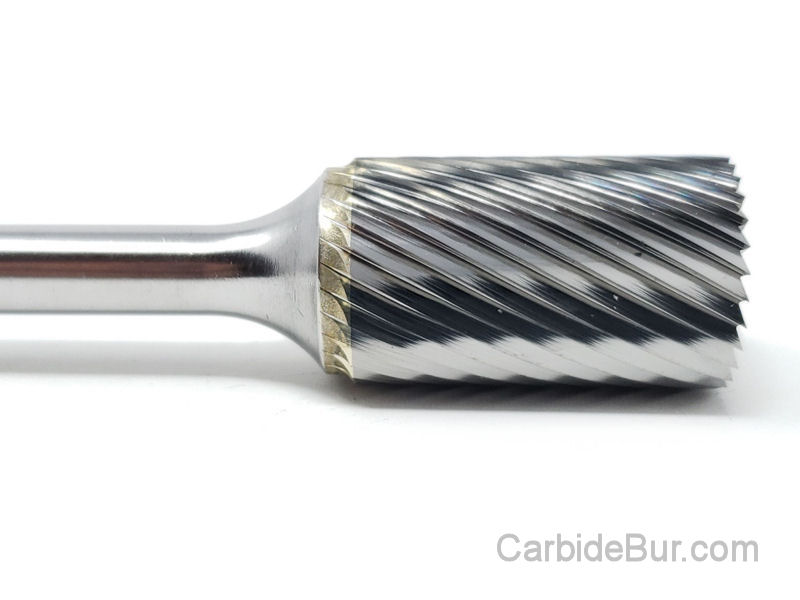
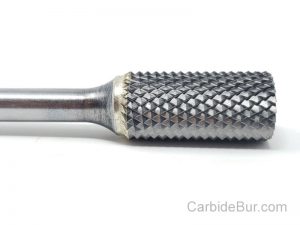
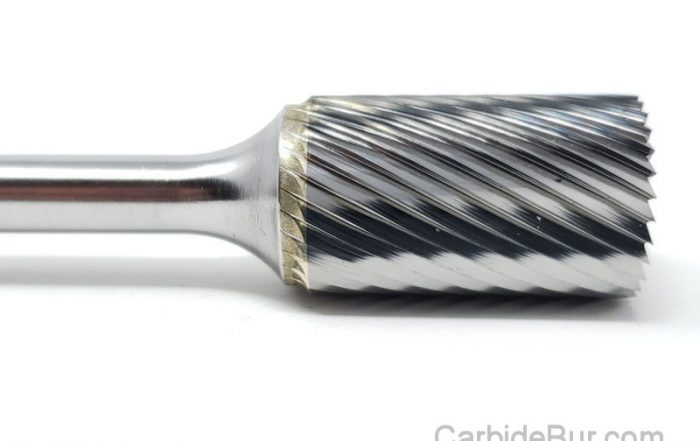
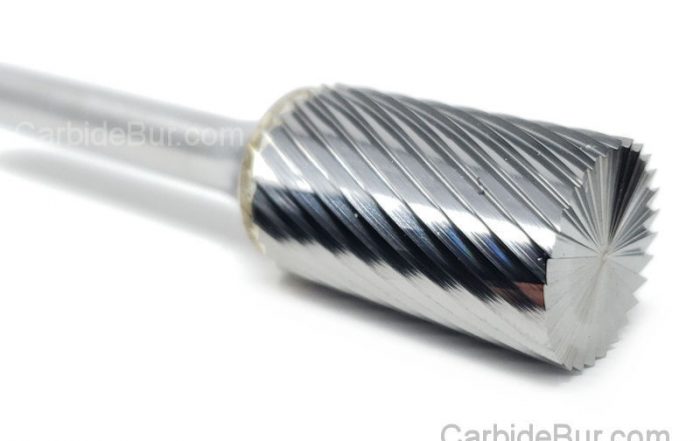
Cylindrical Burrs: Ideal for surface leveling and finishing flat areas.
-
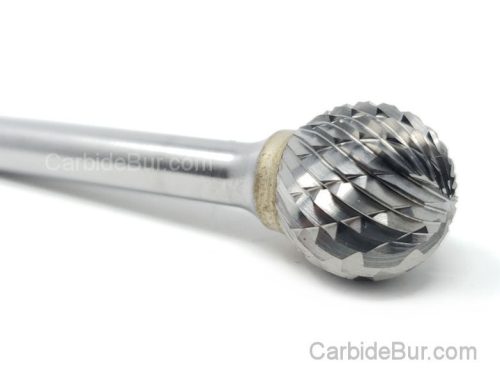
Ball-Shaped Burrs: Perfect for making concave cuts or shaping rounded edges.
-
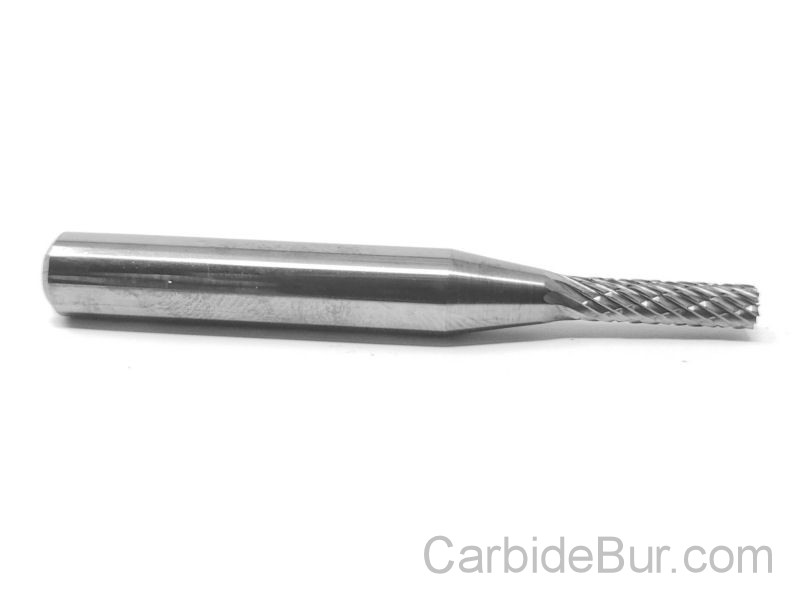
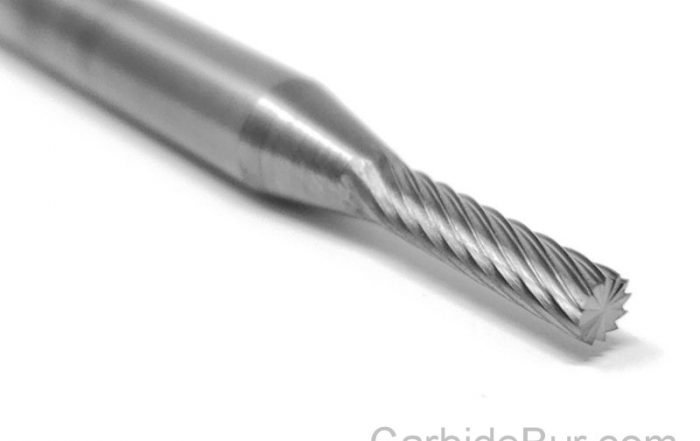
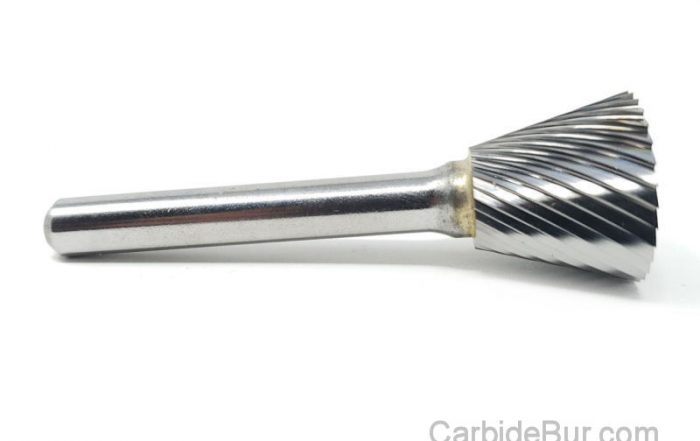
Cone-Shaped Burrs: Useful for working in tight spaces and creating precise angles.
Each shape has its strengths, so it’s crucial to choose the right one based on the task at hand. For example, cylindrical burrs are great for removing large amounts of material efficiently, while ball-shaped burrs excel in detailed work.
Choosing the Right Shape for the Job
Selecting the right burr shape depends on the specific task you’re tackling. For smoothing out flat surfaces, go with a cylindrical burr. If you’re working in confined spaces, a cone-shaped burr will help you reach those tricky areas. When rounding off edges or creating a smooth finish, a ball-shaped burr is your best bet.
Consider the material you’re working with and the shape of the area you need to modify. Matching the burr shape to the task ensures you get the best results without unnecessary wear on your tools.
Benefits of Different Burr Shapes
Each shape offers unique advantages. Cylindrical burrs provide fast material removal, making them ideal for large projects. Ball-shaped burrs allow for smooth finishes, perfect for creating a polished look. Cone-shaped burrs give you the precision needed for intricate work, ensuring you can make accurate modifications.
Using the right shape not only improves your workflow but also enhances the quality of your porting work. By understanding the benefits of each shape, you’ll be better equipped to choose the perfect tool for any job.
Exploring Burr Cuts
Just as important as shape, the type of cut on a burr impacts its performance. Let’s delve into the various cuts available and their effects on your work.
Types of Carbide Burr Cuts
Carbide burrs come with different cuts, including:
-
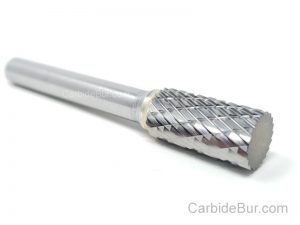
Single Cut: Best for hard materials, producing smooth surfaces.
-
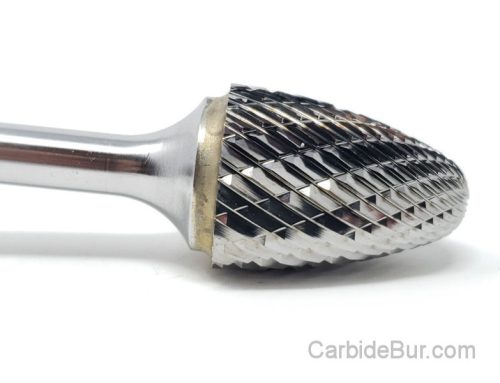
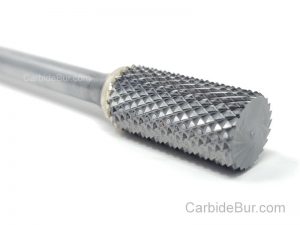
Double Cut: Offers rapid material removal and reduced chip clogging.
-
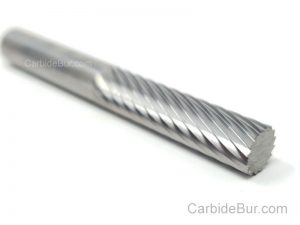
Aluminum Cut: Specifically for softer materials like aluminum, providing a smooth finish.
Each cut is designed for specific applications, so it’s important to choose wisely. Single cuts are great for achieving a clean finish on steel, while double cuts excel in removing material quickly.
Selecting the Appropriate Cut
Choosing the right cut involves considering the material and the desired outcome. For hard metals, opt for single cuts to achieve a polished finish. If you’re working with softer materials, the aluminum cut will provide the best results. When speed is a priority, double cuts are the way to go.
Matching the cut to your material ensures optimal performance and prolongs the life of your burrs. Always test on a small area first to see how the cut interacts with your material.
Impact of Cuts on Performance
The cut type significantly influences performance. Single cuts offer smoother finishes, ideal for detailed work. Double cuts provide faster results, perfect for projects with tight deadlines. Aluminum cuts minimize clogging, ensuring consistent performance on softer metals.
Choosing the right cut enhances efficiency and improves the quality of your modifications. By understanding the impact of each cut, you’ll be able to make informed decisions and achieve the best results.
Porting Techniques and Tips
Effective porting requires the right tools and techniques. Here are some tips to improve your cylinder head porting skills.
Essential Porting Tools and Techniques
For successful cylinder head porting, you’ll need:
-
Die Grinder: A powerful tool for operating your carbide burrs.
-
Carbide Burrs: Choose shapes and cuts based on your specific needs.
-
Protective Gear: Safety goggles and gloves to protect yourself during work.
Begin by marking the areas you want to modify, ensuring you have a clear plan. Use your die grinder at medium speed, applying consistent pressure. Work slowly to avoid removing too much material at once.
Tips for Effective Cylinder Head Porting
Here are some tips to enhance your porting work:
-
Plan Your Work: Outline the areas to modify before starting.
-
Use Light Pressure: Avoid excessive force to prevent errors.
-
Keep Tools Sharp: Regularly maintain burrs for optimal performance.
Practicing these techniques improves precision and prevents mistakes. The more you port, the more comfortable you’ll become with your tools.
Ensuring Precision and Quality
Precision is key in porting. To achieve high-quality results, focus on:
-
Consistency: Maintain even pressure throughout your work.
-
Attention to Detail: Regularly inspect your progress for even results.
-
Tool Maintenance: Keep your burrs sharp and clean for best performance.
These practices ensure your porting work enhances engine performance, providing noticeable improvements in airflow and power.
Maintenance and Safety Measures
Proper maintenance and safety are crucial for successful porting. Follow these guidelines to keep your work safe and efficient.
Best Practices for Burr Maintenance
Maintaining your carbide burrs involves:
-
Regular Cleaning: Remove debris after each use to prevent build-up.
-
Proper Storage: Keep burrs in a dry place to avoid rust.
-
Inspection: Check for wear and replace when necessary.
Regular maintenance prolongs tool life and ensures consistent performance. A little care goes a long way in keeping your tools ready for action.
Safety Measures During Porting
Safety is paramount when porting. Ensure your safety by:
-
Wearing Protective Gear: Always use goggles and gloves.
-
Securing the Work Area: Ensure your workspace is stable and clutter-free.
-
Using Tools Correctly: Follow the manufacturer’s guidelines for safe operation.
These measures prevent accidents and create a safe environment for your projects. Safety should always be your top priority.
Creating a Secure Working Environment
A secure workspace enhances productivity. Create a safe environment by:
-
Organizing Your Tools: Keep your workspace clean and organized.
-
Ensuring Proper Ventilation: Work in a well-ventilated area to avoid inhaling dust.
-
Checking Equipment: Regularly inspect tools for any signs of damage.
Creating a secure environment minimizes risks and allows you to focus on your work. With safety and organization, you’ll enjoy a productive porting experience.
Frequently Asked Questions
What is the best burr shape for cylinder head porting?
Choosing the best burr shape depends on the specific task. Cylindrical burrs are ideal for flat surfaces, ball-shaped burrs for rounded edges, and cone-shaped burrs for tight spaces.
How do I select the right burr cut for my project?
Select the burr cut based on the material and desired finish. Single cuts are best for hard metals, double cuts for rapid removal, and aluminum cuts for softer materials.
Why is regular maintenance of carbide burrs important?
Regular maintenance ensures burrs remain sharp and effective, prolonging their lifespan and enhancing your porting results.
What safety gear should I use during porting?
Always wear safety goggles and gloves to protect against flying debris and sharp edges during porting.
How can I ensure precision in my porting work?
Maintain consistent pressure, regularly inspect progress, and keep tools sharp to ensure precise and high-quality modifications.
Looking for Carbide Bur Tools?
Check out our entire selection of USA made carbide bur die grinder tool bits
Follow us on Twitter

Return to CarbideBur.com
Carbide Burs – 1/4″ on 1/8″ Shanks – Accessories – Aluminum Cut – Bur Sets – End Mills – Long Shank – Solid Burs
Carbide Burr vs. Grinding Stone: Which Is Better for Metal Removal?
Carbide Burr vs. Grinding Stone: Which Is Better for Metal Removal? When you need to remove metal, smooth a rough edge, or shape a metal component, two common options are carbide burrs and grinding stones. [...]
Carbide Burr Safety: RPM, Eye Protection, and Common Mistakes
Carbide Burr Safety: RPM, Eye Protection, and Common Mistakes Carbide burrs are versatile cutting tools used for metal fabrication, welding cleanup, engine porting, deburring, and general material removal. When used correctly, they can help remove [...]
How to Stop Aluminum from Clogging Your Carbide Burr
How to Stop Aluminum from Clogging Your Carbide Burr Aluminum is widely used in automotive work, welding, metal fabrication, aerospace components, and general machining. It is lightweight, relatively easy to machine, and versatile across many [...]
Carbide Burrs for Intake Manifolds: Shaping, Cleanup, and Fitment
Carbide Burrs for Intake Manifolds: Shaping, Cleanup, and Fitment Intake manifold work often involves more than simply bolting a component onto an engine. Depending on the application, metal intake components may have casting irregularities, rough [...]
Why Long-Shank Carbide Burrs Are Useful for Hard-to-Reach Areas
Why Long-Shank Carbide Burrs Are Useful for Hard-to-Reach Areas When working on metal parts, the area that needs grinding or shaping is not always easy to reach. Recessed openings, deep cavities, interior surfaces, and complicated [...]
Choosing Carbide Burrs for Stainless Steel Fabrication
Choosing Carbide Burrs for Stainless Steel Fabrication Stainless steel is widely used in fabrication because of its corrosion resistance, strength, and durability. However, those same properties can make it challenging to machine and finish. Removing [...]
Can You Use Carbide Burrs in a Dremel? Shank Sizes Explained
Can You Use Carbide Burrs in a Dremel? Shank Sizes Explained If you use a Dremel or another rotary tool for detail work, metal shaping, or small fabrication projects, you may wonder whether you can [...]
How to Choose the Best Carbide Burr for Welding and Metal Fabrication
How to Choose the Best Carbide Burr for Welding and Metal Fabrication Welding and metal fabrication often require more than joining two pieces of metal together. Once the welding is finished, fabricators frequently need to [...]
Carbide Burrs for Cylinder Heads: What Automotive Enthusiasts Need to Know
Carbide Burrs for Cylinder Heads: What Automotive Enthusiasts Need to Know Cylinder head work is an important part of engine building, restoration, and performance machining. Whether you are cleaning up casting imperfections, refining port surfaces, [...]
Engine Porting 101: How Carbide Burrs Help Shape Cylinder Head Ports
Engine Porting 101: How Carbide Burrs Help Shape Cylinder Head Ports Engine performance enthusiasts, automotive machinists, and engine builders often look for ways to improve airflow through an engine's cylinder heads. One technique used in [...]
When to Use a 4-Inch or 9-Inch Die Grinder Extension
When to Use a 4-Inch or 9-Inch Die Grinder Extension Metal fabrication, welding, automotive repair, and engine building often require working in places where a standard die grinder and carbide burr cannot easily reach. Recessed [...]
Why Buy USA-Made Carbide Burr Tools? What Buyers Should Compare
Why Buy USA-Made Carbide Burr Tools? What Buyers Should Compare When shopping for carbide burr tools, it's tempting to compare products based on price alone. However, professionals who use rotary cutting tools for welding, metal [...]