How to Make Carbide Burrs Last Longer
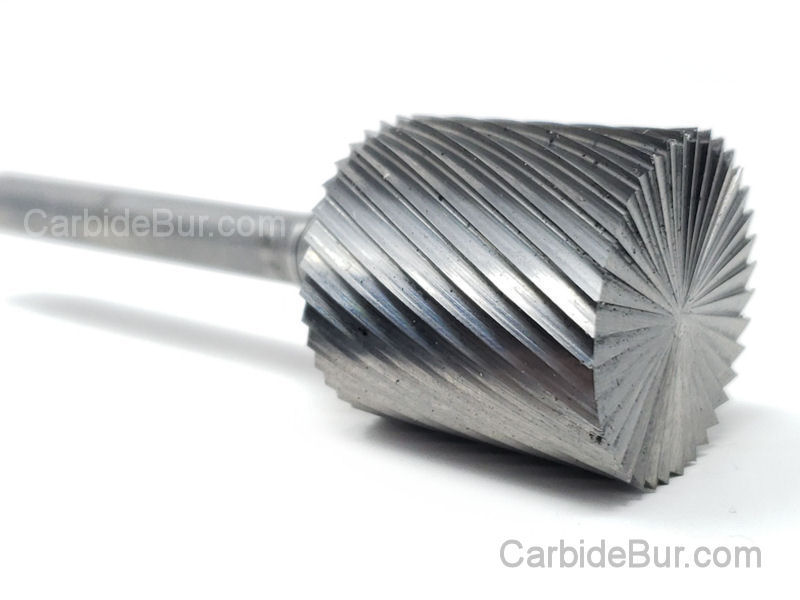
Most people replace carbide burrs too soon, wasting money and time. Your tools can last much longer with the right care and technique. This guide on how to make carbide burrs last longer covers everything from carbide burr maintenance to choosing the right feed rates for burrs, so you get the most from your machining and woodworking tools. For more tips, visit this resource.
Carbide Burr Maintenance Basics
Understanding the foundation of carbide burr maintenance is crucial for prolonging tool life. Start by mastering the essential care techniques.
Importance of Regular Cleaning
Keeping your carbide burrs clean is essential for maintaining their effectiveness. Dirt and debris can cause unnecessary wear and tear. To clean your burrs, use a wire brush to remove any residue. Another effective method is soaking them in a cleaning solution designed for metal tools. This will help dissolve any stubborn materials stuck to the burrs. Consistent cleaning ensures that your tools remain sharp and efficient.
Storage Solutions for Burrs
Proper storage plays a significant role in maintaining your burrs. Store them in a padded container to prevent dulling. You can also use individual slots to keep them organized. Keeping burrs in a dry and cool place prevents rust and corrosion, ensuring they remain in top condition for future use. Investing in the right storage solutions can save you money and extend the life of your tools.

Inspecting for Wear and Tear
Regular inspection of your carbide burrs can prevent costly replacements. Look for signs of dullness or chipping. If you spot any issues, address them immediately to avoid further damage. Rotating the burrs also helps in identifying wear patterns and ensures even usage. Regular inspections are a preventive measure that keeps your tools working effectively.
Optimal Operating Techniques
Once you’ve mastered the basics, it’s time to focus on using your carbide burrs effectively. This section covers key operating techniques.
Understanding Operating Speeds
Knowing the right operating speed is crucial for maximizing burr lifespan. Each burr type has an optimal speed range. Exceeding this range can cause excessive wear. Always refer to the manufacturer’s guidelines for speed recommendations. Proper speed management ensures that your burrs perform efficiently and last longer.
Effective Feed Rates for Burrs
Feed rates are another critical factor in burr longevity. Pushing too hard can damage the burr and the material you’re working on. Aim for a steady and controlled feed to maintain the integrity of your burrs. Practicing the right feed rate techniques will help you achieve cleaner cuts and extend burr life.
Maintaining Burr Lubrication
Lubrication reduces friction and heat, which can damage your burrs. Use a light oil or specialized lubricant during operation. This not only protects your burrs but also enhances the quality of your work. Ensuring adequate lubrication is a simple step that offers significant benefits in tool maintenance.
Material and Application Considerations
The materials you work with and how you apply your burrs greatly affect their longevity. Explore these considerations to optimize your tool use.
Selecting the Right Burr for Jobs
Choosing the appropriate burr for specific tasks is essential. Different materials require different burr types. For example, aluminum necessitates a burr designed to handle softer materials. Using the right burr ensures efficient work and prolongs tool life. For guidance on selecting the right burrs, check out this useful guide.
Impact of Material on Burr Longevity
The material you work with affects burr wear. Harder materials like steel can cause more wear than softer ones. Adjusting your technique based on the material can prevent premature burr wear. Understanding these differences allows you to make informed decisions and maintain your tools effectively.
Application-Specific Burr Selection
Every application has its ideal burr type. Whether you’re working on metal, wood, or plastic, selecting the correct burr is vital. Using a burr unsuitable for the task can lead to faster wear and subpar results. Tailoring your burr choice to the application ensures durability and precision in your work.
Enhancing Tool Longevity
Extending the life of your carbide burrs involves more than just maintenance. Implement these strategies for optimal results.
Scheduling Periodic Inspections
Regularly scheduled inspections are key to catching issues early. Set reminders to check your burrs at consistent intervals. This proactive approach allows you to address problems before they escalate, saving you time and money in the long run.
Practical Maintenance Tips
Simple steps can significantly impact the lifespan of your burrs. Use protective gear to avoid contaminating the burrs with oils or dirt from your hands. Regularly check for alignment issues that may cause uneven wear. These practical tips are easy to implement and offer great returns in tool longevity.
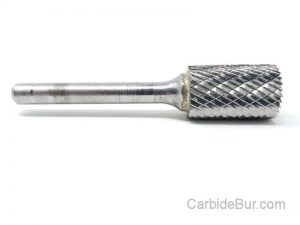
Cost-Effectiveness in Tool Care
Proper maintenance is not just about extending tool life; it’s also about saving costs. By keeping your burrs in top condition, you reduce the need for frequent replacements. This cost-effective approach benefits both your wallet and your work quality.
Advanced Machining and Woodworking Tips
For those looking to take their skills further, advanced tips can bring significant improvements to your tool management.
Best Practices for DIY Enthusiasts
DIY enthusiasts can benefit from knowing the basics and beyond. Always start with small projects to understand burr behavior. Gradually move to more complex tasks as your skills improve. These practices ensure a smooth learning curve and better results.
Professional Machining Tips
For professionals, precision and efficiency are paramount. Invest in high-quality burrs that match your work requirements. Pay attention to the latest techniques and tools that can enhance your output. These tips help you stay competitive and ensure high-quality work.
Woodworking Tool Care Strategies
Woodworkers need to focus on specific care strategies for their tools. Use wood-friendly lubricants to prevent tool damage. Regularly sharpen your burrs to maintain their effectiveness. These strategies are essential for anyone serious about woodworking.
Frequently Asked Questions
How often should I clean my carbide burrs?
Clean your carbide burrs after each use to prevent buildup and ensure longevity.
What type of lubricant should I use for carbide burrs?
Use a light oil or a specialized metal lubricant to reduce friction and heat during operation.
How do I choose the right burr for a project?
Consider the material you are working with and select a burr designed for that specific application to ensure optimal performance.
What signs indicate that my burr needs replacement?
Look for dullness, chipping, or uneven wear as signs that your burr may need to be replaced.
How can I store my carbide burrs to extend their life?
Store carbide burrs in a padded container or individual slots in a cool, dry place to prevent damage and rust.
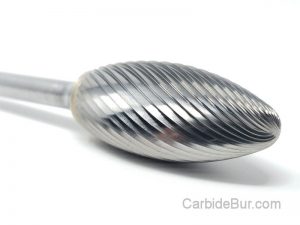
Looking for Carbide Bur Tools?
Check out our entire selection of USA made carbide bur die grinder tool bits
Follow us on Twitter

Return to CarbideBur.com
Carbide Burs – 1/4″ on 1/8″ Shanks – Accessories – Aluminum Cut – Bur Sets – End Mills – Long Shank – Solid Burs
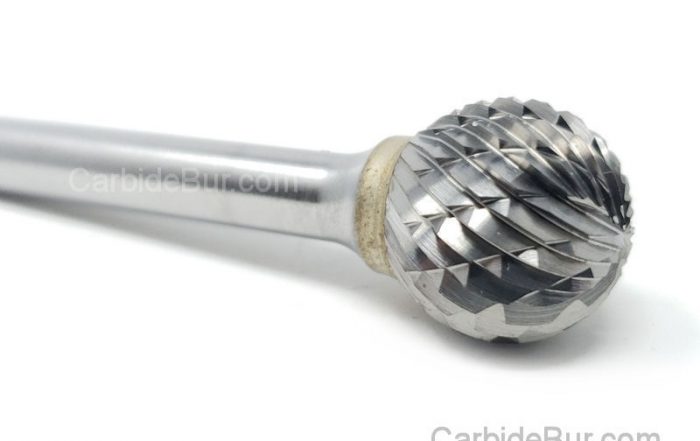
Carbide Burr vs. Grinding Stone: Which Is Better for Metal Removal?
Carbide Burr vs. Grinding Stone: Which Is Better for Metal Removal? When you need to remove metal, smooth a rough edge, or shape a metal component, two common options are carbide burrs and grinding stones. [...]
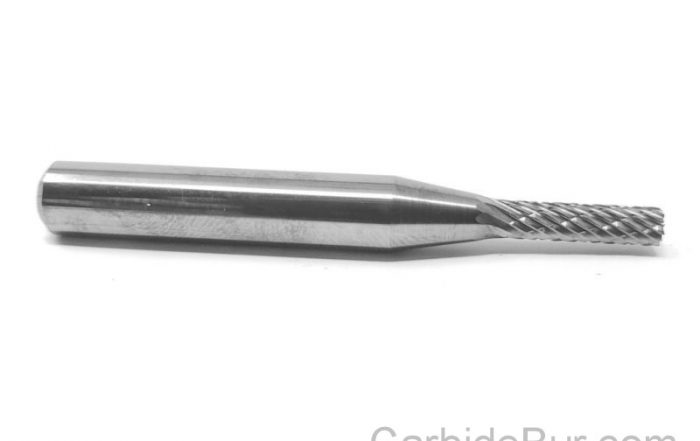
Carbide Burr Safety: RPM, Eye Protection, and Common Mistakes
Carbide Burr Safety: RPM, Eye Protection, and Common Mistakes Carbide burrs are versatile cutting tools used for metal fabrication, welding cleanup, engine porting, deburring, and general material removal. When used correctly, they can help remove [...]
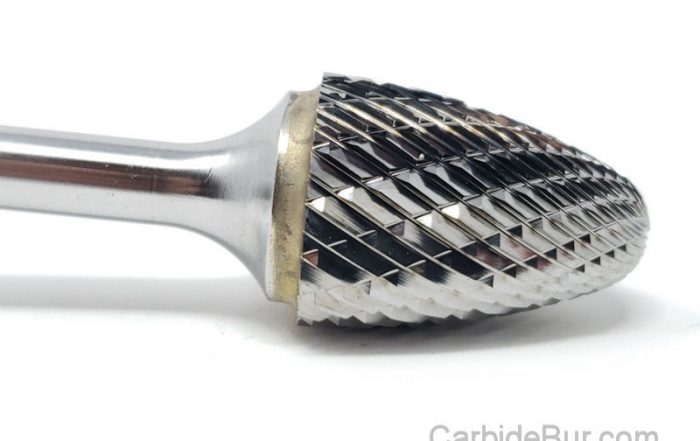
How to Stop Aluminum from Clogging Your Carbide Burr
How to Stop Aluminum from Clogging Your Carbide Burr Aluminum is widely used in automotive work, welding, metal fabrication, aerospace components, and general machining. It is lightweight, relatively easy to machine, and versatile across many [...]
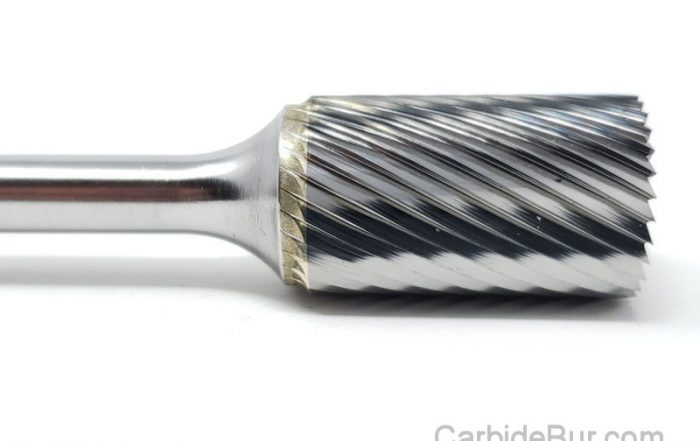
Carbide Burrs for Intake Manifolds: Shaping, Cleanup, and Fitment
Carbide Burrs for Intake Manifolds: Shaping, Cleanup, and Fitment Intake manifold work often involves more than simply bolting a component onto an engine. Depending on the application, metal intake components may have casting irregularities, rough [...]
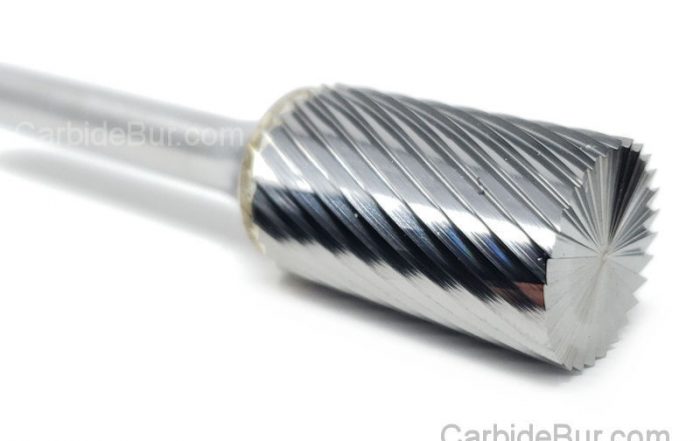
Why Long-Shank Carbide Burrs Are Useful for Hard-to-Reach Areas
Why Long-Shank Carbide Burrs Are Useful for Hard-to-Reach Areas When working on metal parts, the area that needs grinding or shaping is not always easy to reach. Recessed openings, deep cavities, interior surfaces, and complicated [...]
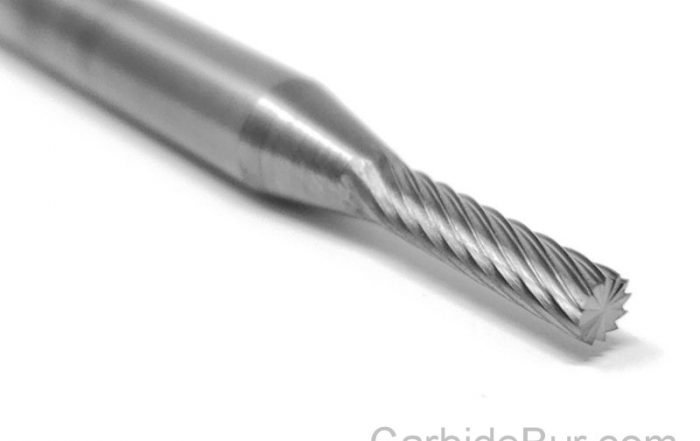
Choosing Carbide Burrs for Stainless Steel Fabrication
Choosing Carbide Burrs for Stainless Steel Fabrication Stainless steel is widely used in fabrication because of its corrosion resistance, strength, and durability. However, those same properties can make it challenging to machine and finish. Removing [...]
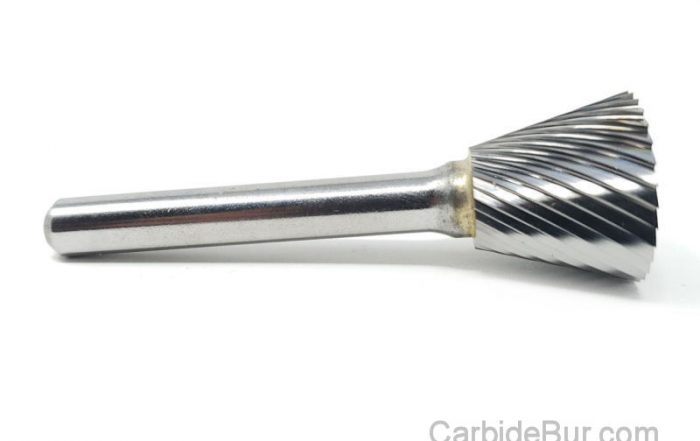
Can You Use Carbide Burrs in a Dremel? Shank Sizes Explained
Can You Use Carbide Burrs in a Dremel? Shank Sizes Explained If you use a Dremel or another rotary tool for detail work, metal shaping, or small fabrication projects, you may wonder whether you can [...]
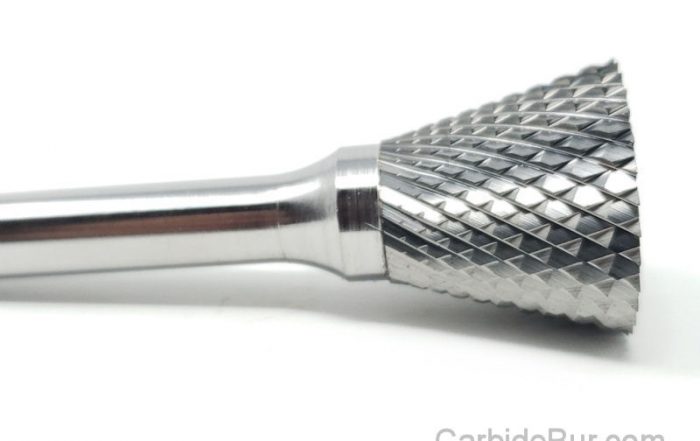
How to Choose the Best Carbide Burr for Welding and Metal Fabrication
How to Choose the Best Carbide Burr for Welding and Metal Fabrication Welding and metal fabrication often require more than joining two pieces of metal together. Once the welding is finished, fabricators frequently need to [...]
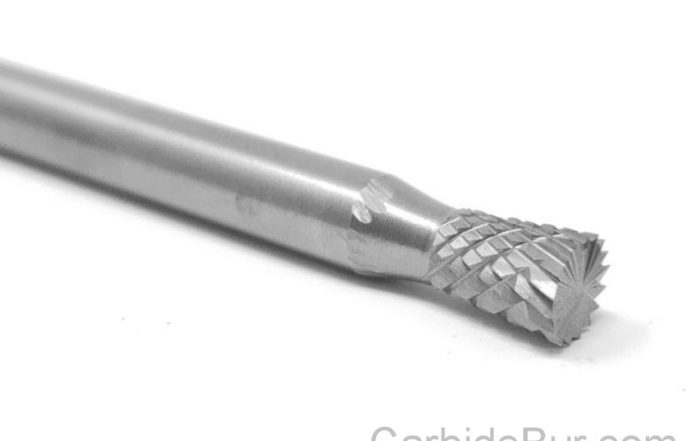
Carbide Burrs for Cylinder Heads: What Automotive Enthusiasts Need to Know
Carbide Burrs for Cylinder Heads: What Automotive Enthusiasts Need to Know Cylinder head work is an important part of engine building, restoration, and performance machining. Whether you are cleaning up casting imperfections, refining port surfaces, [...]
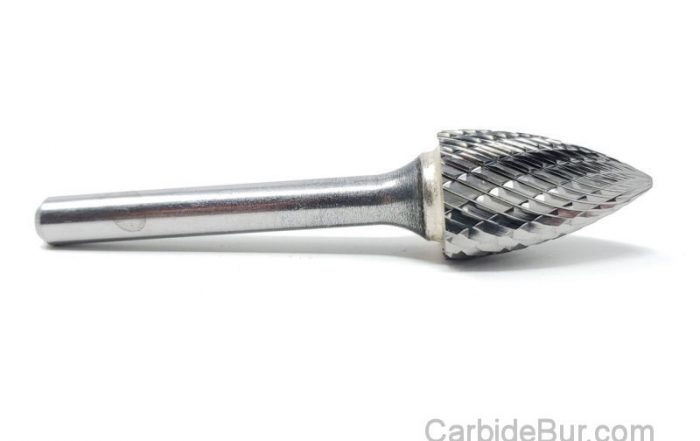
Engine Porting 101: How Carbide Burrs Help Shape Cylinder Head Ports
Engine Porting 101: How Carbide Burrs Help Shape Cylinder Head Ports Engine performance enthusiasts, automotive machinists, and engine builders often look for ways to improve airflow through an engine's cylinder heads. One technique used in [...]
When to Use a 4-Inch or 9-Inch Die Grinder Extension
When to Use a 4-Inch or 9-Inch Die Grinder Extension Metal fabrication, welding, automotive repair, and engine building often require working in places where a standard die grinder and carbide burr cannot easily reach. Recessed [...]
Why Buy USA-Made Carbide Burr Tools? What Buyers Should Compare
Why Buy USA-Made Carbide Burr Tools? What Buyers Should Compare When shopping for carbide burr tools, it's tempting to compare products based on price alone. However, professionals who use rotary cutting tools for welding, metal [...]