
Shape Matters: Choosing the Best Carbide Bur for Intake and Exhaust Port Smoothing
Most engine builders skip the fine details that make porting stand out. Choosing the right carbide bur shape can change your intake port smoothing and exhaust port results more than you think. Knowing which engine porting burs fit each task saves time and sharpens your tuning tools. Let’s break down the key bur shape uses that can push your engine work closer to perfection. For more insights, check out this comprehensive guide to carbide burr shapes and their uses.
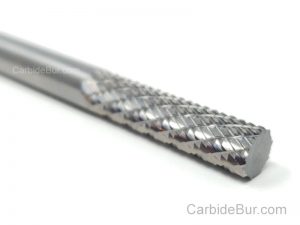
Have you checked out our selection of Carbide Bur Tools?
Understanding Carbide Bur Shapes
Selecting the proper carbide bur shapes is like choosing the right tool for any job—crucial for success. The wrong shape can waste time and effort. Let’s explore the popular shapes and how they fit into engine porting.
Popular Carbide Bur Shapes
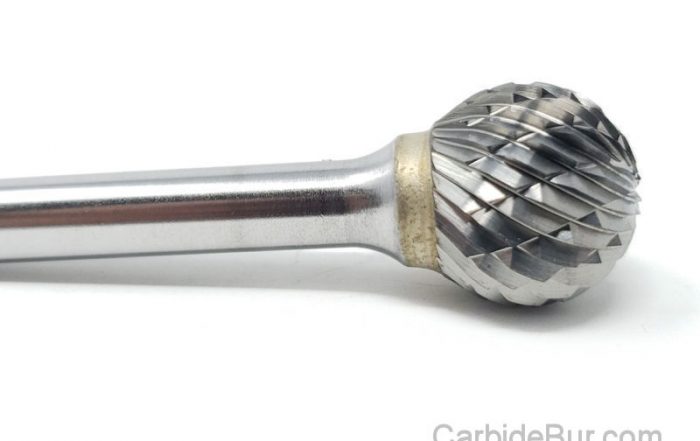
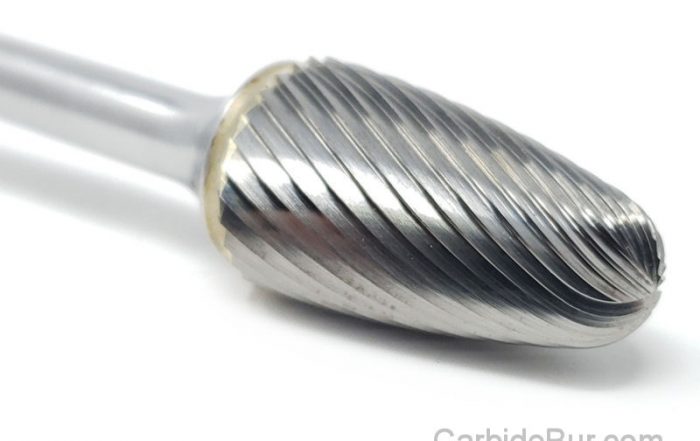
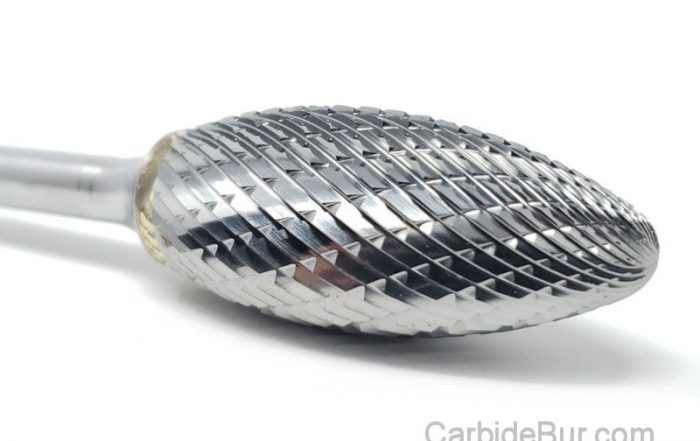
There are several common shapes you should know. Ball burs, for instance, are great for rounded surfaces. They give you the ability to smooth curves without gouging. Flame burs come in handy for longer cuts and detailed work. They work well in tight spots where precision is key.
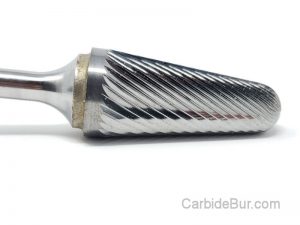
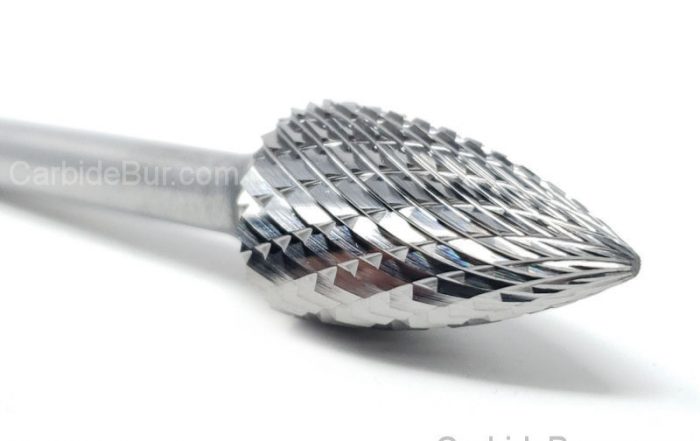
Tree burs, on the other hand, are ideal for reaching into narrow areas. Their tapered shape helps you avoid accidentally widening the port. Each shape has its unique strengths, so understanding them can save you a lot of trouble. For a deeper dive into shape usage, visit this helpful forum discussion.
Choosing the Right Bur for Porting
Selecting the right bur depends on the task at hand. You want a ball bur for general smoothing in open areas. This shape is forgiving and easy to control. When dealing with intricate areas, a flame bur should be your go-to. It allows for detailed work without sacrificing control.
For removing material in tight spaces, reach for a tree bur. Its design helps prevent overcutting. Consider what you need each tool to do, and match the shape accordingly. The right choice can significantly enhance your porting results. For tips on selection, check out how to choose the best carbide bur for your needs.
Impact on Intake and Exhaust Results
The shape you choose impacts both intake and exhaust port performance. Each shape offers unique advantages that can improve your engine’s efficiency.
Intake Port Smoothing Techniques
Intake ports benefit from smooth transitions, allowing air to flow without disruption. A ball bur can help you achieve this by smoothing larger areas quickly. Focus on eliminating sharp edges that can create turbulence. Consistent, light pressure is key to maintaining smoothness.
Flame burs are perfect for refining these results. They allow you to address smaller imperfections that might be missed with a larger bur. Use a light touch to prevent removing too much material. For more techniques on optimal smoothing, check out this extensive guide.
Exhaust Port Burs for Efficiency
Exhaust ports require different attention. Tree burs can help clear tight areas without risking damage. It’s vital to maintain a consistent diameter to ensure gases escape efficiently. Avoid deep cuts that might disrupt flow.
A flame bur can refine these areas, smoothing out any roughness left behind. This step ensures gases move through smoothly, enhancing overall engine performance. The right approach can dramatically improve your engine’s exhaust effectiveness. For more on enhancing exhaust results, visit this informative article.
Practical Tips for Engine Tuning
Once you understand the shapes and their applications, it’s time to get practical. Let’s focus on maximizing the benefits these tools offer.
Bur Shape Uses and Benefits
Each bur shape has specific uses and benefits. Ball burs help you smooth large areas quickly, reducing time spent on basic shaping. Flame burs provide precision, making them ideal for detailed work. They’re perfect for refining details after initial smoothing.
Tree burs are excellent for tight areas, preventing overcutting. They help maintain the port’s natural flow. Understanding these benefits can make your porting work more effective and efficient. By choosing wisely, you can achieve professional-grade results.
Essential Engine Porting Burs
To optimize your porting work, a well-rounded set of burs is essential. Start with a variety of ball, flame, and tree burs. This selection covers a wide range of tasks, ensuring you’re prepared for any challenge.
Investing in quality burs pays off in the long run. They last longer and perform better, saving you both time and money. With the right tools, your engine tuning can reach new heights. Remember, the longer you wait to upgrade your tools, the more you’re missing out on potential improvements.
In summary, understanding carbide bur shapes and choosing the right ones for your tasks can transform your engine tuning efforts. Embrace these insights, and watch your porting results soar.
Find more information at CarbideBur.com

Can You Use a Carbide Burr With an Electric Die Grinder?
Can You Use a Carbide Burr With an Electric Die Grinder? Most people don’t realize how much a carbide burr can change the way an electric die grinder works. Using the right burr type can [...]
How to Deburr Holes With a Carbide Burr
How to Deburr Holes With a Carbide Burr Most people think any tool will do for deburring holes. The truth is, using the right carbide burr with the correct size and shape changes everything. In [...]
How to Choose the Correct Carbide Burr Shank Size
How to Choose the Correct Carbide Burr Shank Size Many machinists lose hours troubleshooting tool issues caused by the wrong carbide burr shank size. Using a shank that doesn’t fit your grinder can lead to [...]
How to Remove Casting Flash With a Carbide Burr
How to Remove Casting Flash With a Carbide Burr Casting flash ruins the look and fit of your metal parts. You’ve tried sanding or grinding, but the results aren’t clean or fast enough. Learning how [...]
Best Carbide Burr for Enlarging a Hole in Metal
Best Carbide Burr for Enlarging a Hole in Metal When you need to enlarge a hole in metal, grabbing the wrong carbide burr can turn a simple task into a frustrating mess. Picking the best [...]
Carbide Burr Safety: 15 Mistakes That Can Cause Injury or Damage
Carbide Burr Safety: 15 Mistakes That Can Cause Injury or Damage Carbide burr safety is often overlooked until a costly mistake happens. Many metalworkers and DIYers make the same errors that lead to injuries or [...]
Can You Use a Carbide Burr in a Drill?
Can You Use a Carbide Burr in a Drill? Most people think a standard drill can’t handle a carbide burr, but that’s not true. Using carbide burr in the right drill can speed up your [...]
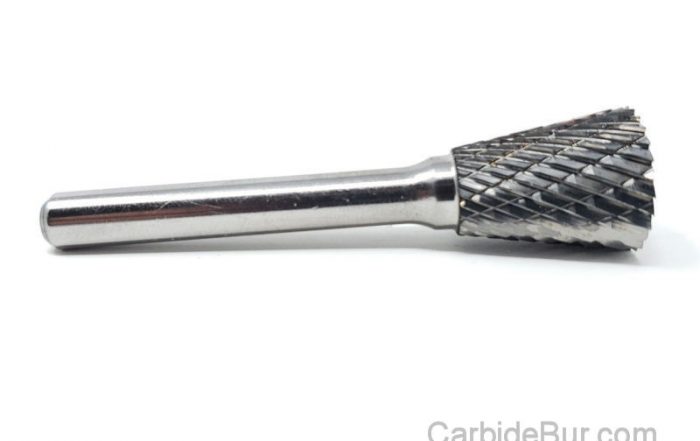
Carbide Burrs for Removing Rust: What Works Best?
Carbide Burrs for Removing Rust: What Works Best? Rust can turn your favorite tools into useless junk faster than you expect. Removing it without ruining the metal underneath takes more than just elbow grease—it demands [...]
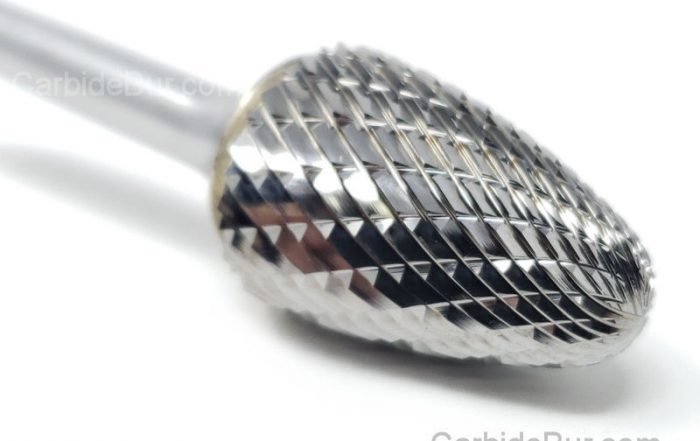
How Much Pressure Should You Use With a Carbide Burr?
How Much Pressure Should You Use With a Carbide Burr? Most people think pressing harder with a carbide burr speeds up the job. That’s not true—too much pressure wears out your tool and ruins the [...]
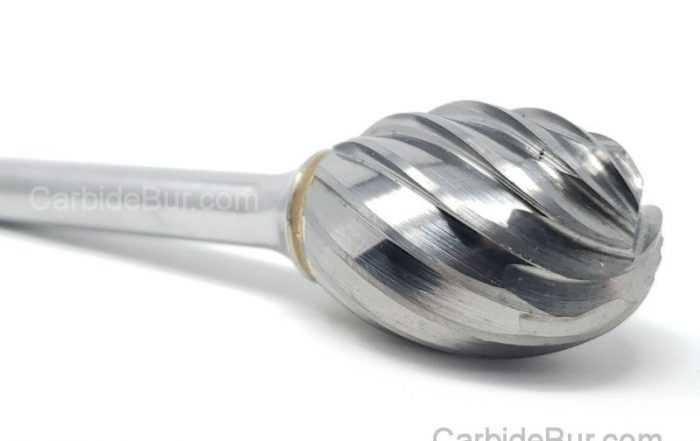
Can You Use Carbide Burrs With an Air Die Grinder?
Can You Use Carbide Burrs With an Air Die Grinder? Most people don’t realize how well carbide burrs work with air die grinders until they try them. If you’ve ever struggled with finding the right [...]
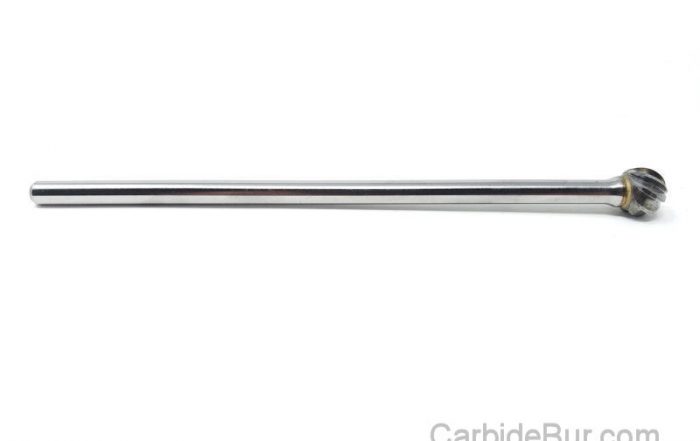
Best Long Reach Carbide Burr for Deep Metal Work
Best Long Reach Carbide Burr for Deep Metal Work Long reach carbide burrs often promise deep metal access, but many fall short where it counts most. You need a tool that cuts cleanly, lasts through [...]
What RPM Should You Use for a 1/8 Inch Carbide Burr?
What RPM Should You Use for a 1/8 Inch Carbide Burr? Most people guess the right carbide burr RPM by feel—and waste hours redoing work. If you want cleaner cuts and longer tool life, your [...]
