
Mastering Precision: Effective Use of Cylinder Burrs for Safe Lock Drilling
Most safe lock drilling jobs go wrong because the first hole isn’t precise. Using the right cylinder burr for pilot hole drilling sets the stage for accurate cuts without wrecking the safe’s integrity. This guide breaks down which locksmithing tools work best and how your drilling techniques can protect the safe while boosting drilling accuracy. For more information on best practices and applications, check this guide.
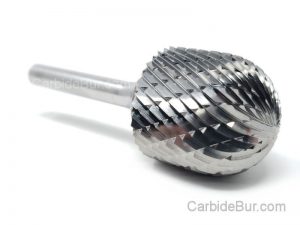
We have the perfect tools you need for safe cracking and manipulation used by professionals
Understanding Cylinder Burrs
Getting the first hole right is crucial. It starts with picking the perfect cylinder burr. These tools are key in making sure you start on the right path.
Types of Cylinder Burrs
Cylinder burrs come in many shapes and sizes. Choosing the right one is like picking the right key for a lock. Each type has a unique purpose:
-
Aluminum burrs: Ideal for softer materials.
-
Tungsten carbide burrs: Tougher, perfect for hard metals.
-
Diamond burrs: Best for precision work.
Each burr offers different benefits. It’s about matching the burr to the job. For a deeper dive into these tools, explore this resource.
Applications in Locksmithing
In locksmithing, cylinder burrs are indispensable. They’re not just for making holes. They are your precision partners.
-
Pilot hole drilling: Guides larger tools, ensuring minimal damage.
-
Detail work: Helps refine and finish cuts.
-
Safe lock drilling: Enhances accuracy for secure entry.
Imagine you’re opening a safe. The right burr keeps everything smooth and intact. It’s the difference between a clean job and a costly mistake. Check out these insights from fellow professionals.
Best Practices for Precision Drilling
Precision drilling ensures that your work is top-notch. Let’s talk about how to get it right every time.
Choosing the Right Drilling Technique
Your technique can make or break a project. Here’s how to choose wisely:
-
Assess the material: Different materials need different approaches.
-
Select the right speed: Too fast, and you risk damage. Too slow, and it’s inefficient.
-
Angle matters: Keep the drill steady and at the correct angle.
Picture this: You’re drilling into a safe, each move calculated. The right technique saves time and preserves the safe’s condition.
Maintaining Safe Integrity
When drilling, protecting the safe is crucial. How do you achieve this?
-
Use proper lubrication: Reduces heat and wear.
-
Steady hand, steady drill: Prevents unnecessary damage.
-
Regular checks: Ensure everything is aligned.
Consider the safe as a puzzle. Each piece must remain intact. This keeps the safe functional and secure, a top priority in any job.
Enhancing Drilling Accuracy
Once you’ve mastered the basics, it’s time to boost your accuracy. This can set you apart from the rest.
Importance of Pilot Hole Drilling
Pilot hole drilling is like setting a foundation. It guides your main drill, reducing errors. Why is this so crucial?
-
Prevents drift: Keeps the larger drill on track.
-
Reduces stress: On both the drill and the material.
-
Improves finish: Results in a cleaner, more professional look.
Think of it as mapping out your route before a journey. It saves time and prevents detours.
Using Hardened Steel Burrs
Hardened steel burrs are game-changers for tough jobs. Here’s why you should consider them:
-
Durability: They last longer, saving costs over time.
-
Precision: Cuts cleanly through hardened materials.
-
Versatility: Suitable for a variety of applications.
Imagine facing a stubborn lock. A hardened steel burr slices through, making the job swift and efficient.
In conclusion, mastering the use of cylinder burrs can transform your drilling tasks. They offer precision, maintain safe integrity, and enhance your overall effectiveness. Stay informed, practice regularly, and always choose quality tools. Your next project awaits, and with these insights, you’re well-equipped to succeed.

Can You Use a Carbide Burr With an Electric Die Grinder?
Can You Use a Carbide Burr With an Electric Die Grinder? Most people don’t realize how much a carbide burr can change the way an electric die grinder works. Using the right burr type can [...]
How to Deburr Holes With a Carbide Burr
How to Deburr Holes With a Carbide Burr Most people think any tool will do for deburring holes. The truth is, using the right carbide burr with the correct size and shape changes everything. In [...]
How to Choose the Correct Carbide Burr Shank Size
How to Choose the Correct Carbide Burr Shank Size Many machinists lose hours troubleshooting tool issues caused by the wrong carbide burr shank size. Using a shank that doesn’t fit your grinder can lead to [...]
How to Remove Casting Flash With a Carbide Burr
How to Remove Casting Flash With a Carbide Burr Casting flash ruins the look and fit of your metal parts. You’ve tried sanding or grinding, but the results aren’t clean or fast enough. Learning how [...]
Best Carbide Burr for Enlarging a Hole in Metal
Best Carbide Burr for Enlarging a Hole in Metal When you need to enlarge a hole in metal, grabbing the wrong carbide burr can turn a simple task into a frustrating mess. Picking the best [...]
Carbide Burr Safety: 15 Mistakes That Can Cause Injury or Damage
Carbide Burr Safety: 15 Mistakes That Can Cause Injury or Damage Carbide burr safety is often overlooked until a costly mistake happens. Many metalworkers and DIYers make the same errors that lead to injuries or [...]
Can You Use a Carbide Burr in a Drill?
Can You Use a Carbide Burr in a Drill? Most people think a standard drill can’t handle a carbide burr, but that’s not true. Using carbide burr in the right drill can speed up your [...]
Carbide Burrs for Removing Rust: What Works Best?
Carbide Burrs for Removing Rust: What Works Best? Rust can turn your favorite tools into useless junk faster than you expect. Removing it without ruining the metal underneath takes more than just elbow grease—it demands [...]
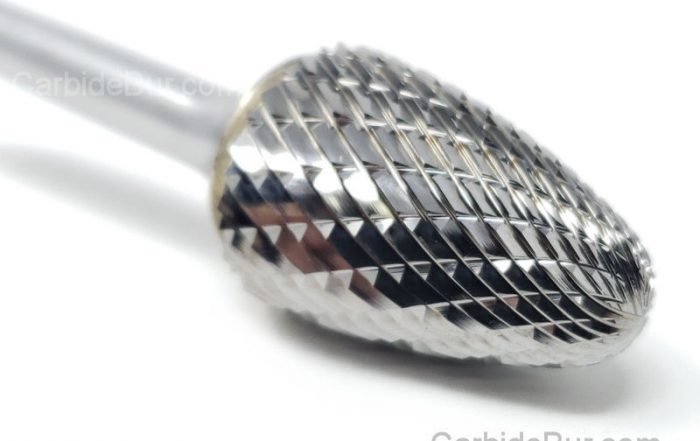
How Much Pressure Should You Use With a Carbide Burr?
How Much Pressure Should You Use With a Carbide Burr? Most people think pressing harder with a carbide burr speeds up the job. That’s not true—too much pressure wears out your tool and ruins the [...]
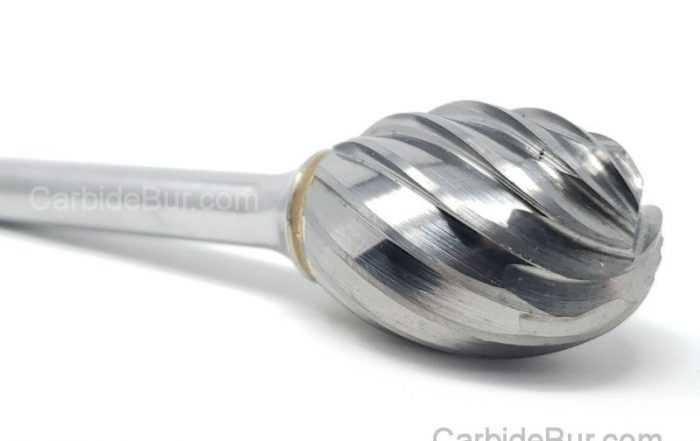
Can You Use Carbide Burrs With an Air Die Grinder?
Can You Use Carbide Burrs With an Air Die Grinder? Most people don’t realize how well carbide burrs work with air die grinders until they try them. If you’ve ever struggled with finding the right [...]
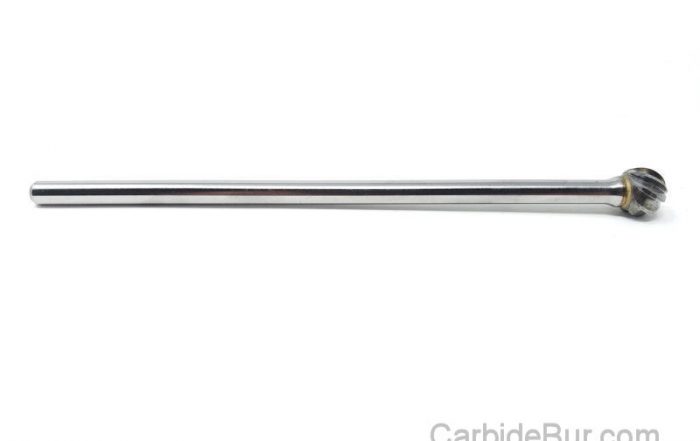
Best Long Reach Carbide Burr for Deep Metal Work
Best Long Reach Carbide Burr for Deep Metal Work Long reach carbide burrs often promise deep metal access, but many fall short where it counts most. You need a tool that cuts cleanly, lasts through [...]
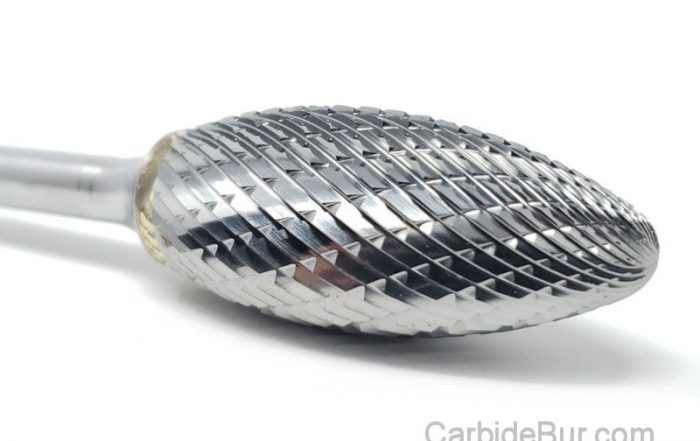
What RPM Should You Use for a 1/8 Inch Carbide Burr?
What RPM Should You Use for a 1/8 Inch Carbide Burr? Most people guess the right carbide burr RPM by feel—and waste hours redoing work. If you want cleaner cuts and longer tool life, your [...]
