
Tool Selection and Safety Precautions: Enhancing Your Weld Grinding Skills
Many welders don’t realize how much damage a simple grinding mistake can cause to weld integrity. Using the wrong tool or applying too much pressure often ruins what should be a strong, clean finish. In this post, you’ll learn how avoiding common grinding mistakes and following safety precautions can sharpen your skills and improve your results every time. Understanding the right approach makes all the difference in your welding projects. For more insights, check out this guide on weld smoothing precision.
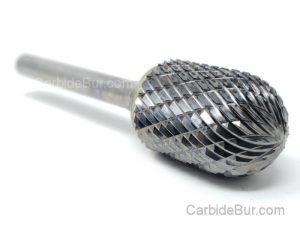
Have you tried our Carbide Burs for your job?
Common Weld Grinding Mistakes
Understanding the pitfalls in weld grinding is crucial to improving your skills. Let’s explore some common mistakes and how to avoid them.
Incorrect Tool Selection
Choosing the right tool is the foundation of successful grinding. Many welders mistakenly opt for tools that aren’t suited to their specific tasks. A tool that’s too coarse can damage your metal, while one that’s too fine might not effectively remove material.
Consider the specific requirements of your project before starting. For instance, using a carbide burr is often best for metalwork. The right tool reduces effort and improves outcomes significantly. Always remember to evaluate your options and don’t rush the selection process.
Inadequate Pressure Application
Applying pressure correctly can prevent many issues. Too much force can lead to overheating and distortion. On the other hand, too little pressure may result in uneven surfaces.
Begin with light pressure, gradually increasing as necessary. This approach helps maintain control and prevents unwanted marks on your workpiece. You can achieve a smooth finish without compromising the metal’s integrity. Be patient and let the tool do the work to avoid unnecessary strain.
Neglecting Safety Precautions
Safety is paramount in any welding task. Ignoring basic safety measures can lead to accidents and injuries. Always wear protective gear and ensure your workspace is organized.
Use gloves, goggles, and a mask to shield yourself from sparks and debris. A tidy area prevents slips and enhances focus. For an in-depth look at maintaining safety standards, refer to these essential welding safety tips. Staying safe enables you to work confidently and efficiently.
Importance of Tool Selection
The choice of tools directly impacts the quality of your weld grinding. Here’s why selecting the right tools is essential for any welder.
Choosing the Right Tools
Selecting tools that suit your needs enhances performance. The right choice can save time and improve the finish quality. Opt for tools designed for specific metals and tasks.
Understand the materials you are working with and match your tools accordingly. For example, stainless steel requires different abrasives than carbon steel. By tailoring your tools to your project, you ensure precision and efficiency, leading to professional results.
Understanding Carbide Burs and Burrs
Carbide burs are versatile, offering superb cutting capability on various metals. Recognizing their benefits can elevate your grinding practice. They are durable and provide a clean finish, making them a popular choice in metalwork.
These tools cut through material with ease, reducing the need for excessive effort. Utilizing them can significantly enhance your workflow. For more detailed insights, exploring carbide bur applications can be immensely beneficial.
Safety Precautions in Grinding
Taking robust safety precautions is key to a successful and accident-free grinding process.

Essential Safety Gear
Proper gear protects you and ensures you can focus on the task at hand. Essential items include gloves, goggles, ear protection, and sturdy footwear.
Each piece serves a unique purpose. For instance, gloves protect your hands from heat, while goggles shield your eyes from sparks. Investing in quality gear is a small price to pay for your safety. Always conduct a gear check before you start grinding.
Maintaining a Safe Work Environment
A safe environment minimizes risks and enhances productivity. Clear your workspace of clutter and ensure all tools are accessible but not obstructive.
Regularly inspect your equipment for wear and tear. Replace any faulty tools immediately. A clean, organized space allows you to concentrate fully on your work. Implementing these practices fosters a disciplined and safe working culture.
Understanding Material Finishes
Achieving the right material finish is essential for both aesthetic and functional purposes. Let’s dive into how to perfect your finishes.
Different Material Types
Different metals require different approaches. Understanding material properties is crucial in selecting the correct grinding technique.
Metals like aluminum and steel react differently to grinding. Research the characteristics of your materials to determine the best process. This knowledge helps you avoid damaging your workpiece and ensures a high-quality finish.
Achieving Optimal Finishes
The goal is to achieve a smooth, polished finish. Use finer abrasives for the final stages to enhance the appearance of your welds.
Make gradual changes in grit size to avoid scratches and marks. Patience and precision are vital. A well-finished weld not only looks good but also performs better. Remember, the longer you take, the better your results will be.
Enhancing Your Welding Techniques
By refining your techniques, you can consistently produce high-quality welds. Here’s how to enhance your skills.
Ensuring Weld Integrity
Weld integrity is about strength and durability. Proper grinding contributes to this by removing excess material without compromising the weld.
Focus on even pressure and tool control. This approach maintains the weld’s structural integrity. Consistent practice and attention to detail will improve your results over time. Strong welds are the backbone of any successful project.
Practical Grinding Techniques
Developing effective techniques takes time and practice. Begin with small projects to hone your skills and build confidence.
Experiment with different tools and methods to find what works best for you. Continuous learning and adaptation are key. The more you practice, the more efficient and skilled you become. Keep pushing your limits, and you’ll see significant improvements in your work.
In conclusion, mastering weld grinding involves more than just skill. It requires the right tools, techniques, and a commitment to safety. Stay informed, practice diligently, and your results will speak volumes.
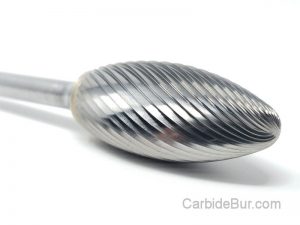
Looking for Carbide Bur Tools?
Check out our entire selection of USA made carbide bur die grinder tool bits
Follow us on Twitter

Return to CarbideBur.com
Carbide Burs – 1/4″ on 1/8″ Shanks – Accessories – Aluminum Cut – Bur Sets – End Mills – Long Shank – Solid Burs
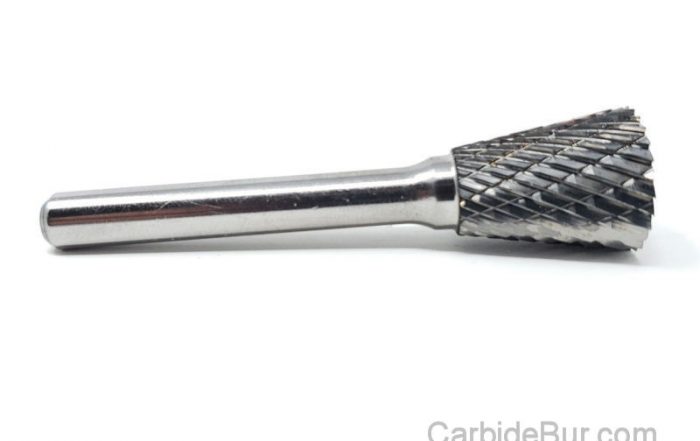
Carbide Burrs for Removing Rust: What Works Best?
Carbide Burrs for Removing Rust: What Works Best? Rust can turn your favorite tools into useless junk faster than you expect. Removing it without ruining the metal underneath takes more than just elbow grease—it demands [...]
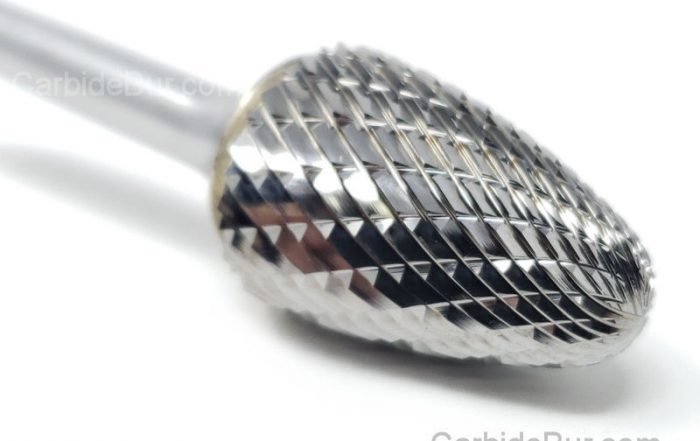
How Much Pressure Should You Use With a Carbide Burr?
How Much Pressure Should You Use With a Carbide Burr? Most people think pressing harder with a carbide burr speeds up the job. That’s not true—too much pressure wears out your tool and ruins the [...]
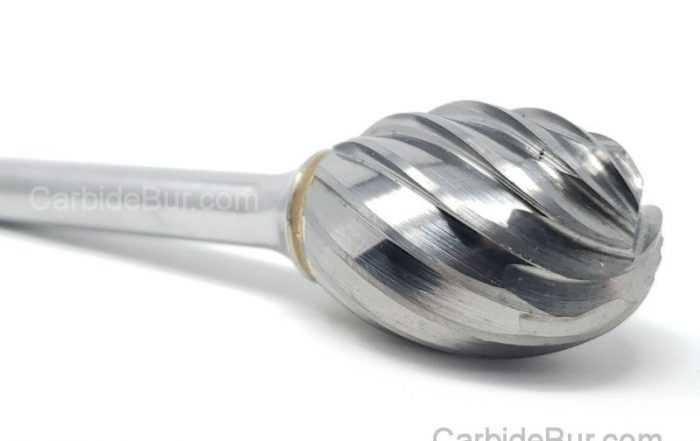
Can You Use Carbide Burrs With an Air Die Grinder?
Can You Use Carbide Burrs With an Air Die Grinder? Most people don’t realize how well carbide burrs work with air die grinders until they try them. If you’ve ever struggled with finding the right [...]
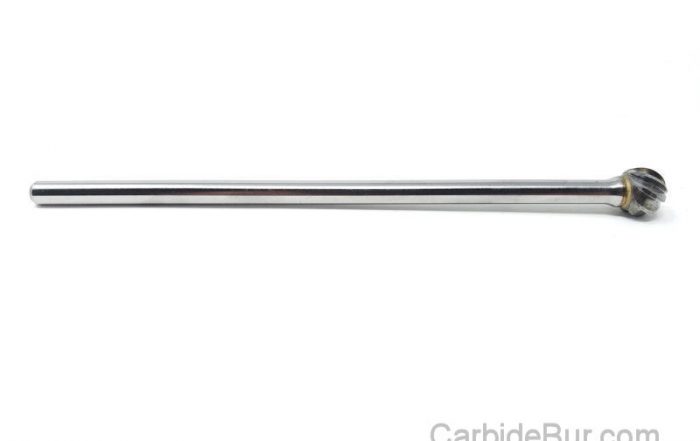
Best Long Reach Carbide Burr for Deep Metal Work
Best Long Reach Carbide Burr for Deep Metal Work Long reach carbide burrs often promise deep metal access, but many fall short where it counts most. You need a tool that cuts cleanly, lasts through [...]
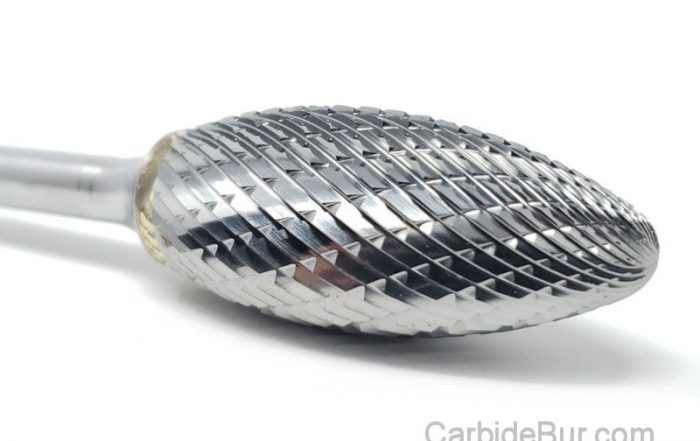
What RPM Should You Use for a 1/8 Inch Carbide Burr?
What RPM Should You Use for a 1/8 Inch Carbide Burr? Most people guess the right carbide burr RPM by feel—and waste hours redoing work. If you want cleaner cuts and longer tool life, your [...]
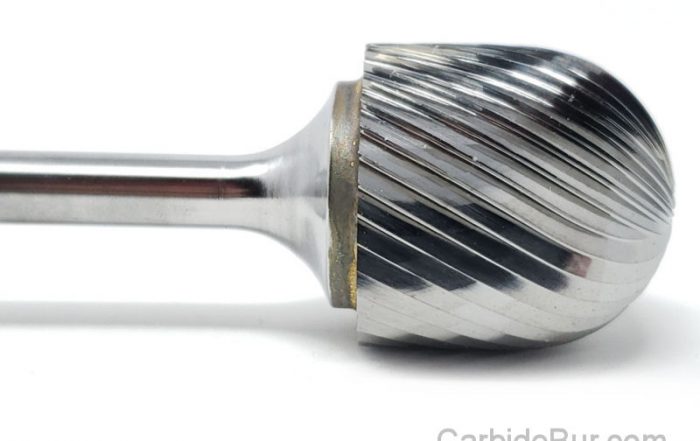
Carbide Burrs for Tight Spaces: Choosing the Right Shape
Carbide Burrs for Tight Spaces: Choosing the Right Shape Tackling tight spaces with the wrong carbide burrs wastes time and risks damaging your work. Choosing the right burr shape makes all the difference when working [...]
Can Carbide Burrs Remove Paint From Metal?
Can Carbide Burrs Remove Paint From Metal? Stripping paint from metal often feels like a tough chore that risks damaging the surface underneath. Many turn to carbide burrs hoping they can speed things up without [...]
How to Grind a Groove in Metal With a Carbide Burr
How to Grind a Groove in Metal With a Carbide Burr Most metalworkers struggle to cut clean grooves without wasting time or ruining their workpiece. Many try different metalworking tools but end up with uneven [...]
Can Carbide Burrs Cut Through Welds?
Can Carbide Burrs Cut Through Welds? Cutting through welds can feel like a battle, especially when you need clean results without harming the base metal. Carbide burrs offer a sharp edge in this fight, but [...]
How to Use a Carbide Burr With a Die Grinder
How to Use a Carbide Burr With a Die Grinder Most people treat a carbide burr like just another tool, but using it with a die grinder takes skill. If you’ve struggled with burr installation [...]
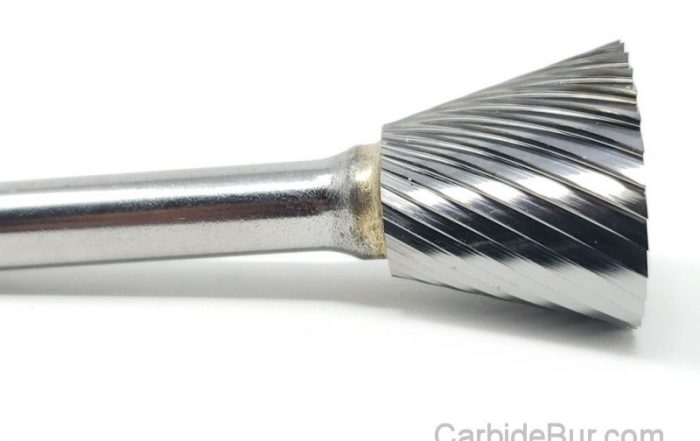
1/8 vs 1/4 Inch Carbide Burrs: What’s the Difference?
1/8 vs 1/4 Inch Carbide Burrs: What's the Difference? Choosing between a 1/8 inch carbide burr and a 1/4 inch carbide burr can change how your project turns out. Many machinists and hobbyists overlook how [...]
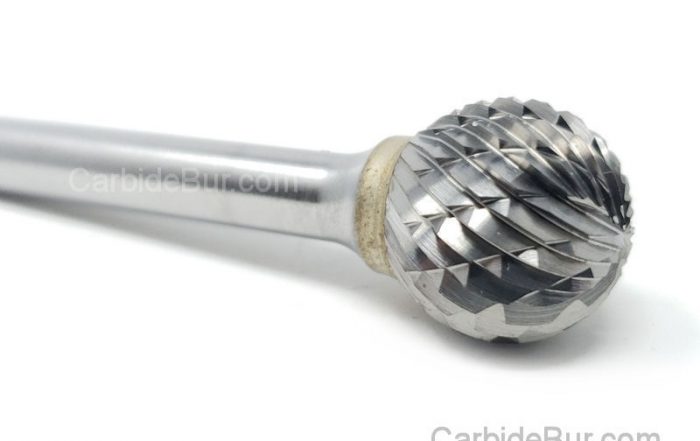
Best Carbide Burr for Removing Flash From Castings
Best Carbide Burr for Removing Flash From Castings Removing flash from castings is a task that can slow down your entire metalworking process if you don’t have the right tools. Picking the best carbide burr [...]
