
Mastering DIY Metalworking: Tips for Choosing the Perfect Carbide Burr Set
Picking the right carbide burr set can make or break your metalworking projects. Many DIY enthusiasts struggle to find tools that fit every task, wasting time and effort on the wrong burrs. This guide breaks down the best burr shapes and sizes, shows which materials they work best on, and helps you choose a set tailored to your needs. Get ready to sharpen your skills and get results that look like they came from a pro. For a deeper understanding of what ‘best’ truly means, you can check this link.
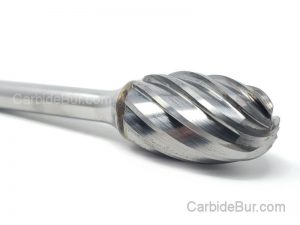
Which carbide bur tool works best for your job?
Understanding Carbide Burr Sets
Ready to dive into the world of carbide burrs? These tools are a game-changer in metalworking, offering precision and versatility. Let’s explore what makes them essential for your projects.
Key Features of Carbide Burrs
Carbide burrs are known for their durability and strength. Made from tungsten carbide, they can handle high temperatures and maintain their sharpness longer than other materials. This means you’ll spend less time replacing tools and more time perfecting your craft.
-
Durability: Withstands high temperatures, offering long-lasting performance.
-
Versatility: Suitable for various materials, like steel, aluminum, and wood.
-
Precision: Enables detailed work, crucial for intricate designs.
These features make carbide burrs a favorite among DIY enthusiasts. They’re an investment in quality, allowing you to achieve professional results.
Benefits for DIY Metalworkers
Are you tired of tools that don’t meet your expectations? Carbide burrs might be the solution. They offer several benefits that make metalworking more enjoyable and efficient.
-
Time-Saving: They cut through materials quickly, reducing your project time.
-
Cost-Effective: Long-lasting tools mean fewer replacements and lower costs.
-
Creative Freedom: Allows for intricate designs and detailed work.
These advantages make carbide burrs a vital part of any metalworking toolkit. You’ll experience smoother, more efficient projects with these tools on hand.
Best Burrs for Metalworking
Choosing the best burrs for metalworking is essential for success. Different burrs excel in different areas, so knowing what works best is crucial.
-
Cylinder Burrs: Perfect for flat surfaces and right angles.
-
Ball Burrs: Ideal for concave cuts and hollowing out areas.
-
Flame Burrs: Great for rounding edges and making V-cuts.
Understanding the strengths of each burr type will help you select the right tools for your specific needs. With the right burrs, your projects will look polished and professional.
Exploring Burr Shapes and Sizes
Delving into burr shapes and sizes can elevate your metalworking projects. Let’s uncover how these elements impact your work and how to choose the best options for you.
Common Burr Shapes Explained
You might be wondering about the different burr shapes available. Each shape serves a unique purpose, suited for specific tasks.
-
Flame Shape: Great for achieving rounded edges and making V-cuts.
-
Ball Shape: Perfect for concave cuts and hollowing out areas.
-
Cylinder Shape: Ideal for flattening surfaces and creating right angles.
Understanding these shapes will help you make informed decisions when selecting your tools. With the right shape, you’ll enhance your project’s precision.
Choosing the Right Size for Projects
Size matters when it comes to burrs. The right size can improve your efficiency and the quality of your work.
-
Small Burrs: Best for intricate details and tight spaces.
-
Medium Burrs: Suitable for general use and a variety of tasks.
-
Large Burrs: Ideal for removing material quickly on larger projects.
Selecting the appropriate size ensures that your projects proceed smoothly, reducing the risk of errors and increasing your confidence in your work.
Matching Burrs to Metal Types
Different metals require different approaches. Matching your burrs to your metal type can make a significant difference in your results.
-
Steel: Use carbide burrs for their strength and heat resistance.
-
Aluminum: Opt for a non-clogging burr to prevent buildup.
-
Copper: Choose a finer grit for smoother finishes.
Knowing which burrs are best for each metal type will optimize your results, ensuring a professional finish on all your projects.
Selecting the Best Carbide Burr Set
Choosing the best carbide burr set involves careful consideration of several factors. Let’s explore what you need to know to make the right choice.
Factors to Consider Before Buying
Before purchasing a burr set, consider these key factors to ensure you get the best value for your investment.
-
Material: High-quality carbide is crucial for durability.
-
Set Variety: Look for sets with multiple shapes and sizes.
-
Brand Reputation: Trusted brands often offer better quality tools.
By focusing on these factors, you’ll choose a set that enhances your metalworking projects and lasts for years.
Comparing Popular Brands
Not all brands are created equal. Comparing popular brands can help you find a set that meets your needs.
|
Brand |
Features |
Price Range |
|---|---|---|
|
Brand A |
Durable, versatile |
$$ |
|
Brand B |
Precision-focused |
$$$ |
|
Brand C |
Budget-friendly |
$ |
This simple comparison can guide you in making an informed decision, ensuring you choose a set that fits your budget and requirements.

Tips for Budget-Friendly Purchases
On a tight budget? Here are some tips to get quality burrs without breaking the bank.
-
Wait for Sales: Many retailers offer discounts on tools throughout the year.
-
Check Reviews: Look for budget sets with positive reviews from other users.
-
Buy in Bulk: Consider purchasing larger sets for a better price per piece.
These strategies can help you find a great deal, allowing you to equip your workshop without overspending.
Using Carbide Burrs Effectively
Maximize your burr set’s potential by learning how to use them effectively. This section will guide you through crucial techniques and tips.
Essential Safety Precautions
Safety should always come first when working with carbide burrs. Here are some essential precautions.
-
Wear Protective Gear: Always use gloves and goggles to protect yourself from debris.
-
Secure Materials: Ensure your workpiece is stable to prevent accidents.
-
Use Proper Speed: Adjust your tool’s speed to match the material you’re working with.
Following these precautions ensures a safer working environment, allowing you to focus on your projects with peace of mind.
Techniques to Enhance Precision
Precision is key in metalworking. Here are techniques to help you achieve cleaner, more accurate results.
-
Steady Hands: Keep your hands steady to avoid uneven cuts.
-
Work in Sections: Break your work into smaller parts for better control.
-
Use Guides: Employ guides or templates for consistent shapes.
Implementing these techniques will improve the quality of your work, giving your projects a professional touch.
Maintaining Your Burr Set for Longevity
Proper maintenance extends the life of your burr set. Here’s how to keep your tools in top condition.
-
Clean Regularly: Remove debris after each use to prevent buildup.
-
Inspect Frequently: Check for wear or damage and replace when necessary.
-
Store Properly: Keep your burrs in a dry, organized place.
Regular maintenance not only preserves your tools but also ensures they perform at their best for every project.
Recommended Carbide Burr Sets
Ready to invest in a new burr set? Here are our top recommendations for various skill levels and project needs.
Top Picks for Beginners
New to metalworking? These beginner-friendly sets are perfect for honing your skills.
-
Starter Set A: Offers a variety of basic shapes for general use.
-
Starter Set B: Includes instructional materials for new users.
These sets provide the tools and guidance you need to start your metalworking journey with confidence.
Ideal Sets for Advanced Hobbyists
For those with more experience, consider these sets that offer advanced features.
-
Pro Set A: Designed for intricate designs and precision work.
-
Pro Set B: Includes specialty burrs for unique projects.
These advanced sets enable you to tackle more complex projects, pushing your skills to the next level.
Versatile Sets for Various Metalworking Projects
Need a versatile set for different projects? These recommendations offer flexibility and range.
-
Versatile Set A: Includes a wide range of shapes and sizes for any task.
-
Versatile Set B: Features high-quality burrs suitable for multiple materials.
With these sets, you’ll be prepared for any project that comes your way, ensuring excellent results every time.
Remember, the longer you wait to upgrade your tools, the more you risk compromising your projects. Invest in quality carbide burrs today for better, more satisfying metalworking experiences.
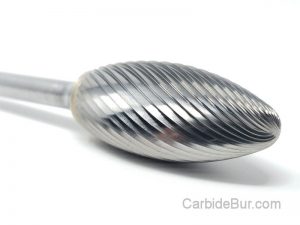
Looking for Carbide Bur Tools?
Check out our entire selection of USA made carbide bur die grinder tool bits
Follow us on Twitter

Return to CarbideBur.com
Carbide Burs – 1/4″ on 1/8″ Shanks – Accessories – Aluminum Cut – Bur Sets – End Mills – Long Shank – Solid Burs
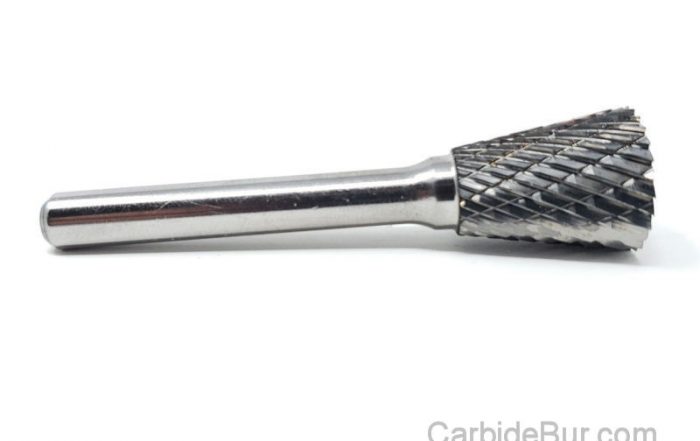
Carbide Burrs for Removing Rust: What Works Best?
Carbide Burrs for Removing Rust: What Works Best? Rust can turn your favorite tools into useless junk faster than you expect. Removing it without ruining the metal underneath takes more than just elbow grease—it demands [...]
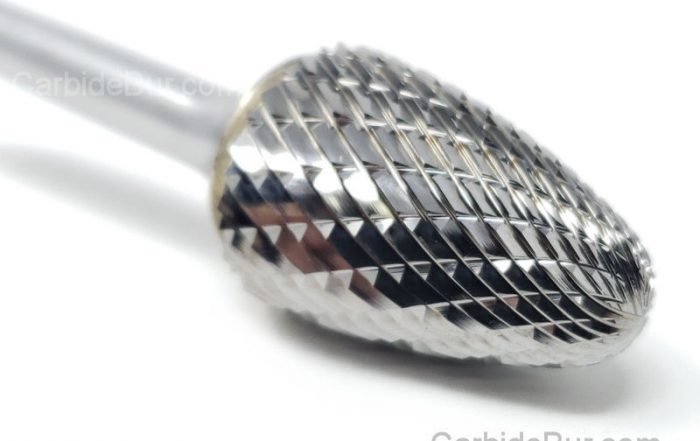
How Much Pressure Should You Use With a Carbide Burr?
How Much Pressure Should You Use With a Carbide Burr? Most people think pressing harder with a carbide burr speeds up the job. That’s not true—too much pressure wears out your tool and ruins the [...]
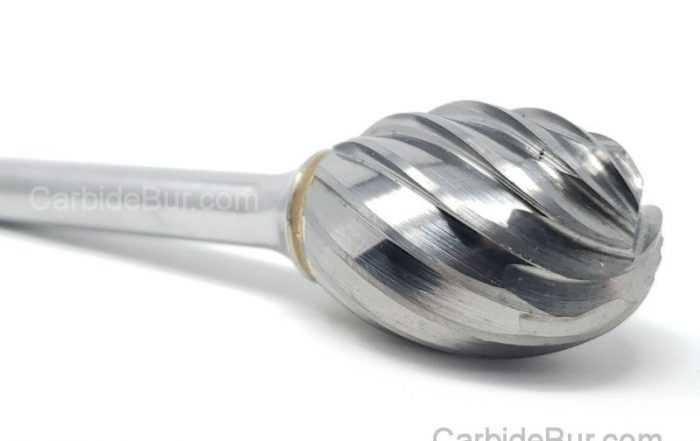
Can You Use Carbide Burrs With an Air Die Grinder?
Can You Use Carbide Burrs With an Air Die Grinder? Most people don’t realize how well carbide burrs work with air die grinders until they try them. If you’ve ever struggled with finding the right [...]
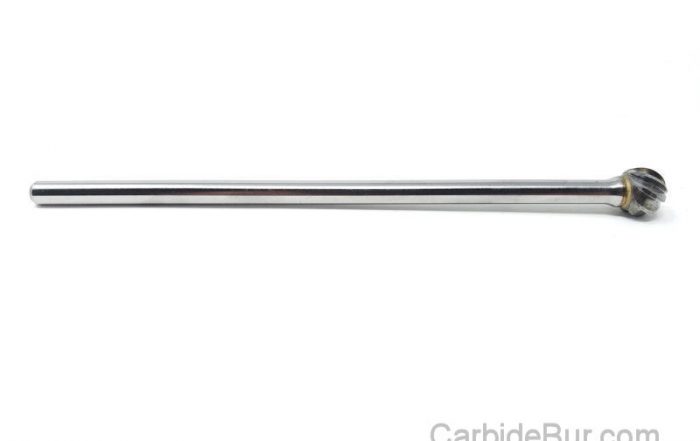
Best Long Reach Carbide Burr for Deep Metal Work
Best Long Reach Carbide Burr for Deep Metal Work Long reach carbide burrs often promise deep metal access, but many fall short where it counts most. You need a tool that cuts cleanly, lasts through [...]
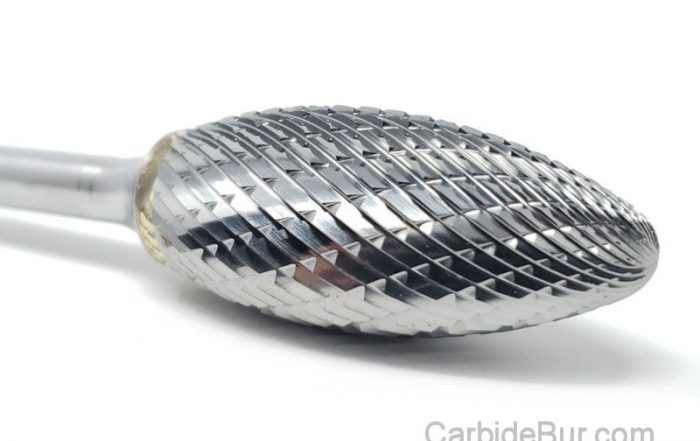
What RPM Should You Use for a 1/8 Inch Carbide Burr?
What RPM Should You Use for a 1/8 Inch Carbide Burr? Most people guess the right carbide burr RPM by feel—and waste hours redoing work. If you want cleaner cuts and longer tool life, your [...]
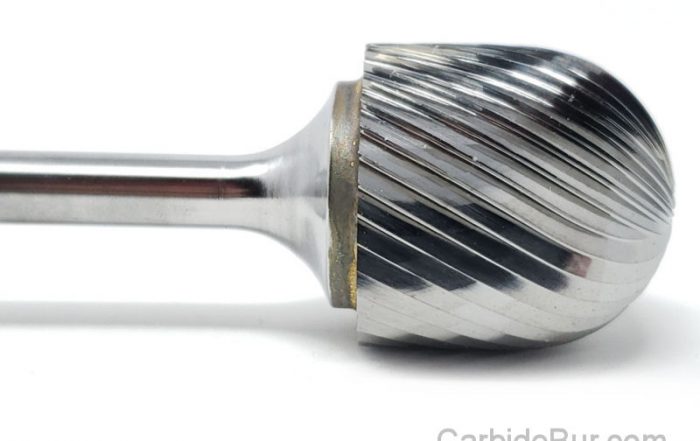
Carbide Burrs for Tight Spaces: Choosing the Right Shape
Carbide Burrs for Tight Spaces: Choosing the Right Shape Tackling tight spaces with the wrong carbide burrs wastes time and risks damaging your work. Choosing the right burr shape makes all the difference when working [...]
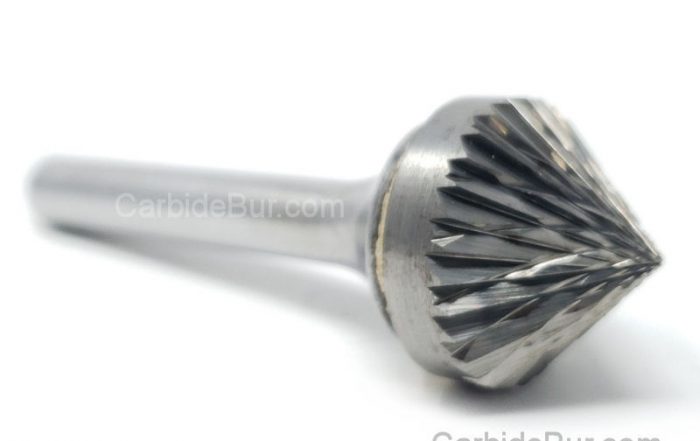
Can Carbide Burrs Remove Paint From Metal?
Can Carbide Burrs Remove Paint From Metal? Stripping paint from metal often feels like a tough chore that risks damaging the surface underneath. Many turn to carbide burrs hoping they can speed things up without [...]
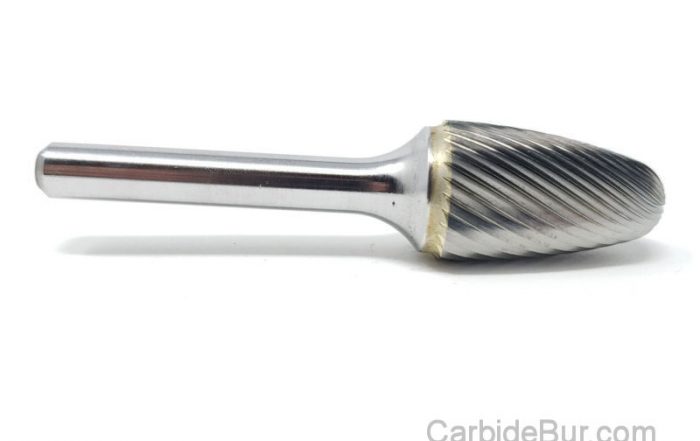
How to Grind a Groove in Metal With a Carbide Burr
How to Grind a Groove in Metal With a Carbide Burr Most metalworkers struggle to cut clean grooves without wasting time or ruining their workpiece. Many try different metalworking tools but end up with uneven [...]
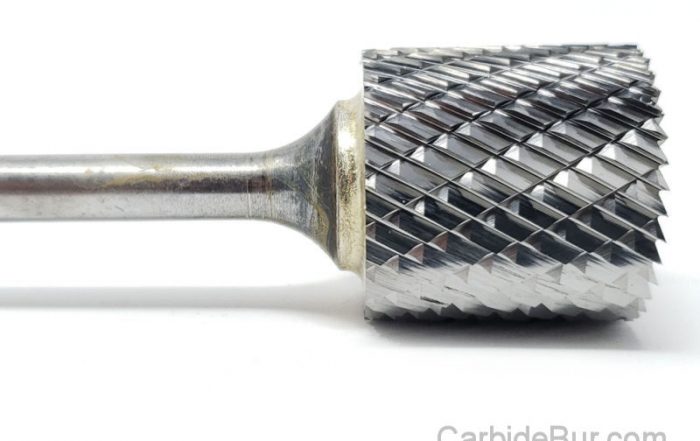
Can Carbide Burrs Cut Through Welds?
Can Carbide Burrs Cut Through Welds? Cutting through welds can feel like a battle, especially when you need clean results without harming the base metal. Carbide burrs offer a sharp edge in this fight, but [...]
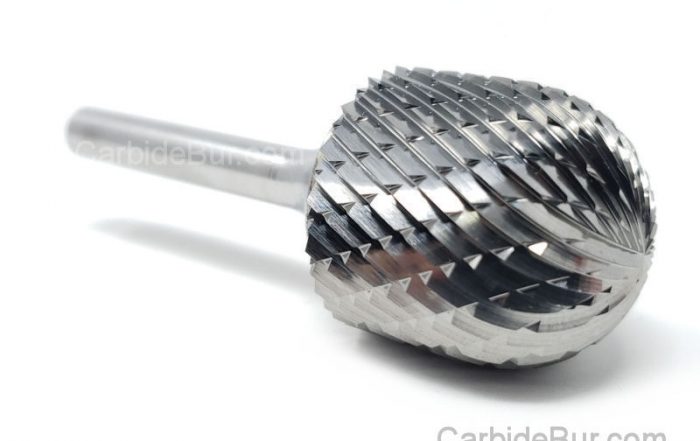
How to Use a Carbide Burr With a Die Grinder
How to Use a Carbide Burr With a Die Grinder Most people treat a carbide burr like just another tool, but using it with a die grinder takes skill. If you’ve struggled with burr installation [...]
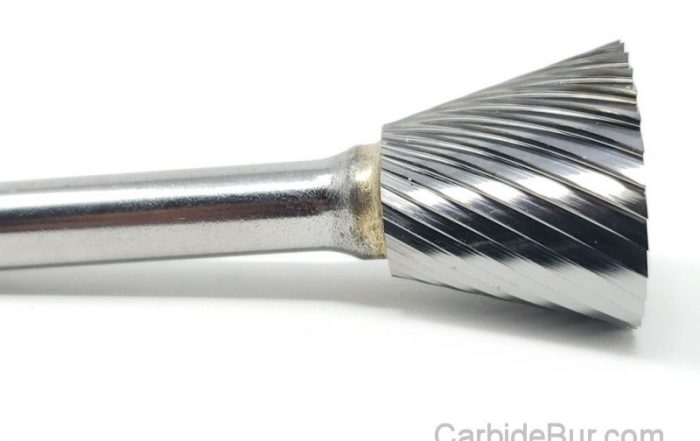
1/8 vs 1/4 Inch Carbide Burrs: What’s the Difference?
1/8 vs 1/4 Inch Carbide Burrs: What's the Difference? Choosing between a 1/8 inch carbide burr and a 1/4 inch carbide burr can change how your project turns out. Many machinists and hobbyists overlook how [...]
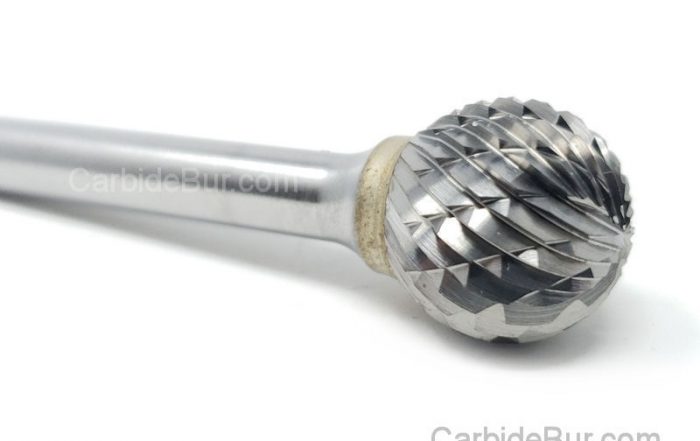
Best Carbide Burr for Removing Flash From Castings
Best Carbide Burr for Removing Flash From Castings Removing flash from castings is a task that can slow down your entire metalworking process if you don’t have the right tools. Picking the best carbide burr [...]
