
From Cylindrical to Ball-Shaped Burrs: Essential Carbide Burrs for Beginners
Most beginners struggle to pick the right carbide burr shapes for their projects. Choosing the wrong one can turn simple tasks into frustrating struggles. This guide breaks down the strengths of cylindrical burrs for shaping and ball-shaped burrs for detailed work, helping you make smarter choices and get the job done right the first time. For more insights on carbide burr shapes, check out this comprehensive guide.
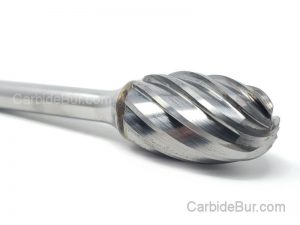
Which carbide bur tool works best for your job?
Understanding Carbide Burr Shapes
In the world of metalworking, picking the right tools can make all the difference. As a beginner, understanding carbide burr shapes is your first step toward greater precision and success.
Beginner-Friendly Burrs
Choosing the right burr can feel overwhelming, but starting with the basics makes it easier. Cylindrical burrs are great for shaping, while ball-shaped burrs excel in detail work. These are perfect for newcomers because they cover the essentials: shaping and detailing. You can tackle a wide range of tasks using just these two shapes. Most beginners find that these burrs simplify their projects, reducing errors and boosting confidence.
Selecting the Right Burr
The task at hand determines the appropriate burr. For smoothing surfaces or removing excess material, a cylindrical burr is ideal. Conversely, when your project demands intricate details, the ball-shaped burr is your best friend. Visualize your end goal, and select the burr that aligns with your needs. If you get stuck, refer to this guide for more help.
Key Benefits of Carbide Burrs
Why choose carbide burrs? They’re durable and effective. A carbide burr maintains its sharpness longer than other materials, ensuring that you get more done without constant replacements. They withstand high temperatures, making them suitable for various materials. Beginners appreciate their ability to stay reliable over time.
Cylindrical Burr Essentials
Now that you understand the basics, let’s dive deeper into cylindrical burrs. They are a staple in any metalworker’s toolkit, offering unmatched versatility.
Versatility in Metalworking
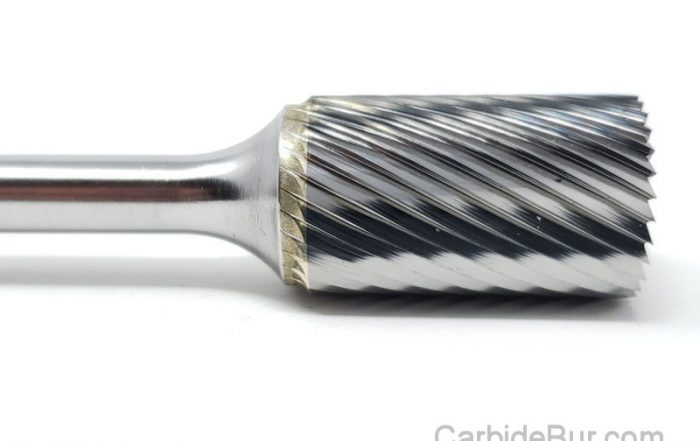
Cylindrical burrs are known for their flexibility. They handle multiple tasks like shaping, grinding, and deburring. Their straightforward design makes them easy to use, even for beginners. When working on metals, these burrs can tackle both soft and hard materials. Their adaptability allows you to experiment with different techniques and find what works best for you.
Best Uses for Beginners
As a beginner, start with basic tasks like shaping edges or removing welds. The cylindrical burr’s uniform shape makes it less likely to gouge your workpiece, giving you more control. Practice makes perfect: the more you use it, the better your results will be. It’s a reliable tool that helps build your foundational skills in metalworking.
Ball-Shaped Burr Advantages
Ready to add detail to your projects? Ball-shaped burrs are your go-to tool for precision and finesse. They allow you to elevate your work with intricate designs.
Precision in Detailing
The round shape of ball-shaped burrs enables fine detailing. They’re excellent for carving out delicate patterns or smoothing small cavities. This precision is invaluable when working on artistic or highly detailed metal pieces. You can achieve smooth transitions and clean finishes that make your work stand out.
When to Use Ball-Shaped Burrs
Use ball-shaped burrs when your project demands intricate details or when working in tight spaces. They allow you to navigate around curves and corners effortlessly. If you’re unsure when to use them, remember that these burrs shine in tasks requiring a delicate touch. Check out these tips for more guidance.
Choosing the Perfect Carbide Burrs
With a grasp on the essentials, it’s time to select the perfect carbide burrs for your needs. Matching the burr to your task ensures efficiency and top-notch results.

Matching Burrs to Tasks
Consider the tasks you frequently encounter. For general shaping, stick to cylindrical burrs. For more detailed work, opt for ball-shaped burrs. Having both in your toolkit prepares you for a variety of projects. The key is to match the tool to its intended use. This not only saves time but also enhances the quality of your work.
Tips for Beginners in Metalworking
Starting in metalworking can be challenging, but a few tips can make the journey smoother:
-
Practice regularly: The more you work with burrs, the better you’ll understand their capabilities.
-
Start simple: Begin with basic tasks and gradually move to more complex projects.
-
Seek advice: Learn from experienced metalworkers or online resources like this forum.
Practical Metalworking Tips
Armed with knowledge of carbide burr shapes, you’re now ready for practical tips that will enhance your metalworking experience.
Enhancing Your Skills
To improve your skills, focus on mastering the basics first. Consistent practice builds confidence and expertise. Don’t be afraid to experiment with different techniques. Learning new methods keeps the process exciting and rewarding. Consider setting small goals to track your progress and celebrate each achievement.
Common Mistakes to Avoid
Even experienced metalworkers can make mistakes. Avoid these common pitfalls:
-
Using the wrong burr for the task: This can lead to poor results and wasted effort.
-
Neglecting maintenance: Keep your burrs clean and sharp for optimal performance.
-
Rushing through projects: Take your time to ensure precision and quality.
By avoiding these errors, you set yourself up for success. For more essential tips, explore trusted resources that can assist you in mastering your craft.
In conclusion, understanding and choosing the right carbide burr shapes are crucial steps for any metalworking beginner. With these insights, you’re poised to tackle projects confidently and achieve impressive results.
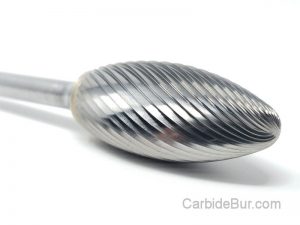
Looking for Carbide Bur Tools?
Check out our entire selection of USA made carbide bur die grinder tool bits
Follow us on Twitter

Return to CarbideBur.com
Carbide Burs – 1/4″ on 1/8″ Shanks – Accessories – Aluminum Cut – Bur Sets – End Mills – Long Shank – Solid Burs

Carbide Burr vs. Grinding Stone: Which Is Better for Metal Removal?
Carbide Burr vs. Grinding Stone: Which Is Better for Metal Removal? When you need to remove metal, smooth a rough edge, or shape a metal component, two common options are carbide burrs and grinding stones. [...]
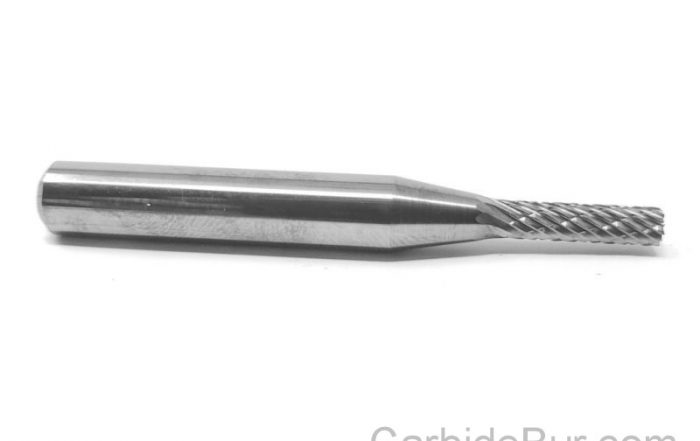
Carbide Burr Safety: RPM, Eye Protection, and Common Mistakes
Carbide Burr Safety: RPM, Eye Protection, and Common Mistakes Carbide burrs are versatile cutting tools used for metal fabrication, welding cleanup, engine porting, deburring, and general material removal. When used correctly, they can help remove [...]
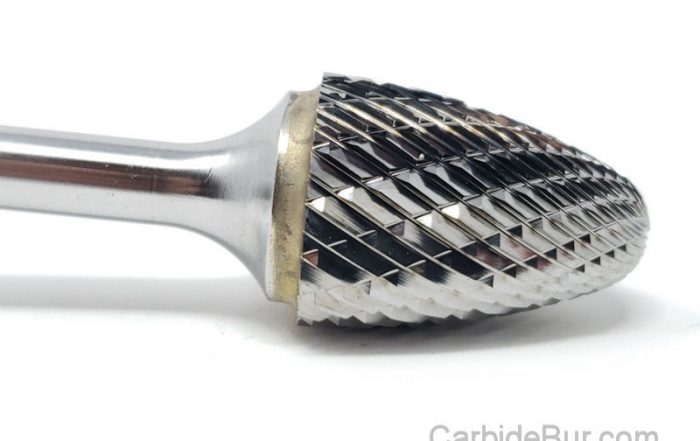
How to Stop Aluminum from Clogging Your Carbide Burr
How to Stop Aluminum from Clogging Your Carbide Burr Aluminum is widely used in automotive work, welding, metal fabrication, aerospace components, and general machining. It is lightweight, relatively easy to machine, and versatile across many [...]
Carbide Burrs for Intake Manifolds: Shaping, Cleanup, and Fitment
Carbide Burrs for Intake Manifolds: Shaping, Cleanup, and Fitment Intake manifold work often involves more than simply bolting a component onto an engine. Depending on the application, metal intake components may have casting irregularities, rough [...]
Why Long-Shank Carbide Burrs Are Useful for Hard-to-Reach Areas
Why Long-Shank Carbide Burrs Are Useful for Hard-to-Reach Areas When working on metal parts, the area that needs grinding or shaping is not always easy to reach. Recessed openings, deep cavities, interior surfaces, and complicated [...]
Choosing Carbide Burrs for Stainless Steel Fabrication
Choosing Carbide Burrs for Stainless Steel Fabrication Stainless steel is widely used in fabrication because of its corrosion resistance, strength, and durability. However, those same properties can make it challenging to machine and finish. Removing [...]
Can You Use Carbide Burrs in a Dremel? Shank Sizes Explained
Can You Use Carbide Burrs in a Dremel? Shank Sizes Explained If you use a Dremel or another rotary tool for detail work, metal shaping, or small fabrication projects, you may wonder whether you can [...]
How to Choose the Best Carbide Burr for Welding and Metal Fabrication
How to Choose the Best Carbide Burr for Welding and Metal Fabrication Welding and metal fabrication often require more than joining two pieces of metal together. Once the welding is finished, fabricators frequently need to [...]
Carbide Burrs for Cylinder Heads: What Automotive Enthusiasts Need to Know
Carbide Burrs for Cylinder Heads: What Automotive Enthusiasts Need to Know Cylinder head work is an important part of engine building, restoration, and performance machining. Whether you are cleaning up casting imperfections, refining port surfaces, [...]
Engine Porting 101: How Carbide Burrs Help Shape Cylinder Head Ports
Engine Porting 101: How Carbide Burrs Help Shape Cylinder Head Ports Engine performance enthusiasts, automotive machinists, and engine builders often look for ways to improve airflow through an engine's cylinder heads. One technique used in [...]
When to Use a 4-Inch or 9-Inch Die Grinder Extension
When to Use a 4-Inch or 9-Inch Die Grinder Extension Metal fabrication, welding, automotive repair, and engine building often require working in places where a standard die grinder and carbide burr cannot easily reach. Recessed [...]
Why Buy USA-Made Carbide Burr Tools? What Buyers Should Compare
Why Buy USA-Made Carbide Burr Tools? What Buyers Should Compare When shopping for carbide burr tools, it's tempting to compare products based on price alone. However, professionals who use rotary cutting tools for welding, metal [...]
