
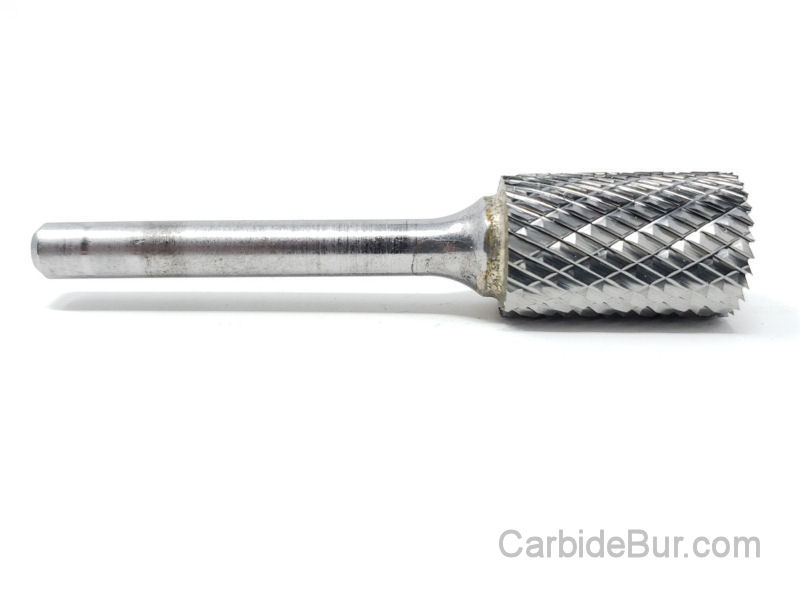
Expert Tips on Carbide Flame Bur Usage for Flawless Metalworking Results
In the realm of metalworking, achieving flawless results often hinges on the tools at your disposal, and one unsung hero in this arena is the carbide flame bur. Known for its unparalleled precision and durability, the carbide flame bur is an essential tool for both professional metalworkers and dedicated DIY enthusiasts. Whether you’re engaged in intricate precision grinding or tackling a new project that demands meticulous attention to detail, this versatile bur can elevate your work to new heights. In this post, we’ll delve into expert tips on carbide burr usage, highlighting how this remarkable tool can transform your metalworking endeavors. Join us as we explore the myriad benefits of incorporating a carbide flame bur into your collection of metalworking tools. For more insights, visit this guide on carbide burrs.
Understanding Carbide Flame Burs
Understanding the intricacies of carbide flame burs is crucial for any metalworker looking to enhance their craft. These tools are versatile and essential for precision in metalworking tasks. Let’s explore what they are, their benefits, and how to choose the right one for your needs.
What is a Carbide Flame Bur?
A carbide flame bur is a specialized tool used in precision grinding and shaping of metals. Made from tungsten carbide, these burs are known for their durability and ability to withstand high temperatures. They have a flame-shaped design, which allows for detailed work in tight spaces.
The unique composition of carbide flame burs makes them ideal for projects requiring meticulous attention. Their precision and efficiency can significantly reduce the time spent on metalworking tasks. Understanding the specific applications for these burs helps in selecting the right one for your projects. For more details, visit this guide on carbide burr cutting tools.
Key Benefits for Metalworkers
The primary benefit of using a carbide flame bur is its ability to deliver unparalleled precision. This precision ensures that metalworkers can achieve optimal results with minimal effort. Furthermore, these burs are incredibly durable, meaning they last longer than many other metalworking tools.
They are also versatile, capable of handling a wide range of materials, from soft metals to hard alloys. For professionals, this means fewer tool changes and a more efficient workflow. DIY enthusiasts will also appreciate the ease of use and the professional finish these burs can provide. Explore more about their advantages at Carbide Burr.
Choosing the Right Bur for Your Project
Selecting the appropriate carbide flame bur for your project involves considering several factors. You need to assess the material you are working with, as certain burs are better suited for specific metals. Additionally, the size and shape of the bur play a crucial role in achieving the desired outcome.
-
Identify the material: Different metals require specific types of burs for optimal results.
-
Determine the shape: The bur’s shape should align with the project’s requirements.
-
Consider the size: Larger projects may need larger burs, while intricate work requires smaller ones.
You can find more tips on choosing the right bur at Tools Today.
Mastering Metalworking Techniques
To truly excel in metalworking, mastering various techniques is essential. From beginners to advanced users, understanding the nuances of precision grinding and the importance of safety can lead to flawless results.
Precision Grinding for Beginners
Precision grinding is a foundational skill for any metalworker. It involves using tools like carbide flame burs to achieve a smooth and accurate finish on metal surfaces. For beginners, starting with straightforward projects helps in gaining confidence and understanding tool dynamics.
-
Start slow: Begin with softer materials to learn control.
-
Practice regularly: Consistent practice improves skill and precision.
-
Seek guidance: Use resources like this PDF guide to understand grinding techniques better.
Precision grinding helps in developing an eye for detail, crucial for more complex metalworking tasks.
Advanced Tips for Flawless Results
For seasoned metalworkers, achieving flawless results requires more than just basic skills. Advanced techniques involve understanding the material’s properties and the tool’s limitations.
-
Experiment with angles: Different angles can produce varied textures and finishes.
-
Use lubrication: This reduces friction and extends tool life.
-
Maintain consistency: Regular tool maintenance ensures consistent performance.
Applying these tips can significantly enhance the quality of your work, leading to professional-grade results.
Safety Precautions You Must Follow
Safety cannot be overstated in metalworking. Using carbide flame burs and other tools can pose risks without proper precautions. Here are some essential safety measures:
-
Wear protective gear: Always use safety goggles and gloves.
-
Secure your workspace: Ensure the area is well-lit and free of clutter.
-
Follow tool guidelines: Adhere to manufacturer instructions for tool usage.
Adhering to these precautions minimizes the risk of accidents, ensuring a safe working environment.
Essential DIY Tool Advice
For both hobbyists and seasoned metalworkers, having the right set of tools is crucial. This section provides guidance on essential tools, optimal carbide burr usage, and maintenance tips to prolong tool life.
Must-Have Metalworking Tools
Every metalworker should have a basic toolkit that includes essential items for various tasks. A well-rounded toolset lays the foundation for successful projects.
-
Carbide flame burs: Essential for precision tasks.
-
Angle grinder: Useful for cutting and shaping metal.
-
Bench vise: Provides a stable base for working.
Ensure that your toolkit is tailored to your specific needs and projects, allowing for versatility and readiness in any situation.
Carbide Burr Usage Explained
Effective carbide burr usage involves understanding its application across different projects. These burs are essential for deburring, shaping, and finishing metal surfaces.
-
Select the right burr: Match the bur to the material and task.
-
Use consistent pressure: Avoid excessive force to prevent tool damage.
-
Implement correct speed settings: Ensure the tool runs at optimal RPM for best results.
Refining your technique with carbide burrs leads to more efficient work and better outcomes.
Maintenance Tips for Longevity
Proper maintenance of carbide flame burs extends their lifespan and ensures consistent performance. Here are some tips for maintaining your tools:
-
Clean regularly: Remove debris after each use.
-
Store properly: Keep burs in a dry, safe place to prevent corrosion.
-
Inspect frequently: Check for wear and replace as necessary.
By following these maintenance practices, you can maximize the durability and functionality of your tools.
Enhancing Your Craft with Carbide Burs
Carbide burs offer metalworkers the opportunity to improve their craft significantly. This section highlights how these tools can enhance precision, common mistakes to avoid, and expert recommendations.
Improving Precision in Your Projects
Incorporating carbide burs into your projects can significantly improve precision. These tools allow for detailed work that other tools might not achieve.
-
Focus on detail: Use burs to refine edges and intricate areas.
-
Enhance accuracy: Achieve uniform results with careful application.
-
Optimize workflow: Reduce project time with efficient use.
Precision improvements can lead to higher quality outcomes and increased satisfaction in your work.
Common Mistakes to Avoid
Even experienced metalworkers can make mistakes. Here are some common pitfalls when using carbide flame burs:
-
Using the wrong bur: Match the bur to material and task specifics.
-
Neglecting maintenance: Regular maintenance prevents tool performance degradation.
-
Ignoring safety: Always prioritize safety to avoid accidents.
Awareness of these mistakes can save time and resources, allowing for a more effective workflow.
Expert Recommendations for Best Practices
Experts in metalworking often share insights that can help others refine their techniques. Here are some best practices for using carbide flame burs:
-
Start with a plan: Outline your project steps to avoid unnecessary errors.
-
Use quality tools: Invest in reputable brands for better results.
-
Stay informed: Continuously update your knowledge with resources like Carbide Burr.
Implementing these recommendations can lead to improved skills and more successful metalworking projects.
Expanding Your Skills with New Techniques
The world of metalworking is ever-evolving, with new techniques constantly emerging. By staying updated with these changes, you can expand your skills and keep your work relevant.
Exploring Innovative Metalworking Methods
Innovation in metalworking involves adopting new methods and tools that improve efficiency and results. This exploration can lead to breakthroughs in your projects.
-
Experiment with new tools: Try different burs and devices to diversify skills.
-
Incorporate modern techniques: Stay ahead by learning prevalent industry methods.
-
Join metalworking communities: Sharing knowledge fosters growth and innovation.
Embracing innovation keeps your skills sharp and your work current.
Adapting to Modern Tools and Trends
As technology advances, so do the tools and trends in metalworking. Adapting to these changes is crucial for staying competitive and improving your craft.
-
Embrace technology: Use modern tools to enhance precision and efficiency.
-
Follow industry trends: Stay informed on emerging practices and materials.
-
Adjust workflows: Modify processes to integrate new tools effectively.
Being flexible and open to change ensures that your techniques remain cutting-edge.
Resources for Continuous Learning
Continuous learning is vital for growth in metalworking. Accessing various resources can provide new insights and techniques.
-
Online courses: Platforms offer courses on advanced metalworking techniques.
-
Industry publications: Stay updated with the latest trends and technologies.
-
Workshops and seminars: Engage with experts for hands-on learning experiences.
Investing in continuous education keeps your skills relevant and sharpens your competitive edge.
Comparing Electric and Pneumatic Die Grinders with Carbide Burrs
Power and Precision: Comparing Electric and Pneumatic Die Grinders with Carbide Burrs Choosing the right die grinder for your carbide burrs can feel like a maze. Electric die grinders promise power at your fingertips, while [...]
The Top Tools Driving the Future of Aerospace Machining
The Top Tools Driving the Future of Aerospace Machining The demand for aerospace machining has surged, pushing manufacturers to deliver high-precision metal parts faster than ever. Meeting tight standards while cutting lead times in aerospace [...]
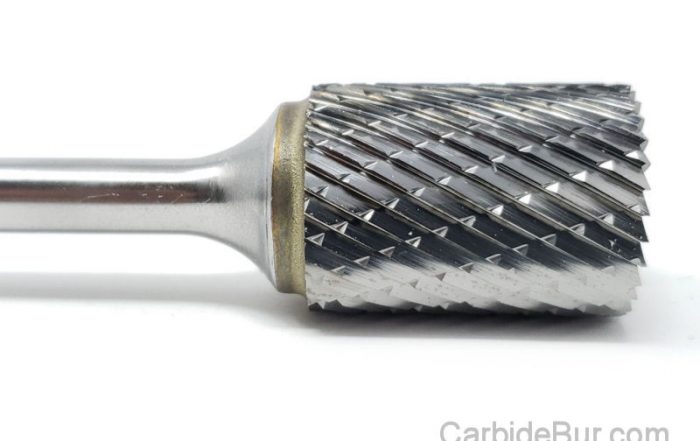
Mastering Carbide Burrs for Enhanced Engine Performance
Beginner's Guide to Engine Porting: Mastering Carbide Burrs for Enhanced Engine Performance Most beginners think engine porting is just about grinding metal. The truth is, mastering carbide burrs can change how air moves through your [...]
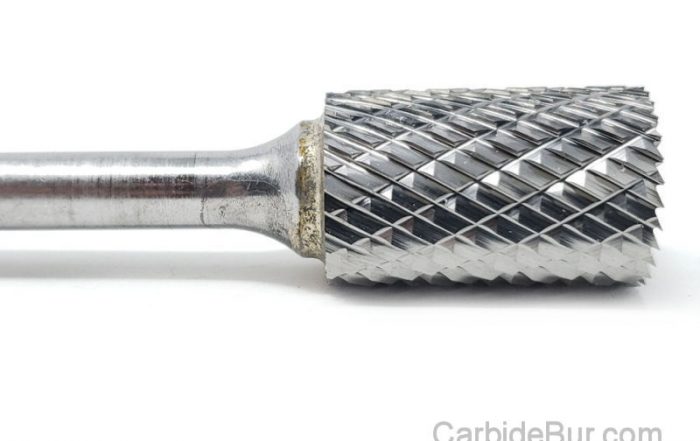
Unveiling the Secrets of Burr Cutting Efficiency: Double-Cut or Single-Cut?
Unveiling the Secrets of Burr Cutting Efficiency: Double-Cut or Single-Cut? Most metalworkers hit a wall choosing between double-cut carbide burrs and single-cut carbide burrs. Picking the wrong one can slow your work or wear your [...]
How Specialized Carbide Burrs Are Revolutionizing Aluminum Fabrication for Cleaner Cuts
How Specialized Carbide Burrs Are Revolutionizing Aluminum Fabrication for Cleaner Cuts Most aluminum fabricators still wrestle with rough edges and extra cleanup after machining. Those extra steps cost you time and eat into your profits. [...]
U.S. Manufacturing Reshoring: The Role of Domestic Tool Suppliers in 2026
U.S. Manufacturing Reshoring: The Role of Domestic Tool Suppliers in 2026 U.S. manufacturing is shifting closer to home faster than many expected. By 2026, reshoring trends are reshaping how supply chains function, with domestic tool [...]
From Casting Flash to Weld Blending: Essential Techniques for 2026
From Casting Flash to Weld Blending: Essential Techniques for 2026 Forget the old ways of finishing parts in automotive production. As electric vehicles and autonomous vehicle production grow, the need for precise deburring processes and [...]
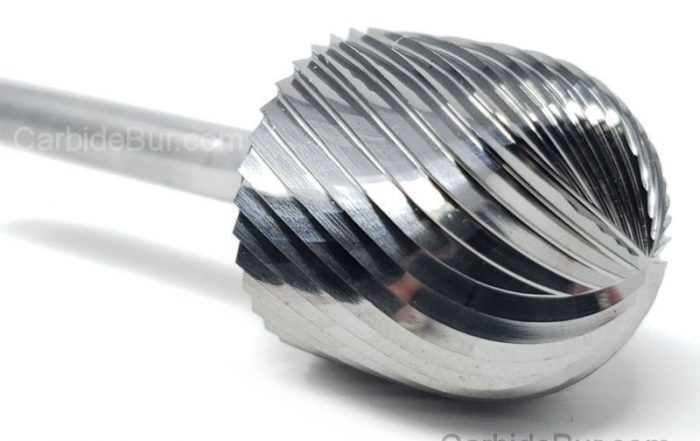
Understanding the Surge in Cutting Tool Costs and Effective Waste Reduction in Machining
Understanding the Surge in Cutting Tool Costs and Effective Waste Reduction in Machining Cutting tool costs have jumped noticeably in recent years, squeezing machine shop budgets tighter than ever. Raw material scarcity and supply chain [...]
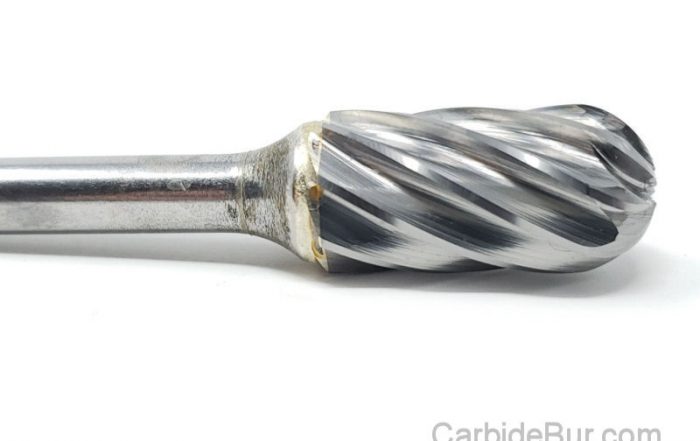
Choosing the Right Carbide Burr Shape for Your Metalworking Projects
Choosing the Right Carbide Burr Shape for Your Metalworking Projects You might think all carbide burr shapes do the same job, but that’s far from true. Choosing the wrong shape can waste time and leave [...]
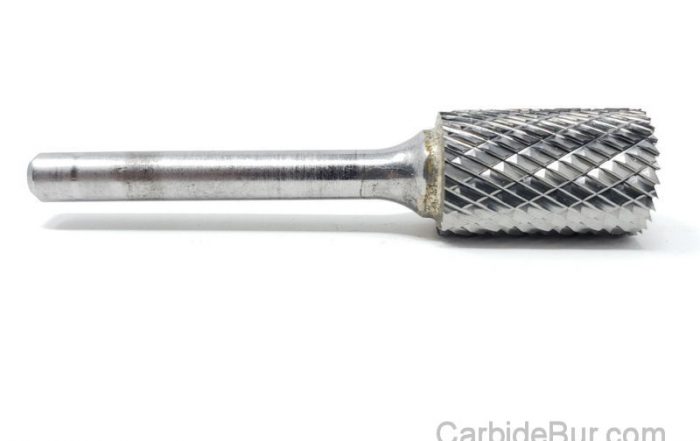
U.S. Cutting Tool Shipments Reach New Heights
U.S. Cutting Tool Shipments Reach New Heights: What It Means for Manufacturing Professionals U.S. cutting tool shipments soared to $278.1 million in July 2026, marking a 29% jump from last year. If you’re in fabrication [...]
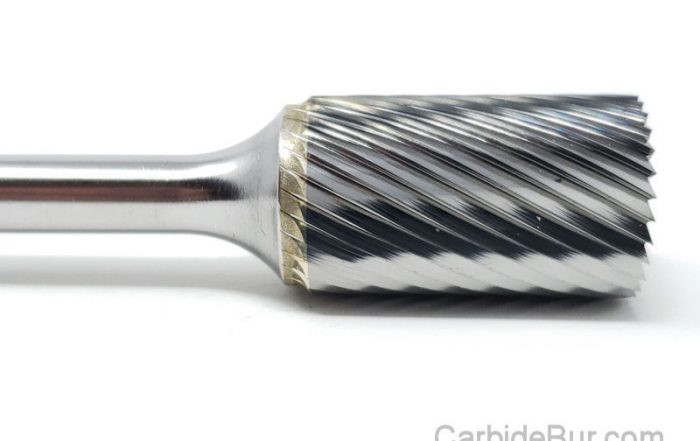
How 3D-Printed Carbide is Redefining Precision Toolmaking with Kennametal’s Latest Technology
How 3D-Printed Carbide is Redefining Precision Toolmaking with Kennametal's Latest Technology Custom hole-finishing tools have long faced limits in design and cooling options that hold back their performance. Kennametal’s new 3D-printed carbide grade changes that [...]

The Future of Additive Manufacturing in Aerospace and Automotive Industries
The Future of Additive Manufacturing in Aerospace and Automotive Industries Metal 3D printing is no longer just a concept for prototypes; it’s scaling up fast in aerospace and automotive fields. But raw prints don’t meet [...]
