
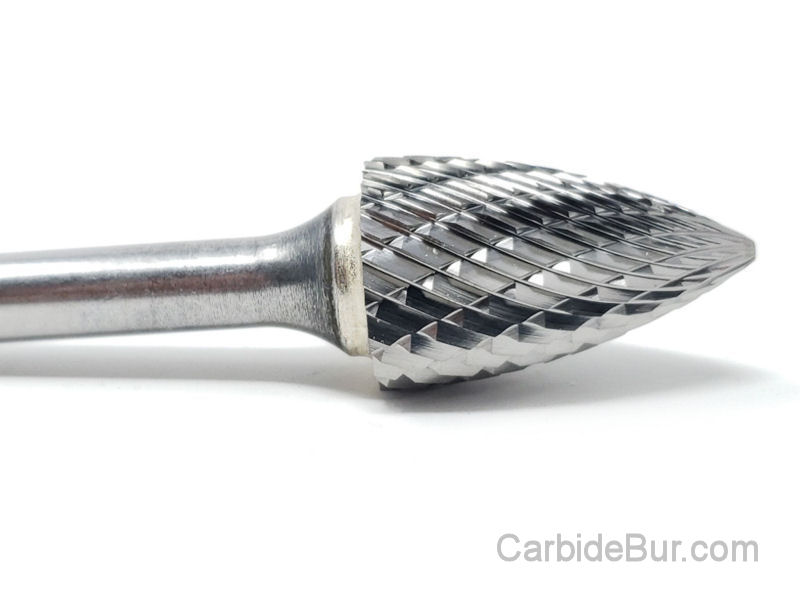
The Unmatched Benefits of Using Tungsten Carbide Drill Bits
In the world of drilling tools, tungsten carbide drill bits have emerged as a game-changer, offering unparalleled strength and accuracy for a diverse range of projects. These durable drill bits are crafted with advanced carbide technology, making them particularly effective at cutting through hard materials like metal, wood, and masonry. As a result, both DIY enthusiasts and professional contractors are increasingly turning to carbide bits for their precision drilling needs. The ability of carbide bit drills to withstand high temperatures while maintaining their sharpness ensures efficient drilling and safer project outcomes. Join us as we delve into the unmatched benefits of using carbide tipped drill bits and discover why they are becoming an essential component in toolkits across the globe.

Find more Tungsten Carbide Drill Bits here
The Power of Carbide Bits
Carbide bits have revolutionized the drilling industry by providing unmatched toughness and precision. This section explores the core technology and benefits that make tungsten carbide drill bits a preferred choice for many.
Understanding Carbide Technology
Carbide technology is at the heart of these durable drill bits. Tungsten carbide, a composite material, combines the toughness of tungsten with the durability of carbon. This unique composition allows carbide bits to cut through hard materials effortlessly.
The manufacturing process involves sintering tungsten carbide powder into a solid mass, resulting in a dense and hard material ideal for drilling applications. This process ensures that the drill bits maintain their sharpness over extended use.
A key advantage of carbide technology is its ability to withstand high temperatures without losing hardness. This feature is crucial when drilling materials like metal and masonry, where heat generation is significant.
For more details on carbide technology, visit Carbide Bur.
Benefits of Tungsten Carbide Drill Bits
Tungsten carbide drill bits offer several advantages that make them distinct from traditional bits. Firstly, their durability means they can last up to 20 times longer than standard steel bits, reducing the frequency of replacements.
They also provide precision drilling unmatched by other materials. This precision ensures clean and accurate holes, essential in professional and DIY projects alike. Their ability to handle various materials such as metal, wood, and masonry makes them versatile.
Additionally, these drill bits can maintain their cutting edge longer, resulting in efficient drilling. This efficiency translates to less downtime and more productivity on the job site.
Explore more about these benefits at Kennametal.
Applications of Carbide Drill Bits
The applications of carbide drill bits are vast, ranging from industrial to DIY uses. This section delves into their specific uses in drilling different materials and how they enhance precision and efficiency in projects.
Metal, Wood, and Masonry Drilling
Carbide drill bits excel in metal drilling, offering the resilience needed to penetrate hard metals without wearing out quickly. Their ability to withstand high temperatures is particularly beneficial here.
For wood drilling, carbide bits provide clean cuts and reduce the risk of splintering, making them ideal for cabinetry and fine woodworking projects.
In masonry drilling, these bits can easily handle tough surfaces like concrete and brick, where other bits might fail. This versatility ensures they are a staple in many toolkits.
For more application insights, visit Drill Bit Warehouse.
Enhancing Precision and Efficiency
Precision and efficiency are critical in any drilling task, and carbide drill bits excel in both. Their cutting accuracy ensures that holes are perfectly sized and located, vital for both aesthetic and functional purposes.
By maintaining their sharpness longer, carbide bits reduce the need for frequent sharpening or replacement, thereby enhancing efficiency. This efficiency is crucial in large-scale projects where time is of the essence.
Furthermore, their ability to handle various materials seamlessly reduces the need for multiple types of bits, simplifying tool management and reducing costs.
For further details on precision and efficiency, check Carbide Burs Shanks.
Find more Tungsten Carbide Drill Bits here
Choosing the Right Drill Bits
Selecting the right carbide drill bit is crucial for optimal performance. This section provides guidance on choosing durable drill bits and maintaining them for long-term use.
Selecting Durable Drill Bits
When selecting durable drill bits, consider the material composition and application purpose. Tungsten carbide bits are known for their durability, but it’s important to choose the right size and type based on your project needs.
Consider the following when choosing carbide bits:
-
Material compatibility: Ensure the bit is suitable for the material you’re drilling.
-
Size and length: Choose based on the depth and diameter of the holes required.
-
Coating and finish: Look for bits with additional coatings for enhanced performance.
These considerations help ensure you select the most durable drill bits for your needs.
Maintenance Tips for Longevity
To maximize the lifespan of your carbide drill bits, proper maintenance is essential. Here are some tips:
-
Regular cleaning: Remove debris and dust after each use to prevent buildup.
-
Proper storage: Store in a dry place to prevent rust and damage.
-
Sharpening: Occasionally sharpen bits to maintain cutting efficiency and accuracy.
By following these tips, you can significantly extend the life of your tungsten carbide drill bits and ensure they perform at their best for years to come.
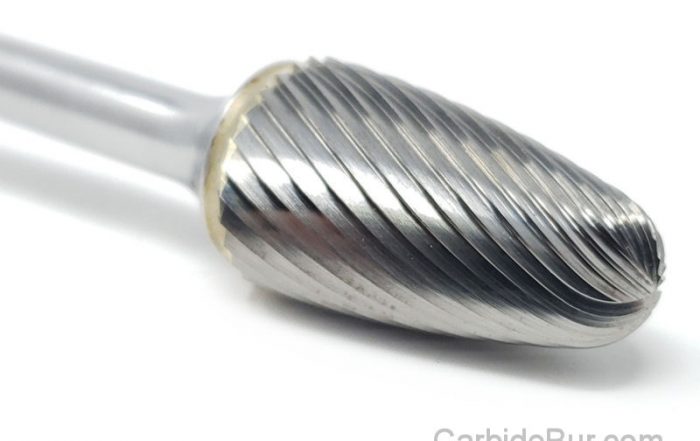
Best Carbide Burr for Enlarging a Hole in Metal
Best Carbide Burr for Enlarging a Hole in Metal When you need to enlarge a hole in metal, grabbing the wrong carbide burr can turn a simple task into a frustrating mess. Picking the best [...]
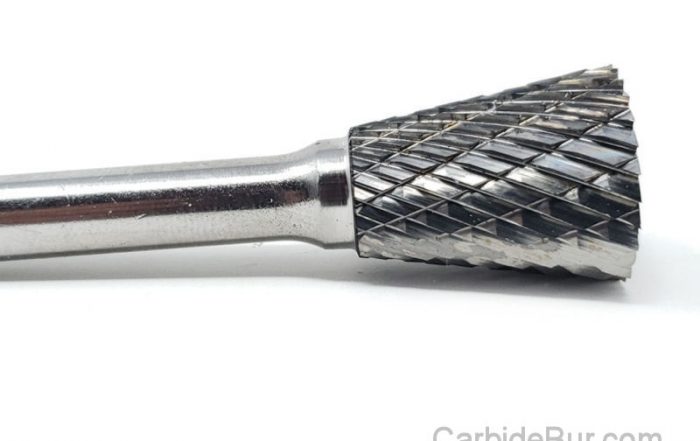
Carbide Burr Safety: 15 Mistakes That Can Cause Injury or Damage
Carbide Burr Safety: 15 Mistakes That Can Cause Injury or Damage Carbide burr safety is often overlooked until a costly mistake happens. Many metalworkers and DIYers make the same errors that lead to injuries or [...]
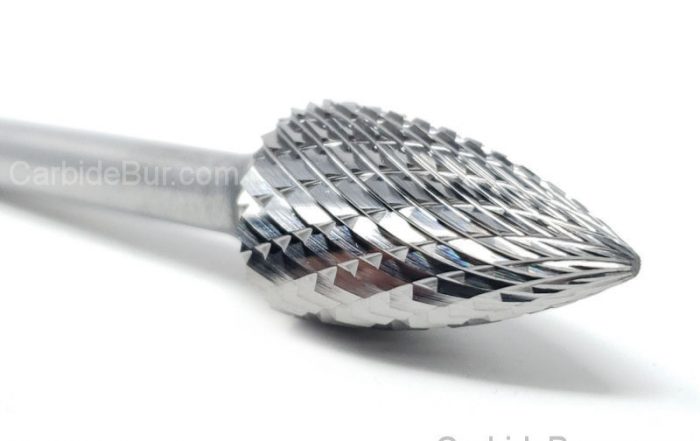
Can You Use a Carbide Burr in a Drill?
Can You Use a Carbide Burr in a Drill? Most people think a standard drill can’t handle a carbide burr, but that’s not true. Using carbide burr in the right drill can speed up your [...]
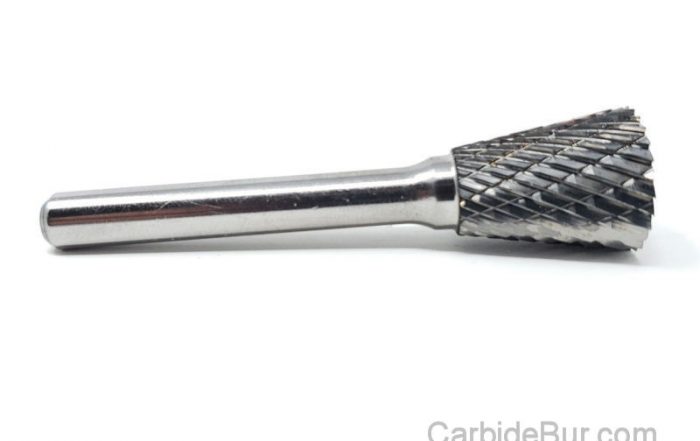
Carbide Burrs for Removing Rust: What Works Best?
Carbide Burrs for Removing Rust: What Works Best? Rust can turn your favorite tools into useless junk faster than you expect. Removing it without ruining the metal underneath takes more than just elbow grease—it demands [...]
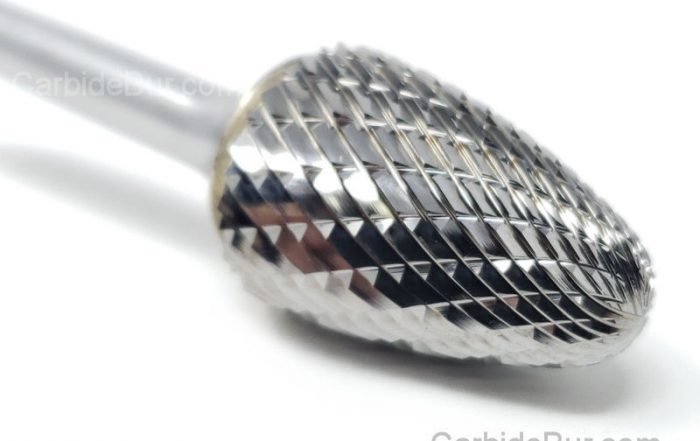
How Much Pressure Should You Use With a Carbide Burr?
How Much Pressure Should You Use With a Carbide Burr? Most people think pressing harder with a carbide burr speeds up the job. That’s not true—too much pressure wears out your tool and ruins the [...]
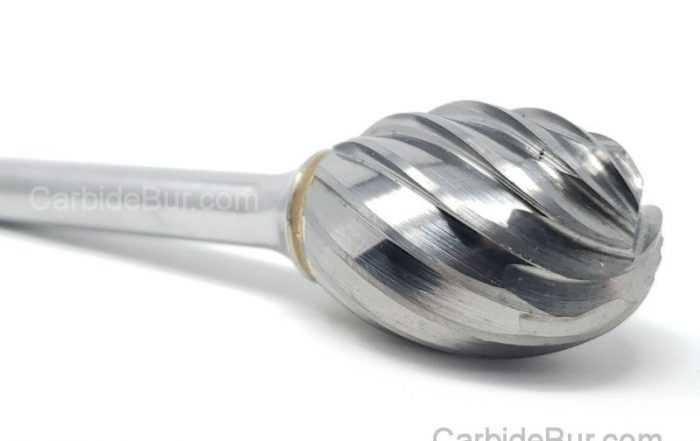
Can You Use Carbide Burrs With an Air Die Grinder?
Can You Use Carbide Burrs With an Air Die Grinder? Most people don’t realize how well carbide burrs work with air die grinders until they try them. If you’ve ever struggled with finding the right [...]
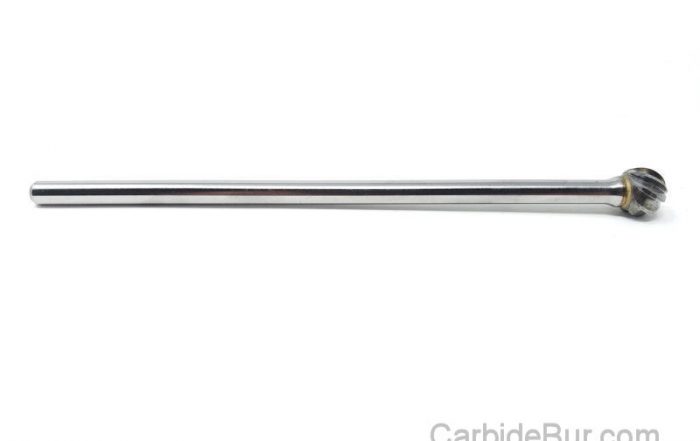
Best Long Reach Carbide Burr for Deep Metal Work
Best Long Reach Carbide Burr for Deep Metal Work Long reach carbide burrs often promise deep metal access, but many fall short where it counts most. You need a tool that cuts cleanly, lasts through [...]
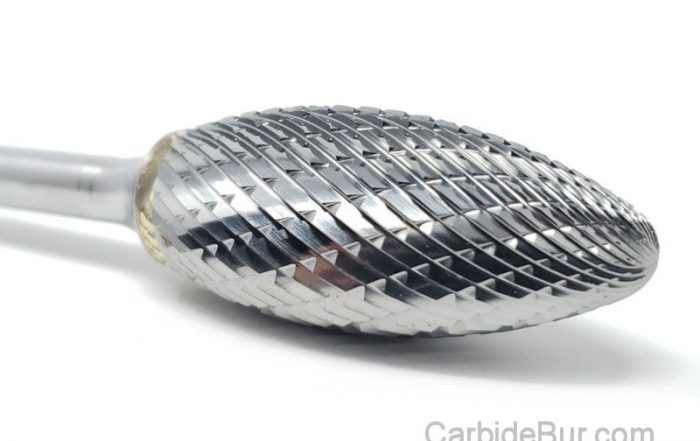
What RPM Should You Use for a 1/8 Inch Carbide Burr?
What RPM Should You Use for a 1/8 Inch Carbide Burr? Most people guess the right carbide burr RPM by feel—and waste hours redoing work. If you want cleaner cuts and longer tool life, your [...]
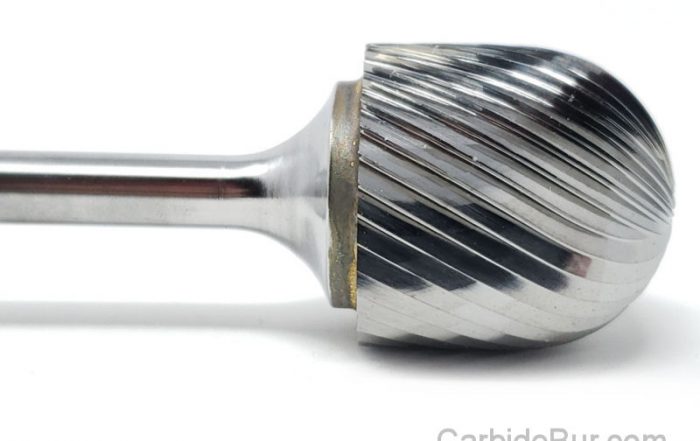
Carbide Burrs for Tight Spaces: Choosing the Right Shape
Carbide Burrs for Tight Spaces: Choosing the Right Shape Tackling tight spaces with the wrong carbide burrs wastes time and risks damaging your work. Choosing the right burr shape makes all the difference when working [...]
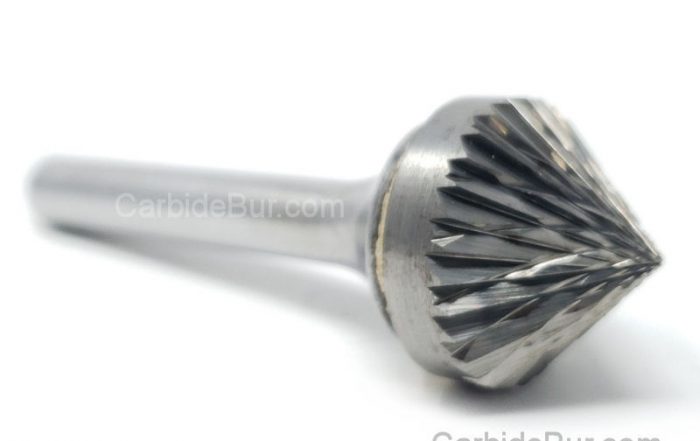
Can Carbide Burrs Remove Paint From Metal?
Can Carbide Burrs Remove Paint From Metal? Stripping paint from metal often feels like a tough chore that risks damaging the surface underneath. Many turn to carbide burrs hoping they can speed things up without [...]
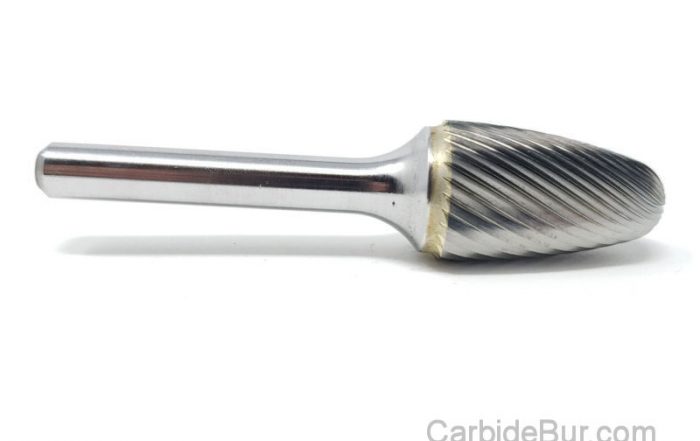
How to Grind a Groove in Metal With a Carbide Burr
How to Grind a Groove in Metal With a Carbide Burr Most metalworkers struggle to cut clean grooves without wasting time or ruining their workpiece. Many try different metalworking tools but end up with uneven [...]
Can Carbide Burrs Cut Through Welds?
Can Carbide Burrs Cut Through Welds? Cutting through welds can feel like a battle, especially when you need clean results without harming the base metal. Carbide burrs offer a sharp edge in this fight, but [...]
