
From Start to Finish: How Carbide Burs Transform Weld Polishing
In the world of welding, precision and smooth finishes are key, and that’s where carbide burs truly shine. These small but mighty tools are crafted from carbide, a material known for its incredible hardness and durability, making it perfect for the demanding task of weld polishing. Unlike other tools that wear down quickly, carbide burs maintain their sharpness, ensuring a clean and efficient finish on metal surfaces. By understanding the unique material properties of carbide, metalworkers can appreciate why these burs are considered among the best tools for welding. In this post, we’ll explore how carbide tools elevate the process of weld finishing, offering insights and tips for those looking to enhance their craft. For more information, you can visit this resource.## Understanding Carbide Burs
Carbide burs are integral to achieving smooth finishes in metalworking, especially in weld polishing. This section introduces these tools, their origins, and the variety available.
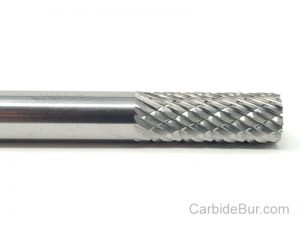
Check out all our USA made carbide bur cutting tools here
What Are Carbide Burs?
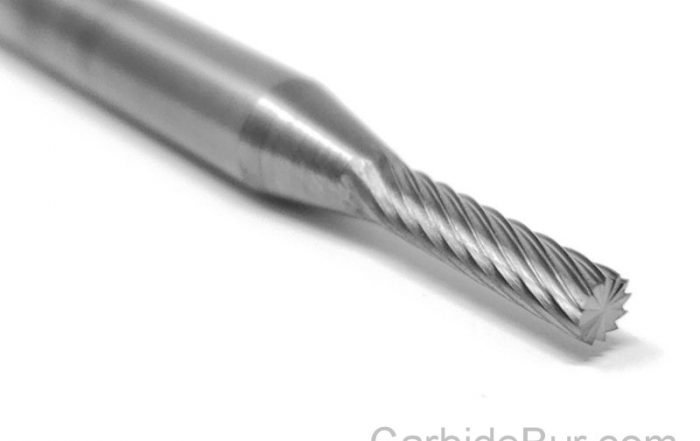
Carbide burs are rotary cutting tools used to remove material from metal surfaces. They’re known for their hardness and precision. Crafted from tungsten carbide, these tools are essential in achieving fine finishes and intricate detailing.
They come in various shapes and sizes, each designed for specific tasks. This versatility allows them to tackle a wide range of projects, from smoothing welds to intricate carving.
Their ability to maintain sharpness over prolonged use makes them preferred in industries requiring high precision. The durability of carbide burs ensures they remain a staple in metalworking.
For more details on carbide burs, visit this resource.
History of Carbide Tools
The journey of carbide tools began in the early 20th century. Initially developed for machining purposes, their introduction revolutionized the manufacturing industry. Over the years, their application expanded significantly.
Bullet Points:
-
Developed in the early 1900s.
-
Initially used in heavy-duty machining.
-
Expanded to various industries, including metalworking.
Their impact on efficiency and precision reshaped production processes. Today, they’re indispensable in fields requiring intricate detailing.
Types of Carbide Burs
Carbide burs come in various forms, each suited for specific tasks. Common types include:
-
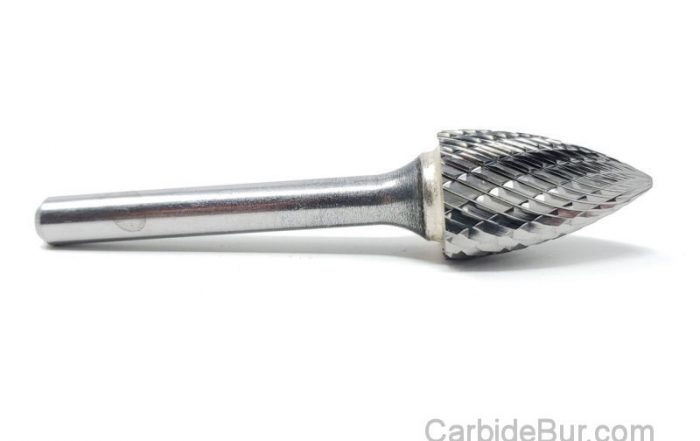
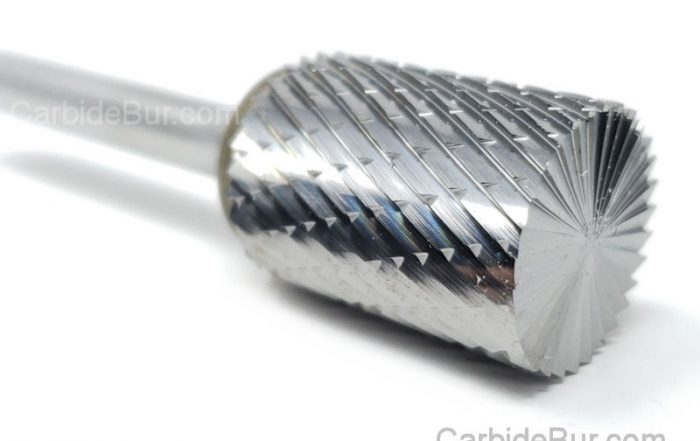
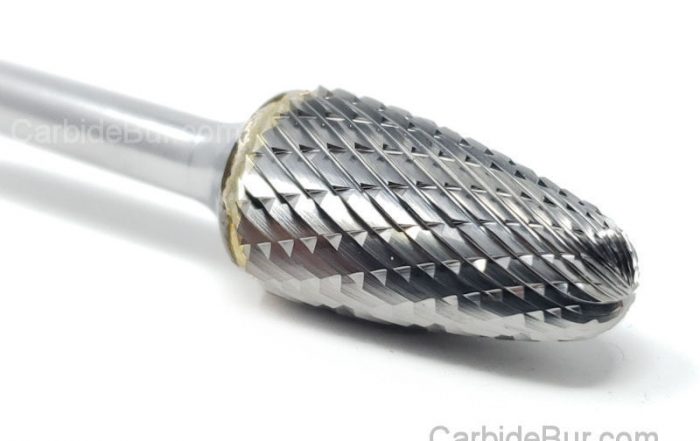
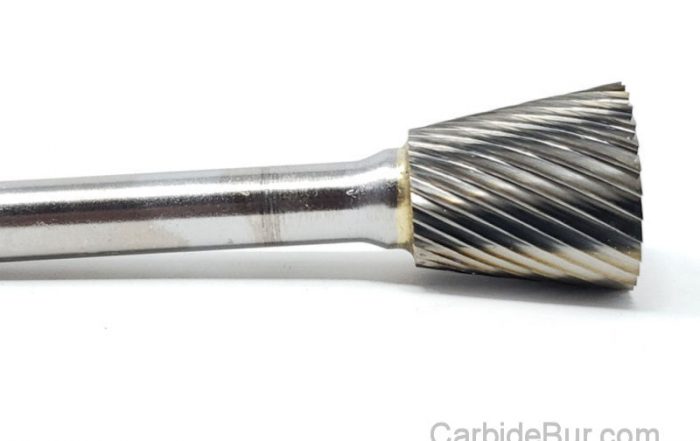
Ball burs: Ideal for precision cutting and detailing.
-
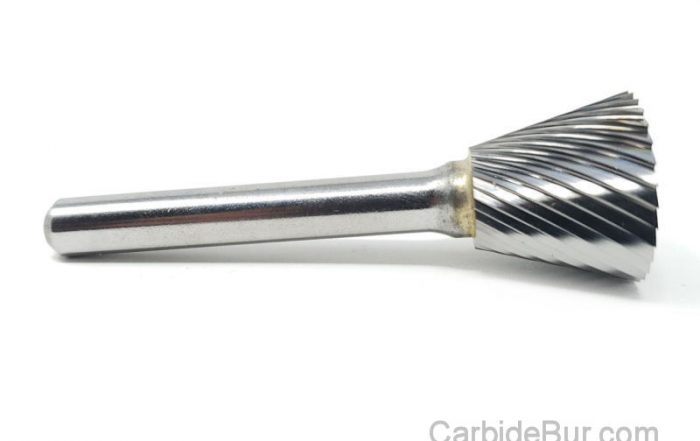
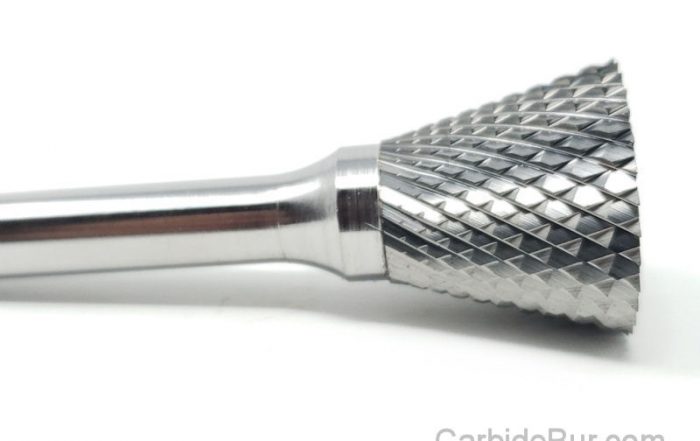
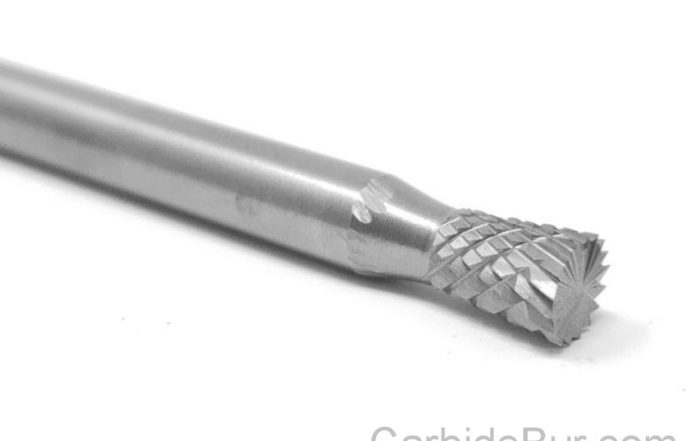
Cone burs: Best for creating tapered edges.
-
Cylinder burs: Used for flat surfaces and slotting.
Each type brings unique benefits, allowing for tailored applications. Their versatility ensures that metalworkers can achieve the desired finish on any project.
Material Properties of Carbide
Understanding the material properties of carbide is crucial to appreciate its effectiveness in metalworking. This section focuses on its strength, heat resistance, and versatility.
Strength and Durability
Carbide stands out for its exceptional strength, surpassing most metals. Its ability to retain hardness under stress makes it ideal for demanding tasks.
Table:
|
Property |
Description |
|---|---|
|
Hardness |
Retains sharpness longer than steel |
|
Durability |
Endures high-pressure environments |
Carbide’s toughness ensures long-lasting tools, minimizing the need for replacements and reducing downtime.
Check out all our USA made carbide bur cutting tools here
Heat Resistance
One of the standout features of carbide is its heat resistance. This property allows carbide burs to maintain performance even under high temperatures.
These tools can operate effectively without losing sharpness, making them ideal for intensive tasks. Their heat resistance extends their lifespan, offering cost efficiency.
For more information on the material properties of carbide, visit Beyond Burr Basics.
Versatility in Applications
Carbide burs can be used across various applications due to their adaptability. They’re not limited to metalworking; they find use in:
-
Woodworking: For carving and detailing.
-
Plastics: Precise shaping and smoothing.
-
Stone: Engraving and surface preparation.
This versatility is a testament to the effectiveness of carbide as a material. Its broad application enhances its value across industries.
The Role of Carbide Burs in Weld Polishing
Carbide burs play a pivotal role in refining welds. This section details how they enhance weld finishing, provide precision, and improve efficiency in metalwork.
Enhancing Weld Finishing
Carbide burs are essential in achieving a polished weld finish. They precisely remove excess material without affecting the underlying metal.
Steps:
-
Select the appropriate carbide bur type.
-
Apply consistent pressure during use.
-
Inspect the weld for smoothness.
These tools ensure a seamless finish, enhancing the overall appearance and quality of the weld.
Precision and Control
The design of carbide burs allows for exceptional precision and control. Metalworkers can achieve intricate detailing without compromising on quality.
Bullet Points:
-
Offers superior control for detailed work.
-
Reduces errors and material wastage.
-
Suitable for complex patterns and designs.
This level of precision is invaluable in projects where aesthetics are crucial.
Efficiency in Metalwork
Efficiency is key in metalworking, and carbide burs contribute significantly. Their durability and precision reduce the time spent on finishing tasks.
By minimizing tool changes and maintaining consistency, these tools enhance workflow. The result is improved productivity and reduced operational costs.
Choosing the Best Tools for Welding
Selecting the right tools for welding is essential. This section outlines key features, compares carbide burs with other tools, and provides maintenance tips.
Key Features to Consider
When choosing carbide burs, consider the following features:
-
Material Compatibility: Ensure the bur matches the metal type.
-
Size and Shape: Select according to the task requirements.
-
Durability: Opt for long-lasting options.
These features ensure optimal performance and longevity of the tool.
Comparing Carbide Burs to Other Tools
Table:
|
Tool Type |
Durability |
Precision |
Cost |
|---|---|---|---|
|
Carbide Burs |
High |
High |
Moderate |
|
Steel Burs |
Moderate |
Moderate |
Low |
|
Diamond Burs |
Very High |
High |
High |
Carbide burs strike a balance between cost and performance, making them a preferred choice for metalworkers.
Maintenance and Care for Long-Lasting Use
Proper maintenance extends the life of carbide burs. Follow these tips:
-
Regularly clean burs after use.
-
Store in a dry, safe place to prevent damage.
-
Sharpen when necessary to maintain performance.
Caring for your tools ensures they perform optimally and last longer.
Future Trends in Metalworking
The metalworking industry is evolving, with carbide tools at the forefront. This section explores innovations, the growing demand for weld polishing, and the importance of skills development.
Innovations in Carbide Tools
Carbide tools continue to evolve, with advancements focusing on improving performance and efficiency. Innovations include:
-
Enhanced Coatings: For increased wear resistance.
-
Eco-friendly Designs: Reducing environmental impact.
-
Automated Solutions: For precision and reduced labor.
These innovations position carbide tools as future-ready solutions in metalworking.
The Growing Demand for Weld Polishing
With an increasing focus on quality, the demand for weld polishing is on the rise. Industries are prioritizing aesthetics and durability, driving the need for advanced tools like carbide burs.
Case Study:
-
A manufacturing company improved product quality by integrating carbide burs into their process.
-
The result was a 30% increase in customer satisfaction.
Training and Skills Development in the Industry
As technology advances, training is crucial for staying competitive. Metalworkers must continually update their skills to leverage new tools and techniques.
Recommendations:
-
Enroll in workshops and courses.
-
Stay informed about industry trends.
-
Practice regularly to hone skills.
Investing in skills development ensures proficiency in using carbide tools effectively.
For more insights into carbide tools and metalworking trends, explore resources like this site.
Check out all our USA made carbide bur cutting tools here
How to Stop Aluminum from Clogging Your Carbide Burr
How to Stop Aluminum from Clogging Your Carbide Burr Aluminum is widely used in automotive work, welding, metal fabrication, aerospace components, and general machining. It is lightweight, relatively easy to machine, and versatile across many [...]
Carbide Burrs for Intake Manifolds: Shaping, Cleanup, and Fitment
Carbide Burrs for Intake Manifolds: Shaping, Cleanup, and Fitment Intake manifold work often involves more than simply bolting a component onto an engine. Depending on the application, metal intake components may have casting irregularities, rough [...]
Why Long-Shank Carbide Burrs Are Useful for Hard-to-Reach Areas
Why Long-Shank Carbide Burrs Are Useful for Hard-to-Reach Areas When working on metal parts, the area that needs grinding or shaping is not always easy to reach. Recessed openings, deep cavities, interior surfaces, and complicated [...]
Choosing Carbide Burrs for Stainless Steel Fabrication
Choosing Carbide Burrs for Stainless Steel Fabrication Stainless steel is widely used in fabrication because of its corrosion resistance, strength, and durability. However, those same properties can make it challenging to machine and finish. Removing [...]
Can You Use Carbide Burrs in a Dremel? Shank Sizes Explained
Can You Use Carbide Burrs in a Dremel? Shank Sizes Explained If you use a Dremel or another rotary tool for detail work, metal shaping, or small fabrication projects, you may wonder whether you can [...]
How to Choose the Best Carbide Burr for Welding and Metal Fabrication
How to Choose the Best Carbide Burr for Welding and Metal Fabrication Welding and metal fabrication often require more than joining two pieces of metal together. Once the welding is finished, fabricators frequently need to [...]
Carbide Burrs for Cylinder Heads: What Automotive Enthusiasts Need to Know
Carbide Burrs for Cylinder Heads: What Automotive Enthusiasts Need to Know Cylinder head work is an important part of engine building, restoration, and performance machining. Whether you are cleaning up casting imperfections, refining port surfaces, [...]
Engine Porting 101: How Carbide Burrs Help Shape Cylinder Head Ports
Engine Porting 101: How Carbide Burrs Help Shape Cylinder Head Ports Engine performance enthusiasts, automotive machinists, and engine builders often look for ways to improve airflow through an engine's cylinder heads. One technique used in [...]
When to Use a 4-Inch or 9-Inch Die Grinder Extension
When to Use a 4-Inch or 9-Inch Die Grinder Extension Metal fabrication, welding, automotive repair, and engine building often require working in places where a standard die grinder and carbide burr cannot easily reach. Recessed [...]
Why Buy USA-Made Carbide Burr Tools? What Buyers Should Compare
Why Buy USA-Made Carbide Burr Tools? What Buyers Should Compare When shopping for carbide burr tools, it's tempting to compare products based on price alone. However, professionals who use rotary cutting tools for welding, metal [...]
How to Use 1/8-Inch Rotary Bits with a Die Grinder
How to Use 1/8-Inch Rotary Bits with a Die Grinder Die grinders are popular tools for metalworking, fabrication, deburring, and precision material removal. However, many die grinders use a 1/4-inch collet, while smaller rotary tools [...]

Can You Use a Carbide Burr With an Electric Die Grinder?
Can You Use a Carbide Burr With an Electric Die Grinder? Most people don’t realize how much a carbide burr can change the way an electric die grinder works. Using the right burr type can [...]
