
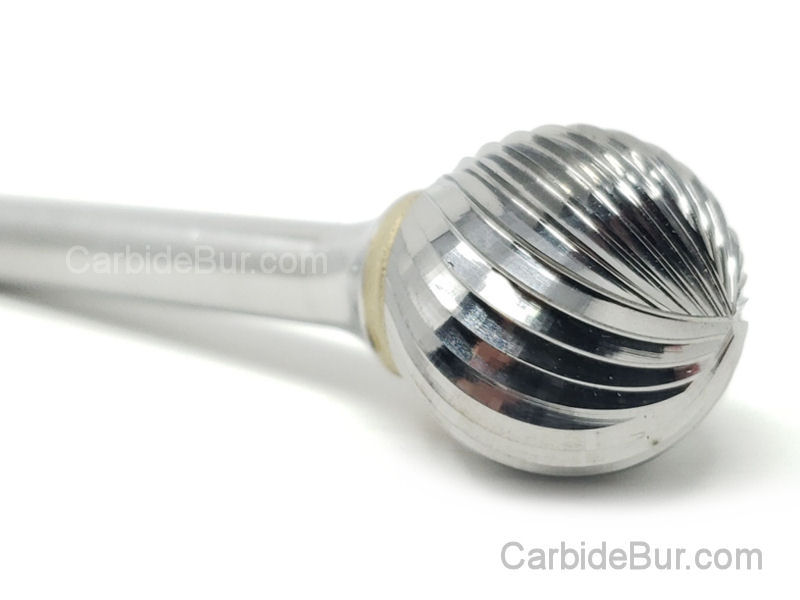
How Does The Geometry Of A Carbide Burr Affect Its Performance And Durability?
You may not realize it, but the geometry of a carbide burr plays a significant role in its overall performance and durability. By understanding the different shapes, sizes, and cutting angles of burrs, you can optimize your machining tasks and choose the right tool for your specific applications. This post will explore how these geometric features influence cutting efficiency, material removal rates, and the longevity of your carbide burrs, enabling you to make informed decisions that enhance your work quality and tool investments.
Find more carbide bur die grinder tool bits here
Understanding Carbide Burr Geometry
The geometry of carbide burrs significantly influences their performance and durability, impacting how effectively they cut through various materials. Each burr’s shape and size correlate to specific applications, directly affecting your efficiency in tasks ranging from metalwork to wood carving.
Types of Carbide Burrs
The various types of carbide burrs allow you to select the ideal tool for specific tasks. Here’s a summary of popular burr types:
- Ball-shaped burrs: Ideal for creating concave surfaces.
- Cylindrical burrs: Perfect for flat surfaces and edges.
- Flame-shaped burrs: Excellent for contouring and shaping.
- Tree-shaped burrs: Great for undercutting and deburring.
- Tapered burrs: Useful for precision work in tight spaces.
After considering these types, you can better match a burr to your specific needs.
| Burr Type | Application |
| Ball-shaped | Concave surfaces |
| Cylindrical | Flat surfaces |
| Flame-shaped | Contouring |
| Tapered | Precision work |
Key Geometric Features
Before selecting a carbide burr, it’s vital to understand the key geometric features that contribute to its effectiveness. Characteristics such as cutting edge shape, diameter, and overall length play a significant role in how the tool functions in your hands.
To enhance your experience with carbide burrs, focus on aspects like the cutting edge design, which impacts the burr’s aggressiveness and material compatibility. The diameter affects both the precision and reach during use, while the overall length influences your control. Evaluating these features will help you optimize your tool for various tasks and achieve superior results.
Impact of Geometry on Performance
Even minor variations in the geometry of carbide burrs can significantly influence their overall performance. Factors such as shape, size, and cutting edge design determine how effectively the tool removes material, improves precision, and withstands wear. Understanding these geometric elements allows you to select the appropriate burr for your specific cutting tasks, ensuring optimal performance and extending tool life.
Cutting Efficiency
One key aspect of burr performance is cutting efficiency, which is greatly influenced by the burr’s shape and design. A well-designed burr that features precise cutting edges and an appropriate head shape can optimize material removal rates while minimizing chip accumulation. This efficiency directly translates into faster work and a smoother overall process for you.
Surface Finish Quality
Any burr’s geometry can affect the quality of the surface finish after machining. Not only do the cutting angles and edge configurations play a role, but they also directly impact how much material is removed and how the tool interacts with the workpiece. Selecting the right burr geometry allows you to achieve the desired finish with less effort.
Cutting edge geometry significantly affects the quality of the surface finish you achieve during machining. Burrs with sharper angles tend to create finer finishes by allowing for a smoother cut, while those with blunter edges may leave a rougher surface. The design of the teeth, including their spacing and arrangement, contributes to how well the burr removes material without gouging or damaging the workpiece. Adopting the right geometry not only enhances the overall appearance of your finished product but also reduces the need for additional sanding or polishing, saving you time and effort in your project.
Influence of Geometry on Durability
It is important to understand how the geometry of a carbide burr can significantly impact its durability. The overall design, including flute shape, cutting edge angles, and taper degree, plays a vital role in the tool’s ability to withstand wear and resist breaking during use. By selecting the correct burr geometry for your specific applications, you can enhance the longevity of your tools and optimize their performance, ultimately leading to better results in your projects.
Wear Resistance
Above all, wear resistance is a key factor influenced by the burr’s geometry. A well-designed burr with sharper angles and optimal flute configurations helps reduce the friction between the tool and the material, allowing for efficient cutting. This design minimizes the wear on the burr, enabling you to use it for extended periods without the need for frequent replacements.
Heat Management
Below the surface of cutting materials, heat management is another critical aspect tied to burr geometry. A burr designed with effective coolant channels and proper flute spacing allows for better heat dissipation during the cutting process, which can prevent overheating and thus prolong the tool’s lifespan.
At higher RPMs, carbide burrs can generate significant heat, which can compromise the integrity of the tool. The geometry of your burr plays a vital role in heat management by allowing chips to escape freely and improving airflow. When designing your project, consider using burrs with a combination of efficient flute design and adequate spacing to allow for optimal cooling. This approach will not only improve tool performance but also reduce the likelihood of tool failure due to heat-related wear.
Comparison of Different Geometries
Many factors contribute to the efficiency of carbide burrs, with geometry being one of the most significant. The following table outlines various burr geometries and their associated characteristics:
| Geometry | Characteristics |
|---|---|
| Round | Ideal for blending and finishing, gives smooth contours. |
| Flame | Excellent for shaping and removal of material; pointed tip for precision. |
| Cylindrical | Perfect for flat surfaces and slots; consistent and efficient. |
| Ball | Used for contouring and creating concave shapes; versatile. |
Performance Analysis
One necessary aspect of using carbide burrs is understanding how the geometry influences performance. For instance, a flame-shaped burr excels in precision work, while a round burr is more suited for finishing touches, allowing you to select the right tool for your project. Selecting the appropriate geometry can significantly enhance your efficiency and the overall quality of your work.
Use Case Scenarios
To maximize the effectiveness of carbide burrs, consider the specific tasks at hand. Different geometries cater to varied applications, ensuring you have the right tool for the job.
A flame burr is ideal for intricate detailing where precision is required, while a cylindrical burr works best on flat surfaces that demand level finishing. If you’re sculpting or shaping, a ball burr is invaluable for contouring. By understanding these use cases, you can select the right burr to achieve optimal results, enhancing both your productivity and the quality of your work.
Maintenance and Care for Optimal Performance
Despite the high durability of carbide burrs, regular maintenance is key to ensuring their peak performance. You should establish a routine for inspecting your tools for wear and damage, as well as scheduling cleaning sessions. Proper care not only prolongs tool life but also enhances efficiency during use. Your investment in these practices pays off in extended tool longevity and better outcomes in your projects.
Cleaning Techniques
Cleaning your carbide burrs is important for maintaining effectiveness and performance. After use, you should remove any debris or buildup using a soft brush or compressed air. For tougher residues, a solvent or cleaner designed for metal tools can be employed. Avoid abrasive materials that may harm the cutting edges. Regular cleaning allows for optimal cutting performance and longevity.
Sharpening Methods
About sharpening carbide burrs, you have a few options that can significantly enhance their functionality. Specialized sharpening instruments are available, which maintain the geometry of the burr while restoring its sharp edge. Consulting the manufacturer’s recommendations ensures you utilize compatible methods, enhancing both performance and durability.
But, keep in mind that improper sharpening can compromise your burr’s unique geometry. It’s vital to follow manufacturer guidelines or seek professional sharpening services. Using a diamond sharpening tool or honing stone provides precision while preserving the tool’s cutting characteristics. Regularly assessing the sharpness can help you determine the best time for sharpening, maintaining your tool’s performance without unnecessary wear.
Industry Applications
Now, the unique geometry of carbide burrs makes them indispensable in various industries, elevating performance and longevity across numerous applications. Their ability to efficiently shape, grind, and finish a variety of materials enhances productivity, whether in automotive repair, woodworking, or metalworking. By understanding the specific geometry suited for your application, you can maximize tool effectiveness and minimize equipment wear.
Automotive Industry
Along with precision machining, carbide burrs are necessary in the automotive sector for tasks such as deburring, porting, and cylinder head shaping. Their durable geometry allows you to refine engine components, achieving the desired performance while significantly reducing time spent on each job.
Woodworking and Metalworking
Along with enhancing the finish of your projects, carbide burrs excel in both woodworking and metalworking applications. These tools allow you to achieve intricate designs and precise cuts, making them ideal for both artisans and industrial manufacturers.
With a vast selection of shapes and sizes available, carbide burrs are specifically designed to cater to the unique demands of woodworking and metalworking. Whether you’re shaping wood or sculpting metal, utilizing the right burr geometry optimizes your workflow and improves finishing quality. You’ll notice a significant difference in efficiency and output, allowing you to elevate your craftsmanship to the next level.
To wrap up
Following this, you should understand that the geometry of a carbide burr significantly influences its performance and durability. Factors such as tooth design, cutting angle, and shank shape will affect how efficiently you can achieve your desired results. By selecting the appropriate burr for your specific applications, you enhance productivity and prolong tool life. For more in-depth insights, explore the Comprehensive Guide to Carbide Burr Shapes and Their … to help you make informed choices in your projects.
Find more carbide bur die grinder tool bits here
Port Matching Techniques for Automotive Enthusiasts
Mastering Carbide Burs: Port Matching Techniques for Automotive Enthusiasts Most engine porting guides leave out the real secrets to using carbide burs right. If you’ve wasted time guessing the right RPM or picked the wrong [...]
Top 5 Carbide Burr Mistakes Beginners Make and How to Avoid Them
Top 5 Carbide Burr Mistakes Beginners Make and How to Avoid Them Most beginners make the same costly carbide burr mistakes without even realizing it. If you’ve struggled with rough finishes or broken bits, you’re [...]
The Expert’s Guide to Chamfering and Edge Breaking with Carbide Burrs
The Expert's Guide to Chamfering and Edge Breaking with Carbide Burrs Most metal shaping tools only scratch the surface. If your edges still feel rough or your welds aren’t smooth, you’re missing a key step. [...]
The Ultimate Guide to Using Carbide Burrs on Aluminum Without a Hitch
The Ultimate Guide to Using Carbide Burrs on Aluminum Without a Hitch Clogged carbide burrs can turn your aluminum machining project into a frustrating mess fast. You’ve probably wasted hours scraping off gunk instead of [...]
Your Go-To Welding Tools for Fast and Effective Cleaning
Carbide Burrs: Your Go-To Welding Tools for Fast and Effective Cleaning Welding cleanups often drag on longer than they should, costing you time and precision. If you’re tired of scrubbing weld spatter that just won’t [...]
Practical Burr Maintenance Tips for Cost-Savvy Machinists
Practical Burr Maintenance Tips for Cost-Savvy Machinists Most machinists replace carbide burrs too late or too soon, wasting both time and money. Your tools wear down faster when you miss the signs to replace carbide [...]
Jewelry Making and Engraving Techniques Using Carbide Burs
Jewelry Making and Engraving Techniques Using Carbide Burs Carbide burs aren’t just for rough cuts or quick fixes—you’re missing out if you think that’s all they do. These small tools can add precision and detail [...]
How to Choose Between Single Cut and Double Cut Carbide Burrs
Master Your Projects: How to Choose Between Single Cut and Double Cut Carbide Burrs Picking the wrong carbide burr can turn a simple project into a frustrating mess. You’ve got single cut burrs and double [...]
Achieve Precision with the Right Carbide Burr Usage and RPM
Achieve Precision with the Right Carbide Burr Usage and RPM Most people run carbide burrs way too fast or too slow without realizing it. That’s costing you time, tool life, and the smooth finish you [...]
Why Carbide Burrs Outshine Grinding Wheels in Woodworking and Metalworking
Why Carbide Burrs Outshine Grinding Wheels in Woodworking and Metalworking Grinding wheels have long been the go-to for shaping metal and wood, but they often fall short when precision work is on the line. If [...]
Choosing the Best Burr Shapes and Tools for Flawless Metalworking
Choosing the Best Burr Shapes and Tools for Flawless Metalworking Removing burrs can feel like walking a tightrope—one wrong move, and your parts get damaged. If you want clean edges without the risk, mastering deburring [...]
Essential Metalworking Tips for Aluminum
Keep Your Carbide Burrs Running Smooth: Essential Metalworking Tips for Aluminum Clogged carbide burrs slow down your aluminum machining and wreck your finish. You’ve probably tried pushing harder or changing speeds, only to see the [...]

Leave A Comment
You must be logged in to post a comment.