
Empower Your Practice: How to Choose the Best Carbide Burs for Superior Results
Choosing the right carbide burs can make or break your dental work. Many dental professionals struggle to pick burs that match their procedure needs and patient care goals. This guide breaks down dental burs selection by grit size, shank type, and head shape so you can improve your results and sharpen your skills. For more insights, check out this ultimate guide on dental burs.
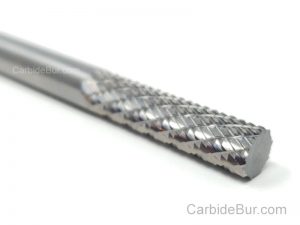
Have you checked out our selection of Carbide Bur Tools?
Choosing the Right Carbide Burs
Making the right choice in dental burs is crucial for your practice’s success. Let’s delve into the essentials that ensure you make informed decisions.
Understanding Grit Size
Start with grit size as it plays a big role in your work’s precision. Coarse grits remove material quickly, while fine grits offer smoother finishes.
-
Coarse grit helps in fast material removal during procedures like crown preparation.
-
Fine grit is ideal for finishing surfaces, giving them a polished look.
Using the appropriate grit size ensures you achieve the desired results efficiently. To learn more about choosing the right grit size, visit this comprehensive guide.
Selecting the Correct Shank Type
Shank type affects how you handle burs and impacts the final outcome. Choose wisely to maintain control and precision.
-
Friction grip shanks offer tight control, perfect for high-speed procedures.
-
Latch-type shanks are better suited for slower speeds, providing added stability.
Understanding which shank type suits your tools can make your work smoother and more effective.
Matching Head Shape to Procedures
Head shape directly influences how you approach each procedure. Let’s see how different shapes serve distinct purposes.
-
Round heads are ideal for cavity preparation, creating smooth walls.
-
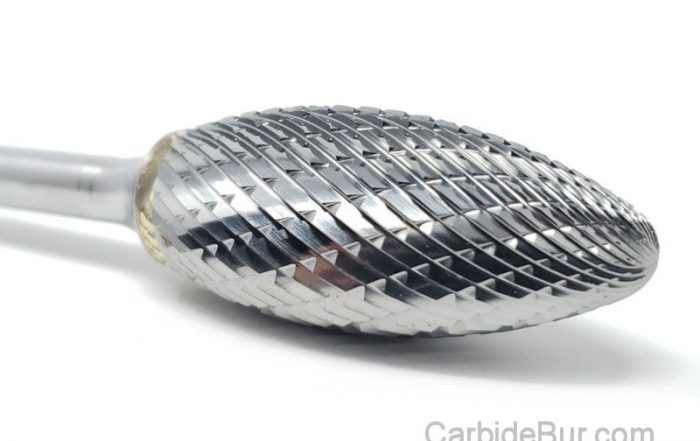
Pear shapes are great for opening up tooth structure efficiently.
By matching the head shape to specific tasks, you ensure each procedure is completed with precision. Check out this detailed article for more insights.
Optimizing Dental Performance
Transitioning from selection to application, optimizing your burs can significantly enhance your practice’s performance. Here’s how you can achieve this.
Enhancing Patient Outcomes with Dental Burs
Your choice in burs directly impacts patient satisfaction. By selecting the right tools, you can improve their experience and outcomes.
-
Properly chosen burs reduce procedure time, resulting in less discomfort for patients.
-
Accurate burs lead to better quality work, boosting patient trust and repeat visits.
Optimal dental performance leads to happier patients, making it essential to focus on the right tools.
Tailoring Burs to Dental Procedures
Each procedure demands specific tools. Tailoring burs ensures you meet your practice’s unique needs effectively.
-
For restorative work, use burs designed for precision and accuracy.
-
Surgical procedures require durable, sharp burs to handle tougher materials.
Knowing which burs suit your procedures helps you deliver exceptional results consistently. Explore more about this in this informative blog post.
Practical Tips for Dental Burs Selection
Let’s wrap up with practical tips to guide your purchase and maintenance decisions, ensuring you get the most out of your burs.
Key Considerations for Purchase
When buying burs, keep these factors in mind to ensure you make wise choices.
-
Material Quality: Choose high-quality materials for better durability.
-
Versatility: Look for burs that can handle multiple tasks.
-
Cost-Effectiveness: Balance quality with affordability.
These considerations help you maximize your investment, ensuring long-term benefits. For more detailed advice, visit this resource on dental burs.
Ensuring Quality and Longevity
Maintaining your burs is crucial for their longevity. Here’s how you can ensure they last longer.
-
Proper Storage: Store burs in a dry, clean environment to prevent corrosion.
-
Regular Cleaning: Clean after every use to maintain sharpness and hygiene.
Taking care of your burs not only prolongs their life but also maintains the quality of your work. For more maintenance tips, check this informative guide.
By carefully selecting and maintaining your carbide burs, you empower your practice to deliver superior results. The right choices today lead to successful outcomes tomorrow.
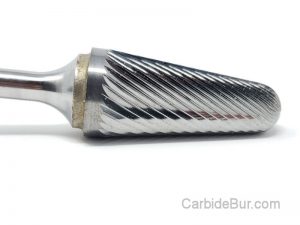
Find more information at CarbideBur.com

Can You Use a Carbide Burr With an Electric Die Grinder?
Can You Use a Carbide Burr With an Electric Die Grinder? Most people don’t realize how much a carbide burr can change the way an electric die grinder works. Using the right burr type can [...]
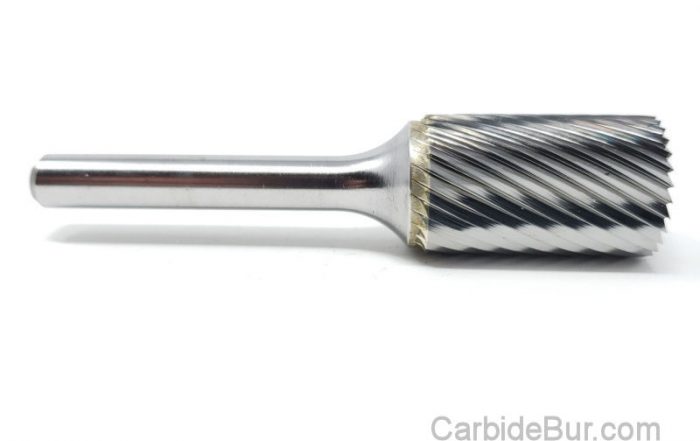
How to Deburr Holes With a Carbide Burr
How to Deburr Holes With a Carbide Burr Most people think any tool will do for deburring holes. The truth is, using the right carbide burr with the correct size and shape changes everything. In [...]
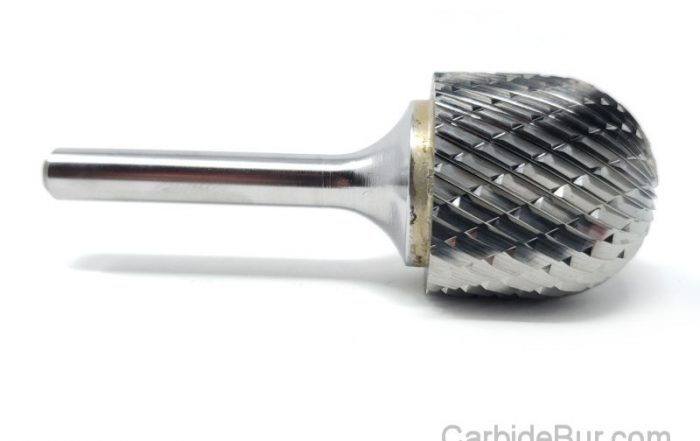
How to Choose the Correct Carbide Burr Shank Size
How to Choose the Correct Carbide Burr Shank Size Many machinists lose hours troubleshooting tool issues caused by the wrong carbide burr shank size. Using a shank that doesn’t fit your grinder can lead to [...]
How to Remove Casting Flash With a Carbide Burr
How to Remove Casting Flash With a Carbide Burr Casting flash ruins the look and fit of your metal parts. You’ve tried sanding or grinding, but the results aren’t clean or fast enough. Learning how [...]
Best Carbide Burr for Enlarging a Hole in Metal
Best Carbide Burr for Enlarging a Hole in Metal When you need to enlarge a hole in metal, grabbing the wrong carbide burr can turn a simple task into a frustrating mess. Picking the best [...]
Carbide Burr Safety: 15 Mistakes That Can Cause Injury or Damage
Carbide Burr Safety: 15 Mistakes That Can Cause Injury or Damage Carbide burr safety is often overlooked until a costly mistake happens. Many metalworkers and DIYers make the same errors that lead to injuries or [...]
Can You Use a Carbide Burr in a Drill?
Can You Use a Carbide Burr in a Drill? Most people think a standard drill can’t handle a carbide burr, but that’s not true. Using carbide burr in the right drill can speed up your [...]
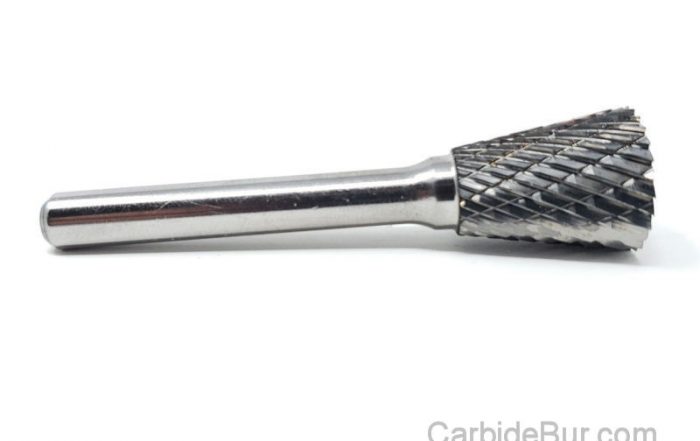
Carbide Burrs for Removing Rust: What Works Best?
Carbide Burrs for Removing Rust: What Works Best? Rust can turn your favorite tools into useless junk faster than you expect. Removing it without ruining the metal underneath takes more than just elbow grease—it demands [...]
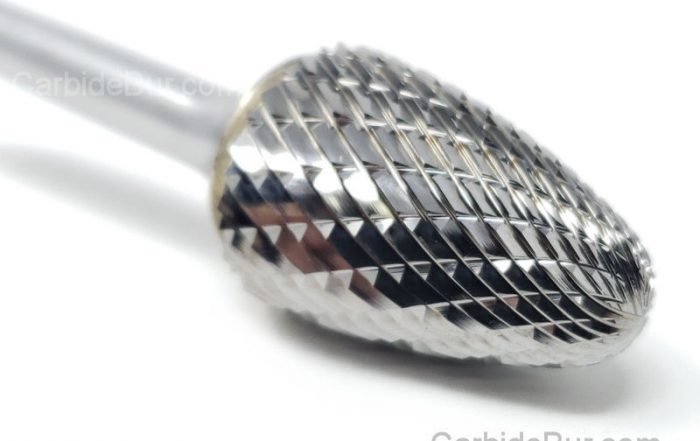
How Much Pressure Should You Use With a Carbide Burr?
How Much Pressure Should You Use With a Carbide Burr? Most people think pressing harder with a carbide burr speeds up the job. That’s not true—too much pressure wears out your tool and ruins the [...]
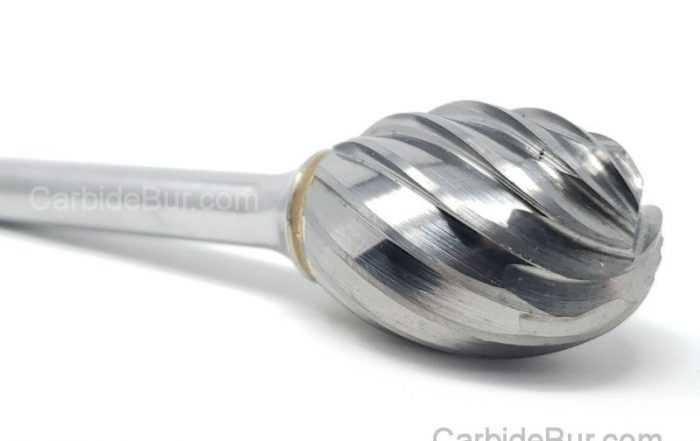
Can You Use Carbide Burrs With an Air Die Grinder?
Can You Use Carbide Burrs With an Air Die Grinder? Most people don’t realize how well carbide burrs work with air die grinders until they try them. If you’ve ever struggled with finding the right [...]
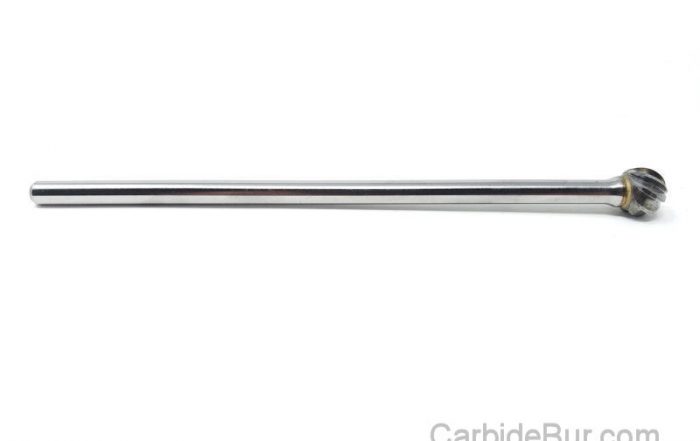
Best Long Reach Carbide Burr for Deep Metal Work
Best Long Reach Carbide Burr for Deep Metal Work Long reach carbide burrs often promise deep metal access, but many fall short where it counts most. You need a tool that cuts cleanly, lasts through [...]
What RPM Should You Use for a 1/8 Inch Carbide Burr?
What RPM Should You Use for a 1/8 Inch Carbide Burr? Most people guess the right carbide burr RPM by feel—and waste hours redoing work. If you want cleaner cuts and longer tool life, your [...]
