
Woodworking and Metalworking: When to Choose Carbide Burs Over Steel Burs
Choosing between carbide burs and steel burs can make or break your project. You might think carbide burs are always better, but steel burs still hold their ground in the right situations. Understanding the key differences helps you pick the perfect tool for your woodworking tools or metalworking tools, saving time and money on every cut. Let’s break down when each bur fits best in your tool selection. Read more here.
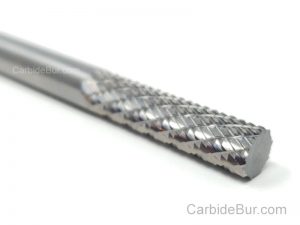
Have you checked out our selection of Carbide Bur Tools?
Understanding Bur Materials
Unveiling the differences between carbide burs and steel burs helps you make informed decisions. Each has unique features that cater to specific tasks and materials.
Key Differences Between Carbide and Steel
Carbide burs are crafted from a hard material that excels in cutting tough metals. Their strength allows them to maintain sharpness longer than steel burs. Steel burs, on the other hand, offer flexibility in softer materials and are often more affordable. Carbide burs shine when precision and durability are priorities. But steel burs might be the better choice when cost is a major concern, especially in large-scale projects.
For instance, if you’re working on a project that involves metalworking tools, carbide burs can provide clean cuts through hard surfaces. They resist heat, which reduces wear and tear. On the flip side, steel burs work well for wood or softer metals, offering a cost-effective solution without sacrificing too much quality.
Durability and Performance Factors
Durability is a key consideration in selecting burs. Carbide burs are known for their long lifespan, often outlasting steel by a significant margin. This longevity makes them a wise investment for frequent use. On the other hand, steel burs may need more frequent replacements but are easier on the wallet initially.
Performance also varies. Carbide burs perform exceptionally at high speeds, providing a smooth finish. Steel burs might struggle under the same conditions, showing wear faster. Choosing between them depends largely on the material you work with and your budget constraints.
Applications in Woodworking and Metalworking
Understanding where each type of bur excels can maximize your efficiency. Whether in woodworking or metalworking, the right choice can lead to superior results.
When to Use Carbide Burs
Carbide burs are your go-to for tough projects. They cut through metals like stainless steel and titanium with ease. This makes them ideal for metalworking where precision and speed are crucial. Carbide burs also perform well in woodworking when dealing with hardwoods that require a clean finish. Explore more about their applications here.
Optimal Uses for Steel Burs
Steel burs find their strength in versatility. They are perfect for soft metals and wood, making them a favorite in woodworking. If you’re crafting a piece that doesn’t demand the robustness of carbide, steel burs provide a reliable and economical option.
Their flexibility makes them suitable for shaping and detailed work, allowing for creativity without breaking the bank. Learn what users think about steel burs here.
Making the Right Tool Selection
Choosing the right bur involves weighing cost against durability and performance. Explore how these factors impact your decision.
Budget Considerations for Burs
Budget is often a deciding factor in choosing between carbide and steel burs. Steel burs are initially cheaper, making them attractive for budget-conscious projects. However, if long-term use and fewer replacements are priorities, investing in carbide burs may prove more cost-effective over time.
Long-term Tool Investment
Investing wisely in your tools can save time and money. Carbide burs, while more expensive upfront, offer long-term savings due to their longevity. They are particularly beneficial if your work requires frequent use of metalworking tools. Consider insights from the industry here.
In conclusion, both carbide and steel burs have their place in your toolkit. Assess your project needs, budget, and the materials you work with to choose the best option. Understanding these aspects ensures you always have the right tool for the job, enhancing both efficiency and results.
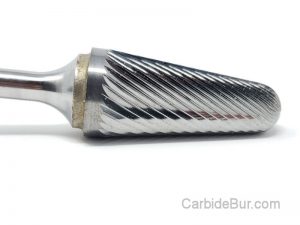
Find more information at CarbideBur.com

Can You Use a Carbide Burr With an Electric Die Grinder?
Can You Use a Carbide Burr With an Electric Die Grinder? Most people don’t realize how much a carbide burr can change the way an electric die grinder works. Using the right burr type can [...]
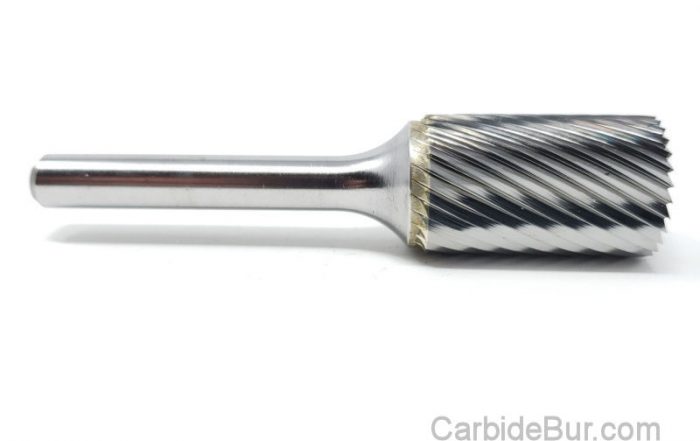
How to Deburr Holes With a Carbide Burr
How to Deburr Holes With a Carbide Burr Most people think any tool will do for deburring holes. The truth is, using the right carbide burr with the correct size and shape changes everything. In [...]
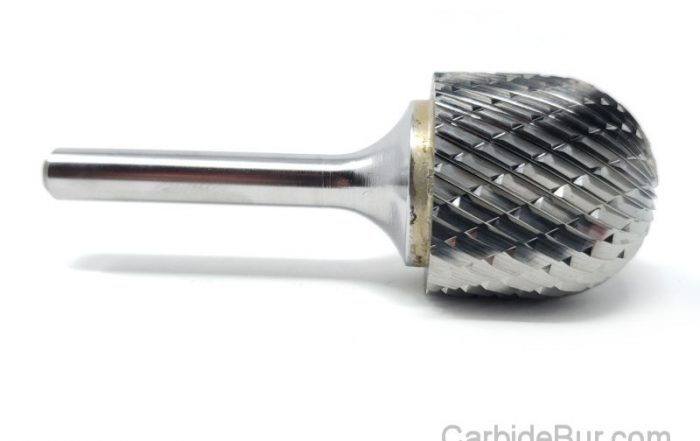
How to Choose the Correct Carbide Burr Shank Size
How to Choose the Correct Carbide Burr Shank Size Many machinists lose hours troubleshooting tool issues caused by the wrong carbide burr shank size. Using a shank that doesn’t fit your grinder can lead to [...]
How to Remove Casting Flash With a Carbide Burr
How to Remove Casting Flash With a Carbide Burr Casting flash ruins the look and fit of your metal parts. You’ve tried sanding or grinding, but the results aren’t clean or fast enough. Learning how [...]
Best Carbide Burr for Enlarging a Hole in Metal
Best Carbide Burr for Enlarging a Hole in Metal When you need to enlarge a hole in metal, grabbing the wrong carbide burr can turn a simple task into a frustrating mess. Picking the best [...]
Carbide Burr Safety: 15 Mistakes That Can Cause Injury or Damage
Carbide Burr Safety: 15 Mistakes That Can Cause Injury or Damage Carbide burr safety is often overlooked until a costly mistake happens. Many metalworkers and DIYers make the same errors that lead to injuries or [...]
Can You Use a Carbide Burr in a Drill?
Can You Use a Carbide Burr in a Drill? Most people think a standard drill can’t handle a carbide burr, but that’s not true. Using carbide burr in the right drill can speed up your [...]
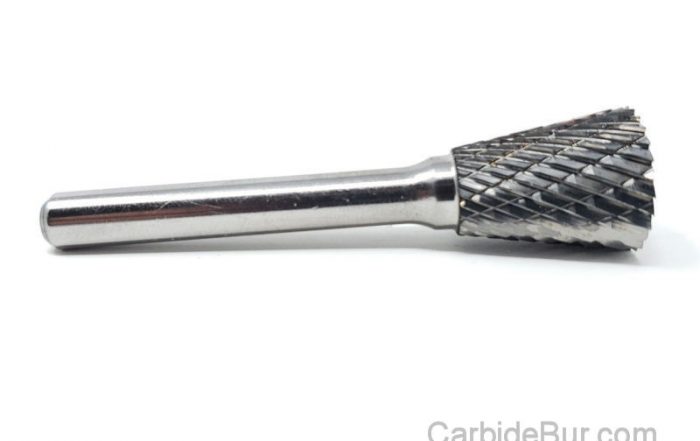
Carbide Burrs for Removing Rust: What Works Best?
Carbide Burrs for Removing Rust: What Works Best? Rust can turn your favorite tools into useless junk faster than you expect. Removing it without ruining the metal underneath takes more than just elbow grease—it demands [...]
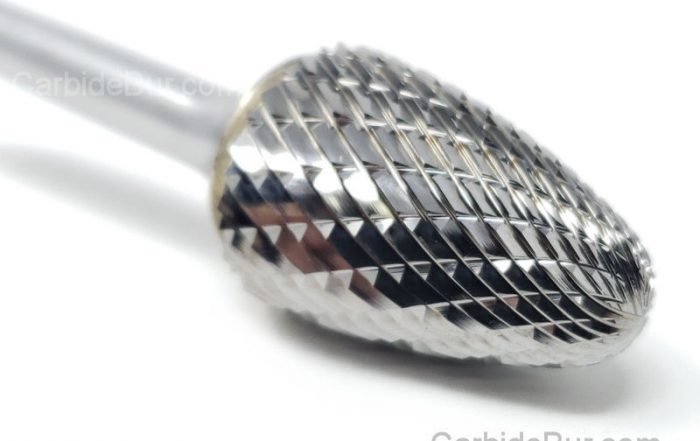
How Much Pressure Should You Use With a Carbide Burr?
How Much Pressure Should You Use With a Carbide Burr? Most people think pressing harder with a carbide burr speeds up the job. That’s not true—too much pressure wears out your tool and ruins the [...]
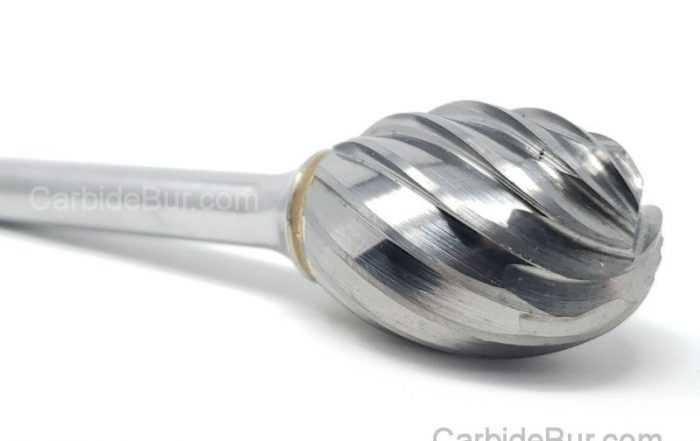
Can You Use Carbide Burrs With an Air Die Grinder?
Can You Use Carbide Burrs With an Air Die Grinder? Most people don’t realize how well carbide burrs work with air die grinders until they try them. If you’ve ever struggled with finding the right [...]
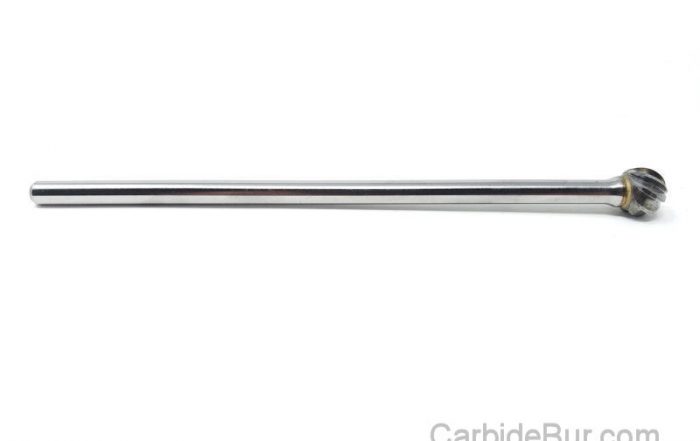
Best Long Reach Carbide Burr for Deep Metal Work
Best Long Reach Carbide Burr for Deep Metal Work Long reach carbide burrs often promise deep metal access, but many fall short where it counts most. You need a tool that cuts cleanly, lasts through [...]
What RPM Should You Use for a 1/8 Inch Carbide Burr?
What RPM Should You Use for a 1/8 Inch Carbide Burr? Most people guess the right carbide burr RPM by feel—and waste hours redoing work. If you want cleaner cuts and longer tool life, your [...]
