
How to use a die grinder
Most people treat a die grinder like just another power tool, but it can do so much more when you know the right moves. If you’ve ever struggled with shaping or smoothing metal, wood, or plastic, this die grinder tutorial will change how you work. You’ll get clear steps on how to use a die grinder safely, pick the best attachments, and nail your project every time.
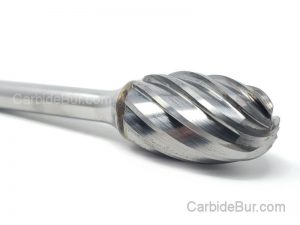
Which carbide bur tool works best for your job?
Introduction to Die Grinders
Die grinders are more than just tools; they’re your secret weapon for precision. Get ready to learn how these versatile tools can transform your projects from ordinary to extraordinary.
Understanding Die Grinders
A die grinder is a handheld power tool that excels in grinding, sanding, honing, and polishing materials. Compact and easy to maneuver, it offers remarkable accuracy. While using one, you can shape metal, wood, or plastic with ease. Its simple design includes a rotating spindle where you attach various bits or attachments. Perfect for detailed work, a die grinder helps bring your creative vision to life with precision.
Types of Die Grinders
Die grinders come in two main types: electric and pneumatic. Electric die grinders are great for general-purpose use at home or in small workshops. They plug into a standard outlet and are ready to go. Pneumatic die grinders, on the other hand, use compressed air, making them powerful choices for heavy-duty tasks. They require an air compressor, which means they’re often seen in professional settings. Both types offer unique benefits, so choose the one that fits your project needs best.
Applications and Uses
With a die grinder, you can smooth welds, carve intricate designs, or polish surfaces to a shine. It’s a go-to tool for metalworkers, woodworkers, and hobbyists alike. You can use it to enlarge holes in metal or wood, remove rust from old tools, or even create decorative patterns. Its versatility means you can tackle a range of tasks, making it an indispensable part of your toolkit. So, whether you’re crafting a custom metal project or adding detail to woodwork, a die grinder has got you covered.
Essential Safety Precautions
Before diving into the details of using a die grinder, it’s crucial to address safety. Prioritize your safety as you work with this powerful tool.
Protective Gear and Equipment
Always wear protective gear when using a die grinder. Safety glasses are a must to shield your eyes from flying debris. A dust mask protects your lungs from dust and particles. Consider wearing gloves to safeguard your hands from accidental slip-ups. Also, use ear protection; the tool can be loud, especially in enclosed spaces. Having the right gear ensures you stay safe while working efficiently.
Safe Operating Practices
When working with a die grinder, ensure the area is well-lit. Secure your workpiece firmly to prevent movement. Before turning the tool on, double-check that the attachment is tightly secured. Always use both hands to maintain control. Start the tool before contacting the material, then gradually apply it to your workpiece. This reduces the risk of kickback and helps you maintain precision. Remember, practice makes perfect, so take your time to get comfortable with the tool.
Handling and Storage Tips
Proper handling and storage extend the life of your die grinder. After use, unplug the tool and clean it thoroughly. Wipe down the body and attachments to remove dust and debris. Store the grinder in a dry, cool place, ideally in a case or tool bag. This prevents moisture buildup and protects it from accidental damage. Regular maintenance and careful storage keep your tool in optimal condition, ready for your next project.
Choosing the Right Attachments
The right attachments can make all the difference when using a die grinder. Let’s explore how to pick the best ones for your needs.
Best Die Grinder Attachments
Selecting the right attachments can elevate your work. Start with cutting wheels for slicing through metal and plastic. Grinding stones are ideal for sharpening and deburring. For polishing, use buffing pads that offer a shiny finish. Each attachment serves a specific purpose, enhancing your tool’s versatility. By choosing the right one, you maximize your efficiency and achieve the best results.

Selecting Carbide Bur Bits
Carbide bur bits are essential for precision and durability. They come in various shapes, like cylindrical or pointed, each serving a unique function. Use cylindrical bits for flat surfaces and pointed bits for intricate details. The tungsten carbide material ensures long-lasting performance. For more detailed guidelines on carbide burs, check out this comprehensive guide to make informed choices.
Task-Specific Attachments
Matching attachments to tasks ensures smooth operation. Use sanding discs for wood, cut-off wheels for metal, and wire brushes for cleaning surfaces. Each task-specific attachment is designed to offer optimal results for particular materials or jobs. By choosing the appropriate attachment, you save time and effort, making your project smoother and more enjoyable.
Step-by-Step Usage Guide
With the right attachments and safety measures in place, it’s time to dive into using your die grinder effectively.
Preparing Your Workspace
Set up a clean, organized workspace to enhance your focus. Ensure your tools are within reach and the work area is free of clutter. Proper lighting is essential, so make sure your workspace is well-lit. This setup not only boosts efficiency but also keeps safety front and center. With everything in place, you’re ready to tackle your project with confidence.
How to Use a Die Grinder
Using a die grinder involves simple steps:
-
Secure the Attachment: Attach the desired bit and ensure it’s tightly secured.
-
Power On: Plug in the tool or connect it to an air compressor for pneumatic models.
-
Test the Tool: Run the grinder briefly to check for any irregularities.
-
Begin Grinding: Hold the tool with both hands and start working on your material.
-
Steady Motion: Keep a steady hand for precise results and avoid applying too much pressure.
These steps guide you in using the tool effectively, making your tasks easier to accomplish.
Cleaning and Maintenance
After use, clean your die grinder to maintain its performance. Remove attachments and wipe them down. Clean the tool’s exterior with a soft cloth. Periodically inspect the tool for wear and tear, replacing any worn-out parts. Regular maintenance keeps your grinder in top condition, ensuring it’s always ready for your next project.
Advanced Techniques and Tips
With a solid foundation in place, let’s explore some advanced techniques to refine your skills further.
Achieving Smooth Finishes
To achieve smooth finishes, practice slow, even strokes. Keep the tool moving in a consistent direction. Use finer grit attachments for a polished look. A final pass with a buffing pad can give your workpiece a professional shine. With patience and practice, you’ll master the art of smooth finishes, enhancing the quality of your work.
Die Grinder Tips for Precision Work
Precision work requires a steady hand and focused attention. Use small, controlled movements to maintain accuracy. Select the right carbide bur for intricate details. For more tips on achieving precision, visit this guide. The key is to practice regularly and refine your technique over time.
Troubleshooting Common Issues
Facing issues with your die grinder? If it vibrates excessively, check the attachment’s balance. If performance drops, clean or replace parts as needed. For air-powered models, ensure sufficient air pressure. Frequent issues often stem from simple fixes. By troubleshooting effectively, you extend the tool’s lifespan and maintain its efficiency.
By mastering these advanced techniques and tips, you elevate your projects and create more detailed, professional work. Whether you’re perfecting finishes or troubleshooting, you’re now equipped to achieve great results with your die grinder.
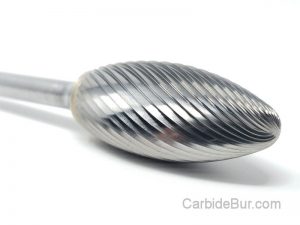
Looking for Carbide Bur Tools?
Check out our entire selection of USA made carbide bur die grinder tool bits
Follow us on Twitter

Return to CarbideBur.com
Carbide Burs – 1/4″ on 1/8″ Shanks – Accessories – Aluminum Cut – Bur Sets – End Mills – Long Shank – Solid Burs
How to Get More Life from Your Carbide Burrs
How to Get More Life from Your Carbide Burrs Carbide burrs are valuable tools for welders, fabricators, machinists, automotive enthusiasts, and anyone who regularly works with metal. They can remove material, shape edges, clean up [...]
Are Expensive Carbide Burrs Worth It? Comparing Price and Performance
Are Expensive Carbide Burrs Worth It? Comparing Price and Performance When shopping for carbide burrs, it's easy to assume that the cheapest option saves money. But if you use rotary cutting tools regularly for welding, [...]
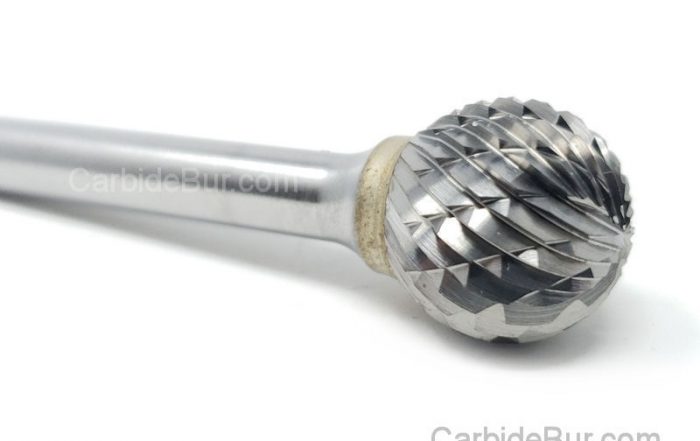
Carbide Burr vs. Grinding Stone: Which Is Better for Metal Removal?
Carbide Burr vs. Grinding Stone: Which Is Better for Metal Removal? When you need to remove metal, smooth a rough edge, or shape a metal component, two common options are carbide burrs and grinding stones. [...]
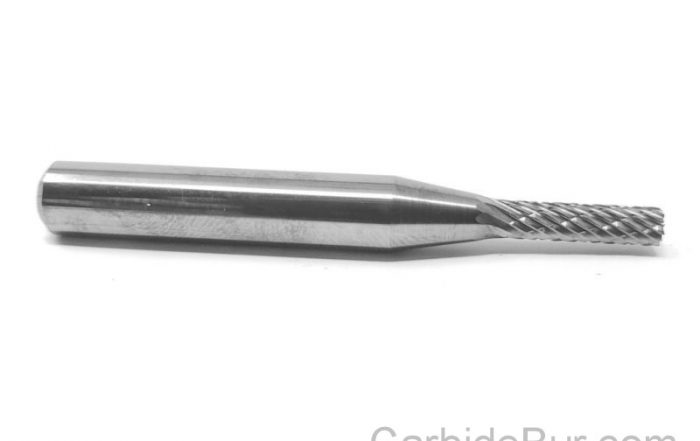
Carbide Burr Safety: RPM, Eye Protection, and Common Mistakes
Carbide Burr Safety: RPM, Eye Protection, and Common Mistakes Carbide burrs are versatile cutting tools used for metal fabrication, welding cleanup, engine porting, deburring, and general material removal. When used correctly, they can help remove [...]
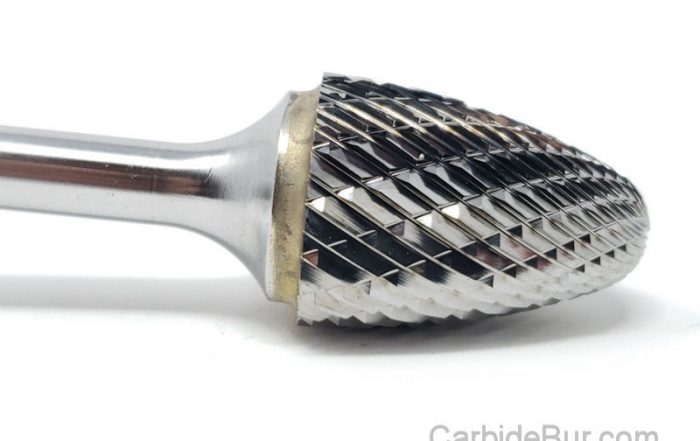
How to Stop Aluminum from Clogging Your Carbide Burr
How to Stop Aluminum from Clogging Your Carbide Burr Aluminum is widely used in automotive work, welding, metal fabrication, aerospace components, and general machining. It is lightweight, relatively easy to machine, and versatile across many [...]
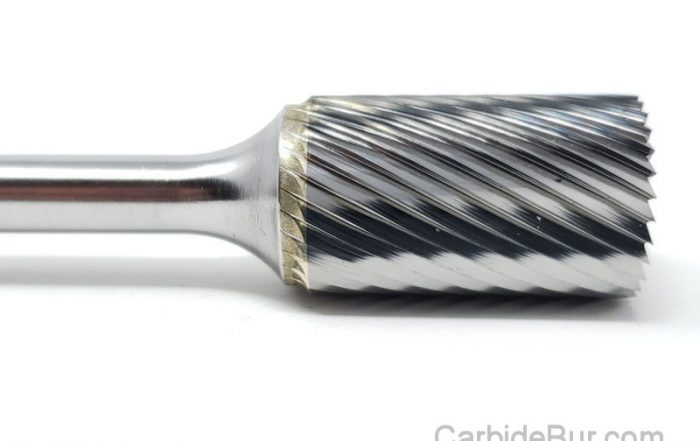
Carbide Burrs for Intake Manifolds: Shaping, Cleanup, and Fitment
Carbide Burrs for Intake Manifolds: Shaping, Cleanup, and Fitment Intake manifold work often involves more than simply bolting a component onto an engine. Depending on the application, metal intake components may have casting irregularities, rough [...]
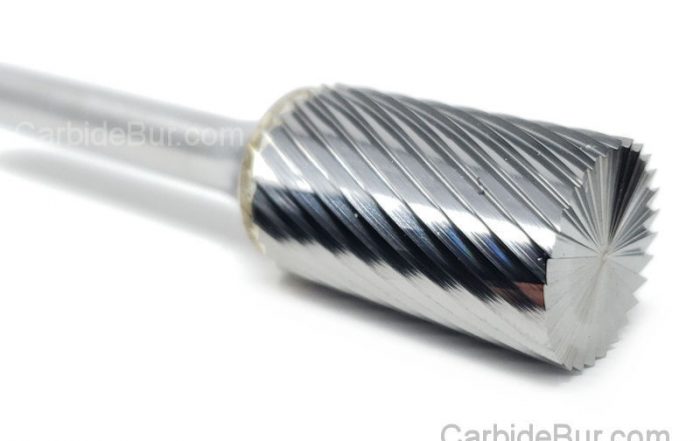
Why Long-Shank Carbide Burrs Are Useful for Hard-to-Reach Areas
Why Long-Shank Carbide Burrs Are Useful for Hard-to-Reach Areas When working on metal parts, the area that needs grinding or shaping is not always easy to reach. Recessed openings, deep cavities, interior surfaces, and complicated [...]
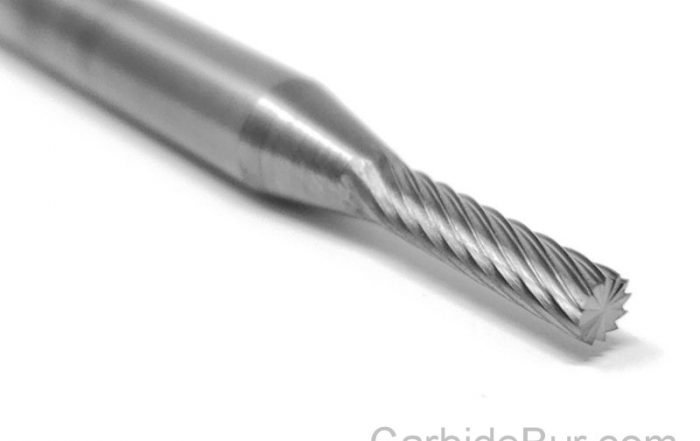
Choosing Carbide Burrs for Stainless Steel Fabrication
Choosing Carbide Burrs for Stainless Steel Fabrication Stainless steel is widely used in fabrication because of its corrosion resistance, strength, and durability. However, those same properties can make it challenging to machine and finish. Removing [...]
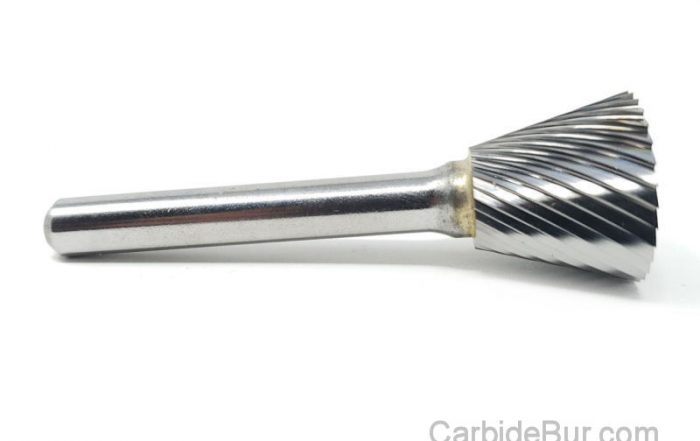
Can You Use Carbide Burrs in a Dremel? Shank Sizes Explained
Can You Use Carbide Burrs in a Dremel? Shank Sizes Explained If you use a Dremel or another rotary tool for detail work, metal shaping, or small fabrication projects, you may wonder whether you can [...]
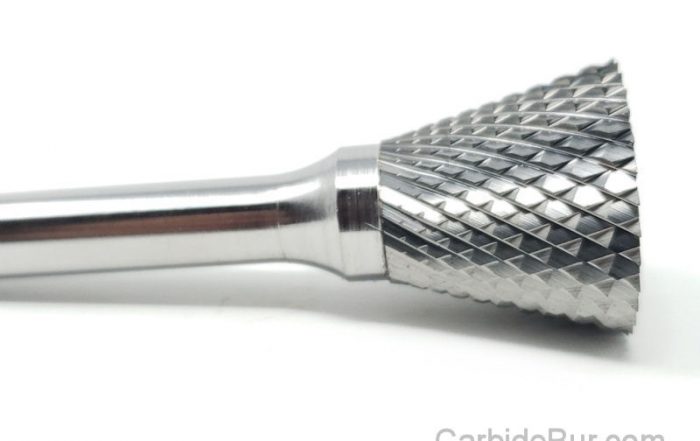
How to Choose the Best Carbide Burr for Welding and Metal Fabrication
How to Choose the Best Carbide Burr for Welding and Metal Fabrication Welding and metal fabrication often require more than joining two pieces of metal together. Once the welding is finished, fabricators frequently need to [...]
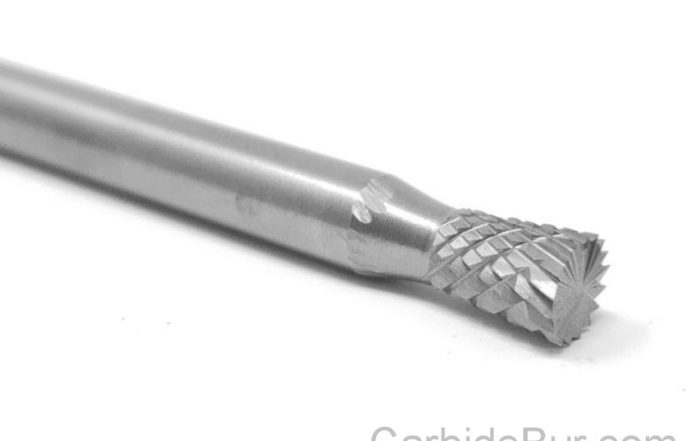
Carbide Burrs for Cylinder Heads: What Automotive Enthusiasts Need to Know
Carbide Burrs for Cylinder Heads: What Automotive Enthusiasts Need to Know Cylinder head work is an important part of engine building, restoration, and performance machining. Whether you are cleaning up casting imperfections, refining port surfaces, [...]
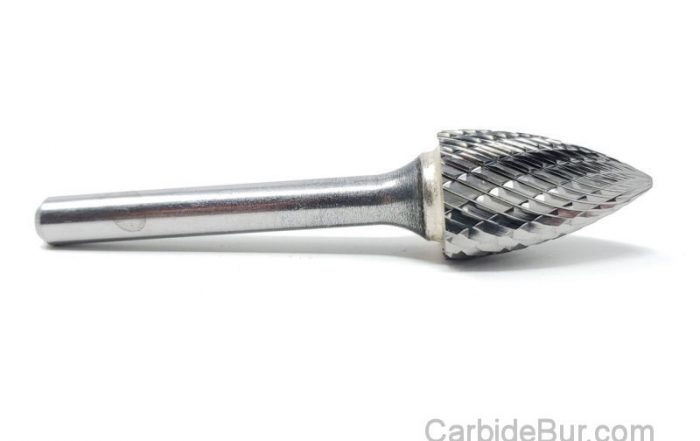
Engine Porting 101: How Carbide Burrs Help Shape Cylinder Head Ports
Engine Porting 101: How Carbide Burrs Help Shape Cylinder Head Ports Engine performance enthusiasts, automotive machinists, and engine builders often look for ways to improve airflow through an engine's cylinder heads. One technique used in [...]
