How to Choose the Right Carbide Burr Shape for Every Job
Choosing the right carbide burr shape can make or break your project’s finish. If you’ve ever struggled to find the perfect tool for detailed metal or woodwork, you’re not alone. This guide breaks down the key burr shapes—from cylindrical burrs to flame burrs—and shows how each one fits specific tasks. By understanding their unique functions, you’ll pick the best burrs for detailing and boost your craftsmanship with every cut. For more insights, check out this professional guide to selecting the right carbide bur for porting projects.

Have you seen our selection of carbide bur tools?
Understanding Carbide Burr Shapes
Introduction to Burr Shapes
Carbide burrs are vital tools in both metalworking and woodworking, providing precision and fine detailing. These tools come in various shapes, each designed for specific tasks. By learning about these shapes, you can improve your work quality significantly.
Importance in Metalworking and Woodworking
In both metalworking and woodworking, using the right burr shape can enhance the quality and accuracy of your work. Whether you’re smoothing edges or creating intricate patterns, choosing the right burr can make a notable difference.
Exploring Cylindrical Burrs
Characteristics and Applications
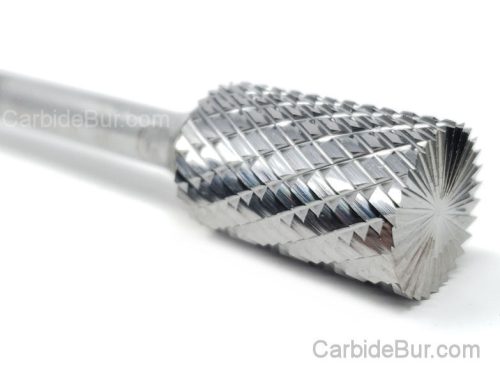
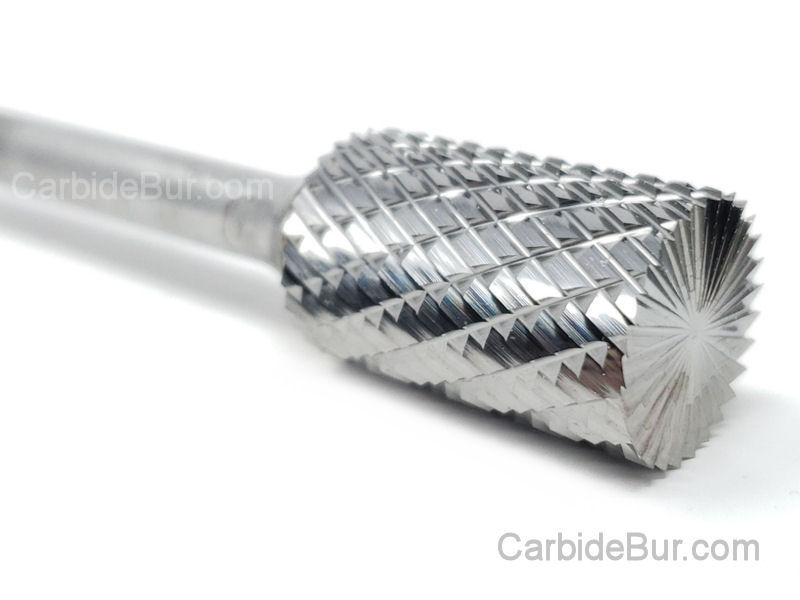
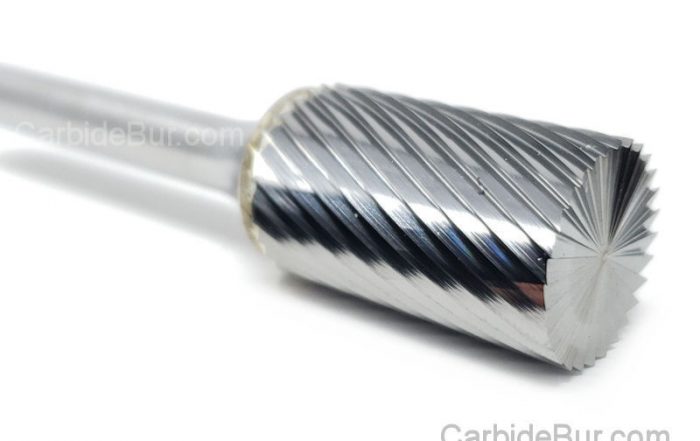
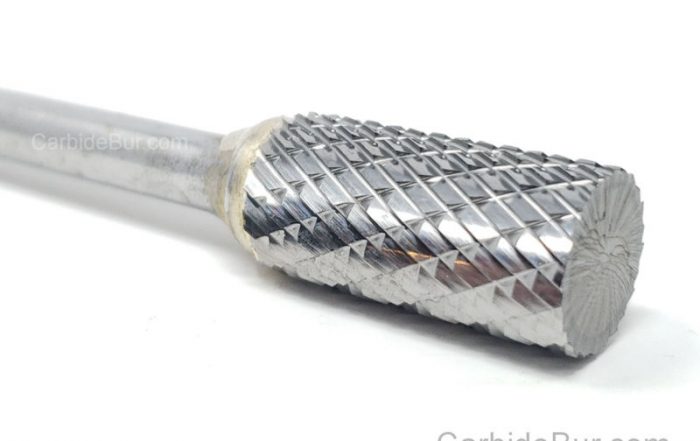
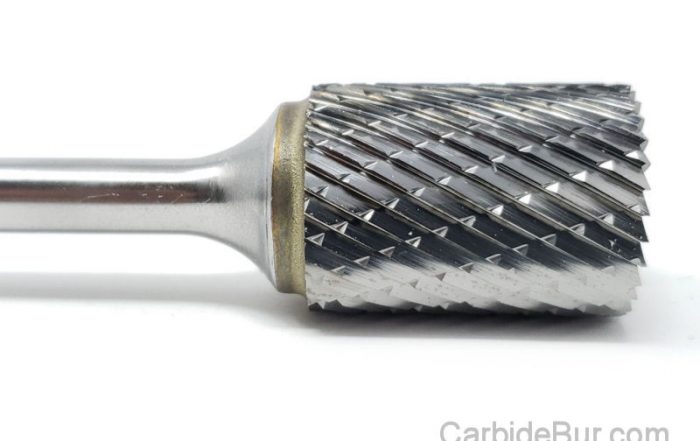
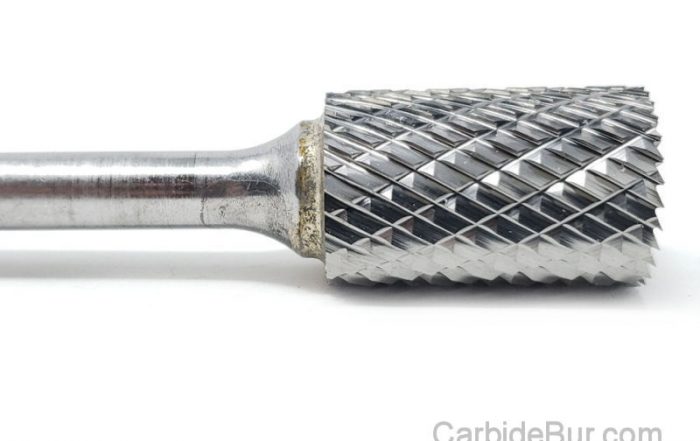
Cylindrical burrs are often the go-to for general shaping and finishing. They are perfect for flat surfaces and making smooth, even cuts. These burrs have a simple design that allows you to work efficiently on larger surfaces.
Best Jobs for Cylindrical Burrs
Cylindrical burrs excel in tasks like deburring and surface leveling. When working on flat areas or large surfaces, these burrs offer reliable performance. They are also great for creating clean edges on your projects.
Specialized Burrs for Precision
Ball Burrs for Rounded Edges
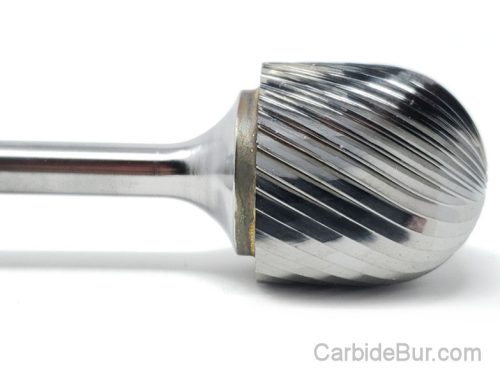
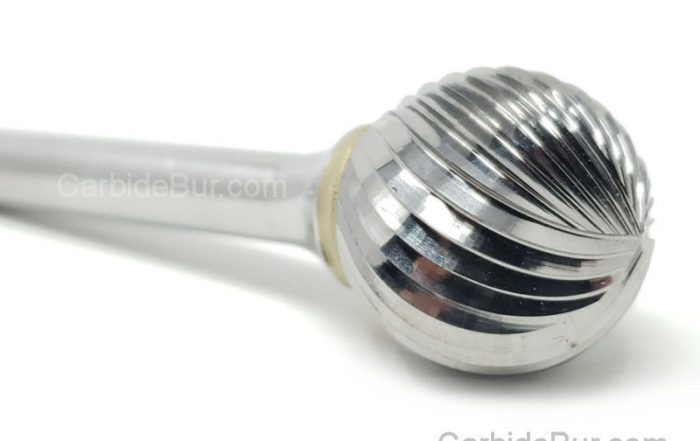
Ball burrs are designed for creating rounded edges and smooth curves. These burrs are perfect for contouring and enlarging holes. When your project requires smooth transitions, ball burrs are an excellent choice.
Flame Burrs for Intricate Detailing
Flame burrs provide precision for detailed work. Their pointed shape allows you to reach tight spots and create fine patterns. They are ideal for tasks that demand meticulous attention to detail, especially in wood carving.
Versatile Burr Shapes Explained
Oval and Tree Burr Functions
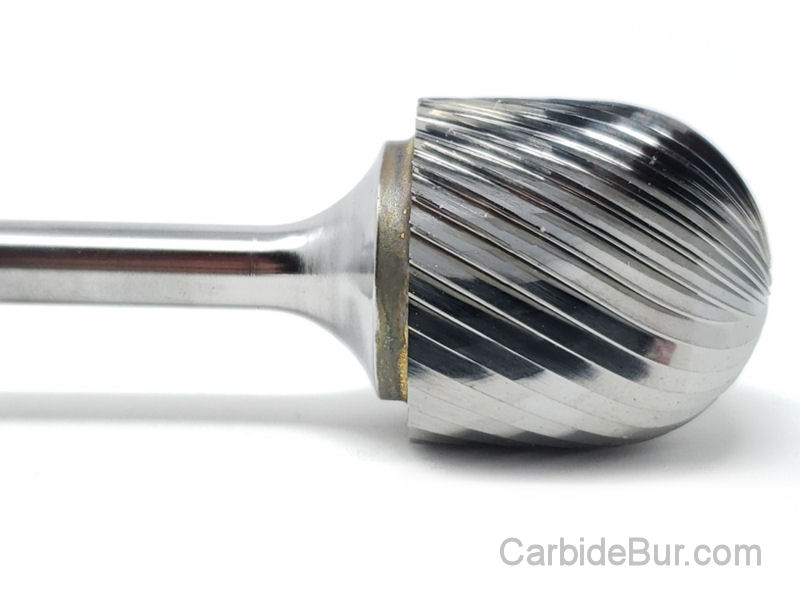
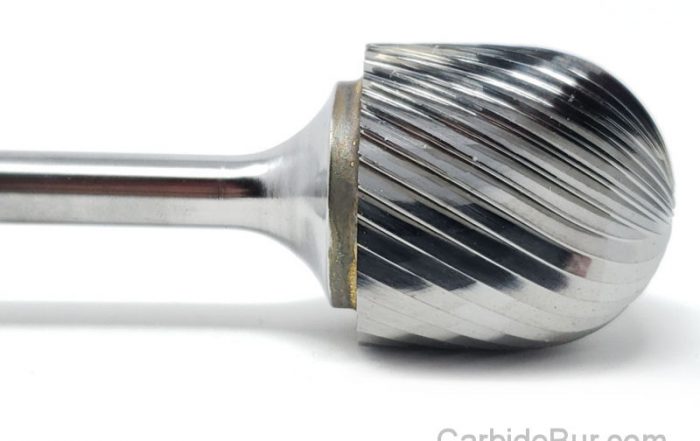
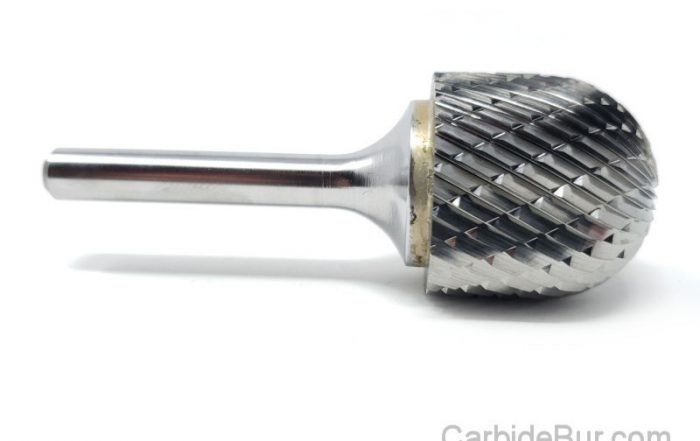
Oval burrs are great for rounding off edges and removing material efficiently. Tree burrs, on the other hand, are perfect for cutting in tight spaces and intricate shaping. Both shapes offer versatility, making them handy for various tasks.
Pointed Tree and Conical Burr Uses
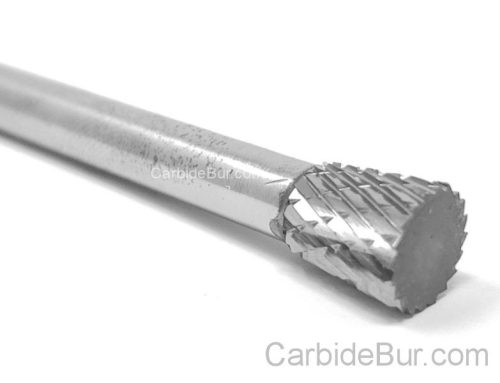
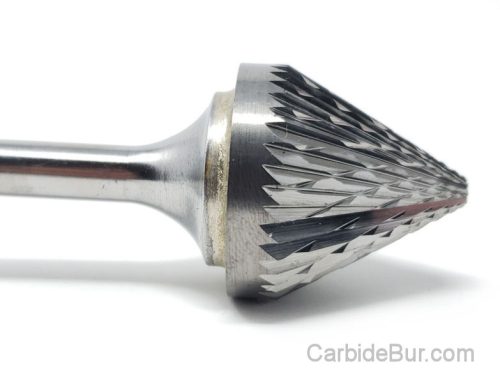
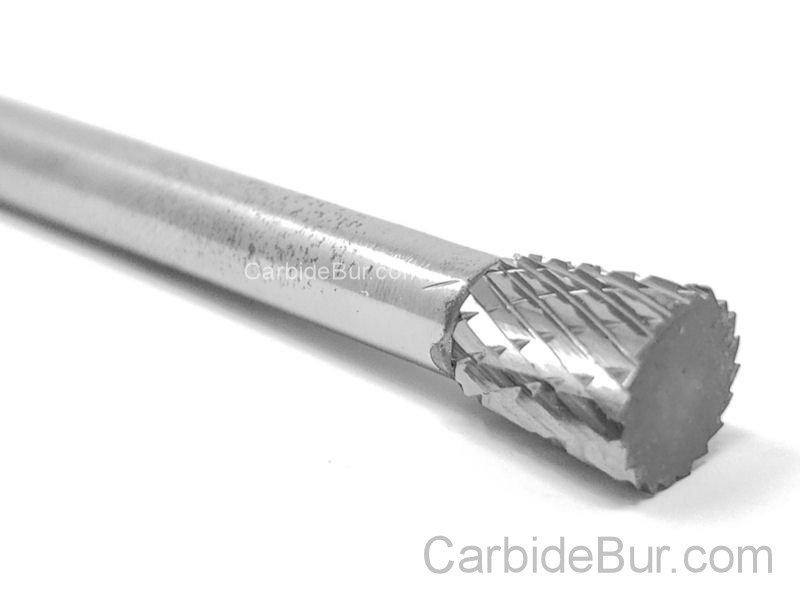
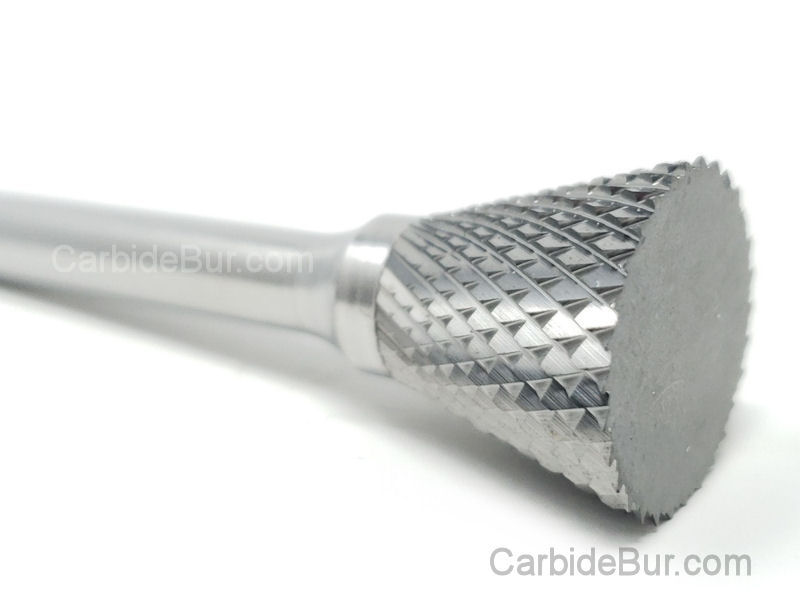
Pointed tree burrs are excellent for precision tasks where sharp corners are needed. Conical burrs, with their tapered shape, are perfect for creating angled cuts and working on detailed finishes.
Choosing the Right Burr for Your Project
Factors to Consider
When selecting a burr, consider the material you are working with and the specific task at hand. The right burr shape will depend on these factors, as well as the intricacy and detail required for your project.
Enhancing Efficiency and Finish Quality
Choosing the correct burr not only boosts efficiency but also enhances the quality of your finish. The smoother the finish, the more professional your project will appear, saving you time and effort in the long run.
Frequently Asked Questions
What are the best burrs for detailing?
Ball and flame burrs are excellent for detailing due to their shape and precision. They allow for intricate work and fine patterns, making them ideal for detailed projects.
How do cylindrical burrs differ from other shapes?
Cylindrical burrs are mainly used for flat surfaces and large areas. Their straightforward shape makes them efficient for deburring and surface leveling compared to other specialized burrs.
When should I use flame burrs?
Flame burrs are best used for intricate detailing and working in tight spots. Their shape allows for precision, making them suitable for tasks requiring fine attention to detail.
For more information on carbide burrs and their applications, visit this ultimate guide to carbide burr tooth patterns.
Have you seen our selection of carbide bur tools?
Looking for Carbide Bur Tools?
Check out our entire selection of USA made carbide bur die grinder tool bits
Follow us on Twitter

Return to CarbideBur.com
Carbide Burs – 1/4″ on 1/8″ Shanks – Accessories – Aluminum Cut – Bur Sets – End Mills – Long Shank – Solid Burs
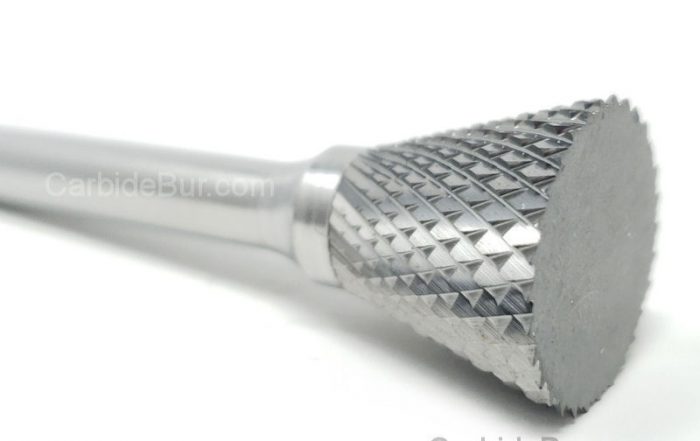
How to Choose the Right Carbide Burr Shape for Every Job
How to Choose the Right Carbide Burr Shape for Every Job Choosing the right carbide burr shape can make or break your project’s finish. If you’ve ever struggled to find the perfect tool for detailed [...]
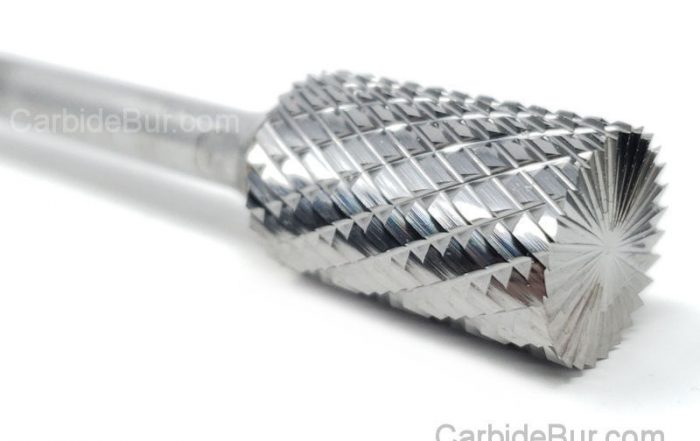
What Is the Difference Between Aluminum Cut and Standard Carbide Burrs?
What Is the Difference Between Aluminum Cut and Standard Carbide Burrs? Cutting soft aluminum can turn into a messy battle when your burr clogs up with gummy material. That’s why aluminum-cut burrs stand out with [...]
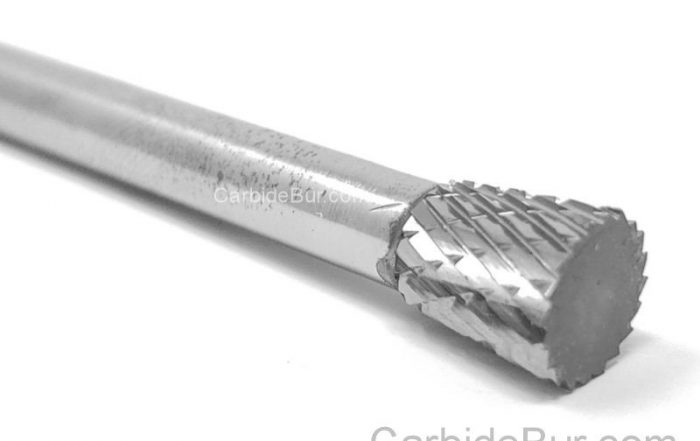
How to Grind Stainless Steel Welds Without Ruining the Finish
How to Grind Stainless Steel Welds Without Ruining the Finish Grinding stainless steel welds without wrecking the finish is tougher than it looks. You want to remove weld buildup and blend stainless steel welds without [...]
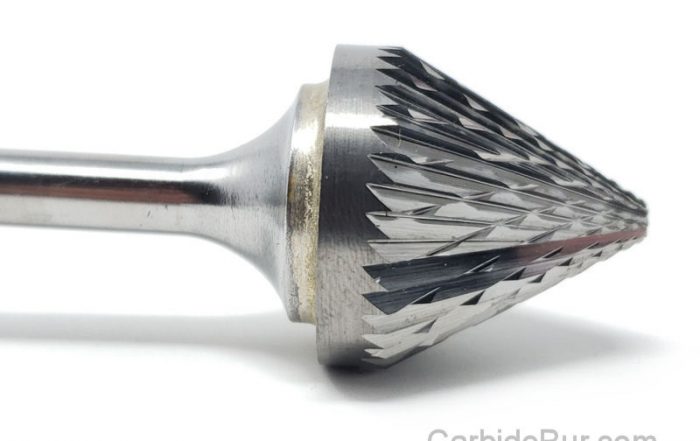
How to Remove Plasma Cutting Slag and Clean Up Metal Cutouts
How to Remove Plasma Cutting Slag and Clean Up Metal Cutouts Plasma cutting leaves behind rough edges and stubborn slag that slow down your project if you don’t tackle them right away. Removing dross and [...]
GE Aerospace’s $1 Billion Boost: A New Era for Precision Manufacturing in the U.S.
GE Aerospace's $1 Billion Boost: A New Era for Precision Manufacturing in the U.S. GE Aerospace’s $1 billion investment in U.S. manufacturing isn’t just another corporate headline. It signals a major shift in precision manufacturing [...]
Precision Carving with Carbide Burrs: How to Get the Best Performance from Your Dremel
Precision Carving with Carbide Burrs: How to Get the Best Performance from Your Dremel Most people assume any carbide burr fits their Dremel without issue. The truth is, understanding the 1/8-inch shank size and speed [...]
Unlocking the Secrets of Burr Shape Optimization for Aluminum
Unlocking the Secrets of Burr Shape Optimization for Aluminum Carbide burrs clogging during aluminum cutting can bring your project to a frustrating halt. You’ve seen how the soft, chip-forming nature of aluminum turns your tools [...]
Enhance Your Metalworking Skills: Top Benefits of Long-Reach Carbide Burrs
Enhance Your Metalworking Skills: Top Benefits of Long-Reach Carbide Burrs Grinding tight spots often feels impossible with standard tools. You waste time twisting and turning, trying to reach every corner without scratching your work. Long-reach [...]
Comparing Electric and Pneumatic Die Grinders with Carbide Burrs
Power and Precision: Comparing Electric and Pneumatic Die Grinders with Carbide Burrs Choosing the right die grinder for your carbide burrs can feel like a maze. Electric die grinders promise power at your fingertips, while [...]
The Top Tools Driving the Future of Aerospace Machining
The Top Tools Driving the Future of Aerospace Machining The demand for aerospace machining has surged, pushing manufacturers to deliver high-precision metal parts faster than ever. Meeting tight standards while cutting lead times in aerospace [...]
Mastering Carbide Burrs for Enhanced Engine Performance
Beginner's Guide to Engine Porting: Mastering Carbide Burrs for Enhanced Engine Performance Most beginners think engine porting is just about grinding metal. The truth is, mastering carbide burrs can change how air moves through your [...]
Unveiling the Secrets of Burr Cutting Efficiency: Double-Cut or Single-Cut?
Unveiling the Secrets of Burr Cutting Efficiency: Double-Cut or Single-Cut? Most metalworkers hit a wall choosing between double-cut carbide burrs and single-cut carbide burrs. Picking the wrong one can slow your work or wear your [...]