How to Grind Stainless Steel Welds Without Ruining the Finish
Grinding stainless steel welds without wrecking the finish is tougher than it looks. You want to remove weld buildup and blend stainless steel welds without leaving scratches or heat damage. Choosing the right burr and using the best finishing methods can make all the difference. This post will show you how to avoid contamination from carbon steel abrasives while achieving a clean, professional look every time. For more insights, check out this link: https://www.carbidebur.com/the-future-of-additive-manufacturing-in-aerospace-and-automotive-industries/.

Have you seen our selection of carbide bur tools?
Understanding Stainless Steel Welding
Grasping the nuances of stainless steel welding is essential for a pristine finish. Let’s explore why proper techniques matter and the challenges you might face.
Importance of Proper Techniques
Proper techniques in stainless steel welding are crucial. They ensure your welds are strong and the finish remains smooth. When you use the right methods, you reduce the risk of warping and overheating. This ensures the metal retains its integrity and appearance. Skimping on technique can lead to costly mistakes. A small oversight can ruin a project, leading to extra work and expense. Focusing on refining your skills now saves time later.
Common Challenges Faced
Welding stainless steel brings its own set of challenges. You might struggle with heat control. Excessive heat can discolor and weaken the metal. Another hurdle is maintaining a smooth finish. It’s easy to leave scratches or marks if you’re not careful. Contamination is a major issue too. Using tools meant for carbon steel can introduce impurities into your stainless steel. This can cause rusting or weaken the weld over time. Staying mindful of these challenges helps you tackle them head-on.
Benefits of a Smooth Finish
Achieving a smooth finish isn’t just about looks. It also improves the durability of your welds. A well-finished weld resists corrosion better. It makes cleaning and maintenance easier too. Moreover, smooth finishes enhance the overall aesthetic. This is crucial in industries where appearance matters. Clients notice the difference in quality. Their satisfaction can lead to repeat business. Investing time in finishing pays off in the long run.
Choosing the Right Burr
The burr you choose plays a critical role in your stainless steel welding. Selecting the right one can make grinding easier and more effective.
Factors in Burr Selection
Several factors influence burr selection. The type of stainless steel matters. Different alloys may require different burrs. Consider the size and shape of the welds too. Larger welds might need more aggressive burrs. Meanwhile, intricate details might call for precision tools. You should also think about the finish you want to achieve. Are you looking for a smooth polish or a more textured look? These considerations guide your choice, ensuring optimal results.
Types of Burrs for Stainless Steel
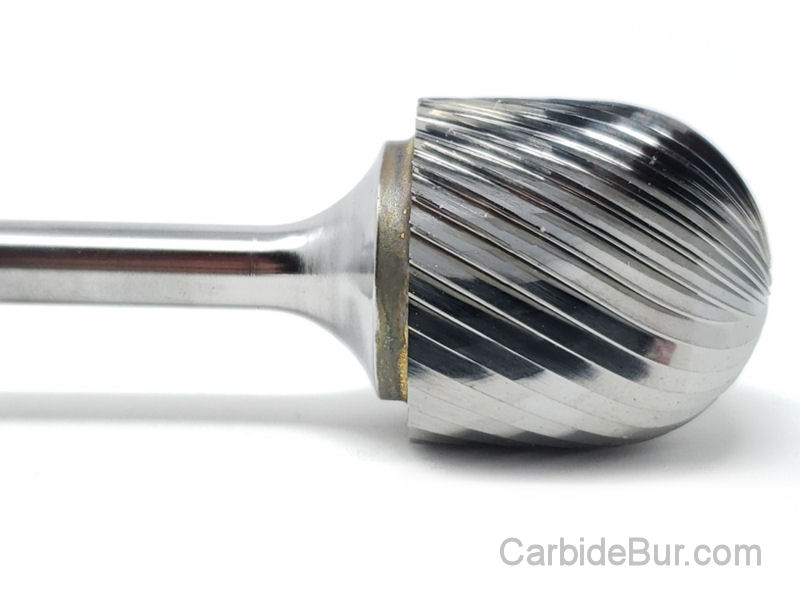
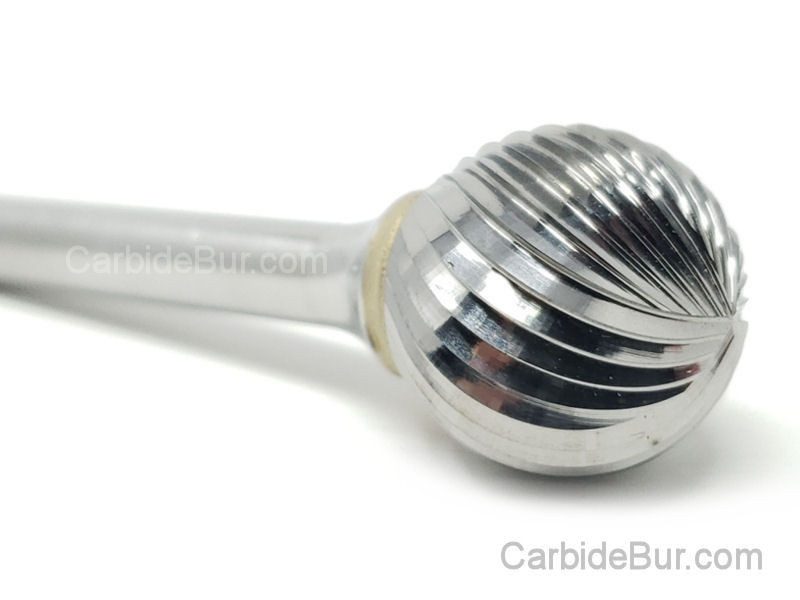
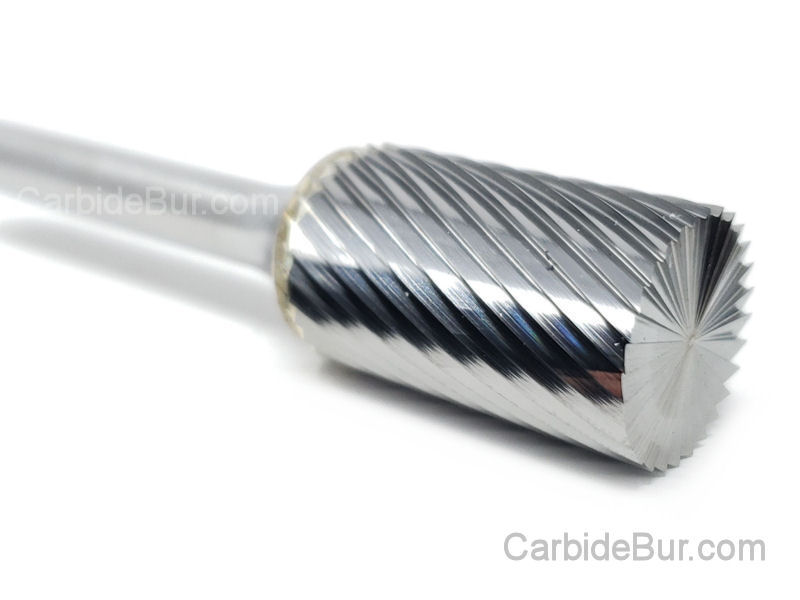
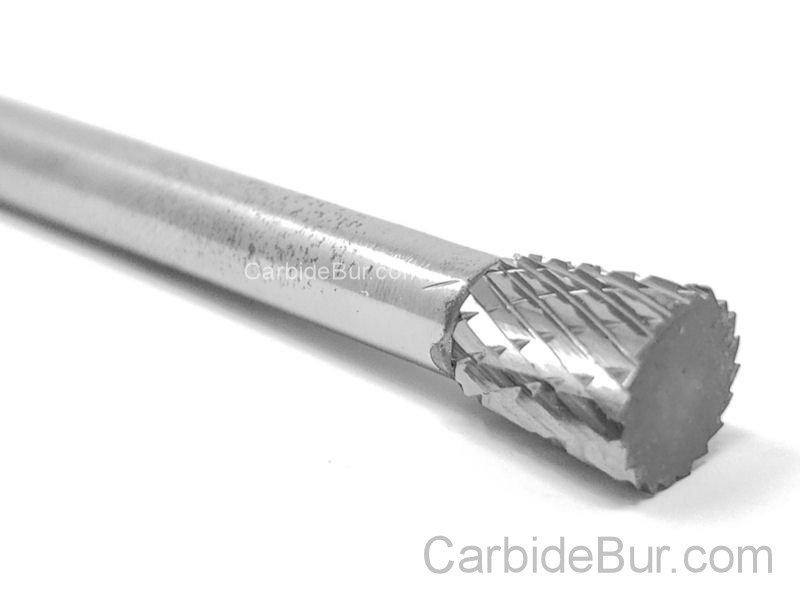
There are various burrs designed for stainless steel. Each has its specific application. Tungsten carbide burrs are popular for their durability. They handle tough materials without wearing out quickly. You might also explore aluminum oxide burrs. They’re great for fine finishes and less aggressive grinding. Ceramic burrs offer another option. They’re excellent for high-heat applications, reducing discoloration risks. Knowing these options helps you pick the right tool for the job.
Tips for Effective Grinding
Grinding effectively requires more than just the right burr. It’s about technique too. Keep a steady hand and use consistent pressure. This prevents uneven surfaces and reduces scratch risks. Always grind along the weld seam. This aligns the finish and maintains uniformity. Regularly check your burrs for wear and tear. Worn burrs can damage your workpiece. Replacing them when necessary ensures consistent quality.
Finishing Methods for Stainless Steel
Choosing the right finishing methods can elevate your stainless steel projects. Here are some effective techniques to consider.
Using Flap Discs Effectively
Flap discs are versatile tools for finishing stainless steel. They provide control and precision. Use light pressure when applying them to the surface. This avoids excessive material removal. It’s important to use the correct grit size too. Coarser grits remove material quickly, but finer grits create a polished look. Regularly inspect your discs. Worn ones can lead to uneven surfaces. With these tips, flap discs can be a valuable part of your finishing toolkit.
Polishing Pads for a Perfect Finish
Polishing pads help achieve a mirror-like finish. They come in various materials, including wool and foam. Wool pads are aggressive, ideal for initial polishing stages. Foam pads are softer, perfect for final touches. It’s crucial to keep the pad clean. Debris can scratch the surface. Apply a suitable polishing compound. This enhances the shine and protects the metal. By mastering polishing pads, you can ensure a professional-grade finish.
Techniques to Minimize Surface Damage
Minimizing surface damage is key to a pristine finish. Control your tool speed to prevent overheating. Rapid movement helps distribute heat evenly. Use fresh, uncontaminated tools. Dirty equipment can introduce impurities. It’s important to keep your workspace clean too. Dust and particles can mar the surface. These techniques preserve the integrity of your stainless steel, ensuring lasting quality.
Preventing Contamination
Contamination from carbon steel abrasives is a major concern. Learning how to prevent it is essential for maintaining your weld’s quality.
Risks of Carbon Steel Abrasives
Using carbon steel abrasives on stainless steel is risky. They can leave behind particles that cause rusting. This undermines the corrosion resistance of stainless steel. Even small amounts of contamination can lead to significant damage over time. It’s crucial to keep carbon steel tools separate. This simple step can prevent costly repairs and maintain your weld’s integrity.
Effective Cleaning Practices
Cleaning your tools and work surface is vital. Use stainless steel brushes to remove debris. Regularly wipe down your equipment. This prevents cross-contamination. Consider using a mild detergent. It helps eliminate any residues left behind. Always rinse thoroughly. Leftover soap can interfere with welding. Consistent cleaning practices maintain your tools and ensure high-quality results.
Maintaining Stainless Steel Integrity
Stainless steel integrity is preserved through careful practices. Avoid using tools meant for other metals. Invest in dedicated stainless steel tools. Monitor your welding environment too. Humidity and temperature can affect the metal. Regular inspections are important. Catching issues early prevents larger problems. By focusing on these areas, you maintain the strength and appearance of your welds.
Achieving Professional Results
Achieving professional results in stainless steel welding takes effort. Follow these strategies to ensure your projects stand out.
Consistency in Weld Blending
Consistency is crucial in weld blending. It creates a seamless appearance. Always follow the same direction when grinding. This reduces visible lines. Use consistent pressure to avoid uneven surfaces. Regularly check your progress. Adjust your technique as needed. Consistency ensures a polished, professional look.
Enhancing Weld Appearance
Enhancing weld appearance involves attention to detail. Smooth transitions between weld and metal are key. Take time to refine these areas. Use a variety of finishing methods. This adds depth and dimension. Don’t rush the process. Patience results in superior craftsmanship. By focusing on appearance, your projects will impress.
Long-term Benefits of Quality Finish
A quality finish offers long-term benefits. It protects against corrosion and wear. This extends the lifespan of your work. It also boosts aesthetic appeal. Clients appreciate the attention to detail. This can lead to more business opportunities. Investing in a quality finish enhances your reputation. It pays off in the long run, both financially and professionally.
Frequently Asked Questions
How do I choose the right burr for stainless steel?
Selecting the right burr involves considering the stainless steel type, weld size, and desired finish. Tungsten carbide burrs are durable, while aluminum oxide burrs are ideal for fine finishes. Choose based on your specific project needs.
What are the risks of using carbon steel abrasives on stainless steel?
Using carbon steel abrasives can lead to contamination, causing rust and weakening the metal. This compromises the stainless steel’s corrosion resistance. It’s important to use dedicated tools for stainless steel to avoid these issues.
How can I achieve a smooth finish on stainless steel welds?
To achieve a smooth finish, use proper techniques and suitable tools like flap discs and polishing pads. Control your tool speed and apply consistent pressure. These methods help maintain a polished, professional appearance.
What finishing methods are best for stainless steel?
Flap discs and polishing pads are effective for finishing stainless steel. Flap discs offer control and precision, while polishing pads provide a mirror-like finish. Using the right grit size and compound enhances results.
Why is it important to prevent contamination when welding stainless steel?
Preventing contamination is crucial to maintain stainless steel’s quality. Contaminants can cause rust and weaken the metal. Using dedicated tools and maintaining a clean workspace helps preserve the metal’s integrity.
Have you seen our selection of carbide bur tools?
Looking for Carbide Bur Tools?
Check out our entire selection of USA made carbide bur die grinder tool bits
Follow us on Twitter

Return to CarbideBur.com
Carbide Burs – 1/4″ on 1/8″ Shanks – Accessories – Aluminum Cut – Bur Sets – End Mills – Long Shank – Solid Burs
How to Grind Stainless Steel Welds Without Ruining the Finish
How to Grind Stainless Steel Welds Without Ruining the Finish Grinding stainless steel welds without wrecking the finish is tougher than it looks. You want to remove weld buildup and blend stainless steel welds without [...]
How to Remove Plasma Cutting Slag and Clean Up Metal Cutouts
How to Remove Plasma Cutting Slag and Clean Up Metal Cutouts Plasma cutting leaves behind rough edges and stubborn slag that slow down your project if you don’t tackle them right away. Removing dross and [...]
GE Aerospace’s $1 Billion Boost: A New Era for Precision Manufacturing in the U.S.
GE Aerospace's $1 Billion Boost: A New Era for Precision Manufacturing in the U.S. GE Aerospace’s $1 billion investment in U.S. manufacturing isn’t just another corporate headline. It signals a major shift in precision manufacturing [...]
Precision Carving with Carbide Burrs: How to Get the Best Performance from Your Dremel
Precision Carving with Carbide Burrs: How to Get the Best Performance from Your Dremel Most people assume any carbide burr fits their Dremel without issue. The truth is, understanding the 1/8-inch shank size and speed [...]
Unlocking the Secrets of Burr Shape Optimization for Aluminum
Unlocking the Secrets of Burr Shape Optimization for Aluminum Carbide burrs clogging during aluminum cutting can bring your project to a frustrating halt. You’ve seen how the soft, chip-forming nature of aluminum turns your tools [...]
Enhance Your Metalworking Skills: Top Benefits of Long-Reach Carbide Burrs
Enhance Your Metalworking Skills: Top Benefits of Long-Reach Carbide Burrs Grinding tight spots often feels impossible with standard tools. You waste time twisting and turning, trying to reach every corner without scratching your work. Long-reach [...]
Comparing Electric and Pneumatic Die Grinders with Carbide Burrs
Power and Precision: Comparing Electric and Pneumatic Die Grinders with Carbide Burrs Choosing the right die grinder for your carbide burrs can feel like a maze. Electric die grinders promise power at your fingertips, while [...]
The Top Tools Driving the Future of Aerospace Machining
The Top Tools Driving the Future of Aerospace Machining The demand for aerospace machining has surged, pushing manufacturers to deliver high-precision metal parts faster than ever. Meeting tight standards while cutting lead times in aerospace [...]
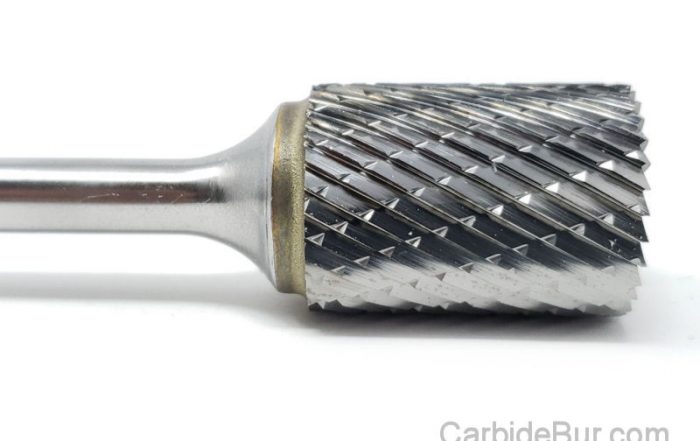
Mastering Carbide Burrs for Enhanced Engine Performance
Beginner's Guide to Engine Porting: Mastering Carbide Burrs for Enhanced Engine Performance Most beginners think engine porting is just about grinding metal. The truth is, mastering carbide burrs can change how air moves through your [...]
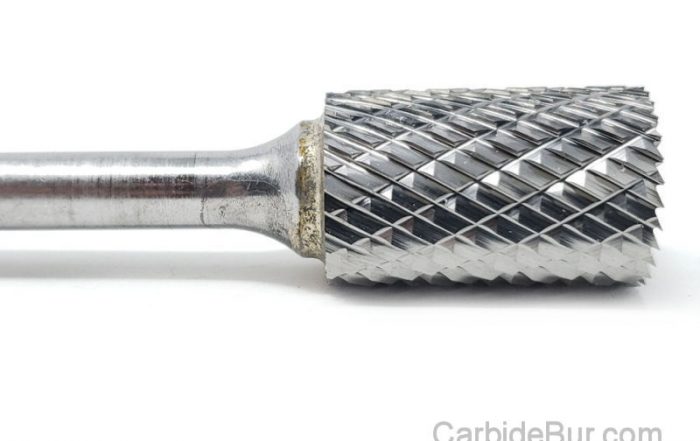
Unveiling the Secrets of Burr Cutting Efficiency: Double-Cut or Single-Cut?
Unveiling the Secrets of Burr Cutting Efficiency: Double-Cut or Single-Cut? Most metalworkers hit a wall choosing between double-cut carbide burrs and single-cut carbide burrs. Picking the wrong one can slow your work or wear your [...]
How Specialized Carbide Burrs Are Revolutionizing Aluminum Fabrication for Cleaner Cuts
How Specialized Carbide Burrs Are Revolutionizing Aluminum Fabrication for Cleaner Cuts Most aluminum fabricators still wrestle with rough edges and extra cleanup after machining. Those extra steps cost you time and eat into your profits. [...]
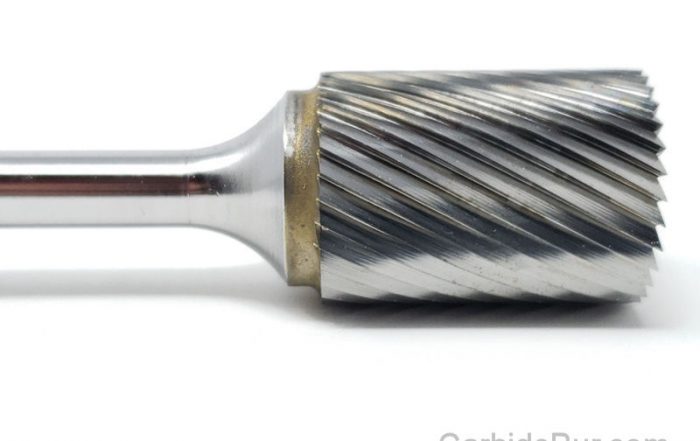
U.S. Manufacturing Reshoring: The Role of Domestic Tool Suppliers in 2026
U.S. Manufacturing Reshoring: The Role of Domestic Tool Suppliers in 2026 U.S. manufacturing is shifting closer to home faster than many expected. By 2026, reshoring trends are reshaping how supply chains function, with domestic tool [...]