
Ensuring Patient Comfort: How to Perfect Your Use of Carbide Burs
Many dental pros push too hard or spin burs at the wrong speed, causing carbide burs mistakes that hurt patients and ruin tools. If you’re tired of dealing with bur damage or patient discomfort, it’s time to rethink your pressure control in dentistry and get your technique right. This post breaks down the exact steps to improve your skills, find the optimal bur speed, and keep patients comfortable during procedures. For more insights on matching the right carbide bur to your dental procedure, check out this guide.
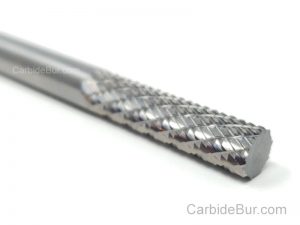
Have you checked out our selection of Carbide Bur Tools?
Avoiding Carbide Burs Mistakes
You’re about to improve your dental techniques by understanding common carbide burs mistakes. Let’s explore some pitfalls and how to avoid them for improved outcomes.
Common Errors to Watch For
Mistakes happen. You might press too hard or use the wrong speed. These errors can lead to patient discomfort and tool damage. The first step is identifying these mistakes.
-
Excessive Pressure: Pushing too hard can cause pain and wear down the bur faster. It’s important to maintain a gentle touch.
-
Wrong Speed Settings: Spinning too fast or too slow affects the bur’s efficiency. This can lead to overheating or incomplete cuts.
Many dental professionals make these errors without realizing it. To avoid them, focus on the feedback from your tools and adjust accordingly. For a deeper understanding, this resource offers valuable insights.
Techniques for Pressure Control in Dentistry
Mastering pressure control can drastically improve your results. It’s about technique, not strength. Here’s how to finesse your touch.
-
Mindful Practice: Start slow and steady, increasing speed only as needed.
-
Use Feedback: Feel the vibrations and sounds. They tell you if you’re applying too much force.
-
Regular Calibration: Check your equipment frequently to ensure it’s functioning properly.
Mindful practice reduces mistakes and enhances patient safety. Remember, it’s about control, not force. As you refine these skills, you’ll see the difference in patient feedback and tool longevity.
Techniques for Dental Improvement
To refine your skills, focus on speed and care. These techniques can help you achieve better precision and patient outcomes.
Optimal Bur Speed Settings
Speed settings are more crucial than you might think. Using the correct speed ensures clean, efficient cuts every time. Here’s how to find your optimal settings.
-
Low Speeds: Ideal for delicate areas. They prevent overheating and tissue damage.
-
High Speeds: Useful for harder surfaces, but be cautious to avoid chipping.
Most dental experts believe faster is better, but that’s not always true. Adjusting speed based on the procedure and material is key. For more detailed guidance, refer to this comprehensive guide.
Prevent Bur Damage with Care
Protecting your tools is just as important as using them correctly. Damaged burs lead to poor performance and increased costs. Here’s how to keep them in top shape.
-
Proper Cleaning: Regularly clean burs to remove debris and prevent rust.
-
Correct Storage: Store them in a dry, safe place to avoid accidental damage.
-
Routine Inspection: Check for wear and tear frequently.
Implementing these habits prolongs the lifespan of your burs and enhances their performance. After all, well-maintained tools lead to better patient care.
Enhancing Patient Comfort
Patient comfort is a priority. By improving your technique and tool handling, you ensure a more pleasant experience for them.
Ensuring Comfort During Procedures
Comfort during procedures isn’t just about skill—it’s about empathy. Simple adjustments can make a big difference.
-
Explain the Process: Let patients know what to expect. This reduces anxiety and builds trust.
-
Adjust Lighting and Music: Create a soothing environment to help patients relax.
When patients feel at ease, they report less pain and anxiety. This leads to more positive reviews and referrals, boosting your practice’s reputation. The Dental Carbide Burs guide discusses how optimal tool use enhances patient care.
Tips for a Calmer Patient Experience
Creating a calm experience is more than just technique—it’s about the entire patient journey. Here are some tips.
-
Personalized Care: Tailor your approach to each patient’s needs.
-
Open Communication: Keep an open line of communication to address concerns.
-
Continuous Feedback: Ask for feedback to improve the patient experience.
Your patients will appreciate the extra care and attention. The longer you wait to implement these techniques, the more challenging it becomes to correct habits. So, start today for a better tomorrow.
In conclusion, mastering carbide burs use benefits both your practice and your patients. By refining your technique and focusing on patient comfort, you create a better experience for everyone involved.
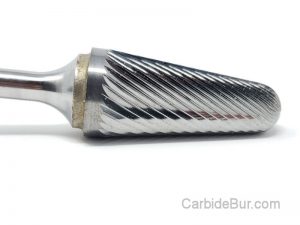
Find more information at CarbideBur.com

Can You Use a Carbide Burr With an Electric Die Grinder?
Can You Use a Carbide Burr With an Electric Die Grinder? Most people don’t realize how much a carbide burr can change the way an electric die grinder works. Using the right burr type can [...]
How to Deburr Holes With a Carbide Burr
How to Deburr Holes With a Carbide Burr Most people think any tool will do for deburring holes. The truth is, using the right carbide burr with the correct size and shape changes everything. In [...]
How to Choose the Correct Carbide Burr Shank Size
How to Choose the Correct Carbide Burr Shank Size Many machinists lose hours troubleshooting tool issues caused by the wrong carbide burr shank size. Using a shank that doesn’t fit your grinder can lead to [...]
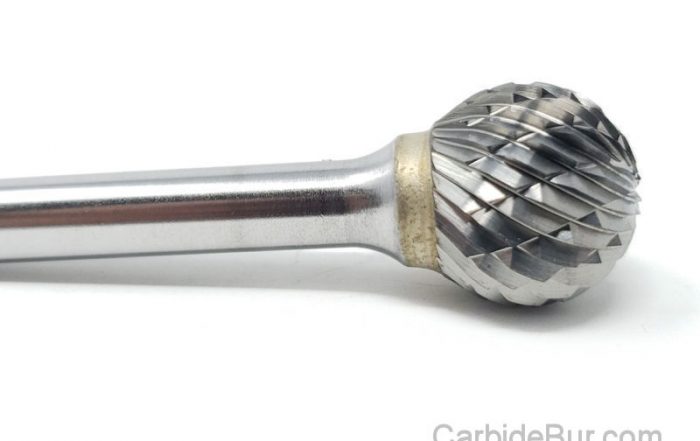
How to Remove Casting Flash With a Carbide Burr
How to Remove Casting Flash With a Carbide Burr Casting flash ruins the look and fit of your metal parts. You’ve tried sanding or grinding, but the results aren’t clean or fast enough. Learning how [...]
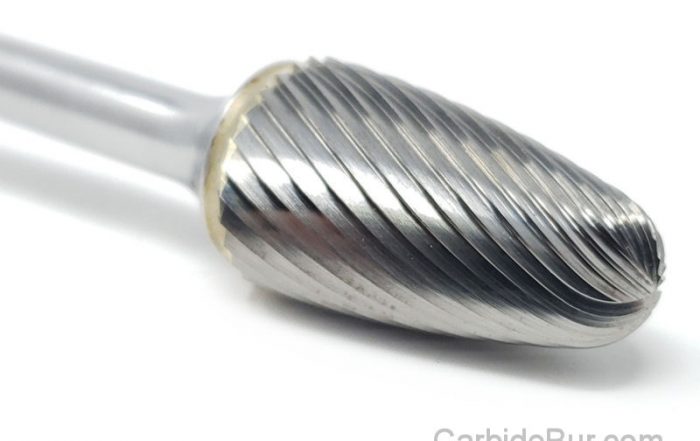
Best Carbide Burr for Enlarging a Hole in Metal
Best Carbide Burr for Enlarging a Hole in Metal When you need to enlarge a hole in metal, grabbing the wrong carbide burr can turn a simple task into a frustrating mess. Picking the best [...]
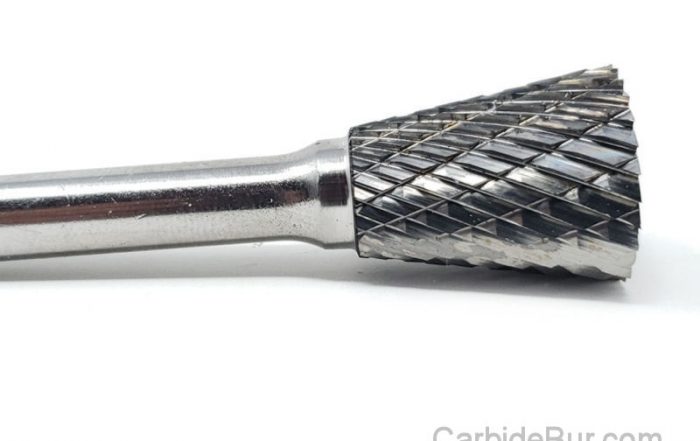
Carbide Burr Safety: 15 Mistakes That Can Cause Injury or Damage
Carbide Burr Safety: 15 Mistakes That Can Cause Injury or Damage Carbide burr safety is often overlooked until a costly mistake happens. Many metalworkers and DIYers make the same errors that lead to injuries or [...]
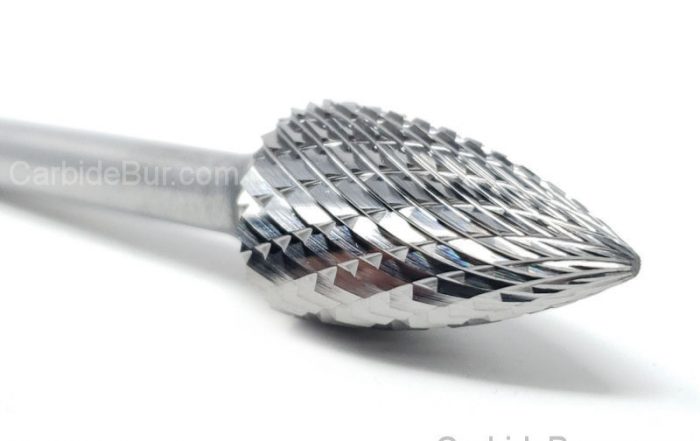
Can You Use a Carbide Burr in a Drill?
Can You Use a Carbide Burr in a Drill? Most people think a standard drill can’t handle a carbide burr, but that’s not true. Using carbide burr in the right drill can speed up your [...]
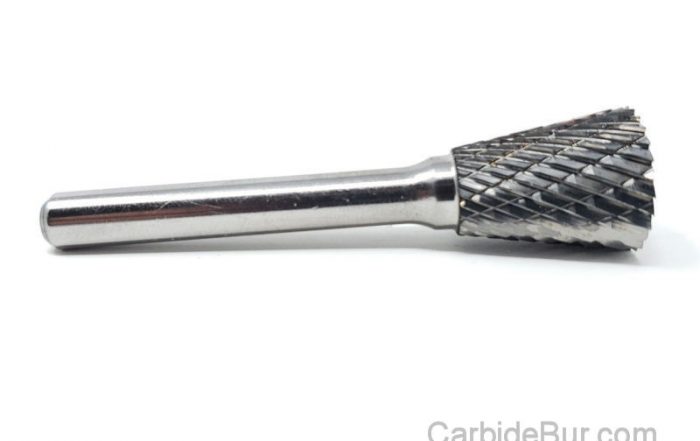
Carbide Burrs for Removing Rust: What Works Best?
Carbide Burrs for Removing Rust: What Works Best? Rust can turn your favorite tools into useless junk faster than you expect. Removing it without ruining the metal underneath takes more than just elbow grease—it demands [...]
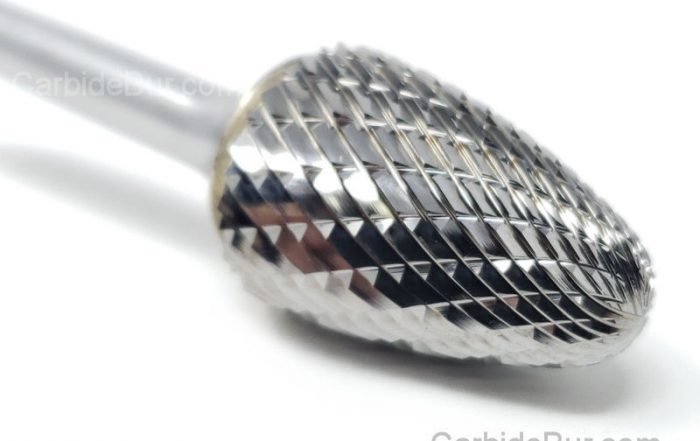
How Much Pressure Should You Use With a Carbide Burr?
How Much Pressure Should You Use With a Carbide Burr? Most people think pressing harder with a carbide burr speeds up the job. That’s not true—too much pressure wears out your tool and ruins the [...]
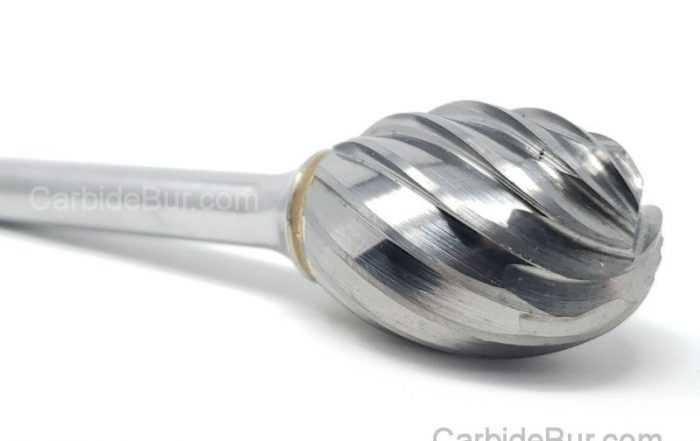
Can You Use Carbide Burrs With an Air Die Grinder?
Can You Use Carbide Burrs With an Air Die Grinder? Most people don’t realize how well carbide burrs work with air die grinders until they try them. If you’ve ever struggled with finding the right [...]
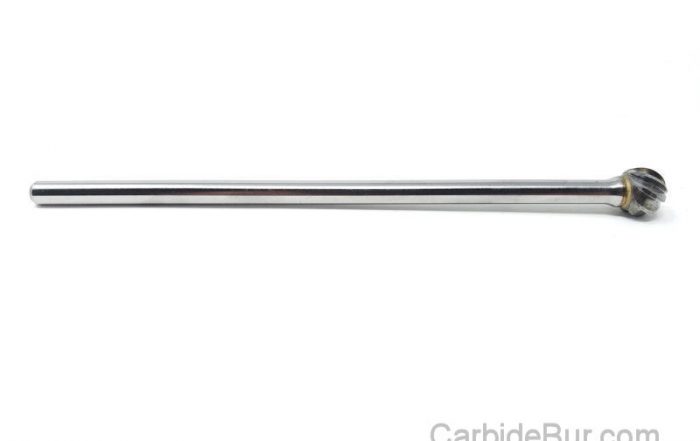
Best Long Reach Carbide Burr for Deep Metal Work
Best Long Reach Carbide Burr for Deep Metal Work Long reach carbide burrs often promise deep metal access, but many fall short where it counts most. You need a tool that cuts cleanly, lasts through [...]
What RPM Should You Use for a 1/8 Inch Carbide Burr?
What RPM Should You Use for a 1/8 Inch Carbide Burr? Most people guess the right carbide burr RPM by feel—and waste hours redoing work. If you want cleaner cuts and longer tool life, your [...]
