
Mastering Engine Flow: How Carbide Burs Outperform Bigger Ports
Bigger ports don’t always deliver the power boost you expect. If you’ve been chasing performance gains by simply enlarging your engine’s ports, you might be missing the real key: bur precision. This post breaks down common porting myths and shows why carbide burs, when used right, can create smoother engine flow and better tuning results. Stick around to see how smart polishing beats just going bigger every time. Learn more about the role of carbide burs in engine porting.
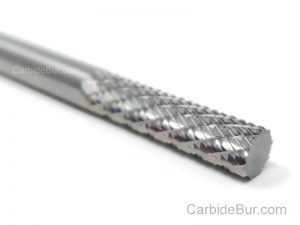
Have you checked out our selection of Carbide Bur Tools?
Porting Myths Explored
Porting myths can lead to wasted effort and missed gains. Let’s dig into the truth behind some common misconceptions.
Bigger Ports vs. Engine Flow
You might think bigger ports mean more power. But here’s the twist: it’s not always true. Enlarging ports can disrupt the smooth flow of air. Instead of boosting performance, it might create turbulence. A clear example is when increasing port size leads to rough idling. The secret isn’t in size but in flow precision. When you focus on flow, your engine breathes easier and runs stronger. It’s like choosing a well-paved road over a bumpy one. The smoother path always wins.
Debunking Common Misconceptions
Most people believe that more is better. Yet, in porting, quality trumps quantity. Enlarging ports without considering flow can backfire. Engines need consistency, not chaos. Imagine doubling the size of a door but leaving it crooked. You wouldn’t get better access, just more frustration. The same goes for engines. Check out more myths debunked here. Smart porting means respecting the airflow path. It’s all about balance, not brute force.
The Power of Carbide Burs
Carbide burs bring precision to the table, turning porting into an art. Let’s see how they make a difference.
Bur Precision for Performance Gains
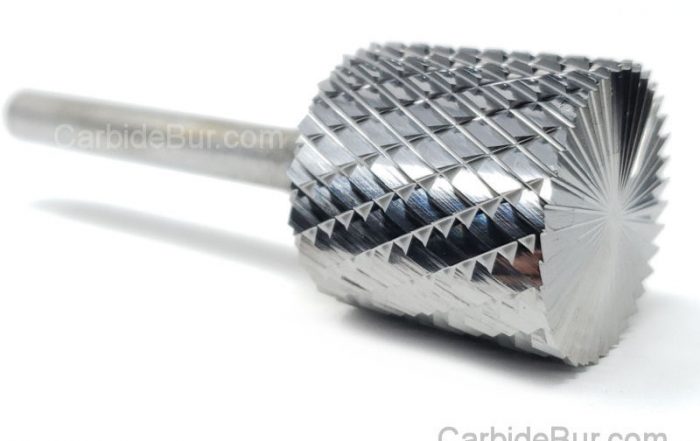
When it comes to performance gains, carbide burs are your best ally. They allow you to refine details with accuracy. Unlike larger tools, they offer control. Picture an artist with a fine brush versus a roller. That precision means you can shape ports to guide flow smoothly. No more hit-or-miss enlargements. Carbide burs give you the power to sculpt with finesse, ensuring every cut improves performance. Explore how carbide burs enhance performance.
Tuning Tips for Optimal Results
Tuning with carbide burs is about small, smart adjustments. Here’s how to get it right:
-
Assess First: Understand your engine’s needs. Not every part needs altering.
-
Go Slow: Start with minimal changes. Test and measure often.
-
Focus on Flow: Aim for a consistent path, not just larger space.
These steps ensure you enhance flow without disrupting harmony. Watch this guide for more tuning insights.
Real-World Engine Optimization
Real-world results matter. Here’s how to achieve balanced flow and measure success.
Achieving Balanced Flow
Balanced flow is the key to unlocking engine potential. It’s not about making everything bigger. It’s about making everything work together. Consider a well-tuned orchestra versus a band playing different songs. Harmony creates power. By focusing on balanced flow, you ensure every engine part contributes to a unified goal. This approach turns potential into performance, giving you the edge you need on the track.
Measuring Success in Performance Gains
Success isn’t just about feel; it’s measurable. Use tools to check airflow and power output. Look for smoother idling and consistent acceleration. These signs indicate success in your porting efforts. Remember, the longer you wait to optimize, the more horsepower you leave on the table. By embracing precision, you transform your engine’s dynamics. Whether you’re racing or cruising, you’ll know the gains are real and reliable.
By focusing on flow and precision, you can defy common porting myths and achieve true performance gains. It’s about working smarter, not harder, and letting carbide burs guide you to victory.
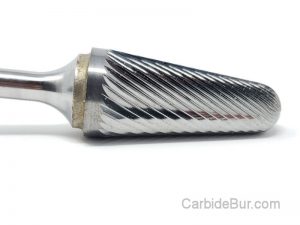
Find more information at CarbideBur.com
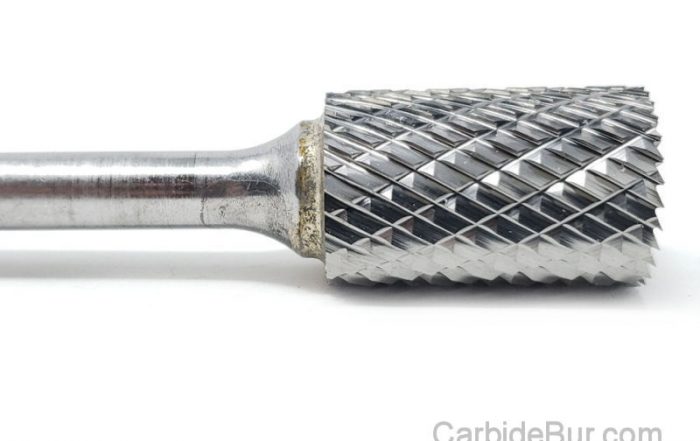
Unveiling the Secrets of Burr Cutting Efficiency: Double-Cut or Single-Cut?
Unveiling the Secrets of Burr Cutting Efficiency: Double-Cut or Single-Cut? Most metalworkers hit a wall choosing between double-cut carbide burrs and single-cut carbide burrs. Picking the wrong one can slow your work or wear your [...]
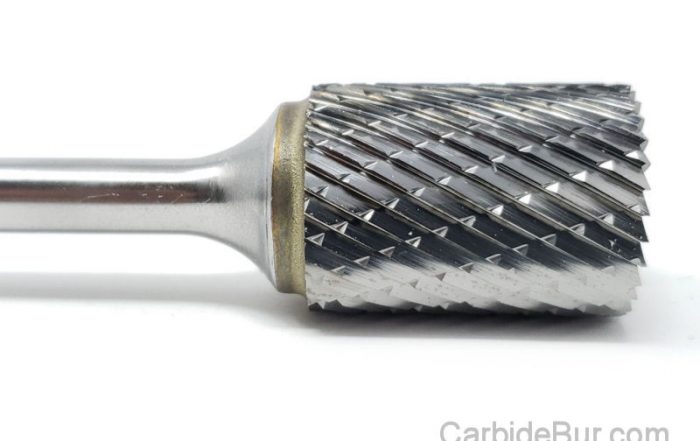
How Specialized Carbide Burrs Are Revolutionizing Aluminum Fabrication for Cleaner Cuts
How Specialized Carbide Burrs Are Revolutionizing Aluminum Fabrication for Cleaner Cuts Most aluminum fabricators still wrestle with rough edges and extra cleanup after machining. Those extra steps cost you time and eat into your profits. [...]
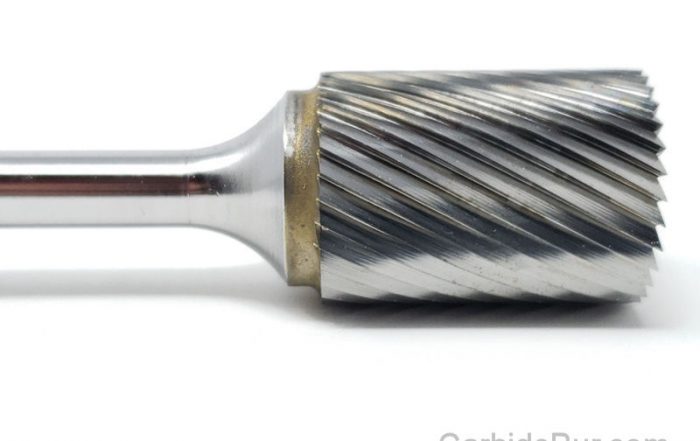
U.S. Manufacturing Reshoring: The Role of Domestic Tool Suppliers in 2026
U.S. Manufacturing Reshoring: The Role of Domestic Tool Suppliers in 2026 U.S. manufacturing is shifting closer to home faster than many expected. By 2026, reshoring trends are reshaping how supply chains function, with domestic tool [...]
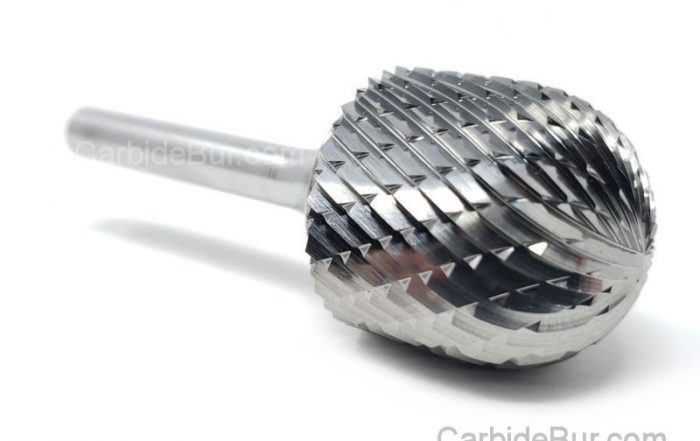
From Casting Flash to Weld Blending: Essential Techniques for 2026
From Casting Flash to Weld Blending: Essential Techniques for 2026 Forget the old ways of finishing parts in automotive production. As electric vehicles and autonomous vehicle production grow, the need for precise deburring processes and [...]
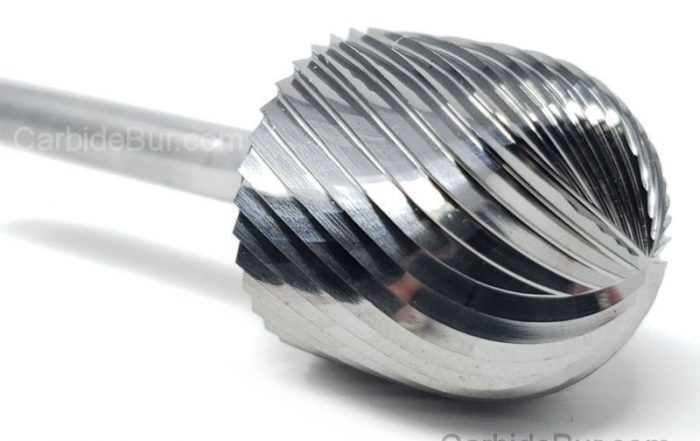
Understanding the Surge in Cutting Tool Costs and Effective Waste Reduction in Machining
Understanding the Surge in Cutting Tool Costs and Effective Waste Reduction in Machining Cutting tool costs have jumped noticeably in recent years, squeezing machine shop budgets tighter than ever. Raw material scarcity and supply chain [...]
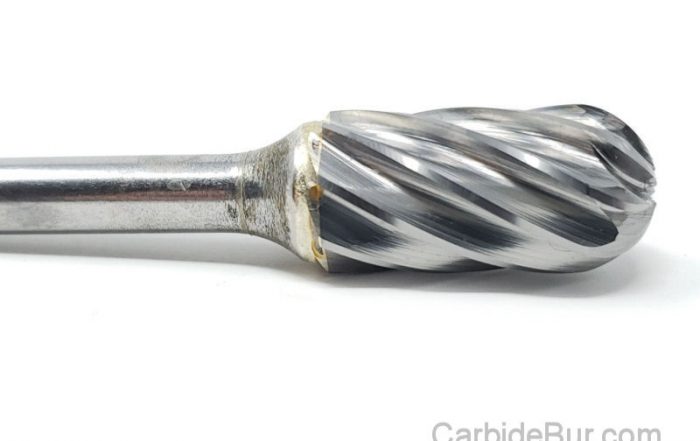
Choosing the Right Carbide Burr Shape for Your Metalworking Projects
Choosing the Right Carbide Burr Shape for Your Metalworking Projects You might think all carbide burr shapes do the same job, but that’s far from true. Choosing the wrong shape can waste time and leave [...]
U.S. Cutting Tool Shipments Reach New Heights
U.S. Cutting Tool Shipments Reach New Heights: What It Means for Manufacturing Professionals U.S. cutting tool shipments soared to $278.1 million in July 2026, marking a 29% jump from last year. If you’re in fabrication [...]
How 3D-Printed Carbide is Redefining Precision Toolmaking with Kennametal’s Latest Technology
How 3D-Printed Carbide is Redefining Precision Toolmaking with Kennametal's Latest Technology Custom hole-finishing tools have long faced limits in design and cooling options that hold back their performance. Kennametal’s new 3D-printed carbide grade changes that [...]

The Future of Additive Manufacturing in Aerospace and Automotive Industries
The Future of Additive Manufacturing in Aerospace and Automotive Industries Metal 3D printing is no longer just a concept for prototypes; it’s scaling up fast in aerospace and automotive fields. But raw prints don’t meet [...]
Navigating the Tungsten Carbide Shortage
Navigating the Tungsten Carbide Shortage: Strategies for Metalworkers in 2026 The tungsten carbide shortage in 2026 is hitting metalworkers hard, pushing tool prices higher and supply tighter than most expected. If you’ve noticed your carbide [...]
How Export Controls and Tungsten Processing Impact Carbide Production
How Export Controls and Tungsten Processing Impact Carbide Production Tungsten supply issues are hitting carbide tool manufacturing harder than ever before. Export controls and shifts in tungsten processing have tightened availability, stretching manufacturing lead times [...]
From Alloys to Automation: Mastering CNC Machining for Speed and Accuracy
From Alloys to Automation: Mastering CNC Machining for Speed and Accuracy The old ways of machining can’t keep up with today’s demands for speed and precision. You’re working with tougher alloys and expecting flawless results [...]
