
How To Safely Use Die Grinder Tool Bits For Precision Cylinder Head Work
Precision is imperative when working on cylinder heads, and using die grinder tool bits can significantly enhance your performance. This guide will provide you with practical steps to ensure that you use your die grinder safely and effectively, helping you achieve accurate results. By understanding the right techniques and precautions, you can maximize the efficiency of your work while minimizing the risk of accidents or damage. Follow these tips to boost your confidence and skill as you tackle your next cylinder head project.
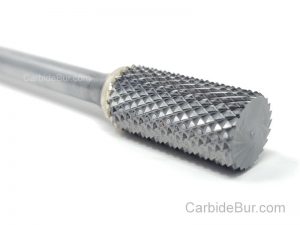
Find more carbide bur die grinder tool bits here
Choosing the Right Die Grinder Bits for Precision Tasks
Evaluating Material Compatibility
You’ll need to assess the material of your cylinder head before selecting the appropriate die grinder bits. Most cylinder heads are made from aluminum or cast iron, which means you’ll require specific bits designed to effectively work with those materials. For aluminum heads, use carbide bits because they excel in cutting through softer metals without creating excessive heat or wear. On the other hand, working with cast iron demands diamond-coated or high-speed steel (HSS) bits, as they are built to endure the rigidity of the material, providing the durability needed to maintain sharpness over time.
Not taking material compatibility into account can lead to subpar performance or, in the worst-case scenario, damage to your cylinder head. For example, using a bit unsuitable for aluminum can lead to rapid wear and even breakage, resulting in potential harm to not just the bit but your workpiece as well. By matching your die grinder bit to the material’s characteristics, you’re ensuring a smoother workflow and higher-quality results.
Matching Bit Design to Cylinder Head Features
Your cylinder head features dictate the design and type of die grinder bits that will be most effective. For instance, if you need to work on areas with oversize ports or intricate shapes, specialized carbide burrs are ideal since they offer precision shapes, such as flame, tree, or ball designs, that navigate tight spaces with ease. These bit shapes allow you to achieve the necessary contouring to optimize airflow and enhance performance without compromising structural integrity.
Additionally, keep an eye on the size and fit of your bits to the specific profiles on your cylinder head. Larger bits can be great for material removal on broader areas, but they may not be capable of addressing smaller, delicate features. Conversely, using too small a bit for broader tasks can lead to overworking certain sections, risking damage. You’ll find that having a variety of bit shapes and sizes on hand will empower you to handle a range of tasks from basic cleanup to detailed porting effectively, allowing you to adapt as needed to the unique characteristics of each cylinder head you encounter.
Essential Safety Gear: Protecting Yourself While You Work
Must-Have Personal Protective Equipment (PPE)
Your safety should never take a backseat when working with die grinders. Essential personal protective equipment (PPE) includes safety goggles or a face shield that can withstand debris and flying bits. These items protect your eyes and face from metal chips and dust that can cause serious injury. Additionally, wearing ear protection is a should-have, as die grinders can produce noise levels exceeding 90 decibels, potentially leading to hearing loss over time. Lastly, gloves designed for mechanical work can protect your hands from sharp edges, while ensuring you maintain a good grip on the tool.
Creating a Safe Work Environment
A well-organized workspace significantly boosts safety when using power tools like die grinders. Start by ensuring your work surface is clutter-free and well-lit. Clutter can lead to accidents as tools and materials can inadvertently get in your way, while poor lighting can make it difficult to see what you’re doing, increasing the risk of mistakes. If possible, set up your workspace in a well-ventilated area to mitigate the buildup of harmful fumes and dust. Proper ventilation will help in maintaining air quality, especially when grinding metal components.
A designated work area also helps channel your focus. Keep all necessary tools and components within reach, and ensure that power sources are safely positioned away from water or any conductive materials. Also, utilize mats or absorbent materials beneath your work area to prevent slips or falls. Having a secure and tidy workspace not only protects you from physical injuries but also improves efficiency, allowing you to concentrate more on the task at hand.
Mastering Proper Grip and Control Techniques
The Art of Steady Handling: Grip Styles Explained
Maintaining a steady grip on the die grinder is fundamental to achieving precision in cylinder head work. Employing the right grip style can significantly influence your control and, ultimately, the quality of your work. The most common grip is the thumb-on-top technique, where your thumb firmly presses down on the body of the tool while your fingers wrap around the sides, providing stability and control. This grip allows you to apply more pressure without losing balance, which is particularly useful when working on tough materials or intricate designs. Alternatively, the palm grip offers a secure hold and can enhance maneuverability, making it easier to pivot the tool for detailed tasks.
It’s beneficial to experiment with both methods to find what feels most comfortable for you. In some situations, a more relaxed grip may serve you better, especially when fine-tuning delicate finishes. Take time to practice different grip styles on scrap pieces before tackling the actual cylinder head to ensure you’re fully confident in maintaining control during your work.
Navigating Complex Curves and Finishes
Handling complex curves and finishes requires not just a steady grip but also adept control over the tool’s movements. Start by gently guiding the die grinder along the curves, applying only enough pressure to allow the bit to cut without engaging too deeply. Your goal is to follow the natural contour smoothly, which can often call for both hand-eye coordination and an intuitive understanding of the tool’s responsiveness. Practice with a variety of attachments at lower speeds to build familiarity with how they behave against the material.
As you navigate complicated shapes, consider using a combination of short, controlled bursts of pressure and slight adjustments in your angle and position. This method helps prevent accidental gouging, which can ruin the aesthetic of your work. In addition, you can also benefit from using a light guiding hand alongside the tool, which not only provides a tactile reference point but also helps keep your movements fluid and consistent.
Complex curves often require patience and a keen eye for detail. Taking your time will not only yield a flawless finish but also build your confidence when operating the die grinder, turning every project into a learning opportunity. Whether you’re working on intake ports or exhaust channels, precision paired with the right handling technique ensures that your efforts result in enhanced performance and longevity of the cylinder head.
Optimizing Technique for Optimal Results
Speed and Pressure: The Balance for Precision
Your die grinder performance hinges on the delicate balance between speed and pressure. When working on cylinder heads, higher speeds may seem tempting, but excessive RPM can lead to overheating, which compromises the integrity of the metal and your desired finish. Generally, maintaining a speed between 15,000 to 25,000 RPM is suitable for most precision tasks. This range allows you to effectively remove material while mitigating the risk of distortion. Engaging the bit with light to moderate pressure yields the best results, ensuring cleaner cuts and minimizing the potential for tool bit wear.
Identifying and Avoiding Common Missteps
Familiarity with your die grinder can lead to imprudent mistakes if caution isn’t taken. Overzealous grinding is a common misstep; too much pressure or speed can strip material excessively, leading to uneven surfaces that will affect sealing and performance. Another mistake often overlooked is failing to maintain a consistent angle while grinding. Any variation can create high spots or valleys, which could result in significant engine inefficiencies. Taking a systematic approach, with regular checks and measurements, will help you correct course before problems arise.
Troubleshooting Common Issues During Cylinder Head Work
Recognizing Signs of Damage or Inefficiency
Observing signs of damage or inefficiency during cylinder head work can save you from bigger problems down the line. You might notice uneven grinding patterns, which can indicate that your die grinder isn’t operating smoothly or that the tool bit is worn out. If the cutting action feels sluggish or if you hear any unusual noises, such as grinding or rattling sounds, these are clear indicators of tool distress. Additionally, keep an eye out for excessive heat build-up; if you can feel heat radiating from both the work surface and the grinder itself, it often signifies either improper technique or inadequate cooling, risking warpage on the cylinder head.
Checking for inconsistent finishes on the head’s surface can also reveal inefficiencies. If you’re seeing variation in texture or if some areas appear overly polished while others remain rough, this could be due to faulty technique—or worse, using the wrong bit for the specific job at hand. Taking a moment to assess these signs allows you to address concerns before they escalate, preserving the integrity of your work and ensuring optimal performance.
Effective Fixes for Common Errors
Addressing common errors during die grinder use is often straightforward with a little knowledge of corrective measures. If uneven grinding patterns are observed, switch out the tool bits for new ones or adjust your speed settings to find a more effective balance—you may need to slow down for better control. In case of overheating, consider pausing periodically to allow both the workpiece and the tool to cool down, and don’t hesitate to use coolant if necessary. Implementing these practices not only improves efficiency but also augments the longevity of your equipment.
In cases where the bits are worn or damaged, you should replace them immediately rather than attempting to continue working with compromised tools. This saves time and ensures that the quality of your cylinder head work remains high. If issues persist, double-check your die grinder’s speed settings, as using the proper RPM for specific bits can significantly enhance performance, allowing for smooth and efficient cutting without damaging the head. By understanding and implementing these fixes, you’re sure to maintain a high standard for all your cylinder head projects.
Final Words
Drawing together the various elements of safely using die grinder tool bits for precision cylinder head work, it is vital that you prioritize both safety and accuracy throughout your tasks. Start by ensuring that you familiarize yourself with the specific die grinder accessories tailored for cylinder head modifications. Investing in high-quality bits designed for this specific purpose will not only enhance your precision but also minimize the risk of tool breakage and potential injury. By adhering to speed recommendations and maintaining steady, controlled movements, you can achieve the refinement needed for optimal engine performance.
In addition to proper tool selection, don’t overlook the importance of your workspace and protective equipment. A clean, organized area allows for better focus and reduces the likelihood of accidents. Utilizing safety goggles, a dust mask, and appropriate gloves should be non-negotiable aspects of your routine. As you gain experience with your die grinder, you will find that both skill and confidence will grow, enhancing your ability to perform detailed cylinder head work effectively while prioritizing your safety at every step.
Find more carbide bur die grinder tool bits here
How to Choose the Best Carbide Burr for Every Task
The Ultimate Burr Shape Chart: How to Choose the Best Carbide Burr for Every Task Choosing the right carbide burr shape can feel like guesswork when every task demands a different cut. You’ve got tree [...]
Port Matching Techniques for Automotive Enthusiasts
Mastering Carbide Burs: Port Matching Techniques for Automotive Enthusiasts Most engine porting guides leave out the real secrets to using carbide burs right. If you’ve wasted time guessing the right RPM or picked the wrong [...]
Top 5 Carbide Burr Mistakes Beginners Make and How to Avoid Them
Top 5 Carbide Burr Mistakes Beginners Make and How to Avoid Them Most beginners make the same costly carbide burr mistakes without even realizing it. If you’ve struggled with rough finishes or broken bits, you’re [...]
The Expert’s Guide to Chamfering and Edge Breaking with Carbide Burrs
The Expert's Guide to Chamfering and Edge Breaking with Carbide Burrs Most metal shaping tools only scratch the surface. If your edges still feel rough or your welds aren’t smooth, you’re missing a key step. [...]
The Ultimate Guide to Using Carbide Burrs on Aluminum Without a Hitch
The Ultimate Guide to Using Carbide Burrs on Aluminum Without a Hitch Clogged carbide burrs can turn your aluminum machining project into a frustrating mess fast. You’ve probably wasted hours scraping off gunk instead of [...]
Your Go-To Welding Tools for Fast and Effective Cleaning
Carbide Burrs: Your Go-To Welding Tools for Fast and Effective Cleaning Welding cleanups often drag on longer than they should, costing you time and precision. If you’re tired of scrubbing weld spatter that just won’t [...]
Practical Burr Maintenance Tips for Cost-Savvy Machinists
Practical Burr Maintenance Tips for Cost-Savvy Machinists Most machinists replace carbide burrs too late or too soon, wasting both time and money. Your tools wear down faster when you miss the signs to replace carbide [...]
Jewelry Making and Engraving Techniques Using Carbide Burs
Jewelry Making and Engraving Techniques Using Carbide Burs Carbide burs aren’t just for rough cuts or quick fixes—you’re missing out if you think that’s all they do. These small tools can add precision and detail [...]
How to Choose Between Single Cut and Double Cut Carbide Burrs
Master Your Projects: How to Choose Between Single Cut and Double Cut Carbide Burrs Picking the wrong carbide burr can turn a simple project into a frustrating mess. You’ve got single cut burrs and double [...]
Achieve Precision with the Right Carbide Burr Usage and RPM
Achieve Precision with the Right Carbide Burr Usage and RPM Most people run carbide burrs way too fast or too slow without realizing it. That’s costing you time, tool life, and the smooth finish you [...]
Why Carbide Burrs Outshine Grinding Wheels in Woodworking and Metalworking
Why Carbide Burrs Outshine Grinding Wheels in Woodworking and Metalworking Grinding wheels have long been the go-to for shaping metal and wood, but they often fall short when precision work is on the line. If [...]
Choosing the Best Burr Shapes and Tools for Flawless Metalworking
Choosing the Best Burr Shapes and Tools for Flawless Metalworking Removing burrs can feel like walking a tightrope—one wrong move, and your parts get damaged. If you want clean edges without the risk, mastering deburring [...]

Leave A Comment
You must be logged in to post a comment.