
How To Enhance Airflow In Cylinder Heads With Effective Porting Techniques
Most enthusiasts understand that optimizing airflow in your cylinder heads can significantly boost your engine’s performance. By employing effective porting techniques, you can enhance the efficiency and power of your engine, ensuring it breathes better and operates at its full potential. This guide will walk you through important methods and best practices for porting, helping you to achieve maximum airflow and performance gains. Whether you’re a seasoned mechanic or a weekend warrior, these insights will equip you with the knowledge needed to elevate your engine-building skills.
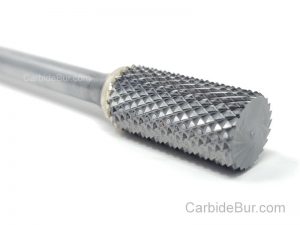
Find more carbide bur die grinder tool bits here
The Anatomy of Cylinder Heads: Key Features Affecting Airflow
Understanding the various components of a cylinder head can significantly impact your porting efforts. Each feature plays a role in how air moves through the engine and directly affects performance characteristics. Focusing on the right components helps you make informed decisions during the porting process and enhances overall airflow efficiency. Here are some key features that you should pay attention to:
- Intake Ports
- Exhaust Ports
- Valve Seats
- Combustion Chamber Shape
- Stem Sizes
- Port Length and Size
- Angular Orientation
Perceiving how these features interact with each other can lead to customized solutions tailored to your performance goals. Recognizing the importance of each component will aid you in a successful porting endeavor.
Material Composition and Its Role in Performance
The material used for cylinder heads can influence not just durability but also heat dissipation. Aluminum and iron are the two most common materials, each offering distinct advantages. Aluminum is favored for its lightweight properties, reducing the overall weight of the engine, which can translate into better throttle response and handling. Iron, while heavier, possesses superior heat-resisting qualities that make it ideal for maintaining stability at high temperatures. The choice between these materials can dictate the effectiveness of your porting modifications and ultimately how your engine performs under various conditions. In addition to weight and thermal characteristics, the material can also affect the surface finish during porting. Smooth surfaces promote better airflow, minimizing turbulence. Therefore, maximizing airflow while considering the unique properties of your cylinder head’s material will play a significant role in achieving optimal engine performance.
Understanding Port Shapes and Their Influence on Air Movement
Each port shape interacts with airflow in unique ways, impacting how air enters and exits the combustion chamber. For instance, a straighter port design facilitates a more direct flow of air, which is beneficial for high-rpm performance. Conversely, ports with a more gradual, sweeping shape can enhance low-end torque by improving the velocity of airflow at lower speeds. It is important to recognize that the trade-offs between airflow characteristics at various engine speeds will influence your overall tuning strategy. Utilizing port shapes that align with your specific driving style or racing needs will further optimize performance. If your focus is on drag racing, straight and well-rounded ports that minimize resistance might be the best choice. For applications centered on torque and drivability, consider investing time in refining port angles and shapes that enhance volumetric efficiency across a wider RPM range.
Essential Tools for Precision Porting: What You Need
For successful porting work, having the right tools is non-negotiable. You’ll want to equip your workshop with high-quality cutting tools that cater to various shaping needs. Tools like carbide burrs, which come in various shapes and sizes, will allow you to effectively remove material from hard areas, while sanding rolls are perfect for finishing touches and smoothing out surfaces. It’s also wise to incorporate a die grinder with variable speed settings; this flexibility lets you tailor your approach to different material thicknesses and shapes within the cylinder head.
Beyond cutting instruments, it’s worth investing in a quality set of air tools, such as pneumatic die grinders. They provide efficient power and reduce fatigue during lengthy projects. A vacuum system will also help you keep the working area clean by capturing metal shavings, allowing for a more precise and safer porting process. All these tools combine to set a strong foundation for your porting operations, enabling you to achieve the precise airflow enhancements you’re aiming for.
Selecting the Right Cutting Tools for Effective Modifications
Choosing cutting tools that fit the unique requirements of your porting project is vital for achieving desired airflow improvements. Carbide burrs stand out for their durability and precision in cutting through the tough casting material of the cylinder head. You might consider investing in a set that includes various shapes such as ball, flame, and cylindrical forms; these will cover multiple aspects of port modification from initial shaping to detailed finish work. For finer adjustments, high-speed steel (HSS) cutters are typically used alongside a quality die grinder, allowing for greater control where precision is paramount.
In addition to traditional cutting tools, rotary tools with interchangeable bits can offer the flexibility to tackle different shapes and sizes in the porting process. Consequently, you’ll want to have a healthy selection on hand, catering to both the coarse grinding and fine finishing stages of your project. Understanding when and how to use each type of tool will help you optimize airflow effectively, transforming the performance of your engine.
Find more carbide bur die grinder tool bits here
The Importance of Measuring Instruments in the Porting Process
Accurate measurements should guide your porting efforts, ensuring that you maintain the integrity of the cylinder head while enhancing airflow. Tools such as calipers and micrometers enable you to measure port dimensions precisely, detecting any discrepancies from your design specifications. It’s also advisable to utilize flow benches for empirical data on airflow changes post-porting, giving you concrete evidence of your modifications’ effectiveness. Investing in these measuring instruments underscores your commitment to precision and performance enhancements.
Your measurements directly impact the success of the porting process. Having reliable measurements allows you to set clear targets for flow rates, while also avoiding unwanted material removal. Consistently tracking dimensions throughout each stage can help avoid the pitfalls of excessive grinding, which could lead to a loss of structural integrity or compromise the engine’s performance. By prioritizing precision at this level, you ensure your modifications truly deliver the enhanced airflow you’re striving for.
Techniques for Ideal Porting: Maximizing Flow Efficiency
The Process of Entry and Exit Port Reshaping
Reshaping the entry and exit ports directly impacts airflow characteristics, improving the overall performance of your engine. Focusing on the entrance, you should aim to create a contour that reduces turbulence while maintaining a smooth passage for the incoming air-fuel mixture. Entry ports can be widened and smoothed out to optimize airflow velocity, which not only improves volumetric efficiency but also enhances throttle response. At the exit, fine-tuning the port shape can prevent flow restrictions that could hinder exhaust gas removal during scavenging, allowing your engine to breathe better at high RPMs.
To achieve these optimizations, utilizing a combination of carbide burrs and sanding rolls will help articulate the shape you desire. Take your time and frequently check your progress, using a flow bench whenever possible to gather real-time data on your adjustments. As you reshape the ports, keep in mind the ideal dimensions for your specific setup; a well-balanced transition paired with attention to detail will yield the best results.
The Benefits of Bowl Blending and its Techniques
Bowl blending acts as a foundation for improving the combustion chamber’s efficiency, serving as a crucial zone where airflow transitions from the ports to the valves. By carefully blending the edges of the combustion bowl with the port walls, you ensure a smoother path for the airflow, limiting the potential for turbulence that can disrupt the flow. Techniques for this process typically involve using specialized grinding stones or burrs to gradually transition from the port size to the bowl, creating a seamless contour. The result not only enhances airflow but can also lead to a more uniform mixture entering the combustion chamber, promoting better combustion efficiency.
Implementing bowl blending techniques requires patience and precision. Start with rough shaping and gradually refine the contour, making sure to blend in small sections to maintain control over the process. Monitoring airflow using a flow bench throughout will guide your efforts toward achieving optimal results efficiently. The advantages of bowl blending extend beyond improved airflow; it can also lead to increased horsepower and torque figures, emphasizing the impact this technique has on overall engine performance.
The reduction in airflow restrictions due to bowl blending enhances the throttle response, making your engine feel more responsive. As you perfect this technique, aim for a gradual transition that enhances velocity rather than simply enlarging the bowl space. This careful attention to detail ensures that your engine can breathe easier, optimizing its performance whether on the street or on the track.
Common Missteps in Porting: What to Avoid
Many enthusiasts probe porting with a sense of excitement but may overlook certain pitfalls that can negatively affect performance. One major misstep is over-modification, which can lead to unintended consequences such as significant loss of low-end torque or creating turbulent airflow that hinders overall efficiency. It’s important to maintain a delicate balance while optimizing the airflow paths. Additionally, without a clear understanding of your engine’s specifications, you might unintentionally alter the design in a way that detracts from its intended functionality.
Over-Modification: Recognizing the Dangers
Over-modification often equates to excessive material removal, especially around critical areas like the intake and exhaust ports. While you may be aiming for a smoother and larger pathway for air to flow, the reality is that increasing the port size beyond certain limits can upset the engine’s tuning and lead to complications, such as misfires or difficulties in achieving peak horsepower. A careful approach, focusing on optimizing the existing geometry and only making necessary changes, will prevent the common traps of porting too much material away, which ultimately leads to inefficiencies.
Neglecting Engine Compatibility and Its Consequences
Before begining on porting, confirming your cylinder head work aligns with your engine’s design is vital. Engines have specific airflow characteristics and design intentions, and deviating from them can lead to less-than-ideal performance outcomes. Ignoring these aspects might not only hinder the desired gains but may also render your modifications counterproductive. Compatibility with other engine components like the camshaft, headers, and fuel injectors is paramount for ensuring that everything works harmoniously to achieve optimal performance.
A comprehensive understanding of your specific engine build can mean the difference between a successful porting job and a costly mistake. For instance, a high-performance engine designed for racing may require more aggressive porting, while a daily driver benefits from a more conservative approach. Collaborating with experienced tuners or conducting thorough research on your engine type can provide valuable insight that helps guide your decisions and avoids creating airflow mismatches that could hamper performance.
Fine-Tuning After Porting: Ensuring Optimal Performance
Adjusting Fuel and Air Mixture for Enhanced Efficiency
Post-porting adjustments are key to maximizing the gains you’ve achieved through your porting work. The changes in airflow dynamics shift the fuel and air mixture balance, requiring you to recalibrate your fuel injection system or carburetor settings. If the mixture is too rich or too lean, you risk not only losing horsepower but also damaging the engine in the long run. Start by monitoring the air-fuel ratio with a wideband O2 sensor, making small adjustments to your fuel mapping to achieve the optimal 14.7:1 ratio under normal operation. This careful tuning can help ensure both peak performance and engine longevity.
Keep in mind that whatever changes you make need to reflect the new flow characteristics of the cylinder heads. In cases where increased airflow leads to excessive lean conditions, consider using larger injectors or an upgraded fuel pump. As you tweak settings, continuously evaluate how they impact torque, throttle response, and driveability. This fine-tuning phase can significantly elevate the overall performance of your engine, enabling you to capitalize on your porting efforts.
The Role of Dyno Testing in Measuring Improvements
Utilizing a dynamometer is one of the best methods for quantifying the performance enhancements from your porting work. A Dyno not only measures horsepower and torque outputs but also provides invaluable data about how the engine behaves under different conditions. Through controlled testing, you can compare pre- and post-porting results, assessing the effectiveness of your adjustments. Specific variables, such as RPM range, boost levels (if applicable), and air-fuel ratios, become tangible numbers, guiding you towards further refinements if needed.
In addition to testing raw power output, dyno sessions yield insights into engine efficiency and overall health. For example, if you observe excessive knock or timing issues during your runs, it may indicate that the adjustments made post-porting aren’t aligned with the engine’s new airflow characteristics. The immediate feedback from a dyno helps you hone in on precise adjustments, ensuring every horsepower gains reflect in real-world performance.
Regular dyno testing offers continual opportunities for improvement, allowing you to track changes over time and identify potential areas for further refinements. By comparing multiple runs and observing trends, you gain clearer insights into how different adjustments impact engine behavior, empowering you to make well-informed decisions on future modifications. Whether you’re a seasoned builder or just stepping into the world of performance tuning, utilizing a dyno should become a staple in your tuning strategy.
To wrap up
Considering all points, enhancing airflow in cylinder heads through effective porting techniques can significantly improve your engine’s performance. By focusing on the shape, size, and finish of your intake and exhaust ports, you can optimize the path for air and fuel to enter and exit the combustion chamber. Remember to balance your attention on the entire system, including factors like valve size and lift, as these elements also play a pivotal role in achieving that optimal airflow. Proper tools and methodologies such as sanding and polishing can help you achieve a smoother and more efficient surface, leading to enhanced performance.
As you probe deeper into the art of porting, consider each modification’s impact on your specific engine setup. Engaging in thorough research and perhaps seeking guidance from experienced builders will further aid in your quest for improved airflow. With the right techniques and a meticulous approach, you can empower your engine to perform at its best, translating into noticeable increases in horsepower and torque. Ultimately, your efforts in porting will yield tangible benefits, satisfying your desire for a high-performance engine that fully utilizes its potential.
