
In What Ways Can A Carbide Burr Enhance Your Metalworking Techniques?
You may be seeking ways to elevate your metalworking skills, and incorporating a carbide burr into your toolkit can be a game changer. Designed for precision and efficiency, these tools offer an unrivaled ability to shape, carve, and finish various metal surfaces. As you explore the benefits of carbide burrs, you’ll discover how they can enhance your craftsmanship, improve your workflow, and even inspire creativity in your projects. Whether you’re a seasoned professional or a DIY enthusiast, understanding the advantages of carbide burrs will undoubtedly strengthen your metalworking techniques.
Find more carbide bur die grinder tool bits here
Understanding Carbide Burrs
Your journey into metalworking can be significantly enhanced by understanding carbide burrs. These small tools are designed for use with rotary tools and specialized machines, allowing for precision shaping, grinding, and cutting of various materials, including metals. Their durability and effectiveness in removing material rapidly make them indispensable for serious craftsmen.
Definition and Composition
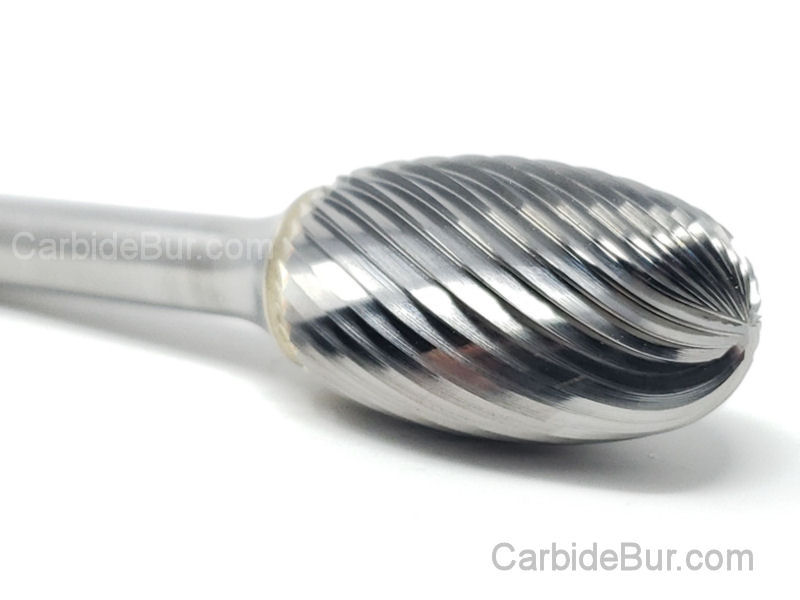
The term carbide burr refers to a rotary cutting tool made from tungsten carbide, a material known for its hardness. This composition allows the burr to withstand high levels of wear while maintaining sharpness. With a variety of shapes and sizes, carbide burrs are engineered to meet different cutting and shaping needs in metalworking and other applications.
Types of Carbide Burrs
To maximize your metalworking capabilities, it’s imperative to know the different types of carbide burrs available. Each type serves a unique purpose and can significantly impact your work. Common types include:
- Ball Nose Burrs
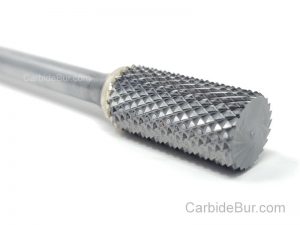
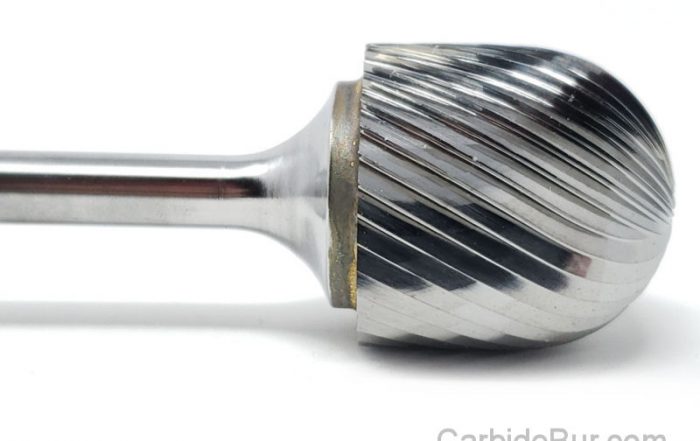
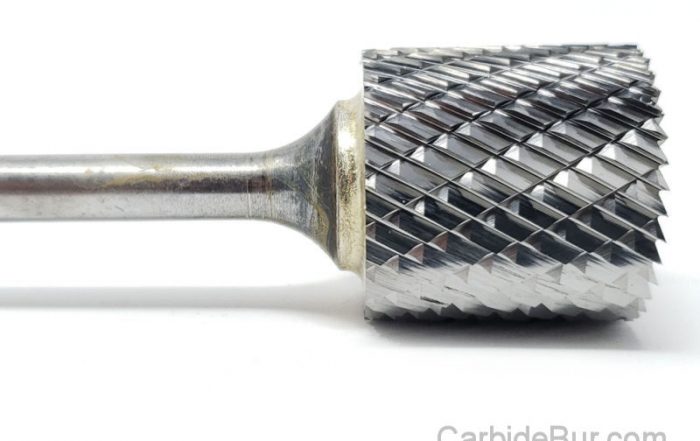
- Cylinder Burrs
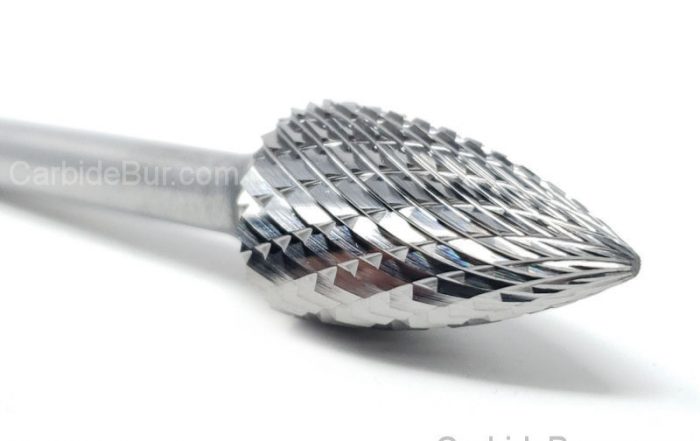
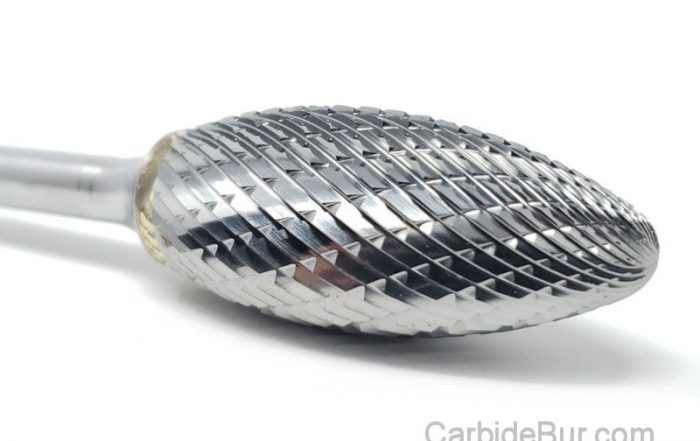
- Flame Burrs
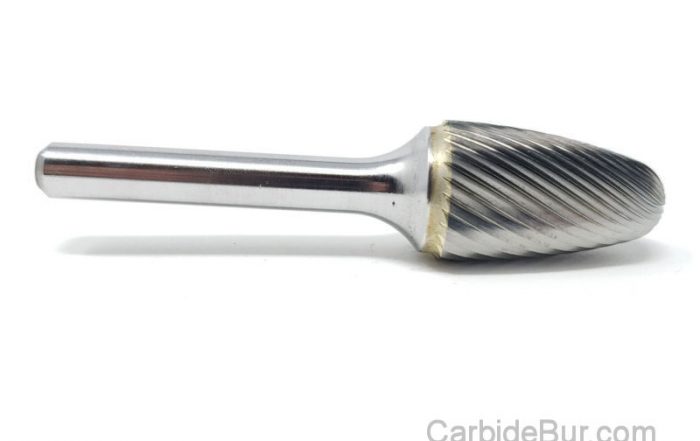
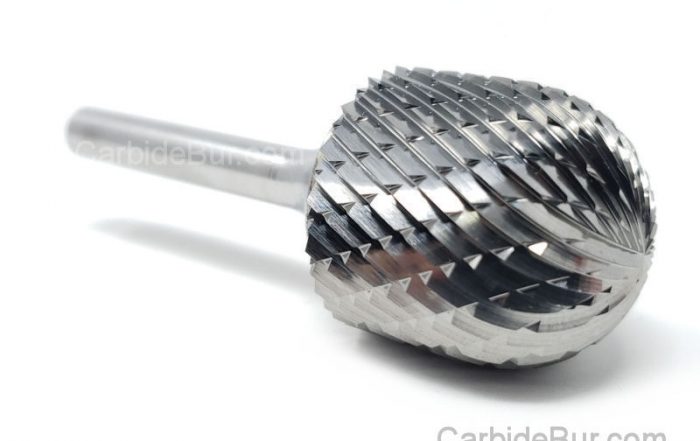
- Tree Burrs
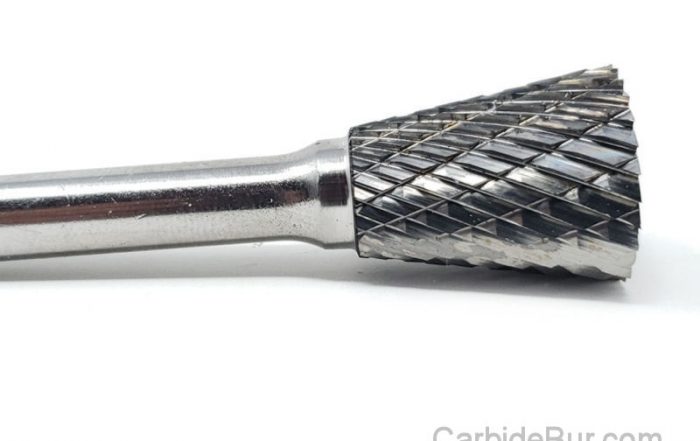
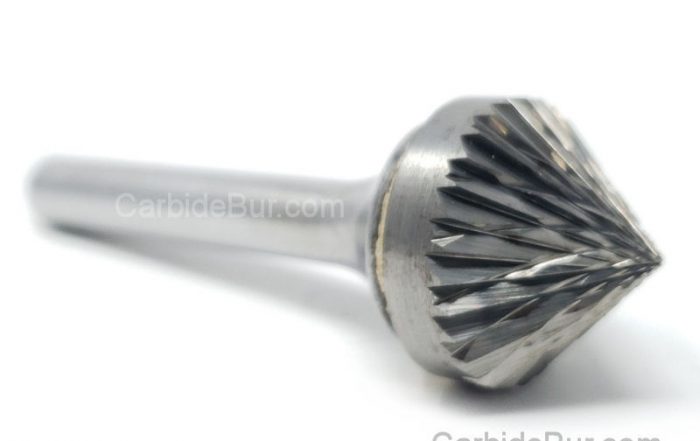
- Conical Burrs
Any of these options can elevate your projects and provide the versatility needed in various applications.
| Type of Burr | Description |
|---|---|
| Ball Nose Burr | Used for contouring and engraving. |
| Cylinder Burr | Ideal for flat surface work and material removal. |
| Flame Burr | Perfect for smoothing and shaping hard-to-reach areas. |
| Tree Burr | Useful for making intricate cuts in metal. |
| Conical Burr | Designed for tapering and hole enlarging. |
And, exploring each carbide burr’s specific functions can help you fine-tune your approach to metalworking. Whether you’re looking to smooth edges or create detailed designs, each type fulfills a unique role:
- Standard shapes for universal applications.
- Specialized shapes for intricate designs.
- Sized options for different levels of detail.’
- Long-lasting carbide construction for durability.
- Compatibility with various rotary tools.
Any combination of these burrs can enhance your techniques and results in metalworking projects.
| Feature | Benefit |
|---|---|
| Durable Material | Resists wear and maintains cutting quality. |
| Wide Variety | Offers flexibility for different tasks. |
| Easy to Use | Compatible with standard rotary tools. |
| Precision Cutting | Allows for detailed and accurate work. |
| Cost-Effective | Long lifespan reduces frequent replacements. |
Applications of Carbide Burrs in Metalworking
Some of the key applications of carbide burrs in metalworking include shaping, contouring, deburring, and finishing. These versatile tools can be used on various materials, including metals, plastics, and wood, making them a favorite for both DIY enthusiasts and professionals. By incorporating carbide burrs into your workflow, you can achieve precise results, enhancing the overall quality of your projects.
Shaping and Contouring
Along with their effectiveness in removing material, carbide burrs excel at shaping and contouring intricate designs. You can manipulate the tool to create rounded edges, beveled surfaces, or elaborate patterns on your workpiece. This adaptability allows you to bring your creative vision to life with ease and precision.
Deburring and Finishing
Carbide burrs are also crucial for deburring and finishing tasks. They effectively eliminate sharp edges and rough spots, ensuring a smooth surface on your finished product. By using the appropriate burr shape and size, you can achieve a professional look with minimal effort.
Applications of carbide burrs in deburring and finishing extend to various industries, where attention to detail is vital. You will find that these tools can remove unwanted material and refine surfaces, which helps in improving overall aesthetics and functionality. Choosing the right carbide burr for specific tasks allows you to enhance both the efficiency and quality of your work, resulting in an exceptional final product.
Advantages of Using Carbide Burrs
If you are looking to elevate your metalworking projects, carbide burrs are a valuable tool due to their numerous advantages. These versatile instruments allow you to tackle a variety of tasks, from intricate detailing to effective material removal. By incorporating carbide burrs into your workflow, you can achieve a higher quality of work with enhanced control and speed, making them a go-to choice for metal professionals and hobbyists alike.
Durability and Longevity
For metalworkers, durability is a significant factor when selecting tools. Carbide burrs excel in this area, as they are made from robust materials that withstand wear and tear. This means you can rely on them for extended periods without frequent replacements, ultimately saving you time and money in your projects.
Precision and Efficiency
Any metalworking task requires a level of precision, which carbide burrs offer in abundance. Their design allows for cleaner cuts and detailed shaping, enabling you to execute complex designs more accurately. This efficiency not only speeds up your workflow but also enhances the overall quality of your finished pieces.
Precision is a defining feature of carbide burrs, as their sharp cutting edges ensure that you can manipulate metal surfaces with exceptional accuracy. This allows you to create fine details or make adjustments without excess material removal. With the efficiency gained from using carbide burrs, you can streamline your projects and achieve superior results in less time, making them an indispensable part of any metalworker’s toolkit.
Choosing the Right Carbide Burr
All carbide burrs are not created equal. Selecting the right one for your metalworking projects can significantly improve efficiency and results. Consider factors like size, shape, and material compatibility to ensure optimal performance. By understanding the various options available, you can make an informed decision that enhances your machining tasks and produces superior finishes.
Size and Shape Considerations
Burr size and shape are important in achieving precise outcomes during metalwork. Your choice should depends on the specific tasks at hand, such as deburring, shaping, or engraving. Smaller burrs offer intricate control, while larger burrs excel at quick material removal. Be sure to assess the geometry of the burrs to match your project’s requirements for a flawless finish.
Material Compatibility
An understanding of material compatibility is key to optimizing your working experience with carbide burrs. Different burr compositions perform better with specific metals, so knowing the characteristics of the workpiece will guide your selection. By aligning the burr with the material you’re working on, you enhance tool life and improve cutting efficiency, ultimately leading to better results.
A carbide burr designed for hardened steel will differ from one suited for aluminum or brass, impacting the performance and lifespan of your tools. When dicking out your burr, consider the hardness and type of metal you’re working on, ensuring your chosen tool provides effective cutting action without excessive wear. Matching the right burr to your materials will not only enhance the efficiency of your work but also ensure safer and cleaner results.
Proper Techniques for Using Carbide Burrs
Not every technique will yield optimal results when using carbide burrs. To maximize efficiency and precision, it’s vital to adapt your approach according to the material you are working with and the specific task at hand. Understanding how to choose the right burr profile and utilizing proper gripping and maneuvering techniques will ultimately enhance your metalworking projects.
Optimal Speed and Feed Rates
With carbide burrs, achieving the right balance of speed and feed rate can significantly impact your efficiency and finish quality. Generally, a higher RPM with a controlled feed rate helps you create cleaner cuts and minimize tool wear. Tailor your settings based on the material and burr size to get the best possible results.
Safety Tips
Below are some important safety tips for using carbide burrs:
- Always wear appropriate personal protective equipment (PPE), such as goggles and gloves.
- Ensure that your work area is well-ventilated to avoid inhaling dust and debris.
- Secure your workpiece properly to prevent movement during operation.
- Keep your tools clean to prevent the buildup of combustible materials.
Recognizing the importance of safety can vastly improve your metalworking experience and prevent accidents.
For instance, understanding the risks associated with flying debris and heat buildup can guide your safety measures. Additionally, consider the following recommendations:
- Inspect your burrs for wear or damage before each use to ensure effective performance.
- Maintain a firm grip and stable stance while operating your tools to enhance control.
- Don’t operate burrs at excessive speeds that could lead to breakage or loss of control.
- Take breaks to mitigate fatigue, which can compromise safety and precision.
Recognizing these practices will help you achieve a secure and efficient working environment.
Maintenance and Care for Carbide Burrs
After using your carbide burrs, proper maintenance is vital to prolong their lifespan and ensure optimal performance. Regular care includes cleaning, inspection, and safe storage. By investing a little time in maintenance, you can enhance the efficiency of your metalworking projects and maintain the quality of your tools.
Cleaning Procedures
After each use, it’s important to clean your carbide burrs thoroughly. Use a soft brush or compressed air to remove debris and chips that may cling to the cutting edges. Make sure to inspect for signs of wear or damage, as this can significantly impact performance. Keeping them clean not only extends their life but also enhances their cutting efficiency.
Storage Recommendations
Below are some effective recommendations for storing your carbide burrs. Always place them in a secure, dry location, ideally in a dedicated tool drawer or rack, to avoid moisture exposure. Keep them away from other tools to prevent accidental damage. Proper storage will help maintain their sharpness and prevent rust or corrosion.
Maintenance of your carbide burrs includes addressing storage conditions. Consider using a protective case or a wall-mounted organizer to keep them separated and safe from bumps and scrapes. Additionally, ensure they are stored in a climate-controlled area to minimize the likelihood of deterioration due to excessive humidity or temperature fluctuations. Proper care and storage will provide your burrs with a longer and more productive life in your workshop.
Final Words
From above, you can see how a carbide burr can significantly enhance your metalworking techniques, offering precision, versatility, and efficiency in your projects. Whether you’re shaping, deburring, or engraving, utilizing these tools can elevate your craftsmanship to new heights. To ensure you maximize their potential, consider exploring guidelines on How to Use Carbide Burrs Safely and Effectively, which will help you achieve the best results while maintaining safety in your workspace.
Find more carbide bur die grinder tool bits here
Carbide Burr Safety: 15 Mistakes That Can Cause Injury or Damage
Carbide Burr Safety: 15 Mistakes That Can Cause Injury or Damage Carbide burr safety is often overlooked until a costly mistake happens. Many metalworkers and DIYers make the same errors that lead to injuries or [...]
Can You Use a Carbide Burr in a Drill?
Can You Use a Carbide Burr in a Drill? Most people think a standard drill can’t handle a carbide burr, but that’s not true. Using carbide burr in the right drill can speed up your [...]
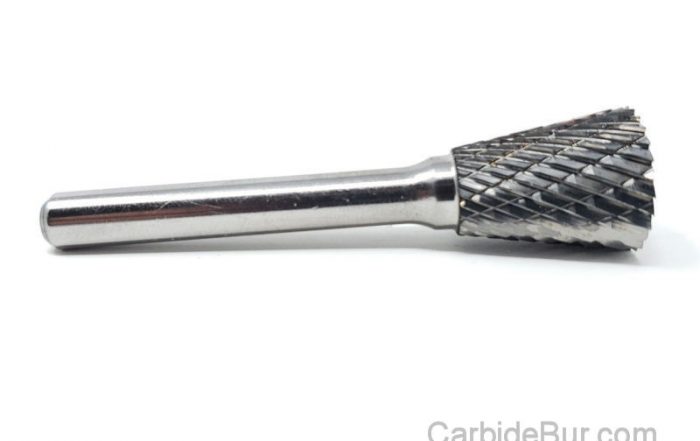
Carbide Burrs for Removing Rust: What Works Best?
Carbide Burrs for Removing Rust: What Works Best? Rust can turn your favorite tools into useless junk faster than you expect. Removing it without ruining the metal underneath takes more than just elbow grease—it demands [...]
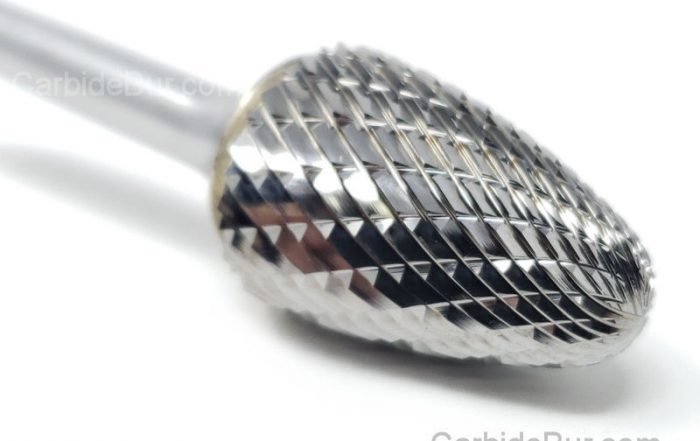
How Much Pressure Should You Use With a Carbide Burr?
How Much Pressure Should You Use With a Carbide Burr? Most people think pressing harder with a carbide burr speeds up the job. That’s not true—too much pressure wears out your tool and ruins the [...]
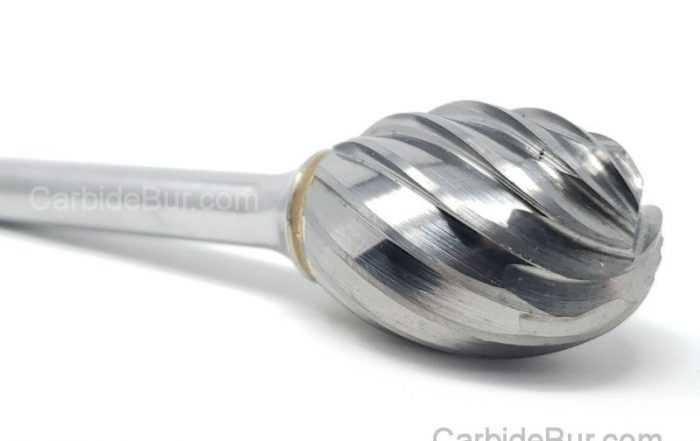
Can You Use Carbide Burrs With an Air Die Grinder?
Can You Use Carbide Burrs With an Air Die Grinder? Most people don’t realize how well carbide burrs work with air die grinders until they try them. If you’ve ever struggled with finding the right [...]
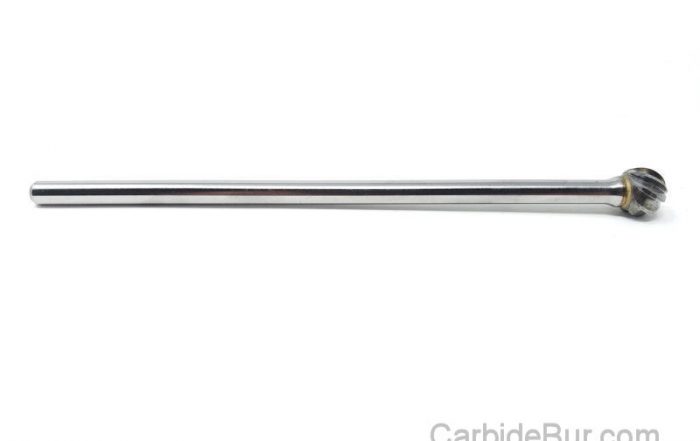
Best Long Reach Carbide Burr for Deep Metal Work
Best Long Reach Carbide Burr for Deep Metal Work Long reach carbide burrs often promise deep metal access, but many fall short where it counts most. You need a tool that cuts cleanly, lasts through [...]
What RPM Should You Use for a 1/8 Inch Carbide Burr?
What RPM Should You Use for a 1/8 Inch Carbide Burr? Most people guess the right carbide burr RPM by feel—and waste hours redoing work. If you want cleaner cuts and longer tool life, your [...]
Carbide Burrs for Tight Spaces: Choosing the Right Shape
Carbide Burrs for Tight Spaces: Choosing the Right Shape Tackling tight spaces with the wrong carbide burrs wastes time and risks damaging your work. Choosing the right burr shape makes all the difference when working [...]
Can Carbide Burrs Remove Paint From Metal?
Can Carbide Burrs Remove Paint From Metal? Stripping paint from metal often feels like a tough chore that risks damaging the surface underneath. Many turn to carbide burrs hoping they can speed things up without [...]
How to Grind a Groove in Metal With a Carbide Burr
How to Grind a Groove in Metal With a Carbide Burr Most metalworkers struggle to cut clean grooves without wasting time or ruining their workpiece. Many try different metalworking tools but end up with uneven [...]
Can Carbide Burrs Cut Through Welds?
Can Carbide Burrs Cut Through Welds? Cutting through welds can feel like a battle, especially when you need clean results without harming the base metal. Carbide burrs offer a sharp edge in this fight, but [...]
How to Use a Carbide Burr With a Die Grinder
How to Use a Carbide Burr With a Die Grinder Most people treat a carbide burr like just another tool, but using it with a die grinder takes skill. If you’ve struggled with burr installation [...]
