
Empower Your Craft: The Ultimate Beginner’s Guide to Carbide Burs in Industry
Carbide burs might seem like just another tool, but picking the right one can make or break your work. If you’re new to machining or dentistry, figuring out which types of carbide burs suit your tasks can feel overwhelming. This beginner’s guide to carbide burs breaks down what they are and where they fit, so you can choose with confidence and get the job done right. For more detailed information, you can check out this guide.
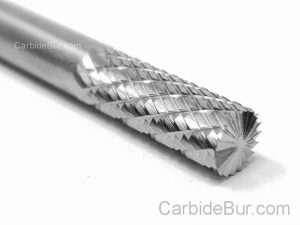
Which carbide bur tools do you use the most?
Understanding Carbide Burs
Carbide burs play a key role in both machining and dentistry. They help in shaping, cutting, and grinding materials with precision. If you’re starting out, understanding these tools is essential to getting great results.
What Are Carbide Burs?
Carbide burs are cutting tools used for removing material from a workpiece. They have sharp blades made from tungsten carbide, a very hard material. This makes them durable and perfect for tough jobs. You’ll find them handy whether you’re working on metal, wood, or dental applications. In industries, people rely on carbide burs for their ability to produce smooth finishes and intricate details. They are available in various shapes and sizes, each designed for specific tasks. For an in-depth understanding of dental burs, explore this resource.
Types of Carbide Burs
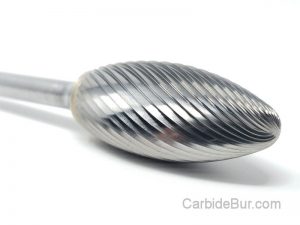
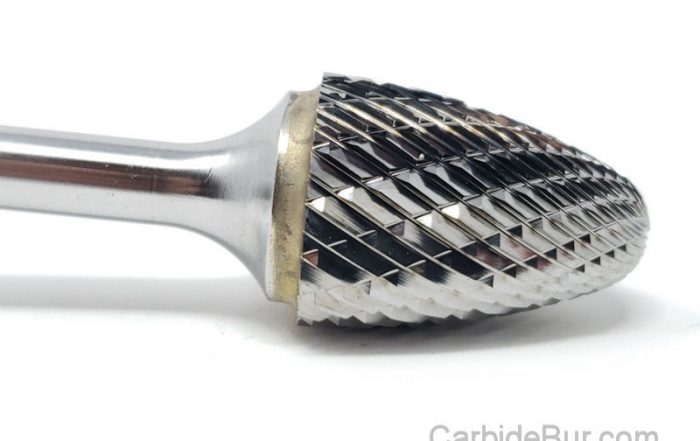
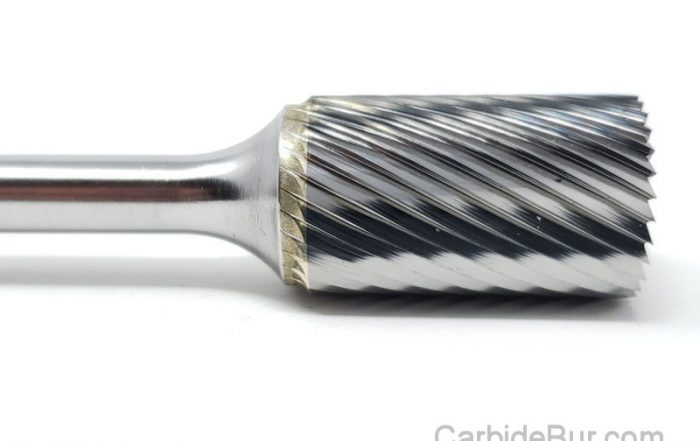
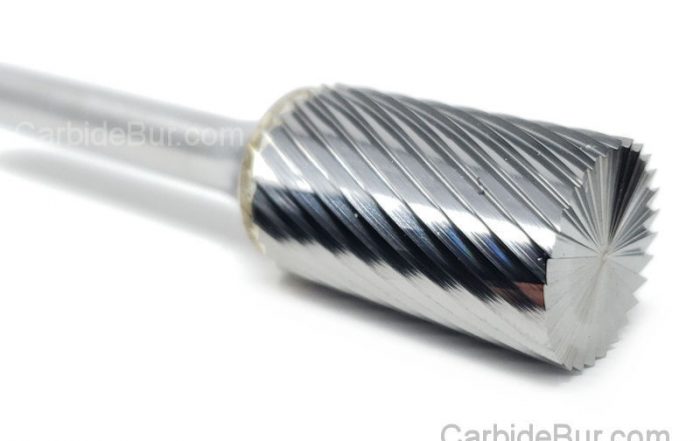
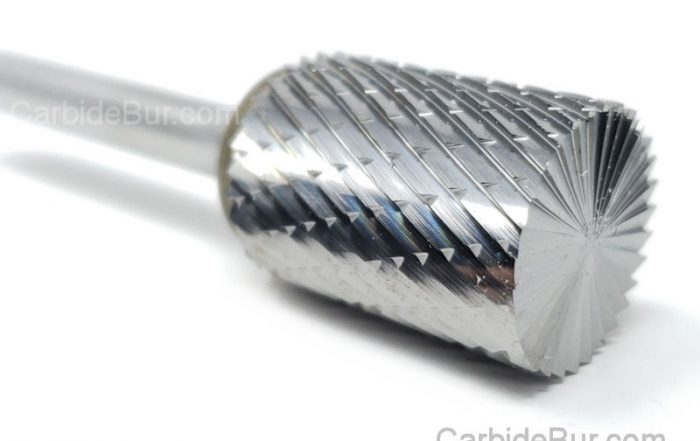
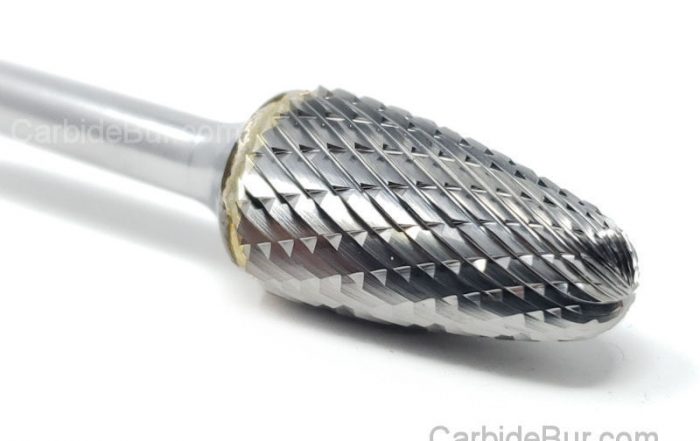
Choosing the right types of carbide burs depends on your project’s needs. There are several shapes, including cylindrical, spherical, and oval. Each shape serves a different purpose. For example, a cylindrical bur is great for flat surfaces, while a spherical one excels in concave areas. Coarse, medium, and fine grades refer to how much material they remove. Coarse burs remove material quickly, while fine ones are for delicate work. Knowing these can help you pick the right tool for your job.
Basic Applications in Industry
Carbide burs have widespread use across various industries. In metalworking, they shape and smooth metal parts. Woodworkers use them for carving and detailing. In jewelry making, they help in crafting intricate designs. Understanding their versatility can boost your projects. By knowing the basic applications of carbide burs, you can harness their full potential. To learn more about using carbide burs in different contexts, visit this comprehensive guide.
Carbide Burs for Machining
In machining, carbide burs are essential tools for shaping and refining materials. Let’s look at how you can select and use them effectively.
Selecting the Right Bur
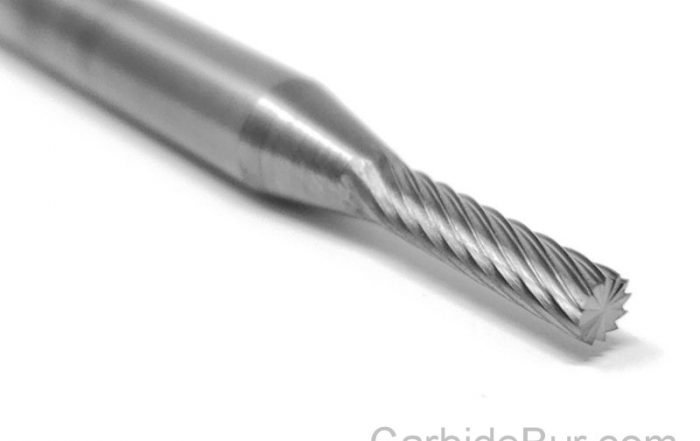
Choosing the right bur ensures efficiency and precision. Consider the material you’re working with. Soft materials require different burs than hard metals. Match the bur’s shape and size to your task. For instance, a small pointed bur is ideal for intricate work. Knowing these factors helps you make the right choice, leading to better results.
Enhancing Machining Efficiency
Using the correct bur not only saves time but also enhances your work quality. By selecting the appropriate speed, you can extend the tool’s life and improve finishes. Proper technique is crucial. Ensure you’re using the bur at the correct angle and pressure. This will reduce wear and tear. Small adjustments can make a big difference in your machining projects.
Carbide Burs in Dentistry
Carbide burs are not just for industry; they are a staple in modern dentistry. Let’s explore their uses and benefits in this field.
Dental Applications Explained
In dentistry, carbide burs are used for cutting and shaping teeth. They play a vital role in cavity preparation and crown work. Dentists prefer them for their precision and ability to remove decay without damaging healthy teeth. The variety of shapes allows for versatile use, from cleaning teeth to complex surgeries. For further insights into dental burs, check out this complete guide.
Improving Precision in Dentistry
Precision is key in dental procedures. Carbide burs offer smooth handling and control, making them ideal for detailed work. With the right bur, dentists can perform procedures more efficiently, reducing patient discomfort. By using carbide burs wisely, you can enhance the quality of dental care. Investing time in learning about these tools will pay off in improved outcomes for your patients.
By understanding carbide burs and their applications, you can empower your projects across various industries. The right knowledge and tools can make all the difference in your success.
Looking for Carbide Bur Tools?
Check out our entire selection of USA made carbide bur die grinder tool bits
Follow us on Twitter

Return to CarbideBur.com
Carbide Burs – 1/4″ on 1/8″ Shanks – Accessories – Aluminum Cut – Bur Sets – End Mills – Long Shank – Solid Burs
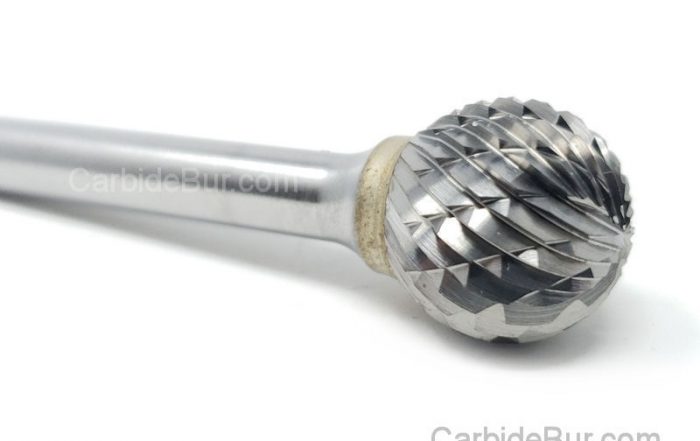
Carbide Burr vs. Grinding Stone: Which Is Better for Metal Removal?
Carbide Burr vs. Grinding Stone: Which Is Better for Metal Removal? When you need to remove metal, smooth a rough edge, or shape a metal component, two common options are carbide burrs and grinding stones. [...]
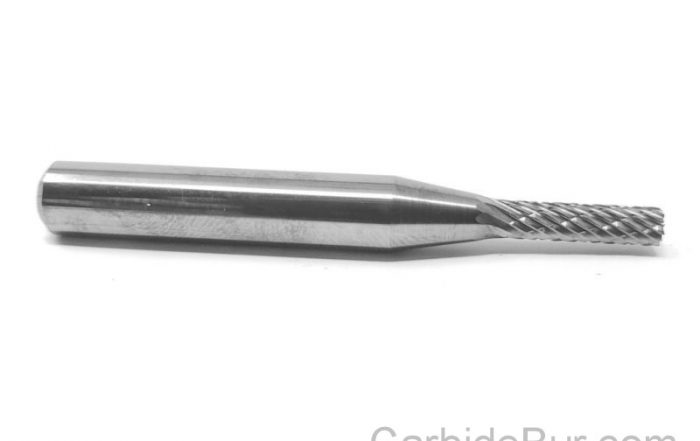
Carbide Burr Safety: RPM, Eye Protection, and Common Mistakes
Carbide Burr Safety: RPM, Eye Protection, and Common Mistakes Carbide burrs are versatile cutting tools used for metal fabrication, welding cleanup, engine porting, deburring, and general material removal. When used correctly, they can help remove [...]
How to Stop Aluminum from Clogging Your Carbide Burr
How to Stop Aluminum from Clogging Your Carbide Burr Aluminum is widely used in automotive work, welding, metal fabrication, aerospace components, and general machining. It is lightweight, relatively easy to machine, and versatile across many [...]
Carbide Burrs for Intake Manifolds: Shaping, Cleanup, and Fitment
Carbide Burrs for Intake Manifolds: Shaping, Cleanup, and Fitment Intake manifold work often involves more than simply bolting a component onto an engine. Depending on the application, metal intake components may have casting irregularities, rough [...]
Why Long-Shank Carbide Burrs Are Useful for Hard-to-Reach Areas
Why Long-Shank Carbide Burrs Are Useful for Hard-to-Reach Areas When working on metal parts, the area that needs grinding or shaping is not always easy to reach. Recessed openings, deep cavities, interior surfaces, and complicated [...]
Choosing Carbide Burrs for Stainless Steel Fabrication
Choosing Carbide Burrs for Stainless Steel Fabrication Stainless steel is widely used in fabrication because of its corrosion resistance, strength, and durability. However, those same properties can make it challenging to machine and finish. Removing [...]
Can You Use Carbide Burrs in a Dremel? Shank Sizes Explained
Can You Use Carbide Burrs in a Dremel? Shank Sizes Explained If you use a Dremel or another rotary tool for detail work, metal shaping, or small fabrication projects, you may wonder whether you can [...]
How to Choose the Best Carbide Burr for Welding and Metal Fabrication
How to Choose the Best Carbide Burr for Welding and Metal Fabrication Welding and metal fabrication often require more than joining two pieces of metal together. Once the welding is finished, fabricators frequently need to [...]
Carbide Burrs for Cylinder Heads: What Automotive Enthusiasts Need to Know
Carbide Burrs for Cylinder Heads: What Automotive Enthusiasts Need to Know Cylinder head work is an important part of engine building, restoration, and performance machining. Whether you are cleaning up casting imperfections, refining port surfaces, [...]
Engine Porting 101: How Carbide Burrs Help Shape Cylinder Head Ports
Engine Porting 101: How Carbide Burrs Help Shape Cylinder Head Ports Engine performance enthusiasts, automotive machinists, and engine builders often look for ways to improve airflow through an engine's cylinder heads. One technique used in [...]
When to Use a 4-Inch or 9-Inch Die Grinder Extension
When to Use a 4-Inch or 9-Inch Die Grinder Extension Metal fabrication, welding, automotive repair, and engine building often require working in places where a standard die grinder and carbide burr cannot easily reach. Recessed [...]
Why Buy USA-Made Carbide Burr Tools? What Buyers Should Compare
Why Buy USA-Made Carbide Burr Tools? What Buyers Should Compare When shopping for carbide burr tools, it's tempting to compare products based on price alone. However, professionals who use rotary cutting tools for welding, metal [...]
