
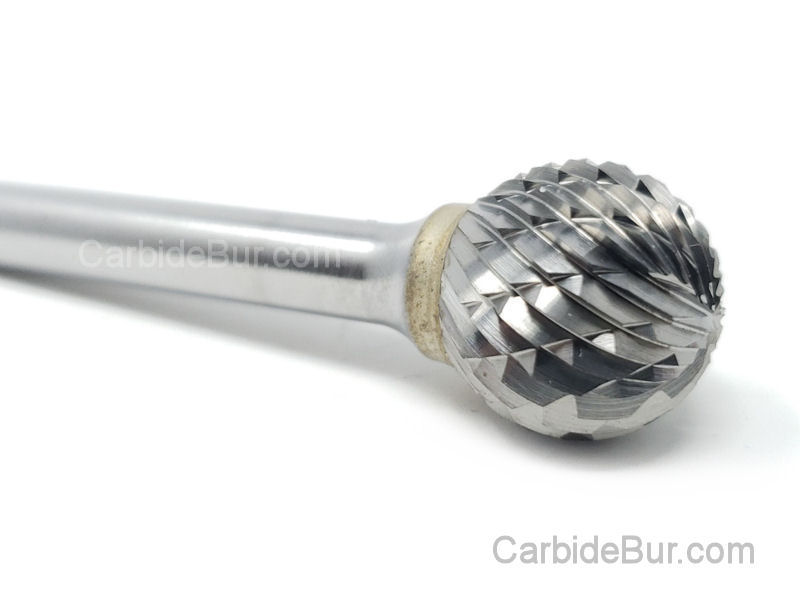
Using Dremel Carbide Bits for Engraving and Shaping
For DIY enthusiasts, crafters, and hobbyists looking to elevate their projects, Dremel carbide bits offer a world of precision and versatility. These specialized accessories, when paired with Dremel rotary tools, transform ordinary crafting into an art form, making tasks like engraving and shaping more efficient and refined. Whether you’re working with metal, wood, or plastic, these carbide tools allow for intricate designs and fine details, turning your visions into reality with ease. In this guide, we’ll delve into the essentials of using Dremel carbide bits, offering insights into how these engraving tools and shaping bits can enhance your DIY projects. Get ready to unlock the full potential of your creativity with these indispensable grinding attachments and rotary burrs. Learn more about what crafts you can do with a Dremel tool.
Find more Dremel Carbide Bits here
Introduction to Dremel Carbide Bits
Dremel carbide bits are essential tools for anyone involved in crafting and DIY projects. These bits enhance the capacity of Dremel rotary tools, making them suitable for detailed work on various materials. In this section, we will explore the fundamental aspects of Dremel carbide bits, focusing on their benefits and versatility.
Benefits of Carbide Tools
Carbide tools are renowned for their durability and precision. Their construction enables them to maintain sharpness longer than other materials, thus reducing the need for frequent replacements. This quality makes them ideal for intricate crafting tasks that demand consistent accuracy.
Carbide is a material known for its hardness, which allows it to cut through tough materials effortlessly. Whether working with metal, wood, or plastic, carbide tools provide clean and precise cuts, enhancing the overall quality of the project.
The cost-effectiveness of carbide tools becomes apparent over time. Although the initial purchase may be higher, the longevity and reduced wear mean fewer replacements and repairs, ultimately saving money.
For more on the benefits of carbide burs, visit here.
Versatility of Dremel Rotary Tools
Dremel rotary tools are celebrated for their adaptability in various crafting applications. They can be paired with an array of attachments, including carbide bits, to perform tasks such as engraving, shaping, sanding, and polishing.
One of the key features of Dremel rotary tools is their speed control. This feature allows for precision crafting, as users can adjust the speed to suit the material and task at hand, ensuring clean and accurate results.
The interchangeability of Dremel accessories makes these tools a favorite among hobbyists and professionals alike. The ability to switch between different bits quickly enhances efficiency and allows for seamless transitions between project phases.
For comprehensive guides on using Dremel rotary tools, check out this resource.
Engraving Techniques with Carbide Bits
Engraving with carbide bits is an art that can transform simple projects into masterpieces. This section delves into the techniques for choosing the right tools and achieving precision on various materials.
Choosing the Right Engraving Tools
Selecting the appropriate engraving tools is crucial for successful projects. The type of material and the desired design intricacy play significant roles in this choice.
-
Identify the Material: Different materials require different engraving bits. Metals may need harder bits than wood or plastic.
-
Determine Design Complexity: Intricate designs require finer bits for detailed work, while broader designs can use larger bits.
-
Consider Tool Compatibility: Ensure that the chosen bit fits well with your Dremel rotary tool to prevent mishaps during use.
For a deeper understanding of engraving tool selection, visit this detailed guide.
Precision Crafting on Various Materials
Engraving on different surfaces requires a keen understanding of material properties and tool capabilities. Harder materials, such as metal, necessitate slower speeds to prevent overheating and tool damage, whereas softer materials allow for quicker work.
Plastic and wood offer a canvas for creative designs. With carbide bits, these materials can be shaped and engraved with ease, allowing for both artistic and functional applications.
The versatility of carbide bits ensures that each project, regardless of material, achieves a high level of detail and craftsmanship. For more insights, view this video tutorial.
Find more Dremel Carbide Bits here
Shaping and Grinding with Carbide Burrs
Shaping and grinding tasks are integral to many crafting projects. This section covers effective use of shaping bits and how grinding attachments can enhance your DIY endeavors.
Effective Use of Shaping Bits
Shaping bits are designed to refine and sculpt materials into desired forms. Their robust nature makes them particularly adept at handling wood and metal.
-
Determine the Shape: Before starting, outline the desired shape to provide a clear guide during shaping.
-
Utilize Speed Settings: Adjust the rotary tool’s speed to match the material’s hardness, ensuring smooth and controlled shaping.
-
Apply Consistent Pressure: Maintain even pressure to avoid uneven surfaces and achieve a polished finish.
Shaping bits are invaluable for creating detailed edges and curves, helping bring your creative visions to life. For more on solid carbide burs, explore this resource.
Enhancing DIY Projects with Grinding Attachments
Grinding attachments expand the capabilities of Dremel tools, making them suitable for tasks requiring material removal and surface smoothing.
When using grinding attachments:
-
Select the Right Attachment: Choose a grinding bit that suits the material type and the extent of material removal needed.
-
Ensure Safety: Wear protective gear to guard against debris and ensure a firm grip on the tool to maintain control.
-
Regularly Check Attachments: Inspect bits frequently for wear and replace as necessary to maintain efficiency.
Incorporating grinding attachments into your toolkit can elevate the quality and scope of your DIY projects, allowing for smoother finishes and more refined results. For further information, visit this site.
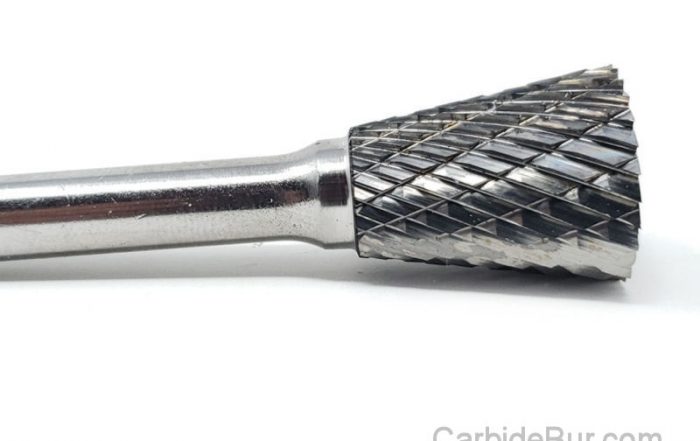
Carbide Burr Safety: 15 Mistakes That Can Cause Injury or Damage
Carbide Burr Safety: 15 Mistakes That Can Cause Injury or Damage Carbide burr safety is often overlooked until a costly mistake happens. Many metalworkers and DIYers make the same errors that lead to injuries or [...]
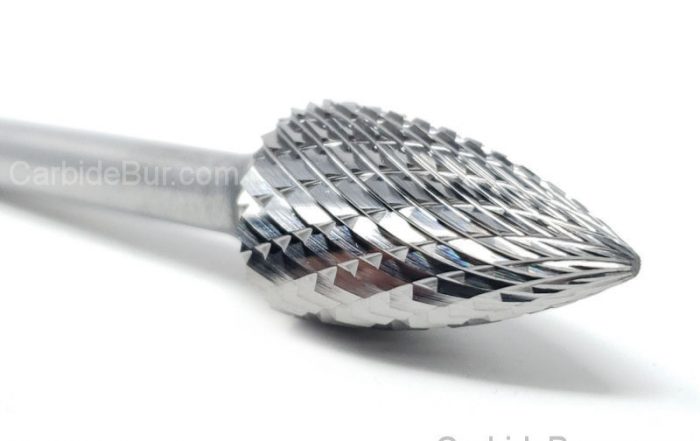
Can You Use a Carbide Burr in a Drill?
Can You Use a Carbide Burr in a Drill? Most people think a standard drill can’t handle a carbide burr, but that’s not true. Using carbide burr in the right drill can speed up your [...]
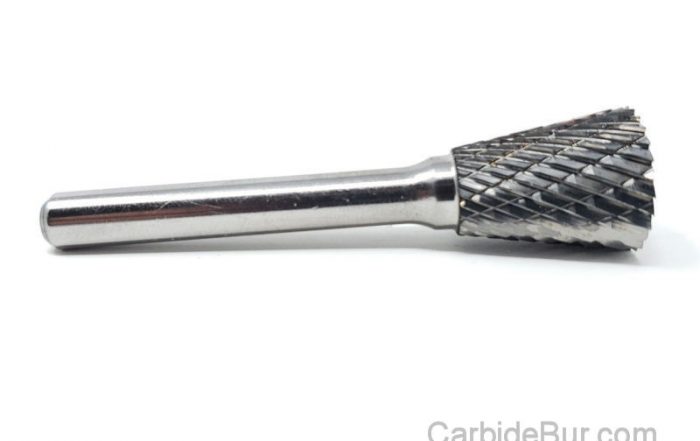
Carbide Burrs for Removing Rust: What Works Best?
Carbide Burrs for Removing Rust: What Works Best? Rust can turn your favorite tools into useless junk faster than you expect. Removing it without ruining the metal underneath takes more than just elbow grease—it demands [...]
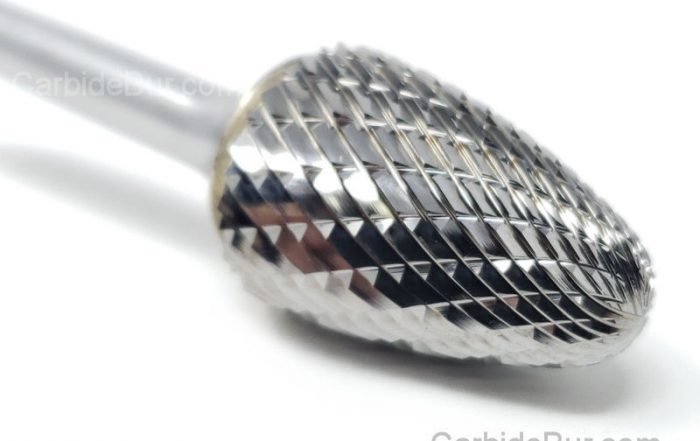
How Much Pressure Should You Use With a Carbide Burr?
How Much Pressure Should You Use With a Carbide Burr? Most people think pressing harder with a carbide burr speeds up the job. That’s not true—too much pressure wears out your tool and ruins the [...]
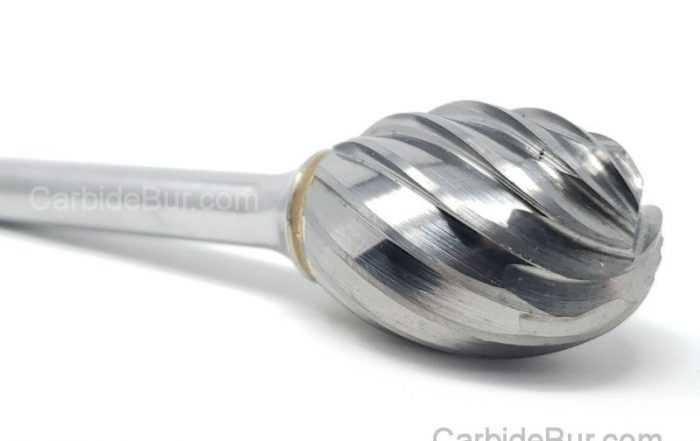
Can You Use Carbide Burrs With an Air Die Grinder?
Can You Use Carbide Burrs With an Air Die Grinder? Most people don’t realize how well carbide burrs work with air die grinders until they try them. If you’ve ever struggled with finding the right [...]
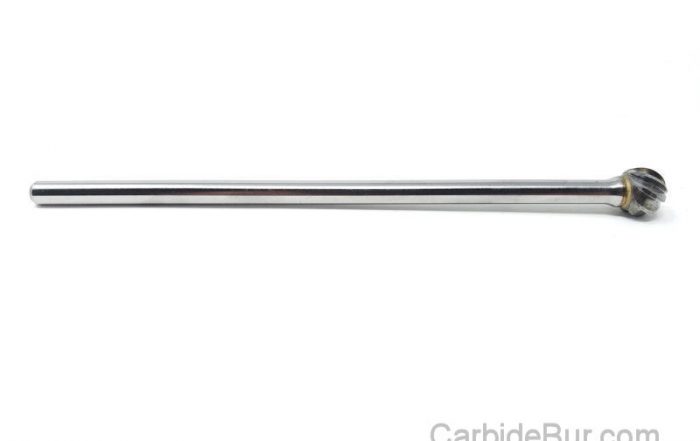
Best Long Reach Carbide Burr for Deep Metal Work
Best Long Reach Carbide Burr for Deep Metal Work Long reach carbide burrs often promise deep metal access, but many fall short where it counts most. You need a tool that cuts cleanly, lasts through [...]
What RPM Should You Use for a 1/8 Inch Carbide Burr?
What RPM Should You Use for a 1/8 Inch Carbide Burr? Most people guess the right carbide burr RPM by feel—and waste hours redoing work. If you want cleaner cuts and longer tool life, your [...]
Carbide Burrs for Tight Spaces: Choosing the Right Shape
Carbide Burrs for Tight Spaces: Choosing the Right Shape Tackling tight spaces with the wrong carbide burrs wastes time and risks damaging your work. Choosing the right burr shape makes all the difference when working [...]
Can Carbide Burrs Remove Paint From Metal?
Can Carbide Burrs Remove Paint From Metal? Stripping paint from metal often feels like a tough chore that risks damaging the surface underneath. Many turn to carbide burrs hoping they can speed things up without [...]
How to Grind a Groove in Metal With a Carbide Burr
How to Grind a Groove in Metal With a Carbide Burr Most metalworkers struggle to cut clean grooves without wasting time or ruining their workpiece. Many try different metalworking tools but end up with uneven [...]
Can Carbide Burrs Cut Through Welds?
Can Carbide Burrs Cut Through Welds? Cutting through welds can feel like a battle, especially when you need clean results without harming the base metal. Carbide burrs offer a sharp edge in this fight, but [...]
How to Use a Carbide Burr With a Die Grinder
How to Use a Carbide Burr With a Die Grinder Most people treat a carbide burr like just another tool, but using it with a die grinder takes skill. If you’ve struggled with burr installation [...]
