
Enhance Your Precision: The Power of American Carbide Tools for Machinists
In the world of machining, precision and productivity are key, and American carbide tools are making waves in how machinists approach the task of material removal, especially with aluminum. These USA-made tools are celebrated for their remarkable cutting efficiency and wear resistance, enabling machinists to achieve clean finishes with ease. As industry professionals seek to enhance their craft, these tools stand out as essential assets for improving output and ensuring quality. With a growing emphasis on craftsmanship and reliability, machinists are turning to these trusted tools to meet the demands of modern manufacturing. Explore the advantages of incorporating American carbide tools into your workflow and see how they can support your precision goals.
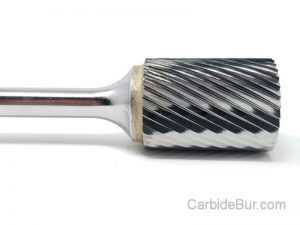
The Rise of Carbide Tools
Carbide tools have become a cornerstone in modern machining, offering significant benefits over traditional materials. Their rise has transformed industries, particularly in the efficient machining of materials like aluminum. Understanding this evolution provides insights into why they are now the preferred choice for machinists worldwide.
History of Carbide in Machining
The use of carbide in machining dates back to the early 20th century when it was first introduced as a cutting tool material. Carbide’s durability and heat resistance quickly set it apart from other materials like high-speed steel. Over the years, technological advancements have enhanced carbide’s capabilities, making it a staple in precision machining.
It was the unique properties of carbide—hardness and thermal stability—that propelled its widespread adoption. This material allowed machinists to cut harder materials at faster speeds, significantly improving productivity.
As industries evolved, so did the applications of carbide tools. They are now used across various sectors, from aerospace to automotive, showcasing their versatility and reliability. The history of carbide tools is one of continuous innovation and adaptation, reflecting the ever-changing demands of the machining industry.
Key Advantages of Carbide Tools
Carbide tools offer several advantages that make them indispensable in machining applications. Firstly, their cutting efficiency is unparalleled. Carbide’s hardness allows for faster cutting speeds and extended tool life, which increases productivity.
Another key advantage is wear resistance. Carbide tools maintain their edge longer, reducing the need for frequent replacements. This not only saves time but also reduces operational costs.
Moreover, carbide tools provide clean finishes. The precision with which they cut minimizes the need for additional finishing processes, ensuring high-quality results with less effort.
These benefits, combined with the ability to handle various materials, highlight why carbide tools are a favorite among machinists seeking to enhance their operations.
Impact on Machining Aluminum
Carbide tools have a significant impact on machining aluminum, a material known for its light weight and versatility. Aluminum machining benefits from carbide tools due to their ability to maintain sharpness and resist wear.
Unlike other materials, aluminum is prone to forming a built-up edge during machining. Carbide tools effectively reduce this issue, ensuring smoother cuts and cleaner finishes.
The enhanced cutting efficiency of carbide also allows for faster machining speeds, making the process more efficient overall. This results in increased productivity and reduced machining time, a crucial factor in industries where time is money.
The impact of carbide tools on machining aluminum is profound, enabling machinists to achieve precise, high-quality results while optimizing operational efficiency.
USA-Made Tools: A Benchmark
USA-made carbide tools set a benchmark for quality and reliability. These tools are crafted to meet stringent standards, ensuring machinists receive the performance they expect. The local production also supports the American economy and industry.
Quality Standards and Manufacturing
USA-made carbide tools are held to high quality standards, ensuring they meet the demands of modern machining. This commitment to quality is evident in the manufacturing processes used to produce these tools.
Manufacturers in the USA employ advanced techniques and stringent testing to guarantee the performance of their carbide tools. From raw materials to final products, every step is monitored to maintain consistency and reliability.
This focus on quality ensures that machinists receive tools that perform optimally, enhancing their productivity and precision. The rigorous standards set by American manufacturers make these tools a benchmark in the industry.
Benefits of Locally Sourced Tools
Sourcing tools locally offers several advantages for machinists. Firstly, it guarantees faster delivery times, ensuring that machinists have the equipment they need without delay.
-
Reduced shipping costs: Local sourcing eliminates international shipping fees, lowering overall expenses.
-
Easier access to customer support: Dealing with domestic manufacturers provides quicker and more effective customer service.
-
Boosts local economy: Supporting local businesses helps drive economic growth within the community.
With these benefits, choosing USA-made tools is a practical decision for machinists looking for reliable performance and support.
Supporting American Industry
By choosing USA-made tools, machinists contribute to the growth and stability of the American manufacturing sector. This support is crucial for maintaining jobs and encouraging innovation within the industry.
American manufacturers continuously invest in research and development to create tools that meet the evolving needs of machinists. This commitment to innovation ensures that USA-made tools remain at the forefront of the industry.
Supporting American industry not only benefits local economies but also ensures that machinists have access to high-quality, reliable tools. This investment in domestic production fosters a cycle of growth and improvement in the machining field.
Enhancing Cutting Efficiency
Enhancing cutting efficiency is crucial for machinists aiming to optimize their processes. Carbide tools play a pivotal role in achieving this goal, offering techniques and solutions that streamline operations.
Techniques for Material Removal
Effective material removal requires the right techniques and tools. When using carbide tools, machinists should consider the following strategies:
-
Choose the correct tool geometry for the specific material and cutting conditions.
-
Maintain proper cutting speeds to maximize tool life and efficiency.
-
Use appropriate lubrication to reduce friction and prevent overheating.
These techniques ensure that material removal is both efficient and precise, enhancing overall machining performance.
Achieving Clean Finishes
Achieving clean finishes is essential for producing high-quality machined parts. Carbide tools are instrumental in this process due to their precision and sharpness.
By maintaining a sharp cutting edge, carbide tools reduce the likelihood of material tearing or deformation. This results in smoother surfaces and less need for additional finishing processes.
Machinists can further enhance finish quality by optimizing cutting parameters and ensuring tools are well-maintained. Together, these practices ensure that each piece meets the desired specifications with minimal effort.
Improving Wear Resistance
Wear resistance is a critical factor in tool longevity and performance. Carbide tools excel in this area, offering extended tool life compared to other materials.
The inherent hardness of carbide allows it to withstand the rigors of high-speed machining without degrading quickly. This durability means less frequent tool changes, reducing downtime and costs.
Proper maintenance and usage also contribute to improved wear resistance. By following best practices, machinists can maximize the lifespan of their carbide tools, ensuring consistent performance over time.
Ordering with Ease
Streamlining the purchasing process for carbide tools makes it easier for machinists to obtain the equipment they need. This ease of ordering is essential for maintaining productivity and efficiency.
Simplifying the Purchase Process
A simplified purchase process is key to ensuring machinists can quickly acquire the tools they need. Online platforms offer a convenient solution, providing access to a wide range of products.
-
User-friendly interfaces make it easy to browse and select tools.
-
Detailed product descriptions help machinists make informed decisions.
-
Secure payment options ensure a safe and smooth transaction experience.
These features streamline the ordering process, allowing machinists to focus on their work rather than logistical challenges.
Choosing the Right Tools for You
Selecting the right carbide tools involves understanding specific machining needs. To make an informed choice, consider the following:
-
Material type: Different tools are suited for different materials.
-
Tool geometry: Ensure the tool shape matches the required task.
-
Performance requirements: Consider speed, finish quality, and tool life.
By evaluating these factors, machinists can select tools that best meet their operational needs, enhancing both efficiency and quality.
Tips for Maintaining Your Tools
Proper maintenance of carbide tools extends their life and maintains performance. Consider these tips:
-
Regularly inspect tools for wear and damage.
-
Keep tools clean and dry to prevent corrosion.
-
Use the correct storage solutions to avoid accidental damage.
Adhering to these practices ensures that tools remain in optimal condition, supporting consistent machining results over time.
Future of Machining with Carbide
The future of machining with carbide is promising, driven by ongoing trends and innovations. Carbide tools continue to evolve, offering long-term benefits for machinists.
Trends in Machining Aluminum
Machining aluminum has seen several trends that enhance efficiency and quality. Carbide tools are at the forefront of these developments, enabling faster and more precise machining.
Key trends include the adoption of high-speed machining techniques and advancements in tool coatings, both of which improve performance when working with aluminum.
These trends highlight the ongoing evolution of aluminum machining, with carbide tools playing a critical role in this progress.
Innovations in Tool Design
Innovations in tool design are continually improving the performance of carbide tools. Manufacturers are exploring new geometries and coatings that enhance cutting capabilities.
Emerging technologies such as additive manufacturing are also influencing tool production, allowing for more customized solutions to specific machining challenges.
These innovations ensure that carbide tools remain a vital component in modern machining, offering enhanced performance and adaptability.
Long-term Benefits for Machinists
Carbide tools offer long-term benefits that go beyond immediate productivity gains. Their durability and efficiency provide cost savings over time, reducing the need for frequent replacements.
Investing in high-quality carbide tools also leads to improved machining quality, ensuring that parts meet stringent specifications consistently.
By embracing the advantages of carbide tools, machinists position themselves for continued success, leveraging the latest advancements to maintain a competitive edge in the industry.
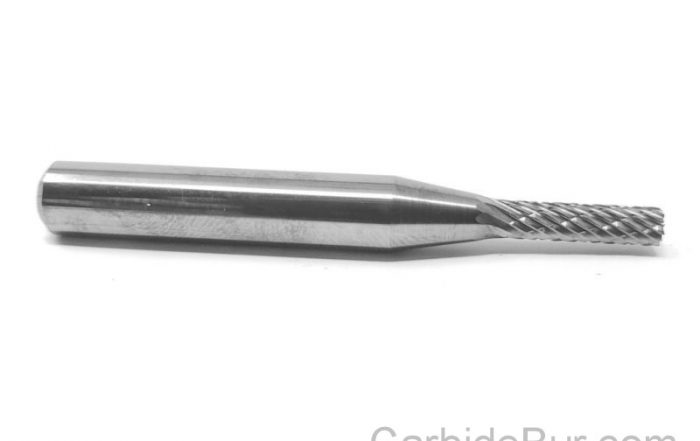
Carbide Burr Safety: RPM, Eye Protection, and Common Mistakes
Carbide Burr Safety: RPM, Eye Protection, and Common Mistakes Carbide burrs are versatile cutting tools used for metal fabrication, welding cleanup, engine porting, deburring, and general material removal. When used correctly, they can help remove [...]
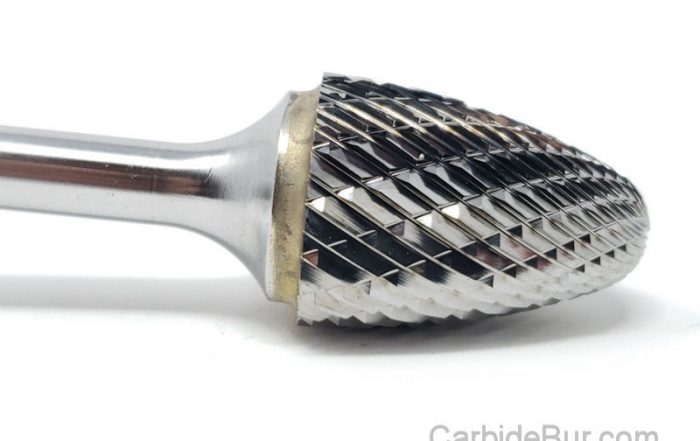
How to Stop Aluminum from Clogging Your Carbide Burr
How to Stop Aluminum from Clogging Your Carbide Burr Aluminum is widely used in automotive work, welding, metal fabrication, aerospace components, and general machining. It is lightweight, relatively easy to machine, and versatile across many [...]
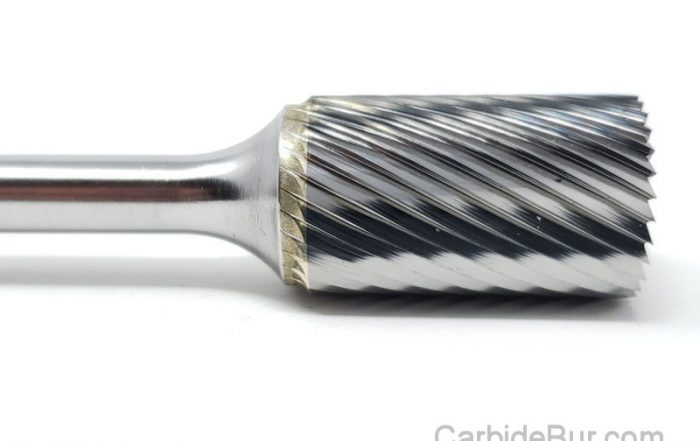
Carbide Burrs for Intake Manifolds: Shaping, Cleanup, and Fitment
Carbide Burrs for Intake Manifolds: Shaping, Cleanup, and Fitment Intake manifold work often involves more than simply bolting a component onto an engine. Depending on the application, metal intake components may have casting irregularities, rough [...]
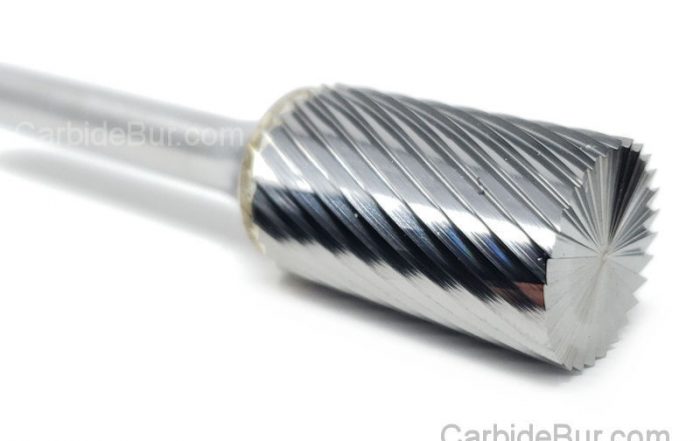
Why Long-Shank Carbide Burrs Are Useful for Hard-to-Reach Areas
Why Long-Shank Carbide Burrs Are Useful for Hard-to-Reach Areas When working on metal parts, the area that needs grinding or shaping is not always easy to reach. Recessed openings, deep cavities, interior surfaces, and complicated [...]
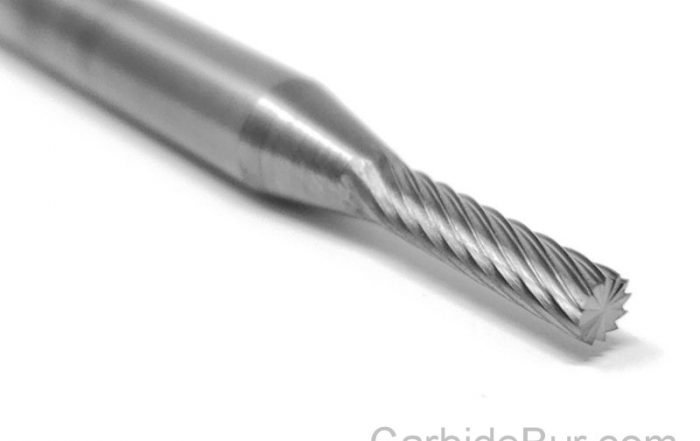
Choosing Carbide Burrs for Stainless Steel Fabrication
Choosing Carbide Burrs for Stainless Steel Fabrication Stainless steel is widely used in fabrication because of its corrosion resistance, strength, and durability. However, those same properties can make it challenging to machine and finish. Removing [...]
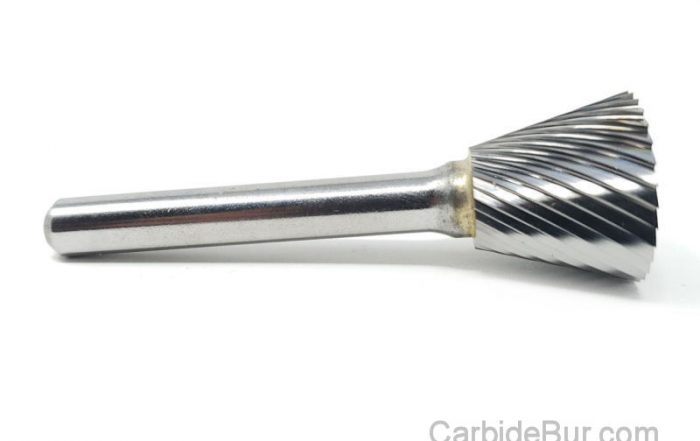
Can You Use Carbide Burrs in a Dremel? Shank Sizes Explained
Can You Use Carbide Burrs in a Dremel? Shank Sizes Explained If you use a Dremel or another rotary tool for detail work, metal shaping, or small fabrication projects, you may wonder whether you can [...]
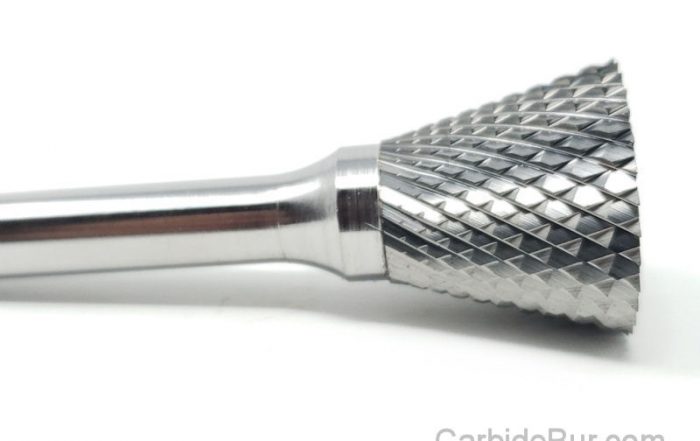
How to Choose the Best Carbide Burr for Welding and Metal Fabrication
How to Choose the Best Carbide Burr for Welding and Metal Fabrication Welding and metal fabrication often require more than joining two pieces of metal together. Once the welding is finished, fabricators frequently need to [...]
Carbide Burrs for Cylinder Heads: What Automotive Enthusiasts Need to Know
Carbide Burrs for Cylinder Heads: What Automotive Enthusiasts Need to Know Cylinder head work is an important part of engine building, restoration, and performance machining. Whether you are cleaning up casting imperfections, refining port surfaces, [...]
Engine Porting 101: How Carbide Burrs Help Shape Cylinder Head Ports
Engine Porting 101: How Carbide Burrs Help Shape Cylinder Head Ports Engine performance enthusiasts, automotive machinists, and engine builders often look for ways to improve airflow through an engine's cylinder heads. One technique used in [...]
When to Use a 4-Inch or 9-Inch Die Grinder Extension
When to Use a 4-Inch or 9-Inch Die Grinder Extension Metal fabrication, welding, automotive repair, and engine building often require working in places where a standard die grinder and carbide burr cannot easily reach. Recessed [...]
Why Buy USA-Made Carbide Burr Tools? What Buyers Should Compare
Why Buy USA-Made Carbide Burr Tools? What Buyers Should Compare When shopping for carbide burr tools, it's tempting to compare products based on price alone. However, professionals who use rotary cutting tools for welding, metal [...]
How to Use 1/8-Inch Rotary Bits with a Die Grinder
How to Use 1/8-Inch Rotary Bits with a Die Grinder Die grinders are popular tools for metalworking, fabrication, deburring, and precision material removal. However, many die grinders use a 1/4-inch collet, while smaller rotary tools [...]
