
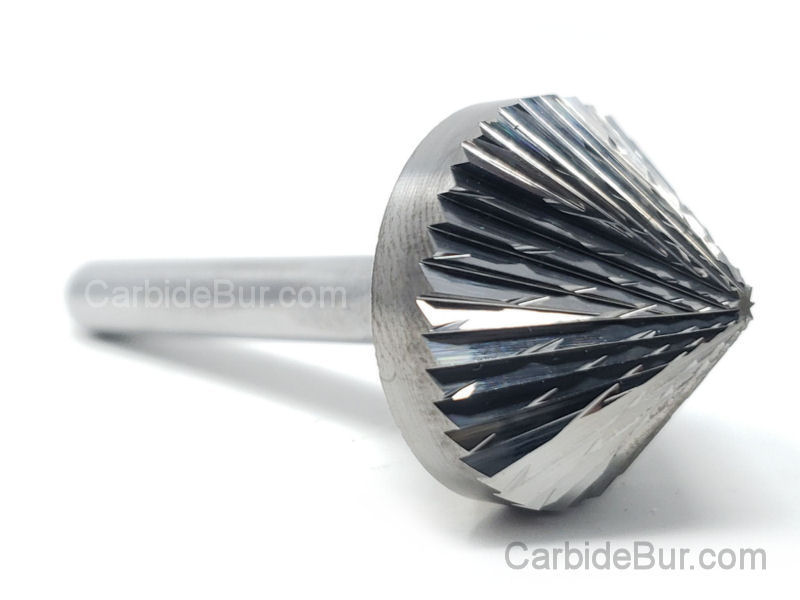
Unlocking the Secrets of Carbide Bur Welding for Superior Welding Performance
In the intricate world of industrial tools, the pursuit of optimal performance hinges on the often-overlooked art of carbide bur welding. For industrial engineers, tool manufacturers, and machinery operators, selecting the right carbide weld is not just a choice but a necessity for achieving superior welding performance. The proper selection can significantly enhance tool efficiency, offering robust wear resistance and effective heat management, which are crucial in demanding environments. Furthermore, understanding the selection parameters for carbide bur welding can lead to substantial reductions in operational costs, ensuring that the tools not only perform reliably but also endure the rigors of heavy use. Join us as we delve into the nuances of carbide bur welding, unlocking the secrets that promise to elevate your industrial applications to new heights. For more insights, visit this guide.
Understanding Carbide Bur Welding
Carbide bur welding is integral in enhancing the performance and longevity of industrial tools. It involves using carbide welds to join materials, offering a durable and wear-resistant bond. In this section, we explore why choosing the correct carbide weld is crucial and how it enhances tool efficiency and wear resistance.
Importance of Carbide Weld
Carbide welds are essential because they provide durability and strength in the most demanding industrial applications. The right weld ensures that tools withstand high-stress environments without compromising performance.
A well-chosen carbide weld contributes to enhanced tool life, reducing the need for frequent replacements. This is particularly vital in industries where equipment downtime can lead to substantial operational costs.
Moreover, carbide welds improve heat management during operations, preventing tool degradation. For in-depth details on choosing the right carbide burr, visit Carbide Bur.
Enhancing Tool Efficiency
Tool efficiency is paramount in industrial operations. A well-welded carbide bur can significantly enhance this efficiency by providing a consistent cutting performance. This consistency reduces operational interruptions, resulting in increased productivity.
-
Selection of Material: Choose a carbide composition that matches the requirements of the specific application.
-
Proper Welding Techniques: Employ techniques that ensure a strong bond without compromising the tool’s integrity.
-
Regular Maintenance: Implement routine checks to maintain optimal tool performance.
For additional insights on maintaining tool efficiency, reference Carbide Burr.
Benefits of Wear Resistance
The wear resistance of a tool determines its longevity and reliability. Carbide bur welding enhances this property, enabling tools to withstand abrasive environments without excessive wear.
Example: A mining operation employs carbide-tipped drills, where wear resistance is critical.
-
Extended Tool Life: Reduced wear leads to fewer replacements and less downtime.
-
Cost Efficiency: Lower replacement rates translate into reduced operational costs.
For a comprehensive overview of wear-resistant carbide burrs, visit 22 Things to Know About Tungsten Carbide Burrs.
Parameters for Optimal Performance
Achieving optimal performance with carbide bur welding requires understanding and applying key selection parameters. These parameters guide the welding process to ensure tools meet industry standards and perform exceptionally in challenging environments.
Key Selection Parameters
Selecting the right parameters is crucial for effective carbide bur welding. Consider these factors:
-
Material Hardness: Ensure the carbide’s hardness matches the application needs.
-
Joint Configuration: Proper joint design impacts the weld’s effectiveness.
-
Welding Environment: Control temperature and humidity for optimal results.
Visit Norton Abrasives for more on these parameters and their impact on performance.
Role of Heat Management
Heat management in welding plays a pivotal role in maintaining tool integrity. Excessive heat can degrade the carbide, while insufficient heat may lead to weak welds.
-
Control Welding Temperature: Ensures the carbide does not overheat, preserving its properties.
-
Use of Cooling Systems: Implement systems to dissipate heat during welding.
For more on maintaining temperature during welding, explore resources on Carbide Burr.
Reducing Operational Costs
Operational costs can be significantly reduced through effective carbide bur welding. By improving tool performance and longevity, businesses can minimize replacements and downtimes.
-
Invest in Quality Materials: Ensures fewer replacements and repairs.
-
Train Technicians: Skilled personnel can execute welding more efficiently, reducing errors.
Case Study: A manufacturing firm reduced costs by 30% by focusing on quality welding practices.
For further reading, visit Carbide Bur.
Applications of Industrial Tools
Industrial tools are vital across various sectors. This section explores how carbide bur welding improves welding performance, ensures longevity, and maximizes productivity in industrial environments.
Improving Welding Performance
Welding performance can make or break an industrial operation. High-quality carbide welds enhance performance by providing robust and reliable joints.
-
Consistent Quality: Ensures each weld meets industry standards.
-
Increased Strength: Robust joints withstand high loads and stress.
For more about enhancing welding performance, check out Norton Abrasives.
Ensuring Longevity and Reliability
Longevity and reliability in tools are achieved through meticulous welding processes. Properly welded tools offer consistent performance over extended periods.
-
Routine Maintenance: Regular checks ensure tools remain in top condition.
-
Use of Advanced Techniques: Employ modern techniques to enhance weld quality.
For detailed insights on ensuring tool longevity, explore 22 Things to Know About Tungsten Carbide Burrs.
Maximizing Productivity in Industrial Environments
Maximizing productivity involves using tools that efficiently perform their intended function without frequent interruptions. High-quality carbide bur welds contribute significantly to this goal.
-
Minimized Downtime: Reliable tools reduce the need for repairs.
-
Enhanced Efficiency: Tools perform tasks faster and with greater precision.
For strategies on maximizing productivity, visit Carbide Bur.
Find more carbide bur die grinder tool bits here
Port Matching Techniques for Automotive Enthusiasts
Mastering Carbide Burs: Port Matching Techniques for Automotive Enthusiasts Most engine porting guides leave out the real secrets to using carbide burs right. If you’ve wasted time guessing the right RPM or picked the wrong [...]
Top 5 Carbide Burr Mistakes Beginners Make and How to Avoid Them
Top 5 Carbide Burr Mistakes Beginners Make and How to Avoid Them Most beginners make the same costly carbide burr mistakes without even realizing it. If you’ve struggled with rough finishes or broken bits, you’re [...]
The Expert’s Guide to Chamfering and Edge Breaking with Carbide Burrs
The Expert's Guide to Chamfering and Edge Breaking with Carbide Burrs Most metal shaping tools only scratch the surface. If your edges still feel rough or your welds aren’t smooth, you’re missing a key step. [...]
The Ultimate Guide to Using Carbide Burrs on Aluminum Without a Hitch
The Ultimate Guide to Using Carbide Burrs on Aluminum Without a Hitch Clogged carbide burrs can turn your aluminum machining project into a frustrating mess fast. You’ve probably wasted hours scraping off gunk instead of [...]
Your Go-To Welding Tools for Fast and Effective Cleaning
Carbide Burrs: Your Go-To Welding Tools for Fast and Effective Cleaning Welding cleanups often drag on longer than they should, costing you time and precision. If you’re tired of scrubbing weld spatter that just won’t [...]
Practical Burr Maintenance Tips for Cost-Savvy Machinists
Practical Burr Maintenance Tips for Cost-Savvy Machinists Most machinists replace carbide burrs too late or too soon, wasting both time and money. Your tools wear down faster when you miss the signs to replace carbide [...]
Jewelry Making and Engraving Techniques Using Carbide Burs
Jewelry Making and Engraving Techniques Using Carbide Burs Carbide burs aren’t just for rough cuts or quick fixes—you’re missing out if you think that’s all they do. These small tools can add precision and detail [...]
How to Choose Between Single Cut and Double Cut Carbide Burrs
Master Your Projects: How to Choose Between Single Cut and Double Cut Carbide Burrs Picking the wrong carbide burr can turn a simple project into a frustrating mess. You’ve got single cut burrs and double [...]
Achieve Precision with the Right Carbide Burr Usage and RPM
Achieve Precision with the Right Carbide Burr Usage and RPM Most people run carbide burrs way too fast or too slow without realizing it. That’s costing you time, tool life, and the smooth finish you [...]
Why Carbide Burrs Outshine Grinding Wheels in Woodworking and Metalworking
Why Carbide Burrs Outshine Grinding Wheels in Woodworking and Metalworking Grinding wheels have long been the go-to for shaping metal and wood, but they often fall short when precision work is on the line. If [...]
Choosing the Best Burr Shapes and Tools for Flawless Metalworking
Choosing the Best Burr Shapes and Tools for Flawless Metalworking Removing burrs can feel like walking a tightrope—one wrong move, and your parts get damaged. If you want clean edges without the risk, mastering deburring [...]
Essential Metalworking Tips for Aluminum
Keep Your Carbide Burrs Running Smooth: Essential Metalworking Tips for Aluminum Clogged carbide burrs slow down your aluminum machining and wreck your finish. You’ve probably tried pushing harder or changing speeds, only to see the [...]

Leave A Comment
You must be logged in to post a comment.