
From Spatter to Spectacular: Why Carbide Burs Are the Welder’s Best Friend
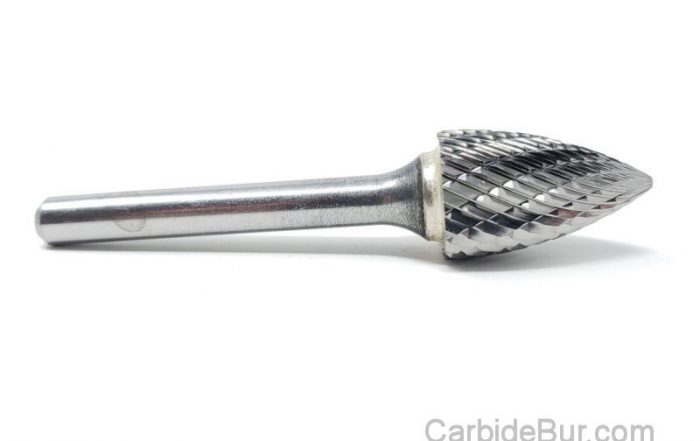
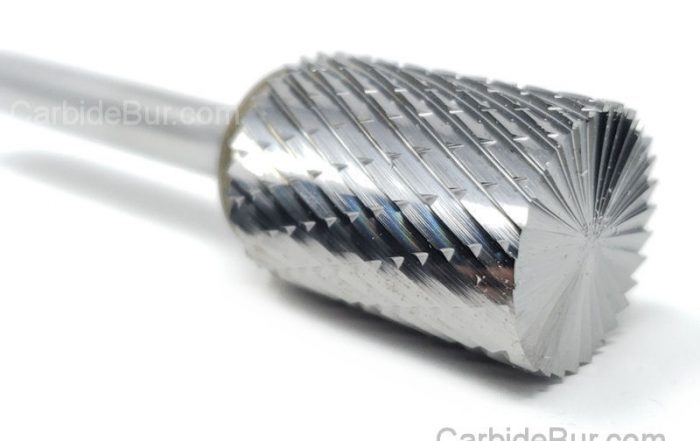
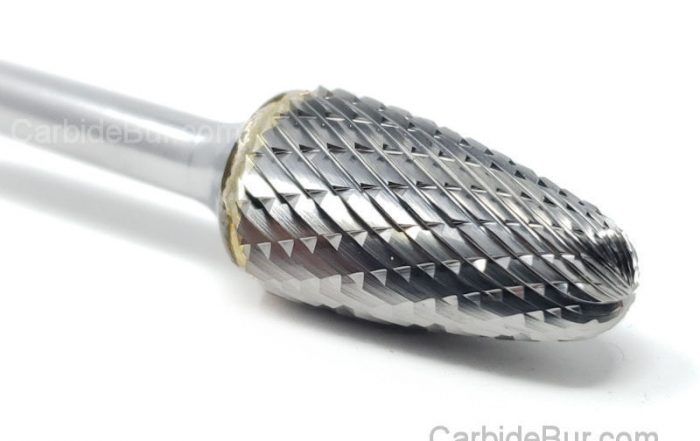
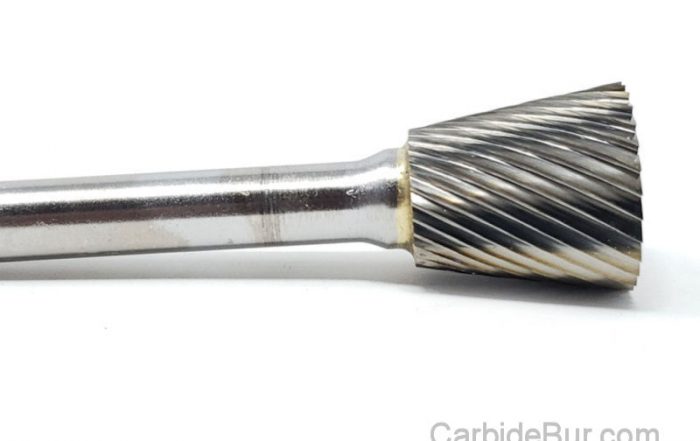
In the world of welding, where precision and quality are paramount, choosing the right tools can make all the difference. Enter carbide burs, the unsung heroes of weld polishing, offering a swift and consistent finish that outshines traditional sandpaper. While sandpaper might smooth surfaces, carbide burs tackle weld spatter and imperfections with ease, leading to a pristine surface that’s both aesthetically pleasing and structurally sound. For welders who crave both productivity and craftsmanship, these metal finishing tools are an essential part of the fabrication toolkit. Join us as we explore how carbide burs can transform your welding projects from spatter to spectacular. Learn more about choosing the right abrasives for metal removal and finishing work.
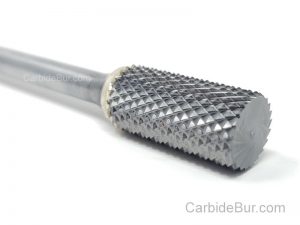
Find more carbide bur die grinder tool bits here
Carbide Burs vs Sandpaper
When it comes to weld polishing, the choice between carbide burs and sandpaper can significantly impact both the speed and the quality of your work. Understanding the distinctions between these two tools can help you make informed decisions that boost efficiency and improve finish quality.
Speed and Efficiency
Carbide burs are known for their ability to complete tasks swiftly. Unlike sandpaper, which requires repetitive strokes, carbide burs remove material quickly and evenly. This efficiency is a boon for welders looking to save time.
-
Carbide burs can last up to 50 times longer than sandpaper, reducing downtime associated with tool changes.
-
They handle tough materials with ease, making them ideal for heavy-duty weld spatter removal.
In contrast, sandpaper often demands more effort and time to achieve a similar finish.
For further insights on abrasives, check this article on abrasive grains.
Quality of Finish
The finish quality achieved with carbide burs is often superior. They provide a smoother surface that enhances both aesthetic appeal and structural integrity.
Sandpaper might smooth surfaces, but carbide burs ensure a uniform finish without scratches. This is crucial for projects that require high precision.
-
Carbide burs offer consistent results, crucial for maintaining high standards in professional welding work.
-
The finish achieved reduces the need for subsequent smoothing, saving additional time and resources.
For a deeper dive into abrasive uses in metalwork, explore this detailed resource.
Key Benefits of Carbide Burs
Carbide burs bring several advantages to the welding process, from quick spatter removal to enhancing surface quality. These benefits make them indispensable in any welder’s toolkit.
Fast Weld Spatter Removal
One of the standout features of carbide burs is their ability to swiftly remove weld spatter. This capability is especially beneficial when working with challenging welds.
-
Quick removal of spatter prevents damage to the surrounding material.
-
They enable welders to move on to the next task without delays, boosting productivity.
For more details on the advantages of carbide burs, visit this informative site.
Enhancing Surface Quality
Beyond spatter removal, carbide burs significantly improve surface quality. Their precision allows for a cleaner, smoother finish.
-
This enhancement leads to a more polished look, crucial for finished products that must meet high visual standards.
-
The refined surface reduces the need for additional finishing steps.
Learn more about the benefits of these tools at Carbide Burr.
Choosing the Right Metal Finishing Tools
Selecting the right metal finishing tools is essential for achieving optimal results in weld polishing. The right choice can enhance efficiency and improve the quality of your work.
Essential Fabrication Tools
A well-equipped fabricator’s toolkit should include tools tailored to specific needs. Carbide burs are among these essential tools.
-
They are versatile, handling a variety of tasks from cutting to shaping.
-
Their durability makes them a cost-effective addition to any workshop.
For advice on selecting the best tools, consider the guidance in this article.
Impact on Weld Polishing
Carbide burs can have a profound impact on weld polishing outcomes. They not only improve efficiency but also ensure a higher quality finish.
-
Their use leads to uniform results, reducing the risk of errors.
-
The time saved allows for more projects to be completed in less time.
For tips on choosing the right finishing tools, check this comprehensive guide.
Selecting the right tools and understanding their unique benefits can significantly improve the quality and efficiency of your welding work.
Find more carbide bur die grinder tool bits here
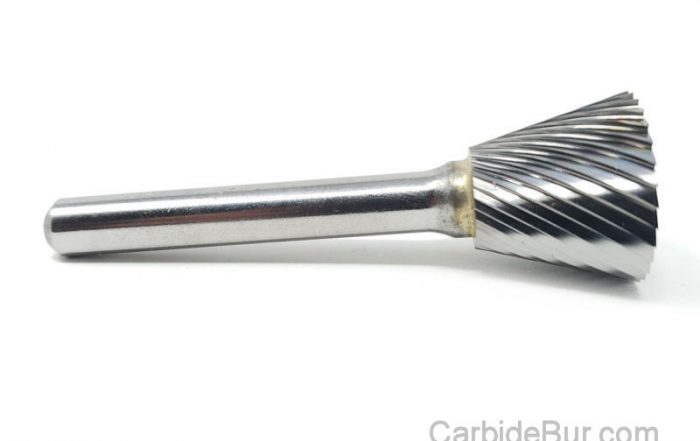
Can You Use Carbide Burrs in a Dremel? Shank Sizes Explained
Can You Use Carbide Burrs in a Dremel? Shank Sizes Explained If you use a Dremel or another rotary tool for detail work, metal shaping, or small fabrication projects, you may wonder whether you can [...]
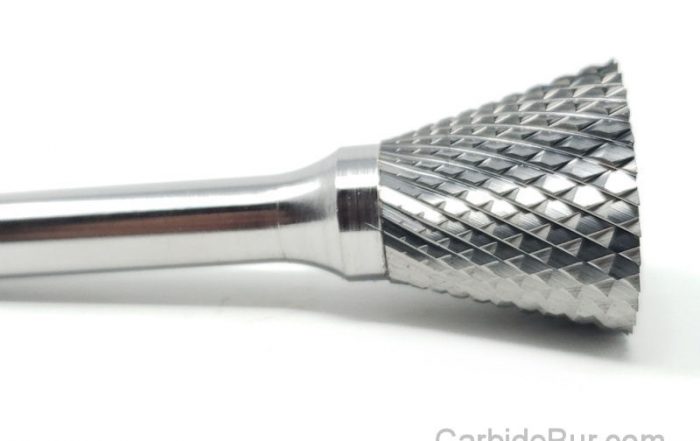
How to Choose the Best Carbide Burr for Welding and Metal Fabrication
How to Choose the Best Carbide Burr for Welding and Metal Fabrication Welding and metal fabrication often require more than joining two pieces of metal together. Once the welding is finished, fabricators frequently need to [...]
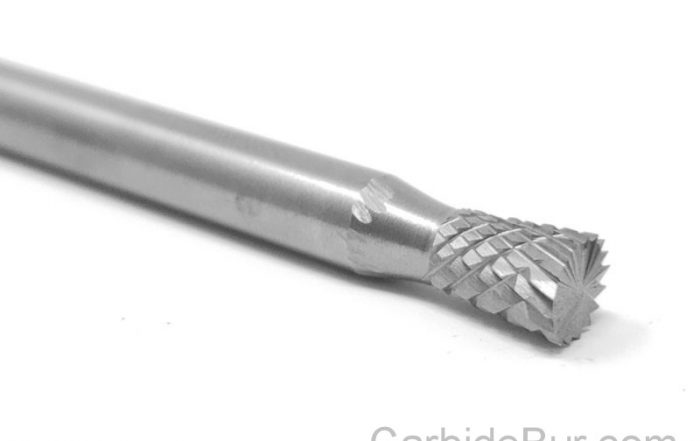
Carbide Burrs for Cylinder Heads: What Automotive Enthusiasts Need to Know
Carbide Burrs for Cylinder Heads: What Automotive Enthusiasts Need to Know Cylinder head work is an important part of engine building, restoration, and performance machining. Whether you are cleaning up casting imperfections, refining port surfaces, [...]
Engine Porting 101: How Carbide Burrs Help Shape Cylinder Head Ports
Engine Porting 101: How Carbide Burrs Help Shape Cylinder Head Ports Engine performance enthusiasts, automotive machinists, and engine builders often look for ways to improve airflow through an engine's cylinder heads. One technique used in [...]
When to Use a 4-Inch or 9-Inch Die Grinder Extension
When to Use a 4-Inch or 9-Inch Die Grinder Extension Metal fabrication, welding, automotive repair, and engine building often require working in places where a standard die grinder and carbide burr cannot easily reach. Recessed [...]
Why Buy USA-Made Carbide Burr Tools? What Buyers Should Compare
Why Buy USA-Made Carbide Burr Tools? What Buyers Should Compare When shopping for carbide burr tools, it's tempting to compare products based on price alone. However, professionals who use rotary cutting tools for welding, metal [...]
How to Use 1/8-Inch Rotary Bits with a Die Grinder
How to Use 1/8-Inch Rotary Bits with a Die Grinder Die grinders are popular tools for metalworking, fabrication, deburring, and precision material removal. However, many die grinders use a 1/4-inch collet, while smaller rotary tools [...]

Can You Use a Carbide Burr With an Electric Die Grinder?
Can You Use a Carbide Burr With an Electric Die Grinder? Most people don’t realize how much a carbide burr can change the way an electric die grinder works. Using the right burr type can [...]
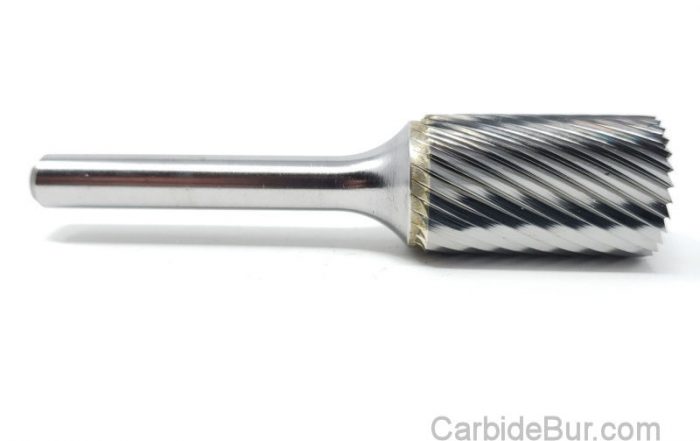
How to Deburr Holes With a Carbide Burr
How to Deburr Holes With a Carbide Burr Most people think any tool will do for deburring holes. The truth is, using the right carbide burr with the correct size and shape changes everything. In [...]
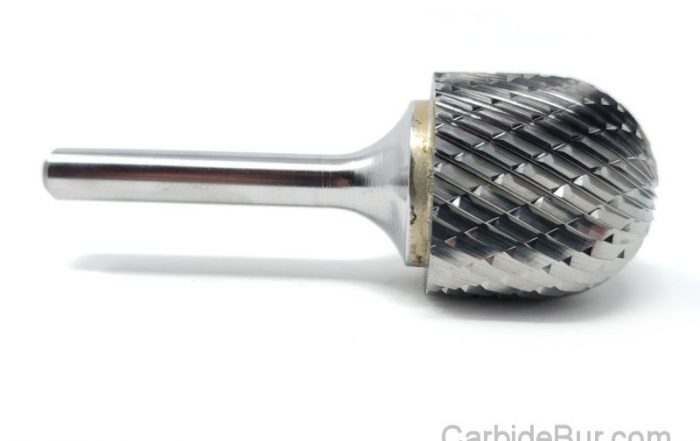
How to Choose the Correct Carbide Burr Shank Size
How to Choose the Correct Carbide Burr Shank Size Many machinists lose hours troubleshooting tool issues caused by the wrong carbide burr shank size. Using a shank that doesn’t fit your grinder can lead to [...]
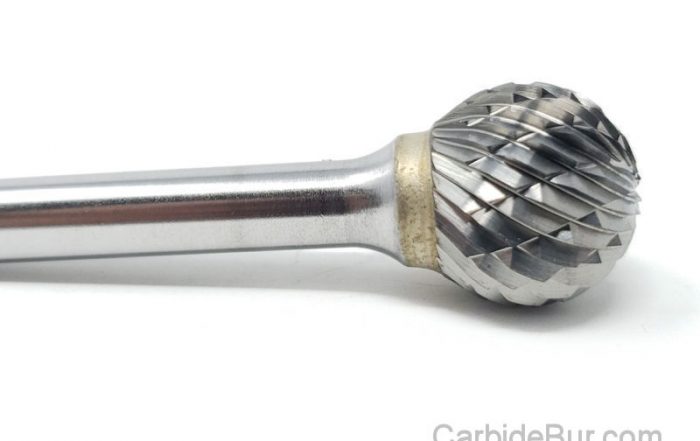
How to Remove Casting Flash With a Carbide Burr
How to Remove Casting Flash With a Carbide Burr Casting flash ruins the look and fit of your metal parts. You’ve tried sanding or grinding, but the results aren’t clean or fast enough. Learning how [...]
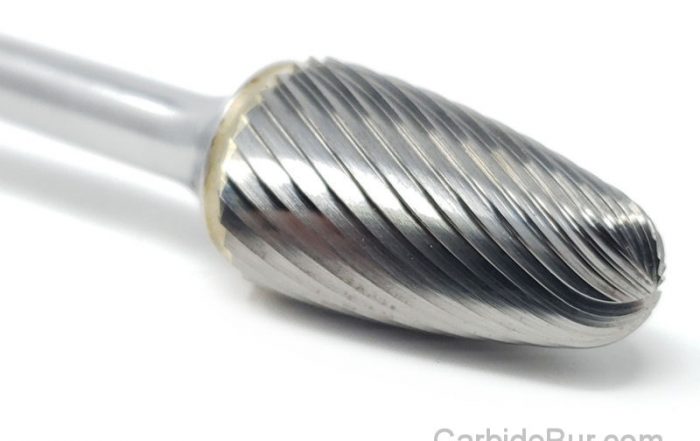
Best Carbide Burr for Enlarging a Hole in Metal
Best Carbide Burr for Enlarging a Hole in Metal When you need to enlarge a hole in metal, grabbing the wrong carbide burr can turn a simple task into a frustrating mess. Picking the best [...]
