
Achieving Perfection: How Carbide Burs Create Polished Welds with Ease
Creating flawless welds is both an art and a science, and achieving that mirror-like finish requires the right tools and techniques. Carbide burs play a crucial role in transforming raw welds into polished masterpieces, offering welders the precision needed to eliminate surface imperfections with ease. These welding tools are designed for durability, ensuring a high-gloss finish that not only enhances the visual appeal but also strengthens the weld’s overall integrity. Whether you’re a seasoned professional or an enthusiastic beginner, understanding how carbide burs contribute to weld durability can elevate your craftsmanship. Join us as we explore the fascinating ways these tools empower you to achieve polished welds that stand out in any project.
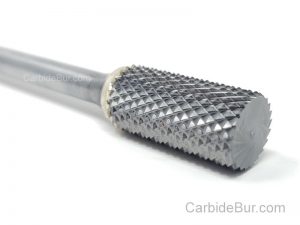
Find more carbide bur die grinder tool bits here
The Power of Carbide Burs
Carbide burs are essential tools in welding, offering versatility and precision. Their ability to refine welds into polished finishes makes them invaluable. In this section, we’ll explore the unique properties of carbide burs and how they eliminate imperfections while creating high-gloss results.
Unique Cutting Properties
Carbide burs stand out due to their unique cutting properties, which are critical for precision welding. These burs are crafted from a blend of tungsten carbide, known for its hardness and ability to maintain sharpness over time. This attribute allows carbide burs to cut through metal with ease, ensuring smooth and clean surfaces.
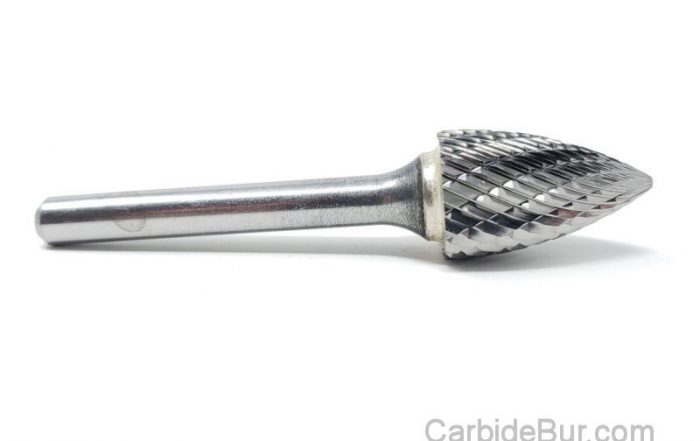
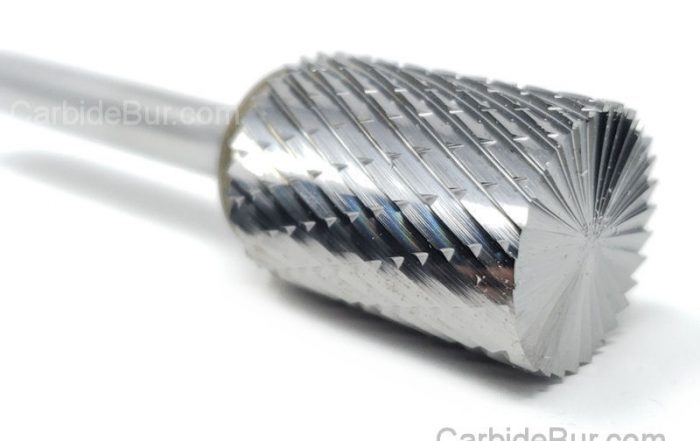
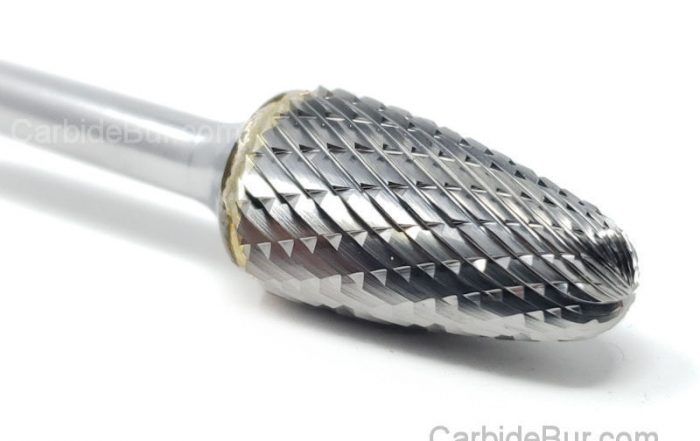
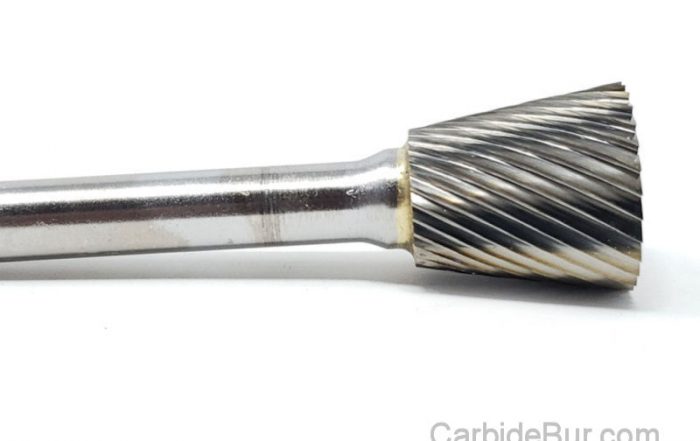
The burs’ cutting efficiency stems from their design. The flutes on a carbide bur determine the cutting action. Double-cut burs provide a smooth finish, while single-cut burs are ideal for aggressive material removal. This versatility makes carbide burs suitable for a variety of welding tasks.
For welders seeking precision, carbide burs offer a reliable solution. They maintain cutting performance even under heavy use, enhancing weld quality. More details on their applications can be found at Carbide Bur.
Eliminating Surface Imperfections
Surface imperfections can mar the quality of welds, but carbide burs effectively address this issue. They are designed to remove burrs, excess welds, and rough edges efficiently, transforming a rough weld into a refined surface.
-
Start by selecting the appropriate bur for the weld material.
-
Use steady, controlled movements to guide the bur along the weld.
-
Regularly check the surface for smoothness and uniformity.
By following these steps, you can achieve a flawless finish. Carbide burs play a vital role in eliminating imperfections, as highlighted at Benchmark Abrasives.
Creating a High-Gloss Finish
Achieving a high-gloss finish elevates the quality of welds, making them visually appealing. Carbide burs are instrumental in this process, providing a polished look that enhances both aesthetics and function.
To create a high-gloss finish, consider these tips:
-
Use a fine-grit carbide bur to smooth the surface.
-
Apply consistent pressure and speed for even polishing.
-
Finish with a buffing pad to enhance the gloss.
A well-polished weld is not only attractive but also indicates a high level of craftsmanship. This technique is explained further at Empire Abrasives.
Enhancing Weld Durability
Carbide burs don’t just improve appearance; they also enhance weld durability. By strengthening and preserving the weld, these tools contribute to the longevity and performance of the finished product.
Strengthening Welds
Strength is paramount in any weld, and carbide burs contribute significantly. By removing weak points like burrs and uneven surfaces, the integrity of the weld is reinforced.
Real-world example:
-
A manufacturing firm reported a 20% increase in weld strength after incorporating carbide burs.
-
Consistent use of these burs led to fewer failures in stress tests.
This improvement underscores the value of carbide burs in professional welding. More insights are available at Carbide Burr.
Long-Lasting Visual Appeal
The visual appeal of a weld often reflects its quality. Carbide burs ensure that the finish remains attractive over time. They help prevent corrosion and wear, maintaining the weld’s aesthetic integrity.
Key aspects to consider:
-
Regular maintenance using carbide burs can preserve the weld’s appearance.
-
A polished finish reduces surface area exposure, minimizing oxidation.
By investing in carbide burs, you enhance both the durability and appearance of your welds. This dual benefit is crucial for projects where both form and function matter.
Essential Tools for Welders
Carbide burs are essential for welders aiming to achieve excellence. Selecting the right burs and employing effective techniques can significantly impact welding outcomes.
Choosing the Right Carbide Burs
Selecting the appropriate carbide bur is crucial for achieving desired results. Consider the material, size, and shape of the bur to match your specific welding needs.
Factors to evaluate:
-
Material compatibility: Ensure the bur is suitable for the metal type.
-
Burr size and shape: Match the bur’s size and shape to the weld contour.
A thoughtful selection process leads to better performance and efficiency. For guidance, visit Carbide Bur.
Techniques for Polished Welds
Mastering the techniques for polished welds requires practice and precision. Follow these steps to achieve professional-quality finishes with carbide burs:
-
Prepare the surface by cleaning and deburring with a coarse bur.
-
Gradually move to finer burs for smoothing.
-
Polish using consistent speed and pressure.
A polished weld represents skill and attention to detail. By implementing these methods, you can achieve outstanding results. For more tips, explore Benchmark Abrasives.
Find more carbide bur die grinder tool bits here
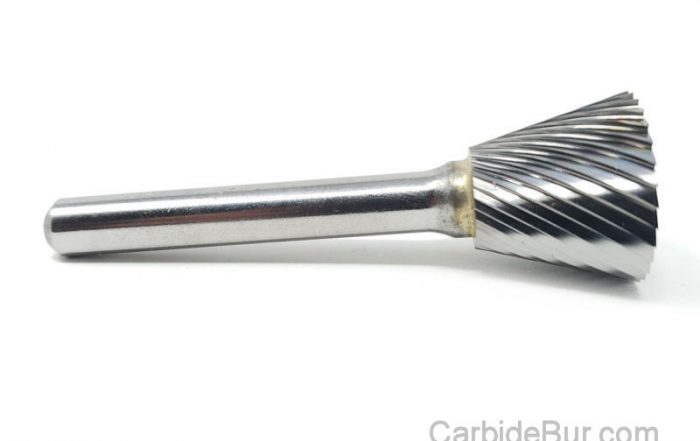
Can You Use Carbide Burrs in a Dremel? Shank Sizes Explained
Can You Use Carbide Burrs in a Dremel? Shank Sizes Explained If you use a Dremel or another rotary tool for detail work, metal shaping, or small fabrication projects, you may wonder whether you can [...]
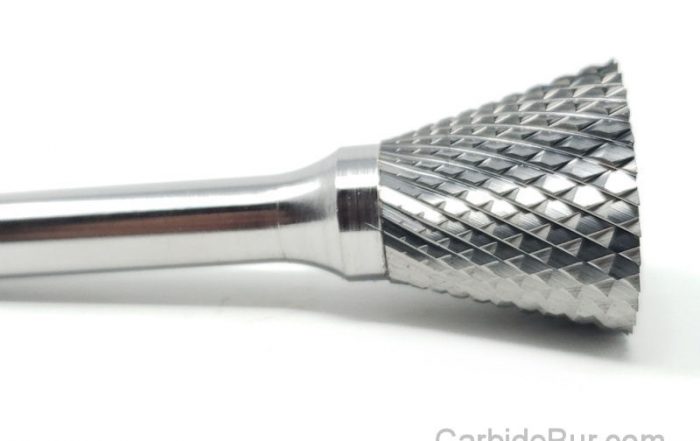
How to Choose the Best Carbide Burr for Welding and Metal Fabrication
How to Choose the Best Carbide Burr for Welding and Metal Fabrication Welding and metal fabrication often require more than joining two pieces of metal together. Once the welding is finished, fabricators frequently need to [...]
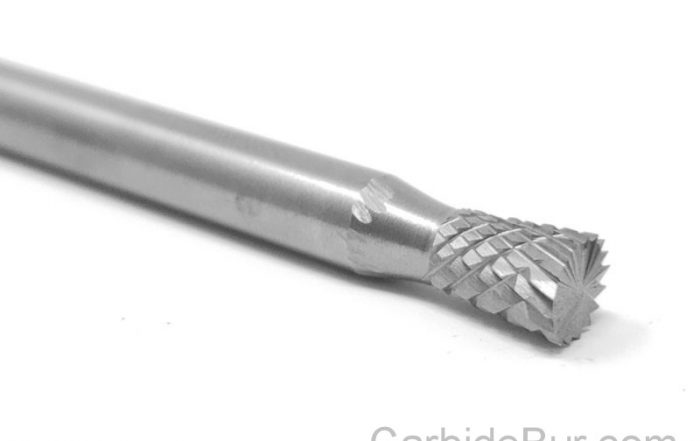
Carbide Burrs for Cylinder Heads: What Automotive Enthusiasts Need to Know
Carbide Burrs for Cylinder Heads: What Automotive Enthusiasts Need to Know Cylinder head work is an important part of engine building, restoration, and performance machining. Whether you are cleaning up casting imperfections, refining port surfaces, [...]
Engine Porting 101: How Carbide Burrs Help Shape Cylinder Head Ports
Engine Porting 101: How Carbide Burrs Help Shape Cylinder Head Ports Engine performance enthusiasts, automotive machinists, and engine builders often look for ways to improve airflow through an engine's cylinder heads. One technique used in [...]
When to Use a 4-Inch or 9-Inch Die Grinder Extension
When to Use a 4-Inch or 9-Inch Die Grinder Extension Metal fabrication, welding, automotive repair, and engine building often require working in places where a standard die grinder and carbide burr cannot easily reach. Recessed [...]
Why Buy USA-Made Carbide Burr Tools? What Buyers Should Compare
Why Buy USA-Made Carbide Burr Tools? What Buyers Should Compare When shopping for carbide burr tools, it's tempting to compare products based on price alone. However, professionals who use rotary cutting tools for welding, metal [...]
How to Use 1/8-Inch Rotary Bits with a Die Grinder
How to Use 1/8-Inch Rotary Bits with a Die Grinder Die grinders are popular tools for metalworking, fabrication, deburring, and precision material removal. However, many die grinders use a 1/4-inch collet, while smaller rotary tools [...]

Can You Use a Carbide Burr With an Electric Die Grinder?
Can You Use a Carbide Burr With an Electric Die Grinder? Most people don’t realize how much a carbide burr can change the way an electric die grinder works. Using the right burr type can [...]
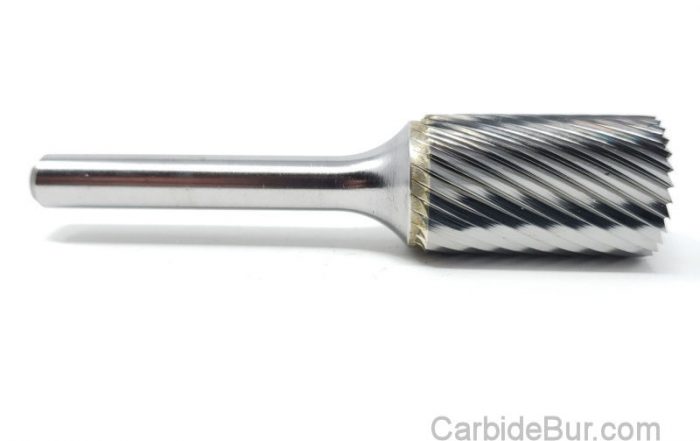
How to Deburr Holes With a Carbide Burr
How to Deburr Holes With a Carbide Burr Most people think any tool will do for deburring holes. The truth is, using the right carbide burr with the correct size and shape changes everything. In [...]
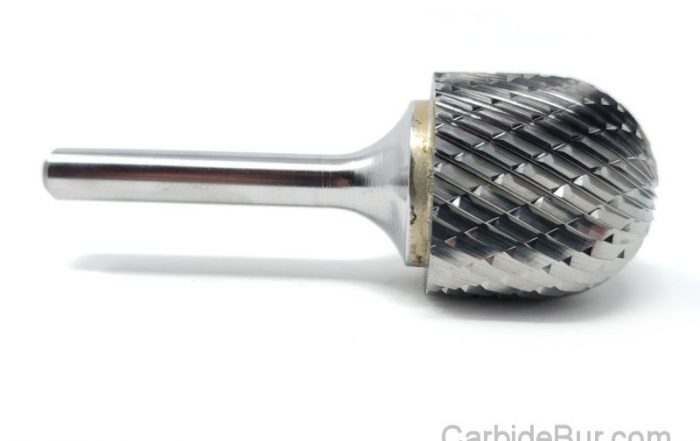
How to Choose the Correct Carbide Burr Shank Size
How to Choose the Correct Carbide Burr Shank Size Many machinists lose hours troubleshooting tool issues caused by the wrong carbide burr shank size. Using a shank that doesn’t fit your grinder can lead to [...]
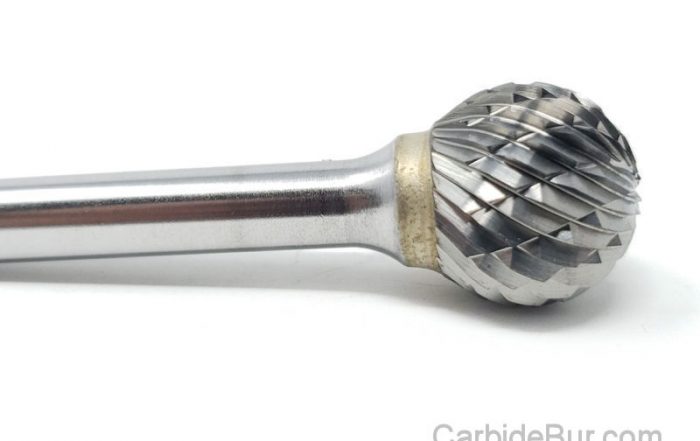
How to Remove Casting Flash With a Carbide Burr
How to Remove Casting Flash With a Carbide Burr Casting flash ruins the look and fit of your metal parts. You’ve tried sanding or grinding, but the results aren’t clean or fast enough. Learning how [...]
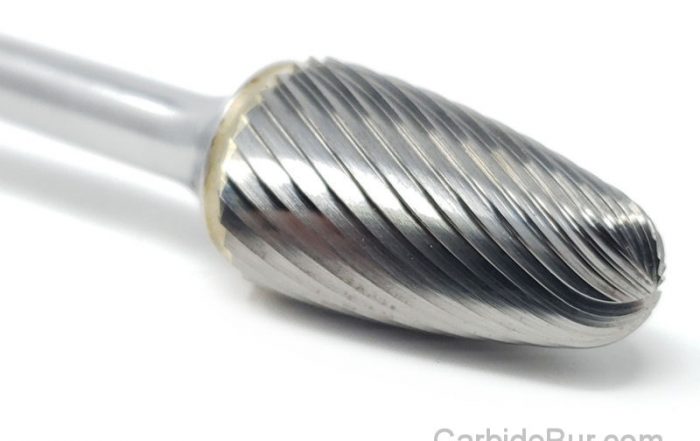
Best Carbide Burr for Enlarging a Hole in Metal
Best Carbide Burr for Enlarging a Hole in Metal When you need to enlarge a hole in metal, grabbing the wrong carbide burr can turn a simple task into a frustrating mess. Picking the best [...]
