
Overcome Fabrication Challenges: Your Guide to Efficient Grinding
Grinding problems slow down more metal fabrication projects than you might expect. Wasting time on the wrong grinding wheels or sketchy techniques can leave your metalwork rough and uneven. This guide shares grinding tips that help you work smarter, keep safety tight, and tackle common fabrication challenges head-on. Stick with us and your metal finishing will get cleaner and your workflow smoother. For more insights, check out this guide.
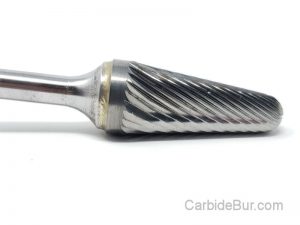
Have you tried using carbide burr tools for your job?
Essential Grinding Techniques
Let’s dive into the core techniques that make grinding effective. These are the key skills that will boost your productivity and refine your metalwork.
Selecting the Right Grinding Wheels
Choosing the right wheel is the first step to improving your grinding. It’s crucial to match the wheel to your project. Different materials and tasks require different wheels. For instance, aluminum oxide wheels work well on steels, while silicon carbide wheels are better for softer metals.
Consider the grit size of the wheel too. Coarse grits remove material fast but can leave a rough surface. Finer grits provide a smoother finish. Use the manufacturer’s guide to help pick the right wheel. Keep your wheels in good condition; they wear out over time and can lose efficiency.
Finally, test different wheels on scrap pieces before starting on your main project. This will save you time and ensure the best results. Check out more about grinding wheels here.
Mastering Proper Grinding Techniques
Technique is everything when it comes to grinding. Hold the grinder at a consistent angle, usually around 15 to 30 degrees. This helps you maintain control and apply even pressure.
Keep your movements steady to avoid gouging the metal. Small, overlapping passes will ensure a smooth, even finish. Remember to let the tool do the work. Pressing too hard can wear out the wheel and tire you out faster.
Always be aware of your surroundings and make use of both hands for better control. Practice makes perfect, so keep refining your technique over time.
Ensuring Metalwork Safety Protocols
Safety should always be your first concern. Proper gear is essential. Wear gloves, goggles, and a face shield to protect from sparks and debris. A dust mask is also important to avoid inhaling harmful particles.
Inspect your tools before use. Check for damage or wear, particularly on cords and plugs. Make sure your workspace is clean and organized to prevent accidents. Secure your workpiece firmly to avoid any unexpected movement.
Stay focused while working. A lapse in concentration can lead to mistakes or injury. Taking regular breaks can help maintain your focus and reduce fatigue. For comprehensive safety guidelines, refer to this resource.
Overcoming Fabrication Challenges
Now that we’ve covered the basics, let’s talk about common obstacles in metal fabrication. Understanding these challenges can help you keep projects on track.

Identifying Common Grinding Issues
Issues like overheating, glazing, or chatter are common but preventable. Overheating can weaken the metal, so keep it cool with a steady flow of coolant. Glazing happens when the wheel becomes smooth and stops cutting effectively. Dress the wheel regularly to keep it sharp.
Chatter is caused by vibration. Make sure your workpiece is securely clamped and that your grinder is in good condition. Keeping tools well-maintained can prevent most of these issues. For more troubleshooting tips, visit this article.
Streamlining Your Metalwork Workflow
Efficiency is key to productivity. Plan your workflow in advance to avoid delays. Start with the coarsest grit and work your way to finer ones. This reduces the time spent on each step.
Organize your tools and materials so everything is within easy reach. This minimizes downtime and keeps you focused. Stay flexible and adjust your plan as needed. A little preparation goes a long way in streamlining your process.
Enhancing Precision and Quality
Precision and quality are what set great metalwork apart. By focusing on these areas, you can create pieces that truly stand out.
Achieving Superior Metal Finishing
Achieving a high-quality finish requires patience and skill. Use finer grits progressively to smooth the surface. Take your time with each pass and keep your movements consistent.
Inspect the surface regularly to ensure evenness. Minor adjustments can often prevent larger issues down the line. Be detail-oriented and strive for perfection. This attention to detail is what makes your work remarkable.
Tools and Techniques for Precision Grinding
Precision grinding requires the right tools and techniques. Invest in high-quality grinders and accessories. These tools last longer and provide better results.
Use jigs and fixtures to keep your workpiece stable. This ensures accuracy and repeatability. Practice different techniques to find what works best for you. Explore forums and communities, like this Facebook group, for tips and advice from fellow enthusiasts.
Safety and Maintenance Considerations
Finally, let’s focus on safety and maintenance. These areas are critical for long-term success and tool longevity.
Best Practices for Grinding Safety
Safety is non-negotiable. Always wear protective gear and follow standard safety protocols. Keep your work area clean to prevent accidents.
Regularly inspect your tools for wear and damage. Replace any parts that are worn out or broken. Never use a tool that feels unsafe or unstable. Staying vigilant is key to preventing accidents.
Maintaining Your Grinding Equipment
Proper maintenance extends the life of your equipment. Clean your tools after each use to remove dust and debris. Check and replace worn parts regularly to maintain performance.
Store your equipment in a dry, secure place to prevent rust and damage. Regularly lubricate moving parts to keep them running smoothly. A little maintenance goes a long way in ensuring your tools are ready when you need them.
By implementing these strategies, you’ll improve your metal fabrication projects dramatically. Focus on precision, maintain your equipment, and always prioritize safety. With practice and patience, you’ll excel in your craft.
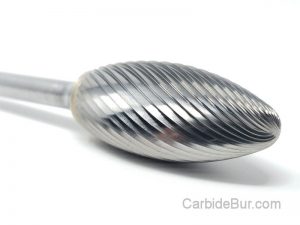
Looking for Carbide Bur Tools?
Check out our entire selection of USA made carbide bur die grinder tool bits
Follow us on Twitter

Return to CarbideBur.com
Carbide Burs – 1/4″ on 1/8″ Shanks – Accessories – Aluminum Cut – Bur Sets – End Mills – Long Shank – Solid Burs
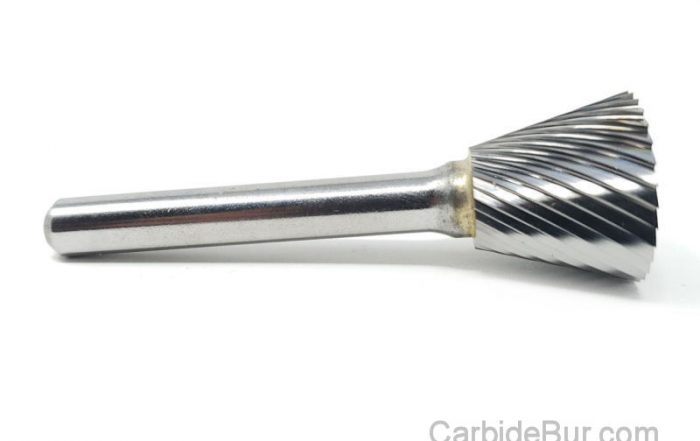
Can You Use Carbide Burrs in a Dremel? Shank Sizes Explained
Can You Use Carbide Burrs in a Dremel? Shank Sizes Explained If you use a Dremel or another rotary tool for detail work, metal shaping, or small fabrication projects, you may wonder whether you can [...]
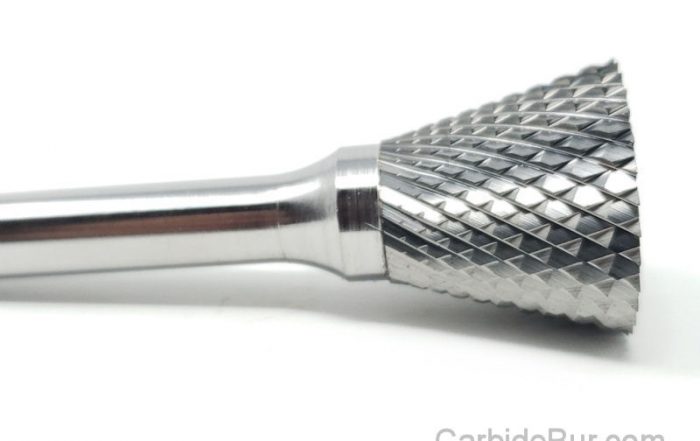
How to Choose the Best Carbide Burr for Welding and Metal Fabrication
How to Choose the Best Carbide Burr for Welding and Metal Fabrication Welding and metal fabrication often require more than joining two pieces of metal together. Once the welding is finished, fabricators frequently need to [...]
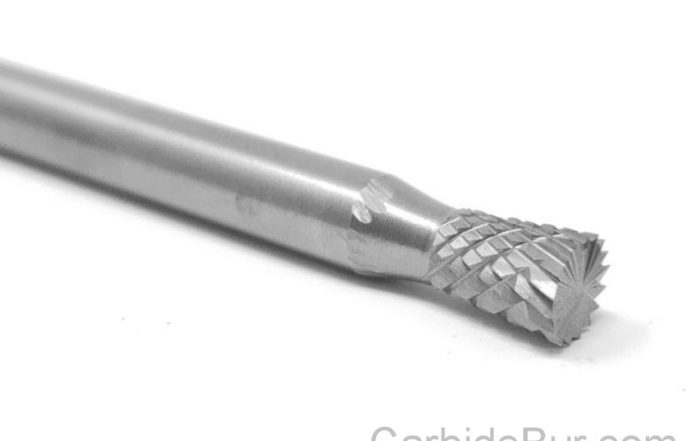
Carbide Burrs for Cylinder Heads: What Automotive Enthusiasts Need to Know
Carbide Burrs for Cylinder Heads: What Automotive Enthusiasts Need to Know Cylinder head work is an important part of engine building, restoration, and performance machining. Whether you are cleaning up casting imperfections, refining port surfaces, [...]
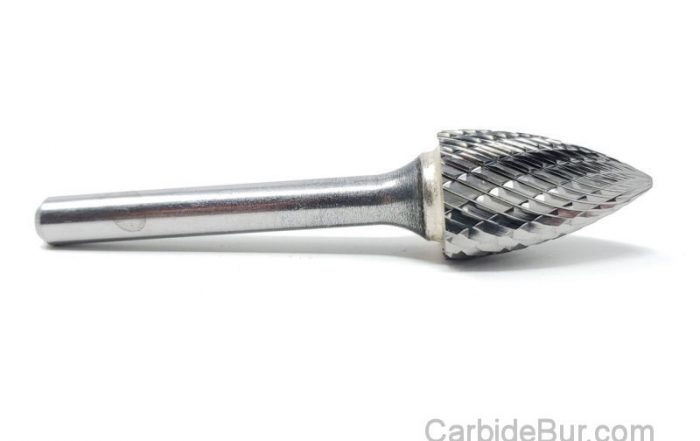
Engine Porting 101: How Carbide Burrs Help Shape Cylinder Head Ports
Engine Porting 101: How Carbide Burrs Help Shape Cylinder Head Ports Engine performance enthusiasts, automotive machinists, and engine builders often look for ways to improve airflow through an engine's cylinder heads. One technique used in [...]
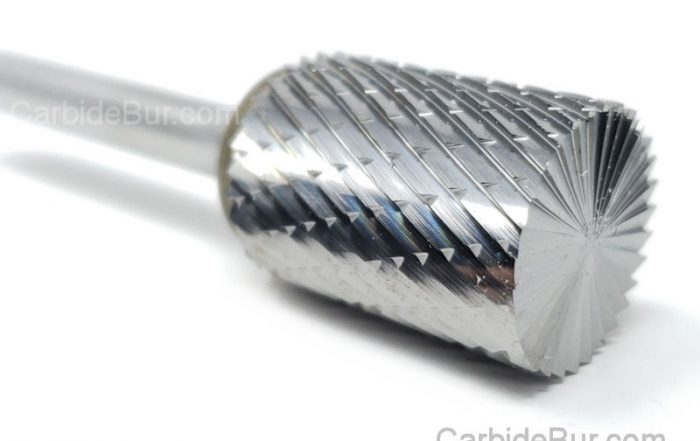
When to Use a 4-Inch or 9-Inch Die Grinder Extension
When to Use a 4-Inch or 9-Inch Die Grinder Extension Metal fabrication, welding, automotive repair, and engine building often require working in places where a standard die grinder and carbide burr cannot easily reach. Recessed [...]
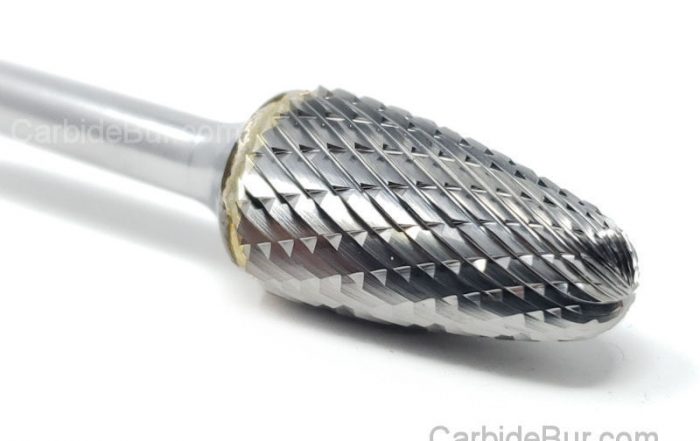
Why Buy USA-Made Carbide Burr Tools? What Buyers Should Compare
Why Buy USA-Made Carbide Burr Tools? What Buyers Should Compare When shopping for carbide burr tools, it's tempting to compare products based on price alone. However, professionals who use rotary cutting tools for welding, metal [...]
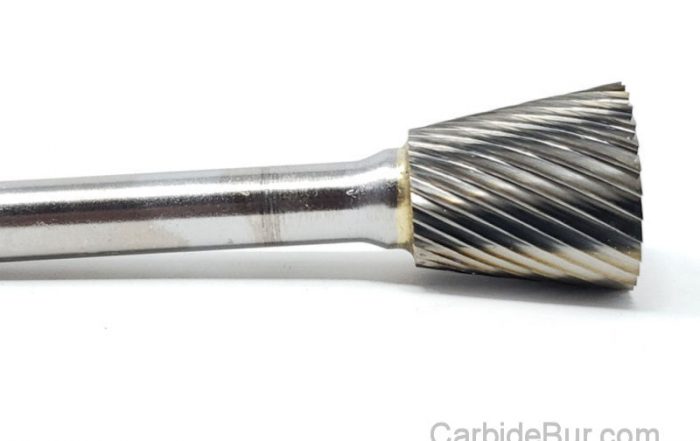
How to Use 1/8-Inch Rotary Bits with a Die Grinder
How to Use 1/8-Inch Rotary Bits with a Die Grinder Die grinders are popular tools for metalworking, fabrication, deburring, and precision material removal. However, many die grinders use a 1/4-inch collet, while smaller rotary tools [...]

Can You Use a Carbide Burr With an Electric Die Grinder?
Can You Use a Carbide Burr With an Electric Die Grinder? Most people don’t realize how much a carbide burr can change the way an electric die grinder works. Using the right burr type can [...]
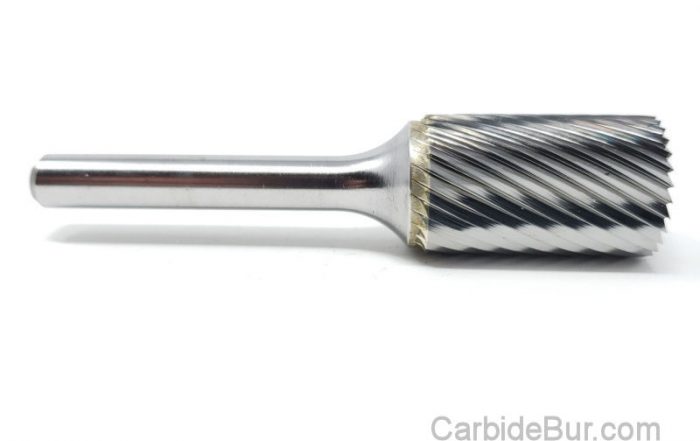
How to Deburr Holes With a Carbide Burr
How to Deburr Holes With a Carbide Burr Most people think any tool will do for deburring holes. The truth is, using the right carbide burr with the correct size and shape changes everything. In [...]
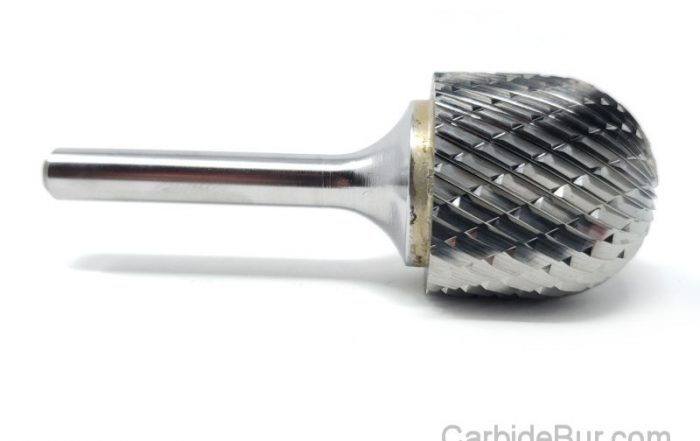
How to Choose the Correct Carbide Burr Shank Size
How to Choose the Correct Carbide Burr Shank Size Many machinists lose hours troubleshooting tool issues caused by the wrong carbide burr shank size. Using a shank that doesn’t fit your grinder can lead to [...]
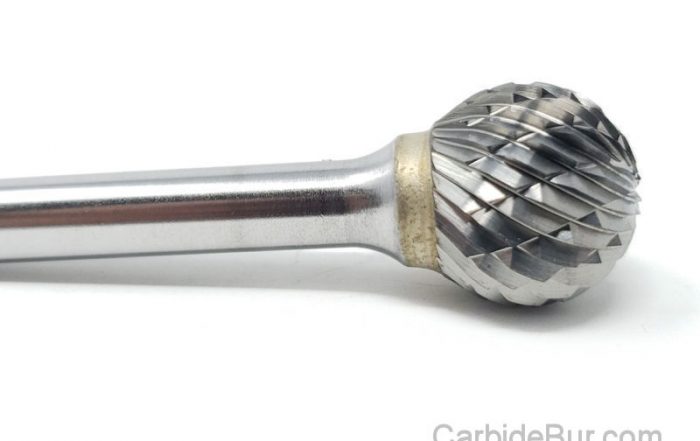
How to Remove Casting Flash With a Carbide Burr
How to Remove Casting Flash With a Carbide Burr Casting flash ruins the look and fit of your metal parts. You’ve tried sanding or grinding, but the results aren’t clean or fast enough. Learning how [...]
Best Carbide Burr for Enlarging a Hole in Metal
Best Carbide Burr for Enlarging a Hole in Metal When you need to enlarge a hole in metal, grabbing the wrong carbide burr can turn a simple task into a frustrating mess. Picking the best [...]
