

How Can A Rotary Burr Cutter Transform Intricate Designs In Your Projects?
Over the years, rotary burr cutters have emerged as necessary tools for achieving detailed and intricate designs in your projects. Whether you are working with wood, metal, or plastics, these versatile cutting tools allow you to create fine details and smooth contours with precision. By understanding their functions and applications, you can significantly enhance the quality of your craftsmanship, making it easier to bring your creative visions to life. Discover how integrating a rotary burr cutter can revolutionize the way you approach detailed work in your projects.
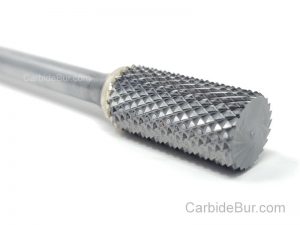
Find more carbide bur die grinder tool bits here
Understanding Rotary Burr Cutters
While commenceing on intricate projects, a rotary burr cutter serves as an important tool that can significantly elevate your craftsmanship. Designed to assist in shaping, carving, and refining various materials, these versatile cutting tools offer precision and control unmatched by traditional methods.
Definition and Features
Across various fields, rotary burr cutters are specialized bits designed to remove material from a workpiece with extraordinary efficiency. Their versatility allows you to use them on different materials, including metal, wood, and plastic. Key features include various shapes, sizes, and materials, enabling you to address specific project needs effectively.
Types of Rotary Burr Cutters
Below are some primary types of rotary burr cutters you may encounter:
| Type | Description |
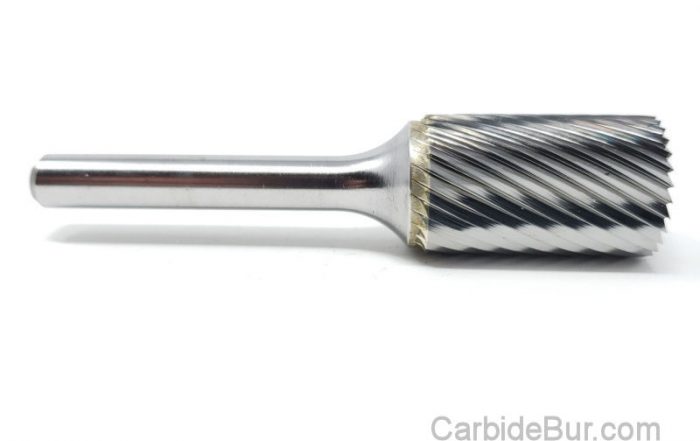
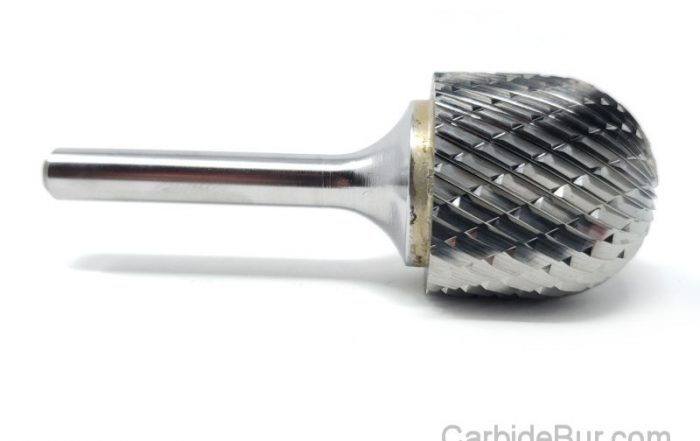
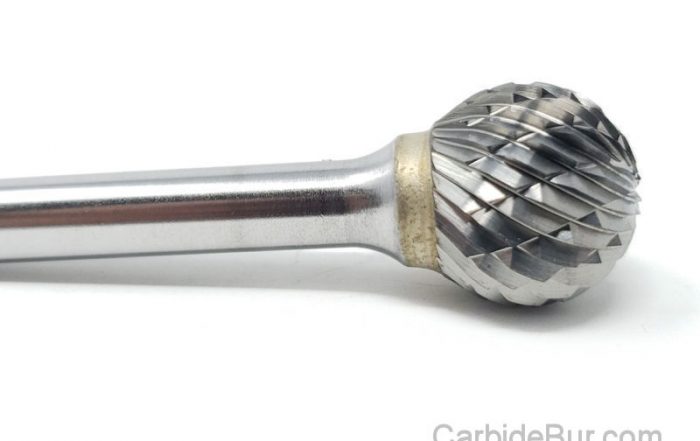
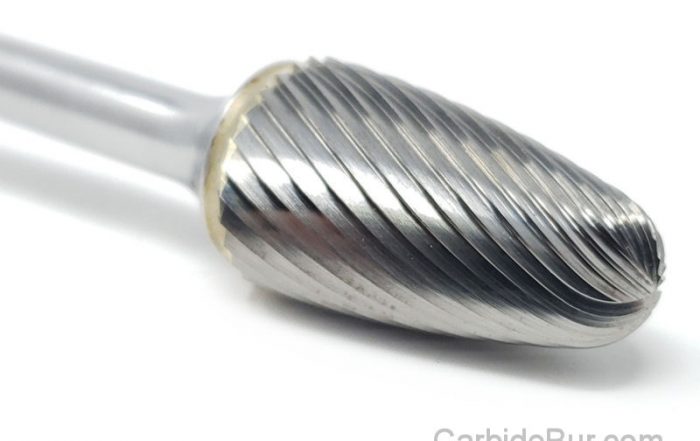
| Ball Nose | Ideal for contouring and creating smooth curves. |
| Flat Tip | Perfect for flat surfaces and intricate detailing. |
| Conical | Excellent for holes and narrow edges. |
| Tree Shaped | Useful for carving and cutting with precision. |
| Egg Shape | Efficient for blending edges in various applications. |
After understanding the different types, you can easily select the right burr cutter for your specific task.
Burr cutters come in various shapes and sizes, each designed for specific functions. Among the choices, the ball nose type is particularly favored for detailed sculpting. The flat tip cutter works well for seamless joints, while conical and tree-shaped varieties excel in tighter spaces. Understanding these distinctions empowers you to optimize your cutting technique.
- Ball Nose: For curves and contours.
- Flat Tip: For detailed and flat surfaces.
- Conical: For precision in narrow areas.
- Tree Shaped: For intricate designs.
- Egg Shape: For smooth blending and transitions.
| Type | Application |
| High-Speed Steel (HSS) | For excellent durability and flexibility. |
| Cemented Carbide | Ideal for tough materials. |
| Diamond Coated | Best for ultra-fine finish in hard materials. |
| Aluminum Oxide | Useful for softer materials. |
| Steel | Good for general applications. |
After familiarizing yourself with the types and applications, you are better equipped to choose a rotary burr cutter that meets the demands of your intricate projects.
Advantages of Using Rotary Burr Cutters
Any project that demands precision and detail can greatly benefit from rotary burr cutters. These versatile tools allow you to create intricate designs with ease, enhancing both your craftsmanship and efficiency. Their ability to tackle various materials further solidifies their place as important equipment in any workshop.
Precision in Intricate Designs
The rotary burr cutter excels in delivering precision, enabling you to achieve intricate designs that were once difficult to realize. Its fine cutting edges provide you with the control needed to navigate complex shapes and details, ensuring your projects reflect your vision with accuracy.
Versatility Across Materials
One of the standout features of rotary burr cutters is their versatility across various materials. Whether you’re working with wood, metal, plastic, or ceramics, these tools adapt to your needs, making them a favorite among craftsmen.
Designs flourish when you can switch between materials without changing tools. With a rotary burr cutter, you can create beautiful engravings in wood, precise cuts in metal, and neat carvings in plastics without hassle. This adaptability allows you to incorporate different textures and elements into your projects, broadening your creative options and boosting your overall effectiveness.
Techniques for Effective Use
If you want to make the most of your rotary burr cutter, employing the right techniques can significantly enhance your results. Start by securing your workpiece firmly to prevent movement, and always maintain a steady hand to control the tool’s motion. Utilize varying speeds depending on the material you are working with, and practice consistently to hone your skills. Choose the right angle and depth for each cut to achieve the desired detail and finish in your intricate designs.
Choosing the Right Burr for Your Project
About selecting the appropriate burr, consider the material you will be working with and the specific details you aim to achieve. Different shapes and sizes of burrs serve various purposes; for instance, tapered burrs are ideal for detailed work, while ball-shaped burrs are perfect for larger projects. Assessing your project’s requirements will lead you to the most effective choice.
Best Practices for Operation
One of the best practices for operating a rotary burr cutter is to maintain a consistent speed while working. This ensures even cuts and reduces the chances of burning or damaging the material. Always start with a light touch, gradually increasing pressure as you become more comfortable with the tool. Keeping your cutting area clean and free from debris will also enhance visibility and precision as you work on intricate designs.
In addition to maintaining a consistent speed, ensure you periodically check the burr for wear and tear. A dull cutter can lead to uneven results and may require extra effort, which can compromise precision. Use proper eye protection and ventilation while operating to safeguard your health. Familiarizing yourself with the tool’s capabilities and practicing on scrap material can build your confidence and skill level, allowing you to focus on executing intricate designs effectively.
Applications in Various Industries
All industries benefit from the precision and versatility offered by rotary burr cutters. They streamline processes, enabling you to achieve intricate designs that were once time-consuming or challenging. From automotive to jewelry making, these tools enhance your ability to work with various materials effectively, delivering high-quality results across diverse applications.
Woodworking
For woodworking enthusiasts and professionals alike, rotary burr cutters are indispensable tools for creating detailed patterns and fine finishes on wood projects. Whether you are shaping, carving, or engraving, these cutters enable you to add intricate designs that enhance the aesthetic appeal and functionality of your wooden creations.
Metalworking
Among metalworking tasks, rotary burr cutters are important for refining edges, creating precise grooves, and removing excess material. They allow you to achieve accuracy in your designs while working with various metals, including aluminum, steel, and brass. Their adaptability makes them a favorite among metal fabricators and machinists.
Consequently, using rotary burr cutters in metalworking not only improves the quality of your projects but also speeds up the machining process. These tools can be easily swapped out for different shapes and sizes, allowing you to tackle a variety of tasks with ease. By incorporating them into your workflow, you can significantly enhance detail and finish, providing professional-level results every time.
Maintenance and Care for Longevity
Keep your rotary burr cutter in optimal condition through regular maintenance and care practices. Ensure that you are using the right speed and pressure during operation, as excessive force can lead to premature wear. Regularly inspect your tools for any signs of damage or dullness, and take appropriate action to maintain their cutting efficiency. By prioritizing maintenance, you can extend the lifespan of your rotary burr cutter, allowing you to continue creating intricate designs in your projects.
Cleaning Techniques
Along with maintenance, cleaning your rotary burr cutter is crucial to prevent debris buildup that can compromise performance. After each use, clean the cutter with a soft brush or compressed air to remove wood chips and dust, ensuring that the cutting surfaces remain free from contamination. For deeper cleaning, you may use a mild soap solution and a cloth, but ensure it is thoroughly dried before storing to avoid rust.
Proper Storage Solutions
Any time you finish working with your rotary burr cutter, it’s crucial to store it properly to maintain its quality and longevity. Avoid tossing it unprotected in a toolbox. Instead, use dedicated storage cases or pouches that safely hold the cutter in place, preventing it from colliding with other tools. Storing your cutter in a dry, cool environment further helps to protect against moisture and corrosion, ensuring it’s ready for your next project.
Understanding how to store your rotary burr cutter properly can significantly impact its durability. When you store the tool in a designated case, it not only keeps it protected from physical damage but also ensures that its cutting edges remain sharp. Additionally, consider labeling storage containers or compartments. This practice allows for easy access and organization, so your rotary burr cutter is always within reach when creativity strikes. Take the time to invest in proper storage – your tools will thank you.
Common Mistakes and How to Avoid Them
After mastering the basics of using a rotary burr cutter, many users encounter common mistakes that can hinder their project’s quality. By being aware of these pitfalls, you can enhance your craftsmanship and create more intricate designs. This guide will help you identify what to watch out for and how to steer clear of these issues in your work.
Incorrect Speed Settings
Common errors in speed settings can lead to poor results. Each material requires a specific speed for effective cutting; too fast can burn your material, while too slow can damage the burr. Always consult your burr’s guidelines for optimal speed.
Using the Wrong Burr Type
At times, selecting the wrong burr for your project can lead to unsatisfactory results. Different types of burrs serve varying purposes, and using an inappropriate one may cause uneven cuts or excessive wear on your tool.
This decision can significantly impact the quality of your work. For instance, using a coarse burr when finer details are needed may obliterate the intricacies of your design. Conversely, a fine burr might not be aggressive enough for tougher materials, leading to frustration and wasted time. To avoid these issues, always match the burr type to your material and the level of detail required for your specific project.
To wrap up
Ultimately, a rotary burr cutter can significantly enhance your ability to create intricate designs in your projects. By offering precision and versatility, these tools enable you to carve, shape, and refine materials with ease, allowing for a higher level of detail in your work. Whether you are a seasoned craftsman or a hobbyist, incorporating a rotary burr cutter into your toolkit empowers you to achieve stunning results and bring your creative visions to life effectively.
Find more carbide bur die grinder tool bits here
When to Use a 4-Inch or 9-Inch Die Grinder Extension
When to Use a 4-Inch or 9-Inch Die Grinder Extension Metal fabrication, welding, automotive repair, and engine building often require working in places where a standard die grinder and carbide burr cannot easily reach. Recessed [...]
Why Buy USA-Made Carbide Burr Tools? What Buyers Should Compare
Why Buy USA-Made Carbide Burr Tools? What Buyers Should Compare When shopping for carbide burr tools, it's tempting to compare products based on price alone. However, professionals who use rotary cutting tools for welding, metal [...]
How to Use 1/8-Inch Rotary Bits with a Die Grinder
How to Use 1/8-Inch Rotary Bits with a Die Grinder Die grinders are popular tools for metalworking, fabrication, deburring, and precision material removal. However, many die grinders use a 1/4-inch collet, while smaller rotary tools [...]

Can You Use a Carbide Burr With an Electric Die Grinder?
Can You Use a Carbide Burr With an Electric Die Grinder? Most people don’t realize how much a carbide burr can change the way an electric die grinder works. Using the right burr type can [...]
How to Deburr Holes With a Carbide Burr
How to Deburr Holes With a Carbide Burr Most people think any tool will do for deburring holes. The truth is, using the right carbide burr with the correct size and shape changes everything. In [...]
How to Choose the Correct Carbide Burr Shank Size
How to Choose the Correct Carbide Burr Shank Size Many machinists lose hours troubleshooting tool issues caused by the wrong carbide burr shank size. Using a shank that doesn’t fit your grinder can lead to [...]
How to Remove Casting Flash With a Carbide Burr
How to Remove Casting Flash With a Carbide Burr Casting flash ruins the look and fit of your metal parts. You’ve tried sanding or grinding, but the results aren’t clean or fast enough. Learning how [...]
Best Carbide Burr for Enlarging a Hole in Metal
Best Carbide Burr for Enlarging a Hole in Metal When you need to enlarge a hole in metal, grabbing the wrong carbide burr can turn a simple task into a frustrating mess. Picking the best [...]
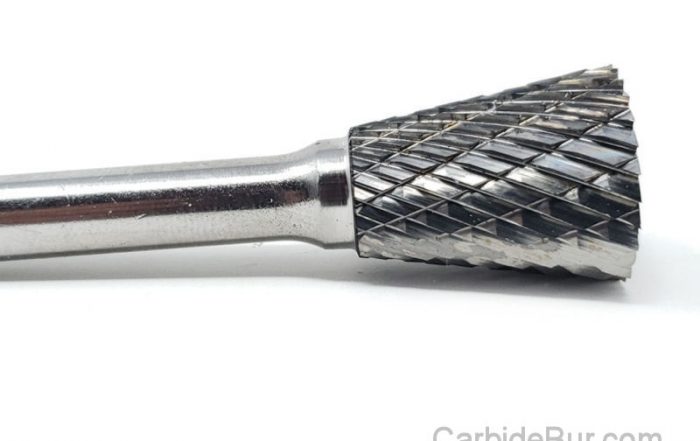
Carbide Burr Safety: 15 Mistakes That Can Cause Injury or Damage
Carbide Burr Safety: 15 Mistakes That Can Cause Injury or Damage Carbide burr safety is often overlooked until a costly mistake happens. Many metalworkers and DIYers make the same errors that lead to injuries or [...]
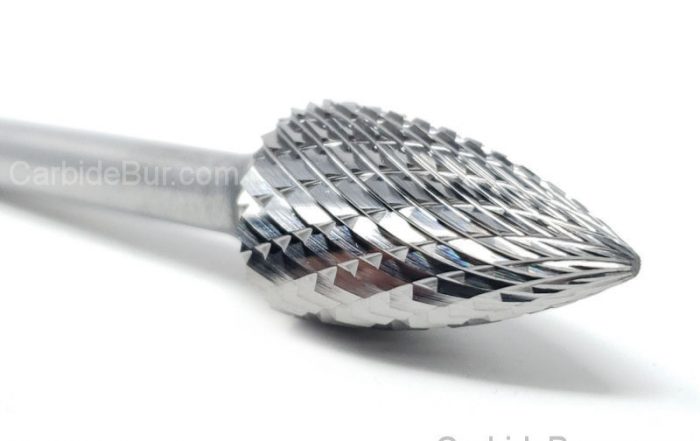
Can You Use a Carbide Burr in a Drill?
Can You Use a Carbide Burr in a Drill? Most people think a standard drill can’t handle a carbide burr, but that’s not true. Using carbide burr in the right drill can speed up your [...]
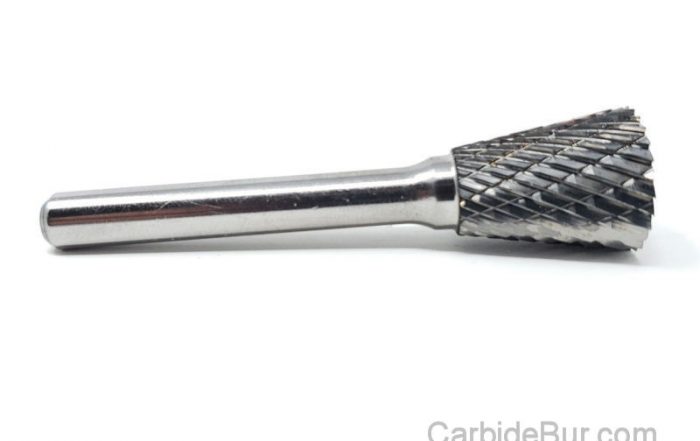
Carbide Burrs for Removing Rust: What Works Best?
Carbide Burrs for Removing Rust: What Works Best? Rust can turn your favorite tools into useless junk faster than you expect. Removing it without ruining the metal underneath takes more than just elbow grease—it demands [...]
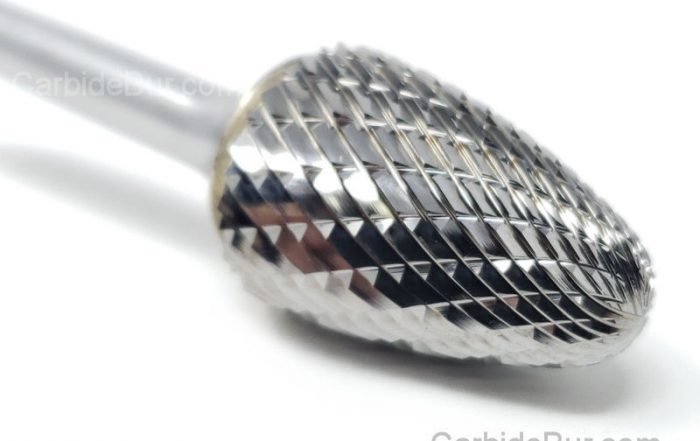
How Much Pressure Should You Use With a Carbide Burr?
How Much Pressure Should You Use With a Carbide Burr? Most people think pressing harder with a carbide burr speeds up the job. That’s not true—too much pressure wears out your tool and ruins the [...]
