
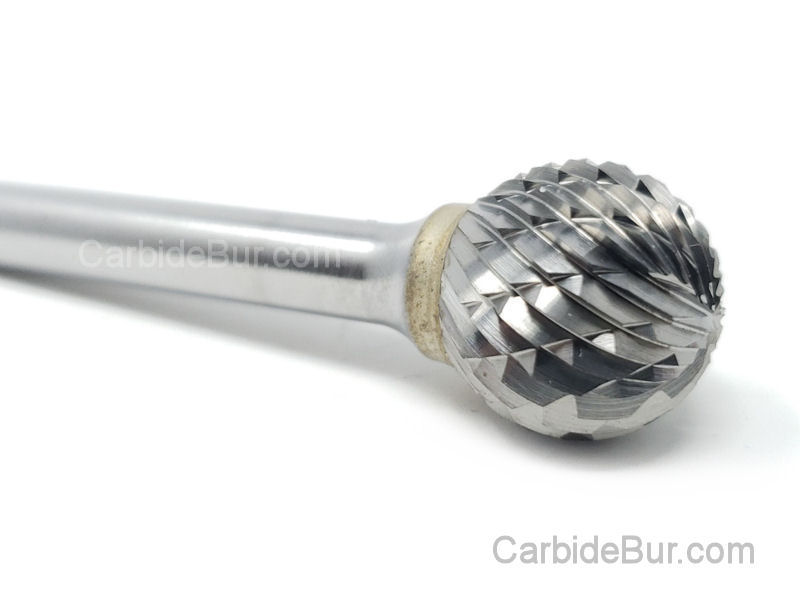
How to Choose Between Coarse and Fine Carbide Burs
Choosing the right carbide burs is crucial for craftsmen and DIY enthusiasts striving for precision and efficiency in their projects. The decision between coarse carbide burs and fine carbide burs hinges on the specific needs of the task at hand, with each offering unique benefits. Coarse carbide burs are exceptional for rapid material removal and shaping, making them indispensable for larger projects and rough cuts. In contrast, fine carbide burs are perfect for delicate finishing touches, allowing for intricate detailing and smooth surfaces. This post will guide you through a comprehensive carbide burs comparison, highlighting how the synergistic effects of burs can enhance your craftsmanship tools, ultimately elevating the quality and speed of your work.
Understanding Carbide Burs
Carbide burs are essential tools in the toolkit of craftsmen, woodworkers, and metalworkers. They come in different types, primarily coarse and fine, each suited for specific tasks. Understanding these differences is crucial for choosing the right tool for your project.
Coarse vs. Fine Carbide Burs
Coarse carbide burs are designed for heavy-duty tasks. They are perfect for removing large amounts of material quickly, making them ideal for initial shaping and cutting.
Fine carbide burs, on the other hand, are meant for detailed work. They allow craftsmen to achieve intricate designs and smooth finishes. For more about these burs, visit Carbide Burr.
The choice depends on the project requirements, with each type serving a distinct role in the process. A good comparison can be found at Konetool.
Craftsmanship Tools and Efficiency
Craftsmanship tools like carbide burs are central to efficient workflow in various crafts and trades. Using the right type ensures that tasks are completed faster and with higher precision.
The efficiency of these tools comes from their design and material. For instance, tungsten carbide, a key material in these burs, offers durability and sharpness. This translates into less frequent tool changes and longer service life. Learn more about using these tools at Dental Bur.
Efficiency also comes from understanding how to effectively use coarse and fine burs together. Their combined use can enhance the quality of work and reduce the time spent on projects.
Advantages of Coarse Carbide Burs
Coarse carbide burs are invaluable for tasks that require extensive material removal and shaping. Their design and application make them an indispensable part of any craftsman’s collection.
Rapid Material Removal
Rapid material removal is where coarse carbide burs shine. They are engineered to cut through material quickly, saving time and effort.
-
Start with selecting the right coarse bur for your material.
-
Ensure the bur is securely attached to your rotary tool.
-
Apply consistent pressure and allow the bur to do the work.
The efficiency in removing large sections is unmatched, making these burs essential for initial stages of work. For additional insights, check Carbide Bur.
Shaping Large Areas
When it comes to shaping large areas, coarse burs are the go-to choice. They provide the ability to carve and shape efficiently without sacrificing control.
-
Offer greater surface area contact.
-
Reduce overall project time.
-
Enhance the ability to achieve rough forms before fine detailing.
This capability ensures that projects move smoothly from rough cuts to more refined stages.
Benefits of Fine Carbide Burs
Fine carbide burs excel in situations demanding precision and a high level of detail. They complement coarse burs by finishing what they start.
Achieving Finer Details
For finer details, fine carbide burs are indispensable. They allow for the meticulous detailing needed in advanced craftsmanship.
-
Enable intricate designs with precision.
-
Provide a smooth finish to surfaces.
-
Essential for tasks requiring close attention to detail.
The importance of these burs cannot be overstated in achieving high-quality finishes. For more on this, visit Carbide Burr.
Finishing Tools for Precision
As finishing tools, fine carbide burs offer unparalleled precision. They refine and smooth out the work initiated by coarse burs.
-
Smooth out rough edges left by previous stages.
-
Provide a polished final touch to projects.
-
Ensure the highest level of craftsmanship quality.
The ability to transition seamlessly from rough shaping to fine detailing is what makes these burs vital. For further reading, check Dental Bur.
Find more carbide bur die grinder tool bits here
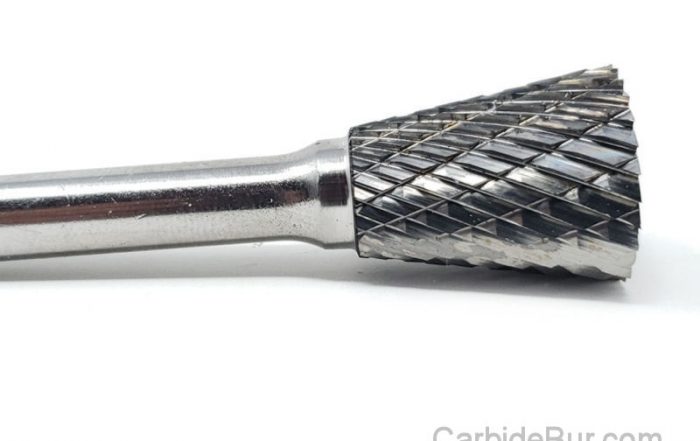
Carbide Burr Safety: 15 Mistakes That Can Cause Injury or Damage
Carbide Burr Safety: 15 Mistakes That Can Cause Injury or Damage Carbide burr safety is often overlooked until a costly mistake happens. Many metalworkers and DIYers make the same errors that lead to injuries or [...]
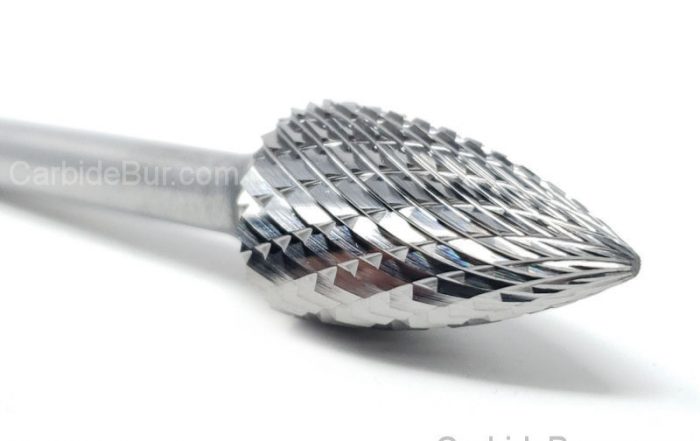
Can You Use a Carbide Burr in a Drill?
Can You Use a Carbide Burr in a Drill? Most people think a standard drill can’t handle a carbide burr, but that’s not true. Using carbide burr in the right drill can speed up your [...]
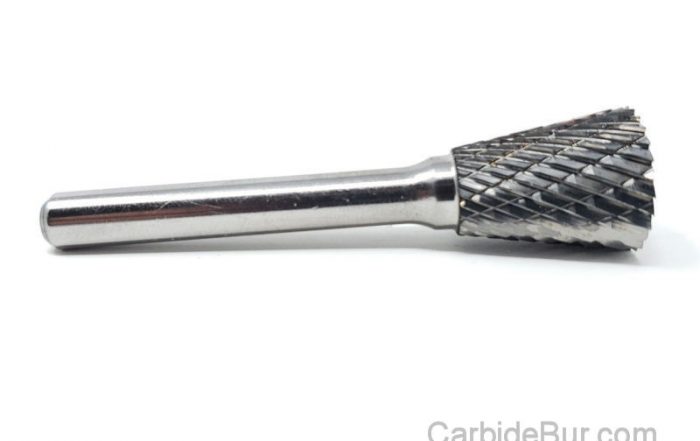
Carbide Burrs for Removing Rust: What Works Best?
Carbide Burrs for Removing Rust: What Works Best? Rust can turn your favorite tools into useless junk faster than you expect. Removing it without ruining the metal underneath takes more than just elbow grease—it demands [...]
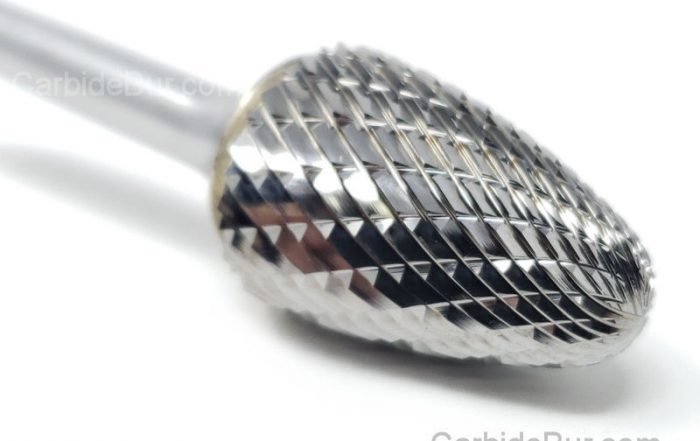
How Much Pressure Should You Use With a Carbide Burr?
How Much Pressure Should You Use With a Carbide Burr? Most people think pressing harder with a carbide burr speeds up the job. That’s not true—too much pressure wears out your tool and ruins the [...]
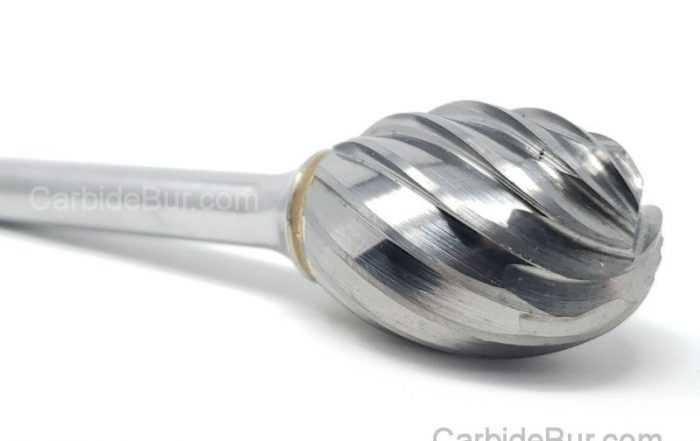
Can You Use Carbide Burrs With an Air Die Grinder?
Can You Use Carbide Burrs With an Air Die Grinder? Most people don’t realize how well carbide burrs work with air die grinders until they try them. If you’ve ever struggled with finding the right [...]
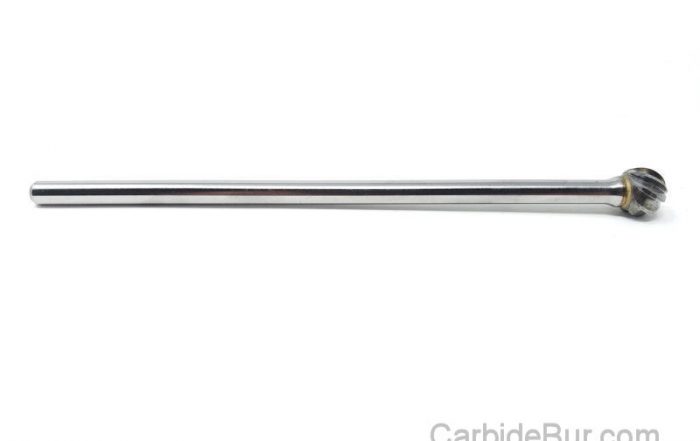
Best Long Reach Carbide Burr for Deep Metal Work
Best Long Reach Carbide Burr for Deep Metal Work Long reach carbide burrs often promise deep metal access, but many fall short where it counts most. You need a tool that cuts cleanly, lasts through [...]
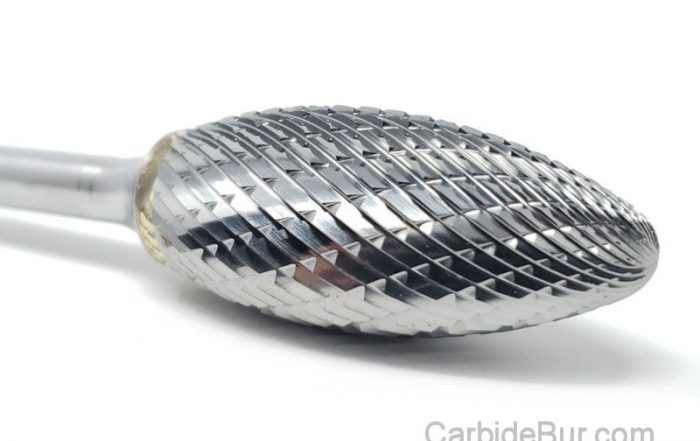
What RPM Should You Use for a 1/8 Inch Carbide Burr?
What RPM Should You Use for a 1/8 Inch Carbide Burr? Most people guess the right carbide burr RPM by feel—and waste hours redoing work. If you want cleaner cuts and longer tool life, your [...]
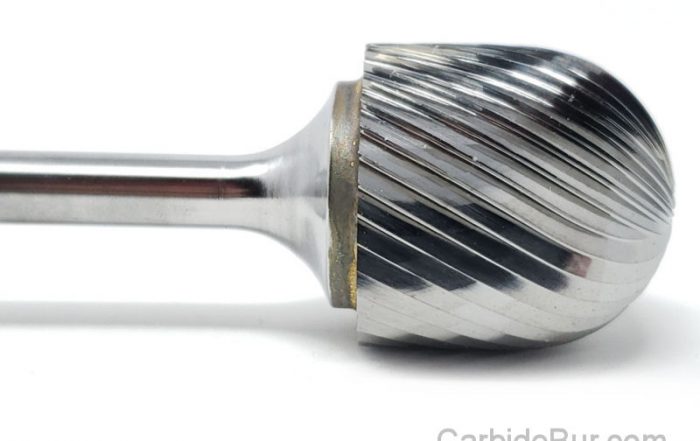
Carbide Burrs for Tight Spaces: Choosing the Right Shape
Carbide Burrs for Tight Spaces: Choosing the Right Shape Tackling tight spaces with the wrong carbide burrs wastes time and risks damaging your work. Choosing the right burr shape makes all the difference when working [...]
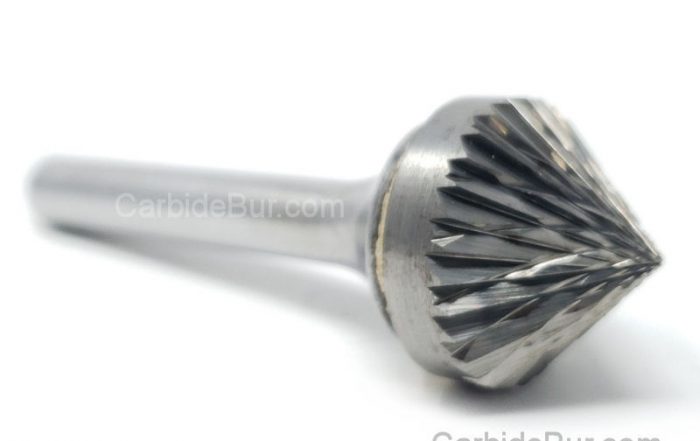
Can Carbide Burrs Remove Paint From Metal?
Can Carbide Burrs Remove Paint From Metal? Stripping paint from metal often feels like a tough chore that risks damaging the surface underneath. Many turn to carbide burrs hoping they can speed things up without [...]
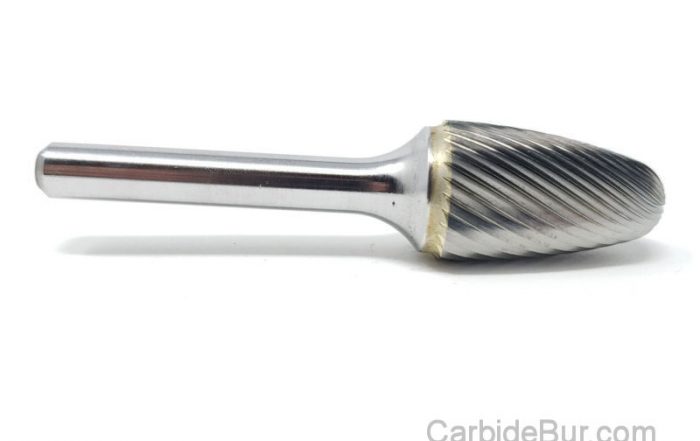
How to Grind a Groove in Metal With a Carbide Burr
How to Grind a Groove in Metal With a Carbide Burr Most metalworkers struggle to cut clean grooves without wasting time or ruining their workpiece. Many try different metalworking tools but end up with uneven [...]
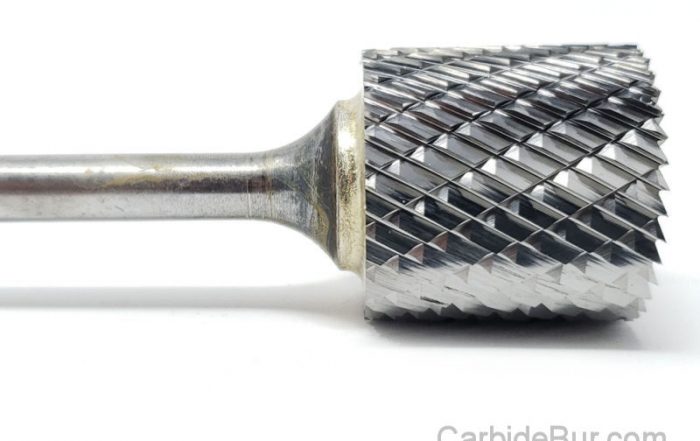
Can Carbide Burrs Cut Through Welds?
Can Carbide Burrs Cut Through Welds? Cutting through welds can feel like a battle, especially when you need clean results without harming the base metal. Carbide burrs offer a sharp edge in this fight, but [...]
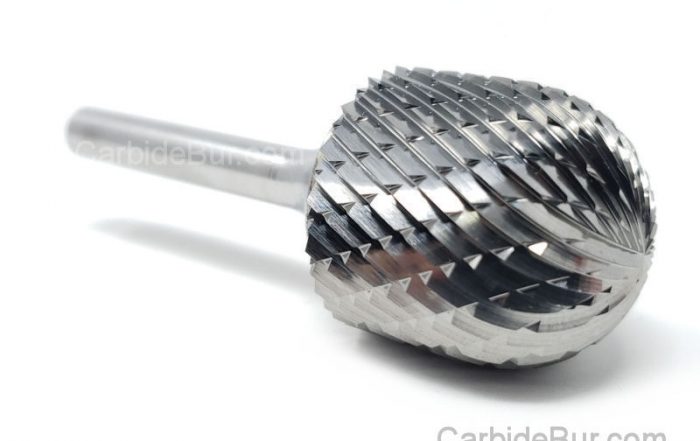
How to Use a Carbide Burr With a Die Grinder
How to Use a Carbide Burr With a Die Grinder Most people treat a carbide burr like just another tool, but using it with a die grinder takes skill. If you’ve struggled with burr installation [...]
