
Mastering Weld Precision: The Role of Carbide Burs in Perfecting Your Work
Precision welding is an art that requires not only skill but the right tools to achieve flawless results. Carbide burs are essential in the pursuit of perfect welds, offering unmatched precision in removing weld imperfections like slag and spatter. These tools are designed to refine uneven welds with ease, providing sharp, durable edges that make fast work of material removal. By ensuring a smooth surface finish, carbide burs enhance both the aesthetic and structural integrity of your projects. In this post, we’ll explore how these indispensable welding tools can elevate your craftsmanship, helping you maintain high standards and confidence in your work. To learn more about the role of carbide burs, visit here.
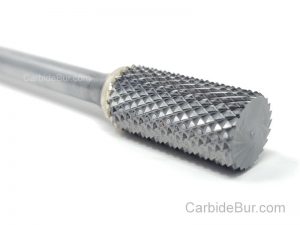
Find more carbide bur die grinder tool bits here
The Precision of Carbide Burs
Carbide burs are highly valued in welding for their precision and efficiency. These tools are crafted to enhance the accuracy of your work, tackling common welding imperfections with ease. They provide a clean and smooth finish, which is essential for both aesthetic appeal and structural durability. In this section, we will delve into how carbide burs contribute to enhanced welding accuracy and effective handling of weld imperfections.
Enhancing Welding Accuracy
Carbide burs are designed to assist welders in achieving high levels of welding accuracy. Their construction allows for precise control, enabling meticulous finishing work that ordinary tools can’t match.
-
Choose the correct bur shape to suit your welding task. Selecting the right shape enhances control and precision.
-
Maintain the right speed while operating the bur. Speed impacts the quality of the finish.
-
Regularly inspect and clean the burs to ensure they are in optimal condition.
For more on how carbide burs improve accuracy, visit Cobra Carbide.
Tackling Weld Imperfections
Handling weld imperfections is crucial for quality work. Carbide burs are especially effective in removing common issues such as slag and spatter. Their sharp edges allow for precise removal, ensuring a clean and polished weld.
-
Slag removal becomes straightforward, as these burs can penetrate and remove unwanted material efficiently.
-
Spatter removal helps achieve a smooth finish, crucial for both functionality and aesthetics.
-
Regular use of carbide burs contributes to maintaining high standards in welding projects.
Learn more about how carbide burs tackle imperfections at Carbide Burr.
Effective Material Removal Techniques
Material removal is a significant part of welding, and carbide burs excel in this area. They ensure that excess material is removed efficiently, leaving behind a polished surface. This section will explore techniques for removing slag and spatter while achieving a smooth surface finish.
Slag and Spatter Removal
Removing slag and spatter is essential for any welding process. Carbide burs efficiently handle this task by providing precise and clean cuts.
-
Identify areas with excess slag or spatter. Visual inspection helps in locating these imperfections.
-
Employ carbide burs at optimal angles to remove unwanted material without damaging the weld.
-
Regularly check the surface finish to ensure smoothness and quality.
Effective removal of slag and spatter can significantly enhance your project. Discover more about efficient removal techniques at Carbide Burr.
Achieving a Smooth Surface Finish
Achieving a smooth surface finish is a hallmark of quality welding. Carbide burs play a pivotal role in this, helping to refine the final product to exact specifications.
-
Maintain consistent pressure while using the bur to ensure an even finish.
-
Use appropriate burs for different surface contours. Different shapes are suited to various tasks.
-
Inspect the work frequently to achieve a flawless finish.
For tips on achieving a smooth finish, check out Carbide Burr.
Structural Integrity and Aesthetic Quality
The structural integrity and aesthetic quality of a weld are paramount. Carbide burs can significantly enhance these attributes by allowing welders to perfect their techniques. This section covers how to perfect welding techniques and maintain high standards with carbide burs.
Perfecting Welding Techniques
Perfecting your welding techniques involves using the right tools, like carbide burs. Their precision ensures high-quality results every time.
-
Practice different techniques to find what best suits your style and projects.
-
Use carbide burs to refine your work, ensuring that every weld is smooth and strong.
-
Continuously evaluate and adjust your methods for improvement.
Explore more about perfecting techniques at Cobra Carbide.
Maintaining High Standards
Maintaining high standards in welding is crucial for delivering quality work. Carbide burs help ensure that you meet these standards consistently.
-
Use carbide burs to regularly check and refine welds.
-
Ensure that all welds meet aesthetic and functional requirements.
-
Keep tools well-maintained to avoid compromising work quality.
To learn more about maintaining standards, visit Carbide Bur.
Find more carbide bur die grinder tool bits here
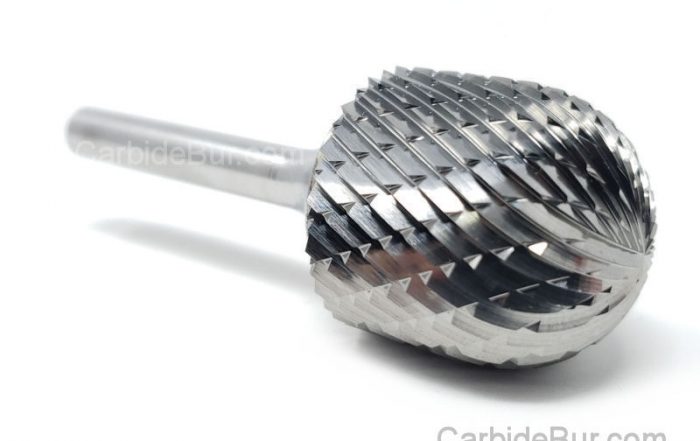
How to Use a Carbide Burr With a Die Grinder
How to Use a Carbide Burr With a Die Grinder Most people treat a carbide burr like just another tool, but using it with a die grinder takes skill. If you’ve struggled with burr installation [...]
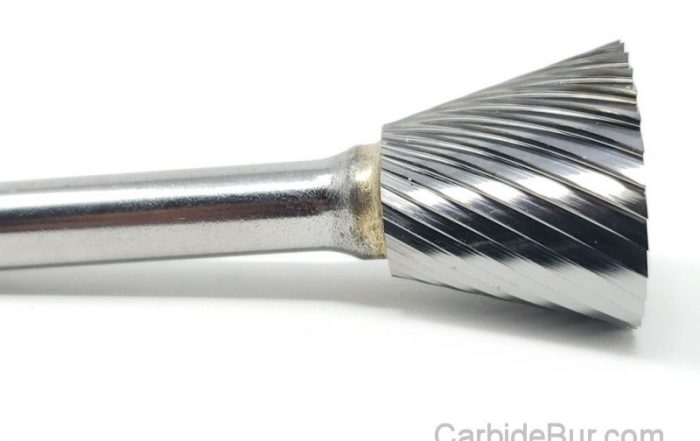
1/8 vs 1/4 Inch Carbide Burrs: What’s the Difference?
1/8 vs 1/4 Inch Carbide Burrs: What's the Difference? Choosing between a 1/8 inch carbide burr and a 1/4 inch carbide burr can change how your project turns out. Many machinists and hobbyists overlook how [...]
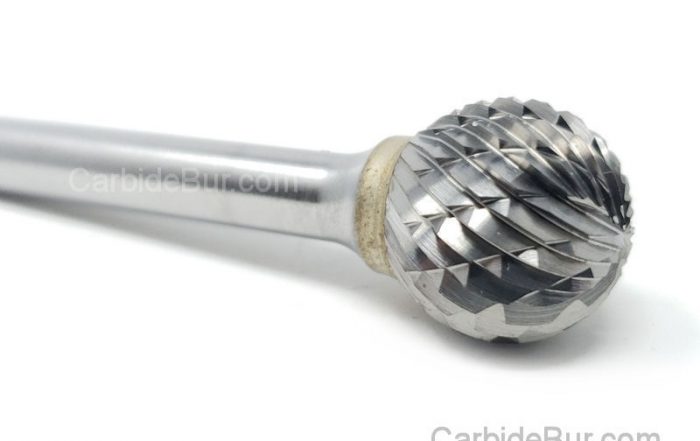
Best Carbide Burr for Removing Flash From Castings
Best Carbide Burr for Removing Flash From Castings Removing flash from castings is a task that can slow down your entire metalworking process if you don’t have the right tools. Picking the best carbide burr [...]
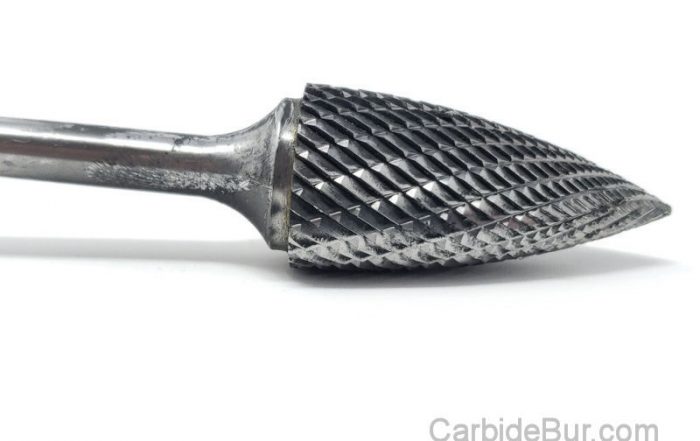
What RPM Should You Use for a 1/4 Inch Carbide Burr?
What RPM Should You Use for a 1/4 Inch Carbide Burr? Most machinists guess the right speed for a 1/4 inch carbide burr and hope for the best. Using the wrong carbide burr RPM can [...]
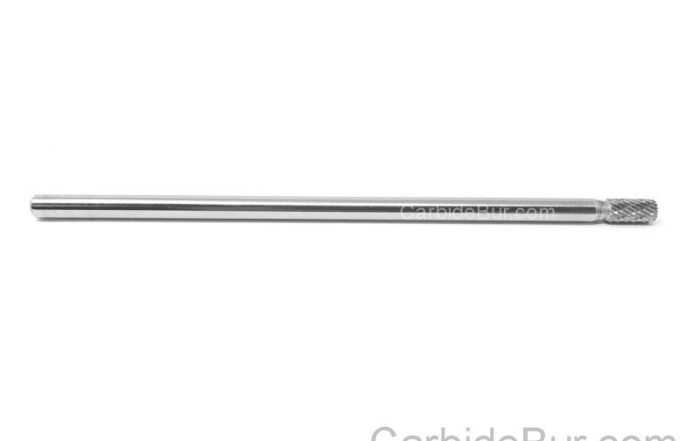
Long Shank Carbide Burrs: When Do You Need One?
Long Shank Carbide Burrs: When Do You Need One? Most machinists overlook the power of long shank carbide burrs until a project demands precision in tight spaces. When your usual tools can’t reach intricate contours, [...]
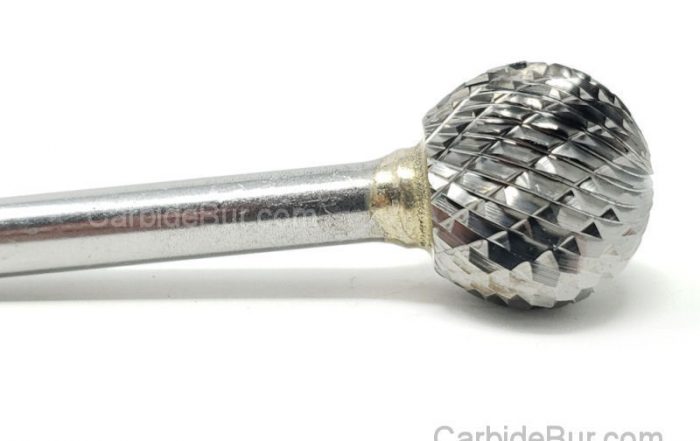
How Deep Can a Carbide Burr Cut Metal?
How Deep Can a Carbide Burr Cut Metal? Carbide burrs often get praised for their precision, but many users hit a wall wondering how deep they can actually cut metal. The truth is, cutting depth [...]
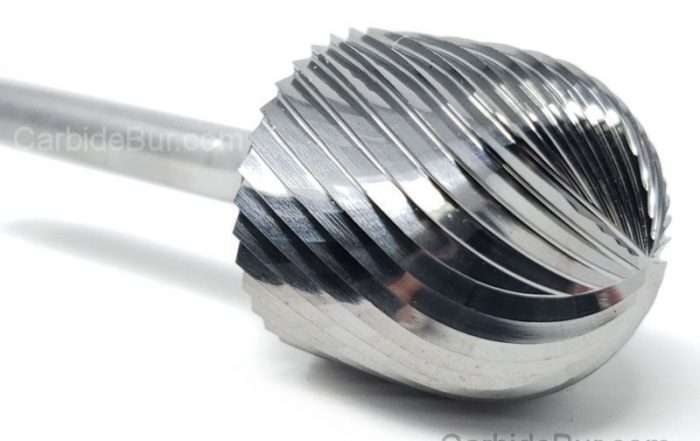
How to Use Carbide Burrs for Port Matching
How to Use Carbide Burrs for Port Matching Most engine builds hit a wall when airflow doesn’t flow smoothly between the ports and manifolds. If your engine isn’t breathing right, your performance stalls. Using the [...]
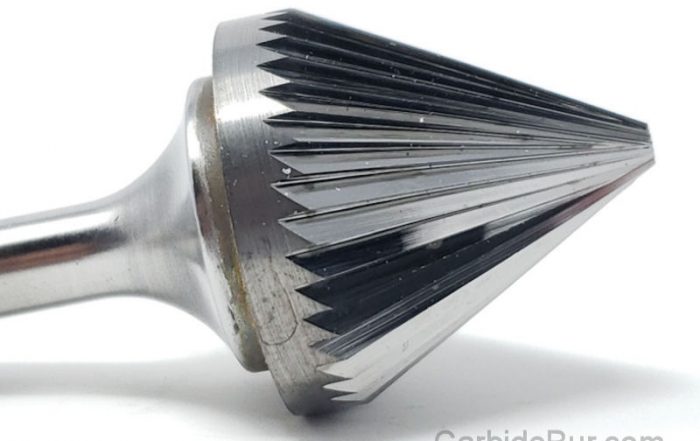
Best Carbide Burr for Porting Intake Manifolds
Best Carbide Burr for Porting Intake Manifolds Porting intake manifolds can make or break your engine’s airflow, yet many struggle with the right tools for the job. Choosing the best carbide burrs is key to [...]
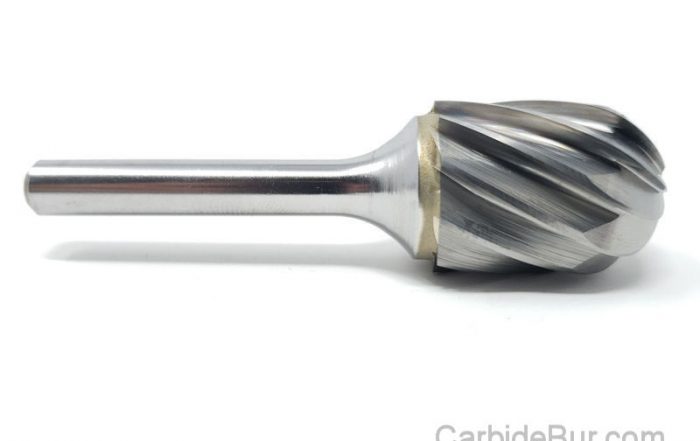
Best Carbide Burr for Concave Surfaces
Best Carbide Burr for Concave Surfaces Concave surfaces can turn a straightforward project into a frustrating challenge if you don’t have the right tool. Carbide burrs designed for these tricky curves make all the difference [...]
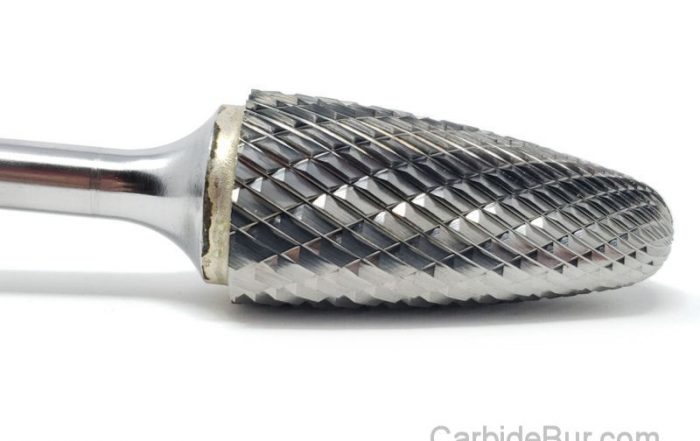
How to Grind a Slot in Metal With a Carbide Burr
How to Grind a Slot in Metal With a Carbide Burr Grinding a precise slot in metal can feel like a tricky task, especially if you’re unsure which tools to trust. Carbide burr grinding offers [...]

Best Carbide Burr for Inside Corners
Best Carbide Burr for Inside Corners Working in tight inside corners can turn even simple projects into frustrating tasks. Many carbide burrs just don’t fit or cut cleanly where you need them most. The best [...]
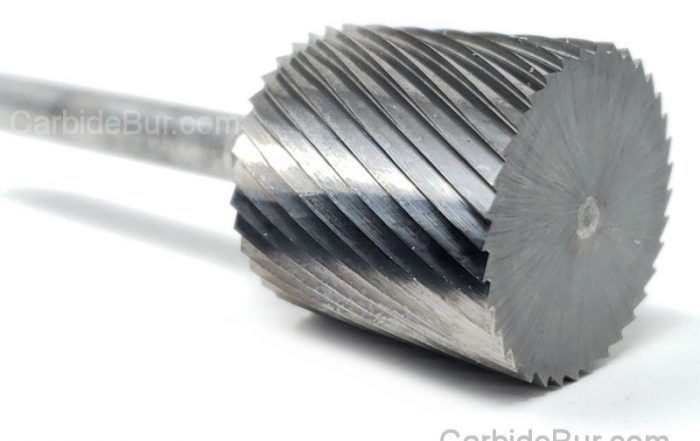
What Size Carbide Burr Do I Need?
What Size Carbide Burr Do I Need? Picking the wrong carbide burr can turn a simple project into a frustrating mess. You might have the best machining tools but still miss the mark if your [...]
