
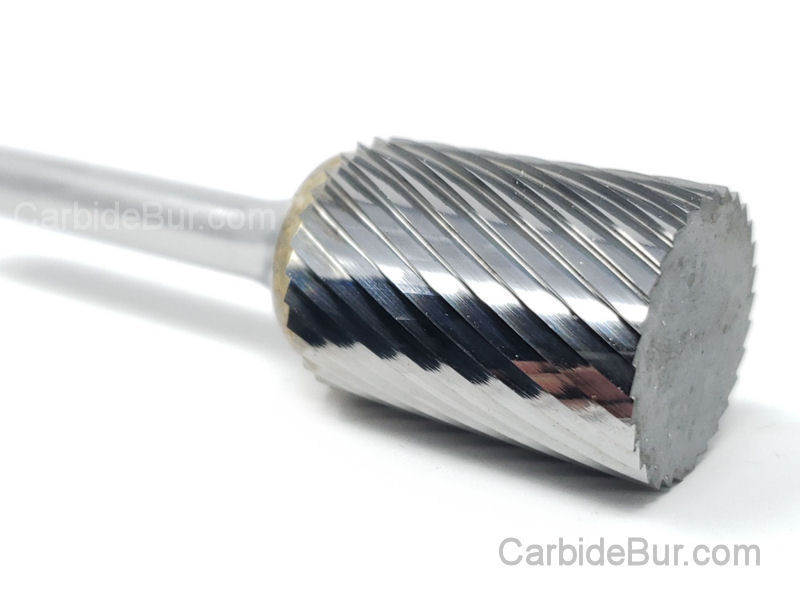
The Role of Carbide Bur Welding in Enhancing Durability and Performance
Carbide bur welding has emerged as a game-changer in the quest for tool longevity and performance, combining the science of high-temperature fusion with the art of craftsmanship. This advanced welding technique effectively fuses carbide tips to steel bodies, resulting in exceptional durability of tools that withstand the toughest tasks. By enhancing wear resistance, this method significantly reduces the risk of chipping and breakage, ensuring reliable performance in demanding environments. For professionals and craftsmen relying on tools like Milwaukee electrical tools, miter saws, and CNC machinery, the benefits of carbide bur welding are undeniable. Join us as we delve into how this innovative process transforms tool performance and why it is a smart investment for anyone seeking long-lasting, high-performing equipment.
Enhancing Tool Longevity
The longevity of tools is crucial for both cost-effectiveness and efficiency, especially in demanding industries. Understanding how advanced techniques like carbide bur welding contribute to this longevity is essential for professionals seeking reliable equipment.
High-Temperature Fusion Benefits
High-temperature fusion is a process that employs extreme heat to join two materials, such as carbide tips to steel bodies. This method ensures a strong bond that enhances tool longevity.
-
This technique reduces the likelihood of fractures and separations, common issues in conventional tool joints.
-
By using high-temperature fusion, tools can withstand more stress and last longer, reducing replacement frequency.
-
The fusion process contributes to maintaining the tool’s integrity even in high-impact or abrasive environments.
For more insights, visit Carbide Bur and Carbide Burr.
Durability of Tools Explained
The durability of tools is determined by their ability to resist wear and maintain functionality over time. Carbide bur welding significantly enhances this aspect.
-
Tools with welded carbide tips endure longer usage without losing efficiency.
-
The welded bond minimizes the risk of chipping, a common problem in high-tension applications.
-
Enhanced durability reduces downtime and maintenance costs.
Carbide bur welding is thus a wise investment, increasing tool life and delivering consistent performance.
Wear Resistance and Performance
Wear resistance is a critical factor in tool performance, and carbide bur welding excels in this area.
-
The welding process fortifies tools against wear, maintaining sharpness and cutting efficiency.
-
Tools exhibit increased resistance to physical and chemical wear, which is paramount in industrial applications.
-
Consistent performance ensures reliability, a key requirement in professional settings.
Professionals should consider tools with welded carbide tips to maximize wear resistance and tool performance enhancement.
The Science Behind Carbide Bur Welding
The science behind carbide bur welding involves intricate processes that result in robust tools. The bonding of carbide tips with steel bodies is at the heart of this technology, offering numerous benefits.
Carbide Tips and Steel Bodies Bonding
Bonding carbide tips to steel bodies is a meticulous process that defines the durability and efficiency of tools.
-
A carbide tip is positioned precisely onto a steel body.
-
High-temperature fusion is applied, melding the two materials seamlessly.
-
The result is a strong bond that withstands intense pressure and wear.
This bond ensures that tools remain effective and durable under harsh conditions.
Welding Techniques for Tool Performance
Welding techniques are crucial for enhancing tool performance. Various methods are employed to achieve optimal results.
-
Brazing: Utilizes a filler metal to bond carbide tips to steel.
-
Laser welding: Offers precision and minimal thermal distortion.
-
TIG welding: Provides high-quality joints with excellent control.
Each technique has its advantages, and the choice depends on specific tool requirements and applications.
Preventing Chipping and Breakage
Preventing chipping and breakage is a significant advantage of carbide bur welding. This process ensures tools endure tough tasks without damage.
-
The strong bond between carbide tips and steel bodies minimizes the risk of breakage.
-
Enhanced durability leads to fewer incidences of tool failure.
-
Reliable tools mean less downtime and increased productivity.
Visit Milwaukee Tool for top-quality tools that leverage these techniques.
Applications and Industry Insights
Carbide bur welding finds applications across various industries, offering insights into its widespread benefits and effectiveness.
Craftsmen’s Trusted Tools
Craftsmen rely on tools that offer durability and precision. Carbide bur welded tools meet these requirements by providing enhanced performance.
-
These tools handle rigorous tasks with ease, maintaining their integrity.
-
Craftsmen benefit from reduced tool replacement and maintenance costs.
-
The reliability of these tools supports consistent quality in craftsmanship.
For trusted tools, discover the Milwaukee Carbide Hole Cutter Kit.
Professionals’ Choice: CNC Machinery and More
Professionals in industries like CNC machining demand tools that deliver precision and longevity. Carbide bur welding plays a key role.
-
Welded tools offer the precision required in CNC operations.
-
The durability of tools ensures consistent performance over extended periods.
-
Professionals achieve high-quality results with minimal tool wear.
This makes carbide bur welded tools the preferred choice for precision-driven industries.
Milwaukee Electrical Tools and Miter Saw Uses
Milwaukee electrical tools and miter saws are popular choices in the industry, benefiting significantly from carbide bur welding.
-
These tools are engineered for performance, with welded tips enhancing their longevity.
-
Users experience fewer breakdowns and increased efficiency in operations.
-
The investment in such tools translates to long-term savings and reliability.
Explore the range of available tools at Milwaukee Tool to enhance your toolkit.
The benefits of carbide bur welding are clear, providing tools with enhanced durability and performance. Whether for craftsmen or industry professionals, this technology offers a competitive edge.
Find more carbide bur die grinder tool bits here
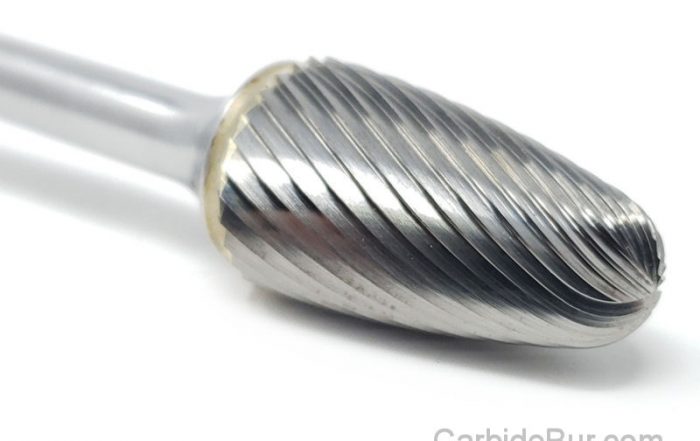
Best Carbide Burr for Enlarging a Hole in Metal
Best Carbide Burr for Enlarging a Hole in Metal When you need to enlarge a hole in metal, grabbing the wrong carbide burr can turn a simple task into a frustrating mess. Picking the best [...]
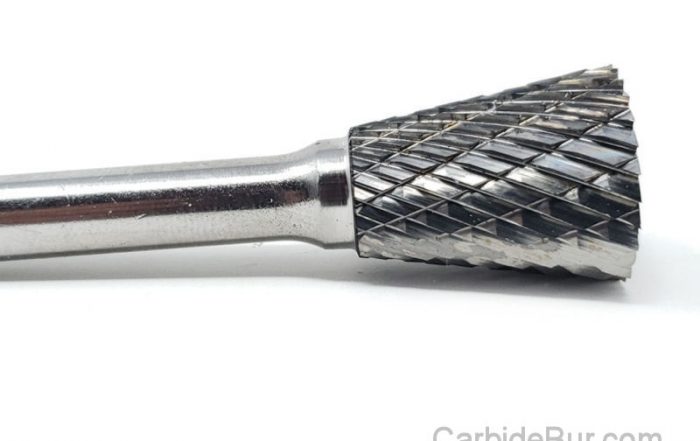
Carbide Burr Safety: 15 Mistakes That Can Cause Injury or Damage
Carbide Burr Safety: 15 Mistakes That Can Cause Injury or Damage Carbide burr safety is often overlooked until a costly mistake happens. Many metalworkers and DIYers make the same errors that lead to injuries or [...]
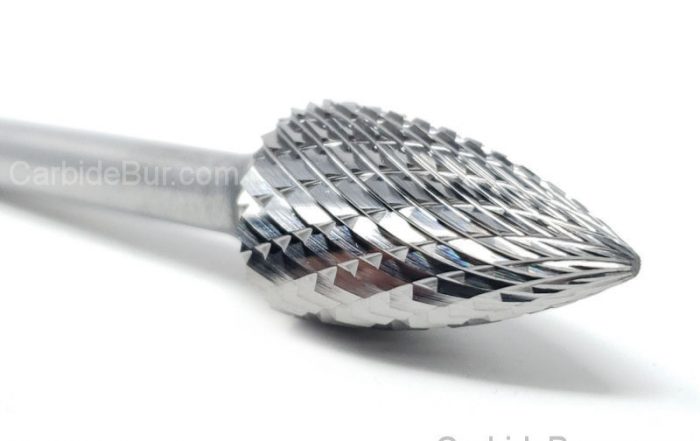
Can You Use a Carbide Burr in a Drill?
Can You Use a Carbide Burr in a Drill? Most people think a standard drill can’t handle a carbide burr, but that’s not true. Using carbide burr in the right drill can speed up your [...]
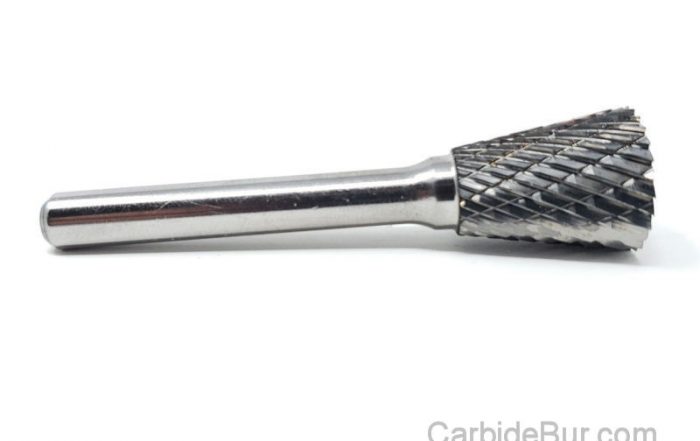
Carbide Burrs for Removing Rust: What Works Best?
Carbide Burrs for Removing Rust: What Works Best? Rust can turn your favorite tools into useless junk faster than you expect. Removing it without ruining the metal underneath takes more than just elbow grease—it demands [...]
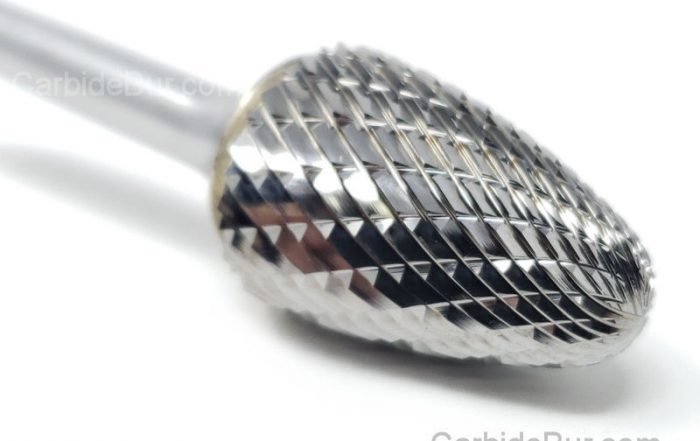
How Much Pressure Should You Use With a Carbide Burr?
How Much Pressure Should You Use With a Carbide Burr? Most people think pressing harder with a carbide burr speeds up the job. That’s not true—too much pressure wears out your tool and ruins the [...]
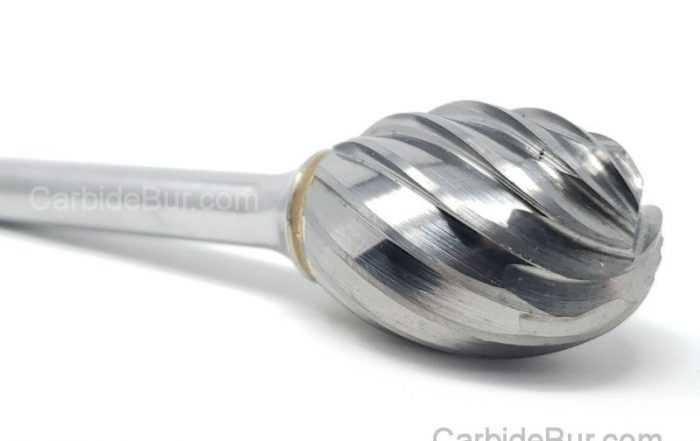
Can You Use Carbide Burrs With an Air Die Grinder?
Can You Use Carbide Burrs With an Air Die Grinder? Most people don’t realize how well carbide burrs work with air die grinders until they try them. If you’ve ever struggled with finding the right [...]
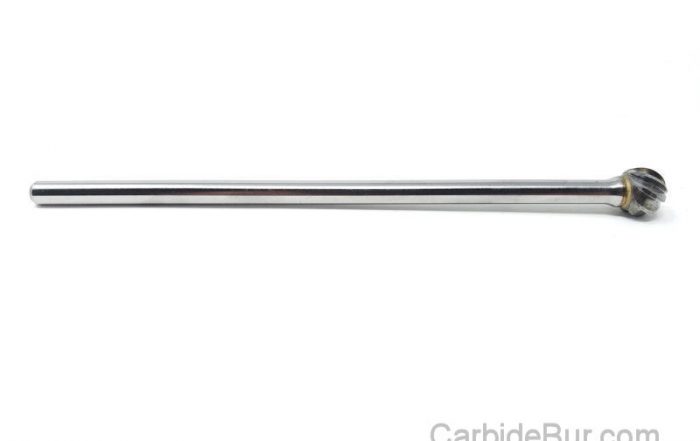
Best Long Reach Carbide Burr for Deep Metal Work
Best Long Reach Carbide Burr for Deep Metal Work Long reach carbide burrs often promise deep metal access, but many fall short where it counts most. You need a tool that cuts cleanly, lasts through [...]
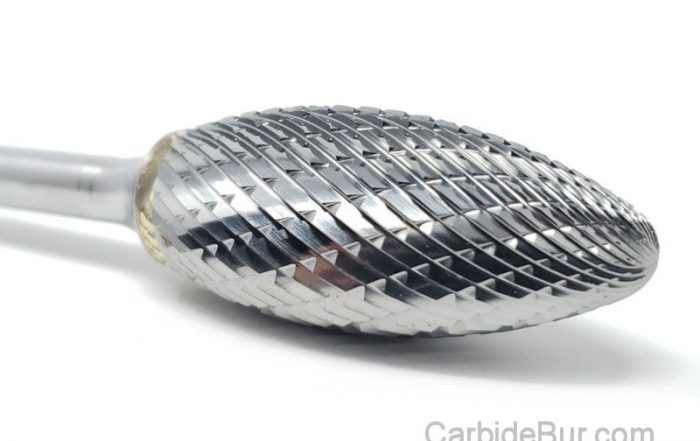
What RPM Should You Use for a 1/8 Inch Carbide Burr?
What RPM Should You Use for a 1/8 Inch Carbide Burr? Most people guess the right carbide burr RPM by feel—and waste hours redoing work. If you want cleaner cuts and longer tool life, your [...]
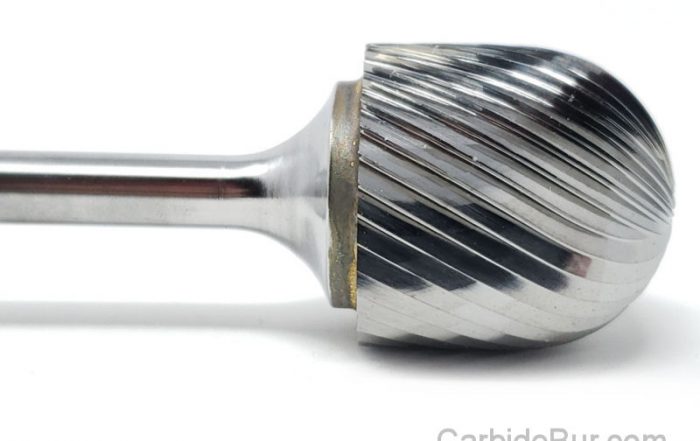
Carbide Burrs for Tight Spaces: Choosing the Right Shape
Carbide Burrs for Tight Spaces: Choosing the Right Shape Tackling tight spaces with the wrong carbide burrs wastes time and risks damaging your work. Choosing the right burr shape makes all the difference when working [...]
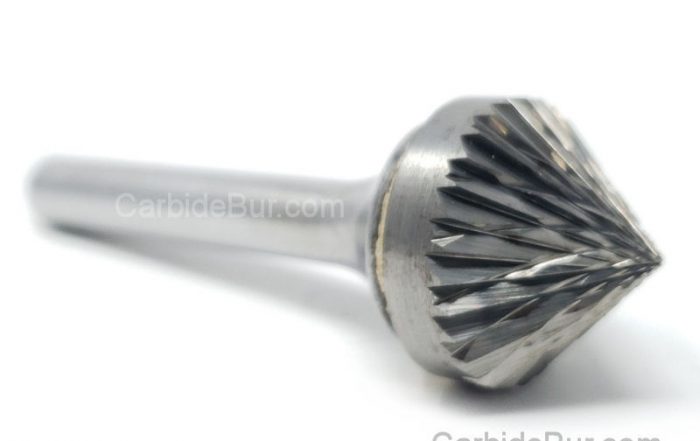
Can Carbide Burrs Remove Paint From Metal?
Can Carbide Burrs Remove Paint From Metal? Stripping paint from metal often feels like a tough chore that risks damaging the surface underneath. Many turn to carbide burrs hoping they can speed things up without [...]
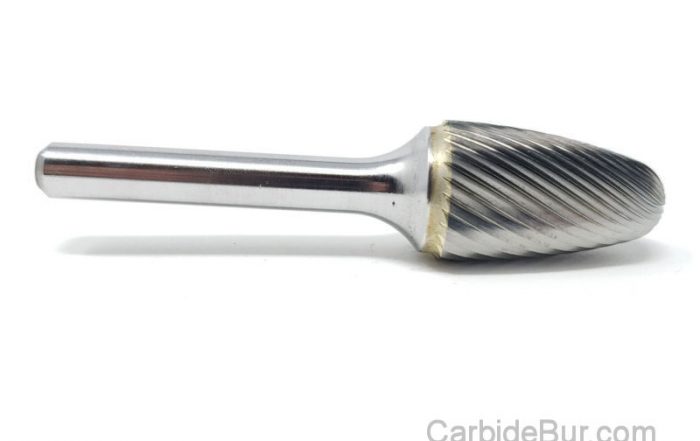
How to Grind a Groove in Metal With a Carbide Burr
How to Grind a Groove in Metal With a Carbide Burr Most metalworkers struggle to cut clean grooves without wasting time or ruining their workpiece. Many try different metalworking tools but end up with uneven [...]
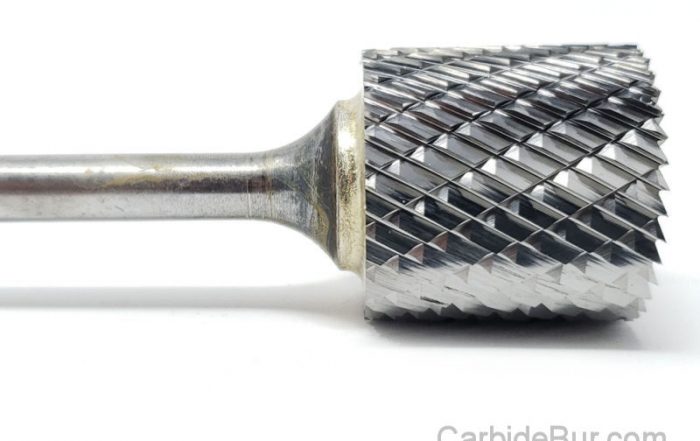
Can Carbide Burrs Cut Through Welds?
Can Carbide Burrs Cut Through Welds? Cutting through welds can feel like a battle, especially when you need clean results without harming the base metal. Carbide burrs offer a sharp edge in this fight, but [...]
