
Mastering Airflow: The Role of Carbide Burs in Enhancing Engine Efficiency
Most engine builders overlook how much airflow optimization reshapes performance. You know that even slight roughness in intake and exhaust ports can choke a high-performance engine’s power. Carbide burs cut through that problem, crafting smoother, faster paths that boost engine efficiency. Let’s break down how these carbide cutting tools make all the difference under the hood. For further insights, visit this resource.

Understanding Airflow Dynamics
Airflow optimization is crucial for engine performance. You might be surprised to learn how much power is lost to poor airflow. Let’s explore why it’s so important.
Importance of Airflow in Engines
Airflow is the lifeblood of your engine. It impacts how efficiently the engine breathes. When air moves smoothly, your engine performs better. A smoother path means less resistance, which translates to more power.
-
Smoother Airflow: Reduces energy loss
-
Better Combustion: More oxygen allows for a more complete burn
-
Increased Power: Less restriction means more horsepower
Most people think more fuel equals better performance. But without proper airflow, fuel alone won’t cut it. Engines need a balance of air and fuel to reach peak performance.
How Carbide Burs Enhance Flow
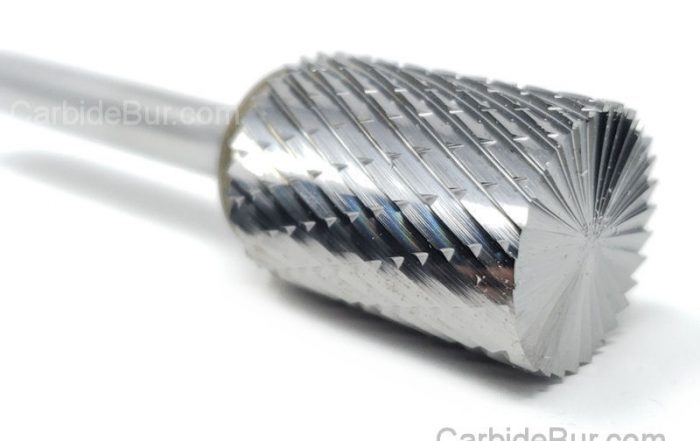
Carbide burs are your secret weapon in creating better airflow. These tools can precisely shape metal, eliminating roughness in the ports. This precision makes all the difference under the hood.
-
Precision Shaping: Carbide burs remove imperfections
-
Faster Flow: Smooth paths mean quicker air movement
-
Higher Efficiency: Less turbulence boosts overall efficiency
Did you know a 10% improvement in port smoothness can lead to a noticeable power increase? That’s the power of carbide cutting tools in action. If you’re interested in a deeper dive, this article offers additional insights.
Carbide Burs and Engine Ports
Having touched on airflow, let’s now explore the role of carbide burs in shaping engine ports.
Shaping Intake and Exhaust Ports
Shaping the ports is crucial. Carbide burs allow you to create the ideal shape, ensuring air flows easily.
-
Intake Ports: Smooth entry for incoming air
-
Exhaust Ports: Quick exit for combustion gases
Most builders focus only on intake, but exhaust is equally important. Faster exit means quicker cycles, leading to improved performance. For more tips, check out common mistakes to avoid.
Advantages of Carbide Cutting Tools
Why choose carbide over other materials? Carbide burs stand out for their durability and precision.
-
Long-lasting: Carbide stays sharp, reducing the need for replacements
-
Versatile: Suitable for various metals, offering flexibility
-
Efficient Cutting: Removes material quickly, saving time
Don’t fall into the trap of using generic tools. Consider how a specialized carbide bur can transform your engine’s performance. Curious about the differences between carbide and high-speed steel? This comparison is worth a read.
Boosting Engine Performance
Harness the benefits of carbide burs to achieve top-tier engine performance. Let’s explore how these tools propel your engine to the next level.
Achieving High-Performance with Carbide
Carbide burs help unlock your engine’s potential. They allow for precise porting, optimizing airflow.
-
Precision Porting: Tailor the flow to your engine’s needs
-
Increased Horsepower: More efficient airflow leads to more power
-
Reliable Performance: Consistent results every time
Many think high-performance is just for race cars. But with carbide, even your daily driver can benefit. Explore specific applications to see how versatile these tools are.
Improving Engine Efficiency Through Design
Design plays a key role in efficiency. Carbide burs allow you to fine-tune these designs.
-
Custom Designs: Tailor ports to specific performance goals
-
Reduced Waste: Efficient design means less wasted energy
-
Eco-friendly: Better efficiency leads to fewer emissions
The longer you wait to optimize, the more potential you leave untapped. Start using carbide burs to see how much more your engine can achieve.
By mastering airflow with carbide burs, you can transform your engine’s performance and efficiency. It’s time to let your engine breathe easy and unleash its true power.
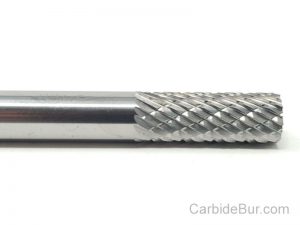
Check out all our USA made carbide bur cutting tools here
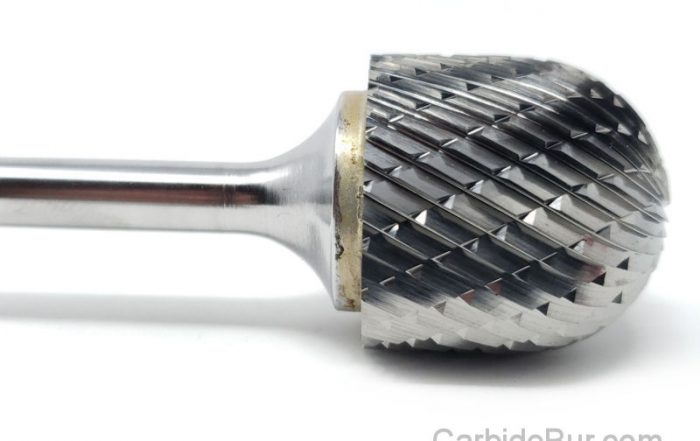
Are Expensive Carbide Burrs Worth It? Comparing Price and Performance
Are Expensive Carbide Burrs Worth It? Comparing Price and Performance When shopping for carbide burrs, it's easy to assume that the cheapest option saves money. But if you use rotary cutting tools regularly for welding, [...]
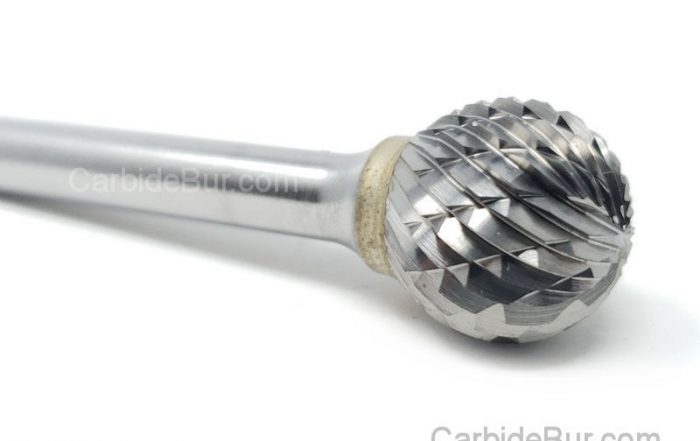
Carbide Burr vs. Grinding Stone: Which Is Better for Metal Removal?
Carbide Burr vs. Grinding Stone: Which Is Better for Metal Removal? When you need to remove metal, smooth a rough edge, or shape a metal component, two common options are carbide burrs and grinding stones. [...]
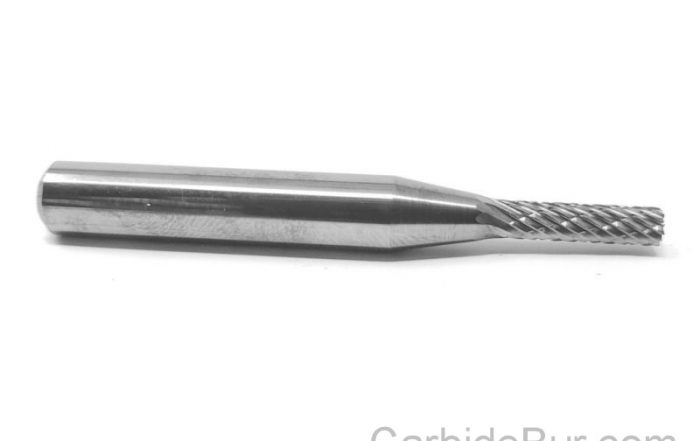
Carbide Burr Safety: RPM, Eye Protection, and Common Mistakes
Carbide Burr Safety: RPM, Eye Protection, and Common Mistakes Carbide burrs are versatile cutting tools used for metal fabrication, welding cleanup, engine porting, deburring, and general material removal. When used correctly, they can help remove [...]
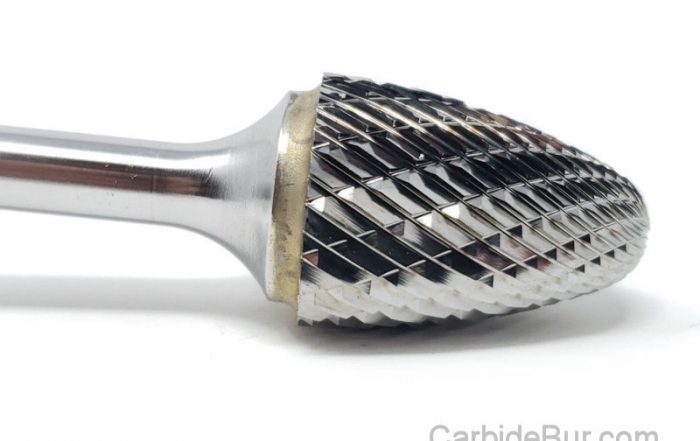
How to Stop Aluminum from Clogging Your Carbide Burr
How to Stop Aluminum from Clogging Your Carbide Burr Aluminum is widely used in automotive work, welding, metal fabrication, aerospace components, and general machining. It is lightweight, relatively easy to machine, and versatile across many [...]
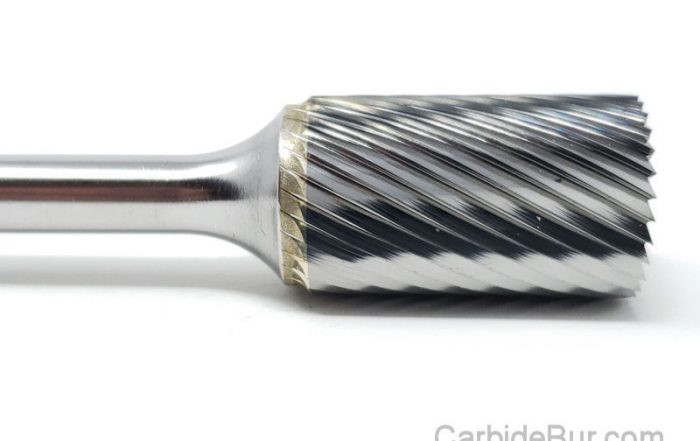
Carbide Burrs for Intake Manifolds: Shaping, Cleanup, and Fitment
Carbide Burrs for Intake Manifolds: Shaping, Cleanup, and Fitment Intake manifold work often involves more than simply bolting a component onto an engine. Depending on the application, metal intake components may have casting irregularities, rough [...]
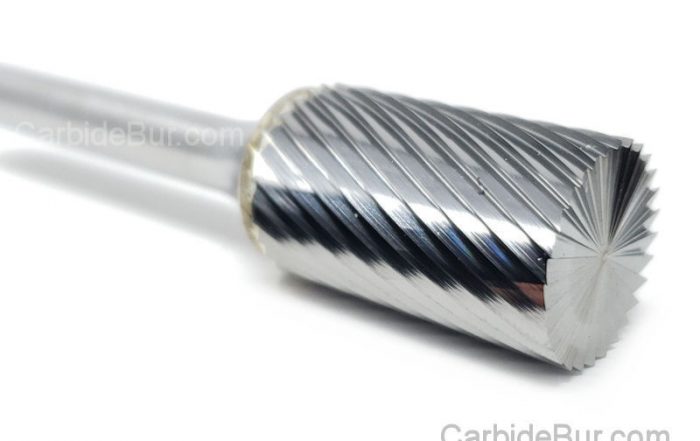
Why Long-Shank Carbide Burrs Are Useful for Hard-to-Reach Areas
Why Long-Shank Carbide Burrs Are Useful for Hard-to-Reach Areas When working on metal parts, the area that needs grinding or shaping is not always easy to reach. Recessed openings, deep cavities, interior surfaces, and complicated [...]
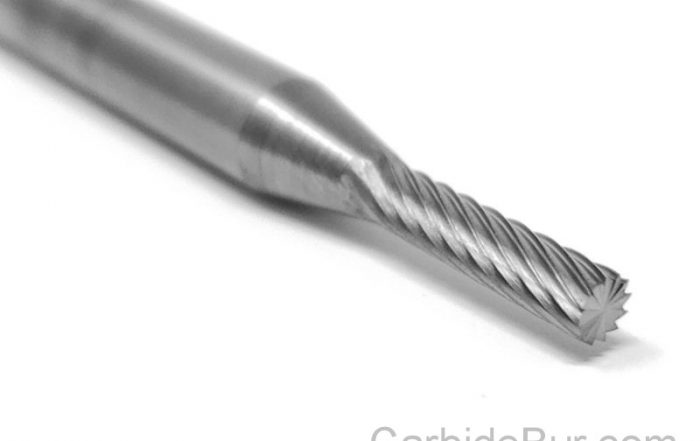
Choosing Carbide Burrs for Stainless Steel Fabrication
Choosing Carbide Burrs for Stainless Steel Fabrication Stainless steel is widely used in fabrication because of its corrosion resistance, strength, and durability. However, those same properties can make it challenging to machine and finish. Removing [...]
Can You Use Carbide Burrs in a Dremel? Shank Sizes Explained
Can You Use Carbide Burrs in a Dremel? Shank Sizes Explained If you use a Dremel or another rotary tool for detail work, metal shaping, or small fabrication projects, you may wonder whether you can [...]
How to Choose the Best Carbide Burr for Welding and Metal Fabrication
How to Choose the Best Carbide Burr for Welding and Metal Fabrication Welding and metal fabrication often require more than joining two pieces of metal together. Once the welding is finished, fabricators frequently need to [...]
Carbide Burrs for Cylinder Heads: What Automotive Enthusiasts Need to Know
Carbide Burrs for Cylinder Heads: What Automotive Enthusiasts Need to Know Cylinder head work is an important part of engine building, restoration, and performance machining. Whether you are cleaning up casting imperfections, refining port surfaces, [...]
Engine Porting 101: How Carbide Burrs Help Shape Cylinder Head Ports
Engine Porting 101: How Carbide Burrs Help Shape Cylinder Head Ports Engine performance enthusiasts, automotive machinists, and engine builders often look for ways to improve airflow through an engine's cylinder heads. One technique used in [...]
When to Use a 4-Inch or 9-Inch Die Grinder Extension
When to Use a 4-Inch or 9-Inch Die Grinder Extension Metal fabrication, welding, automotive repair, and engine building often require working in places where a standard die grinder and carbide burr cannot easily reach. Recessed [...]
