
Enhancing Cutting Efficiency: Maintenance Tips for Your Carbide Burr Set
Many metalworkers lose hours because their carbide burrs wear out too fast. Worn or dirty carbide burrs don’t cut cleanly, slowing your work and risking mistakes. This guide covers essential carbide burr maintenance—cleaning, storing, and handling—to keep your tools sharp and reliable. Follow these tips to boost cutting efficiency and extend the life of your carbide burr set. For more detailed insights, visit this resource.
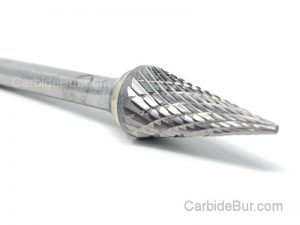
Click here for our entire selection of carbide bur tools
Effective Tool Cleaning Techniques
Keeping your carbide burrs clean is the first step toward maintaining their sharpness. Let’s explore easy ways to wash your tools and ensure they work like new.
Simple Cleaning Steps
Start by rinsing your burrs with warm water to remove debris. Use a small brush to reach tight spots. Be gentle to avoid damage. Dry them thoroughly with a soft cloth before storing. Regular cleaning prevents buildup that dulls your burrs and slows down your work.
Another tip is to soak them in a mild cleaning solution. This helps break down stubborn grime. Just be sure to rinse and dry them well afterwards. Keeping your carbide burrs clean ensures they cut smoothly each time.
Choosing the Right Cleaning Agents
Selecting the right cleaning agents is crucial. Avoid harsh chemicals that can corrode your tools. Opt for mild detergents or specialized solutions designed for metal tools. These products clean effectively without causing harm.
For sticky residue, use isopropyl alcohol. It’s safe for most metals and evaporates quickly. Remember, the goal is to clean, not corrode. Using the right agents prolongs your burrs’ life and keeps them performing at their best.
Storage Solutions for Burrs
Proper storage is just as important as cleaning. Let’s look at how you can store your carbide burrs to keep them in top condition.
Safe Storage Practices
Always store your burrs in a dry place. Moisture can cause rust, even on high-quality tools. Use a protective case to shield them from dust and accidental damage. This simple step can significantly extend their lifespan.
Consider a silica gel pack in your storage case. It absorbs moisture and keeps your tools dry. Storing your burrs correctly ensures they’re ready for use whenever you need them.
Organizing Your Carbide Burr Set
Organization is key to efficiency. Arrange your carbide burrs by size or type. This makes it easy to find the right tool quickly. A labeled organizer box can help keep everything in order. It saves time and reduces the risk of using the wrong burr.
Create a system that works for you. Whether it’s by size or frequency of use, staying organized boosts your productivity. An organized set of burrs is a more effective set.
Safe Handling of Carbide Burrs
Handling your tools carefully is vital. Here’s how to make sure you’re doing it right.
Proper Handling Techniques
Always handle your carbide burrs with clean hands. Oil or dirt can transfer to the tools, affecting their performance. Use a firm grip to avoid dropping or damaging them. Mishandling can lead to reduced tool life and poor cutting results.
When inserting a burr into a tool, ensure it’s secured tightly. A loose burr can cause accidents or damage both the tool and workpiece. Handling your burrs with care keeps them in prime condition and ensures safety.
Safety Equipment and Practices
Safety gear is non-negotiable. Wear gloves to protect your hands from sharp edges. Goggles are essential to protect your eyes from flying debris. Proper attire minimizes risk when working with these tools.
Stay aware of your surroundings and ensure your work area is well-lit and organized. A tidy workspace reduces accidents and improves your focus. Using the right safety equipment and practices helps you work confidently and safely.
Remember, maintaining your carbide burrs is not just about keeping them sharp. It’s about ensuring your safety and efficiency as well. By following these tips, you can keep your tools in excellent shape and enjoy smoother, faster cuts every time. For more in-depth guidance, check out this comprehensive guide.
Click here for our entire selection of carbide bur tools
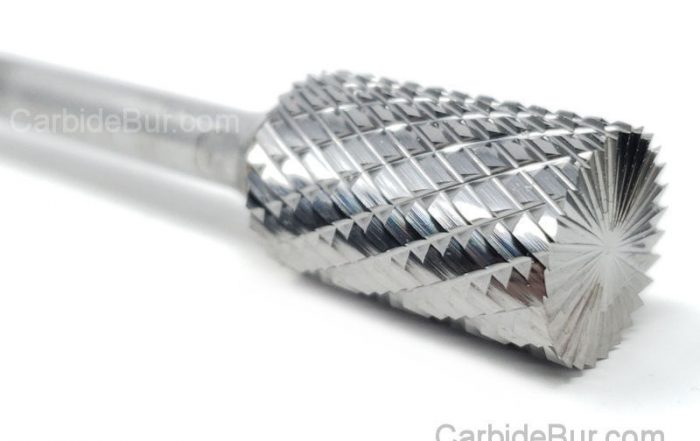
Comparing Electric and Pneumatic Die Grinders with Carbide Burrs
Power and Precision: Comparing Electric and Pneumatic Die Grinders with Carbide Burrs Choosing the right die grinder for your carbide burrs can feel like a maze. Electric die grinders promise power at your fingertips, while [...]
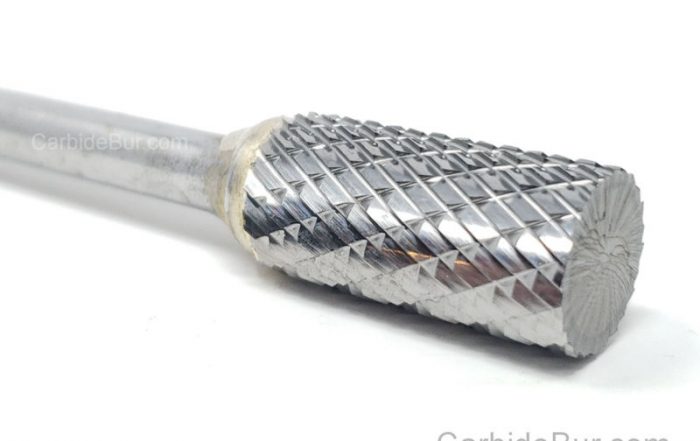
The Top Tools Driving the Future of Aerospace Machining
The Top Tools Driving the Future of Aerospace Machining The demand for aerospace machining has surged, pushing manufacturers to deliver high-precision metal parts faster than ever. Meeting tight standards while cutting lead times in aerospace [...]
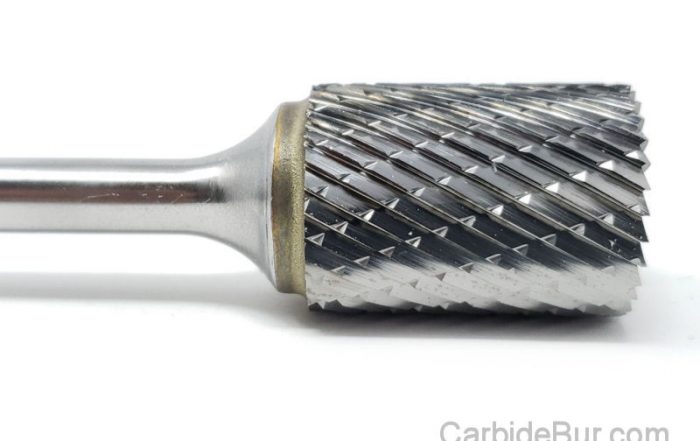
Mastering Carbide Burrs for Enhanced Engine Performance
Beginner's Guide to Engine Porting: Mastering Carbide Burrs for Enhanced Engine Performance Most beginners think engine porting is just about grinding metal. The truth is, mastering carbide burrs can change how air moves through your [...]
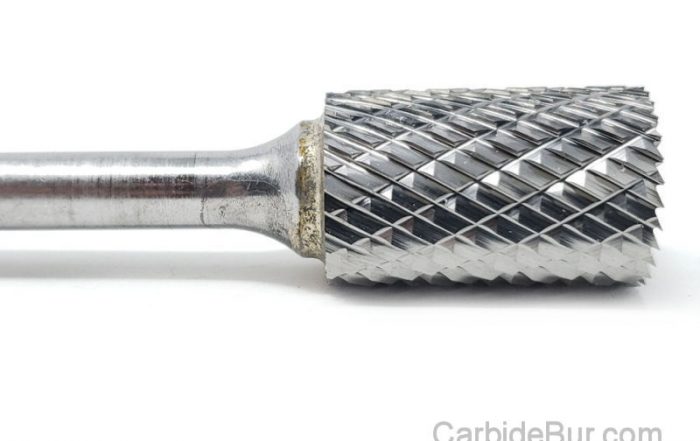
Unveiling the Secrets of Burr Cutting Efficiency: Double-Cut or Single-Cut?
Unveiling the Secrets of Burr Cutting Efficiency: Double-Cut or Single-Cut? Most metalworkers hit a wall choosing between double-cut carbide burrs and single-cut carbide burrs. Picking the wrong one can slow your work or wear your [...]
How Specialized Carbide Burrs Are Revolutionizing Aluminum Fabrication for Cleaner Cuts
How Specialized Carbide Burrs Are Revolutionizing Aluminum Fabrication for Cleaner Cuts Most aluminum fabricators still wrestle with rough edges and extra cleanup after machining. Those extra steps cost you time and eat into your profits. [...]
U.S. Manufacturing Reshoring: The Role of Domestic Tool Suppliers in 2026
U.S. Manufacturing Reshoring: The Role of Domestic Tool Suppliers in 2026 U.S. manufacturing is shifting closer to home faster than many expected. By 2026, reshoring trends are reshaping how supply chains function, with domestic tool [...]
From Casting Flash to Weld Blending: Essential Techniques for 2026
From Casting Flash to Weld Blending: Essential Techniques for 2026 Forget the old ways of finishing parts in automotive production. As electric vehicles and autonomous vehicle production grow, the need for precise deburring processes and [...]
Understanding the Surge in Cutting Tool Costs and Effective Waste Reduction in Machining
Understanding the Surge in Cutting Tool Costs and Effective Waste Reduction in Machining Cutting tool costs have jumped noticeably in recent years, squeezing machine shop budgets tighter than ever. Raw material scarcity and supply chain [...]
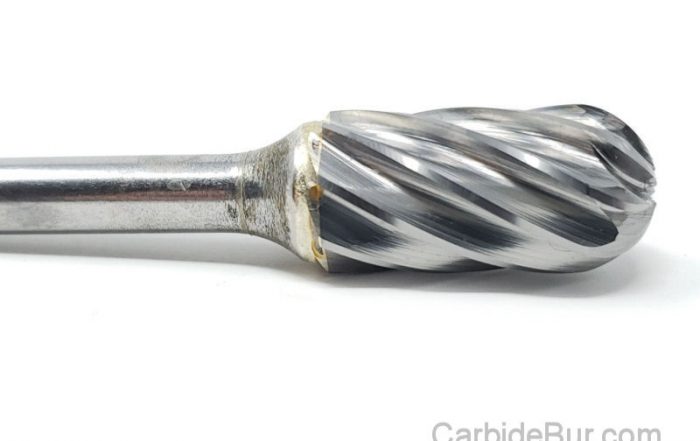
Choosing the Right Carbide Burr Shape for Your Metalworking Projects
Choosing the Right Carbide Burr Shape for Your Metalworking Projects You might think all carbide burr shapes do the same job, but that’s far from true. Choosing the wrong shape can waste time and leave [...]
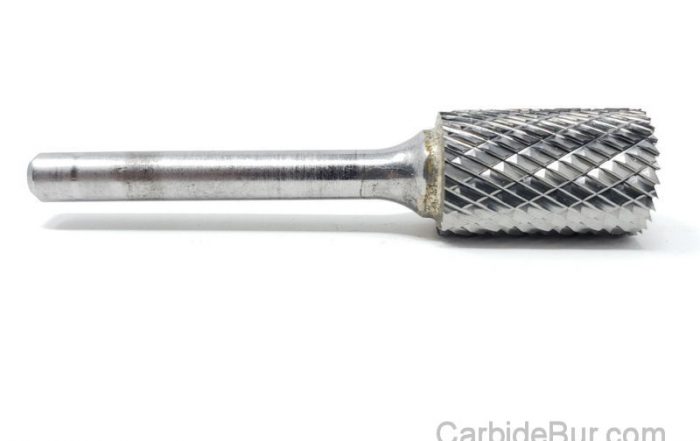
U.S. Cutting Tool Shipments Reach New Heights
U.S. Cutting Tool Shipments Reach New Heights: What It Means for Manufacturing Professionals U.S. cutting tool shipments soared to $278.1 million in July 2026, marking a 29% jump from last year. If you’re in fabrication [...]
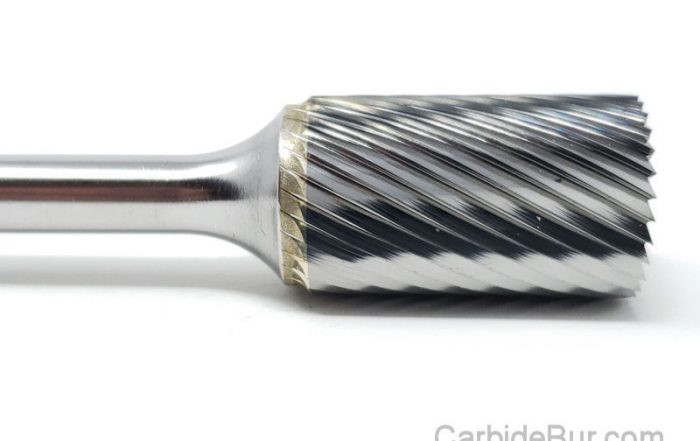
How 3D-Printed Carbide is Redefining Precision Toolmaking with Kennametal’s Latest Technology
How 3D-Printed Carbide is Redefining Precision Toolmaking with Kennametal's Latest Technology Custom hole-finishing tools have long faced limits in design and cooling options that hold back their performance. Kennametal’s new 3D-printed carbide grade changes that [...]

The Future of Additive Manufacturing in Aerospace and Automotive Industries
The Future of Additive Manufacturing in Aerospace and Automotive Industries Metal 3D printing is no longer just a concept for prototypes; it’s scaling up fast in aerospace and automotive fields. But raw prints don’t meet [...]
