
Seal Pin Grinding Made Easy: Preventing Lock Damage with Cone Burrs
Grinding pins without ruining your lock sounds impossible—until you try the right cone burr. Hardened pins in the lock cylinder can stop your work dead, but the right burr size and material make pin removal smooth and precise. This guide breaks down how to pick and use cone burrs for seal pin grinding that keeps your lock intact while speeding up repair and manipulation. Find the right tools here.
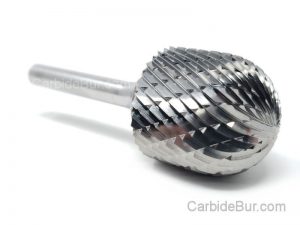
We have the perfect tools you need for safe cracking and manipulation used by professionals
Understanding Cone Burr Types
When diving into lock repair, understanding cone burrs is essential. These tiny tools make a big difference in precision work. Let’s explore their shapes, materials, and sizes to find the perfect match for your task.
Different Burr Shapes and Materials
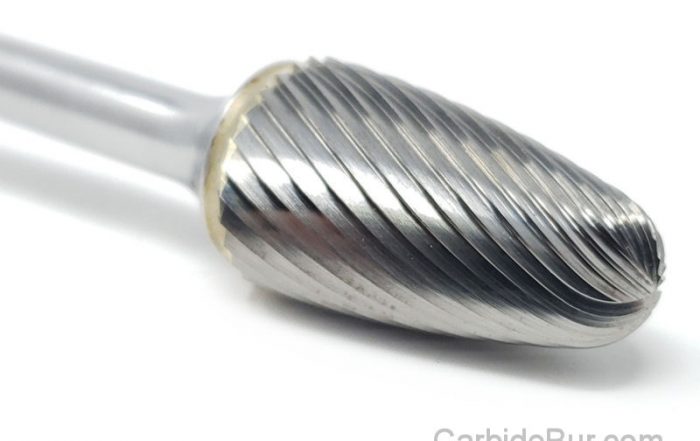
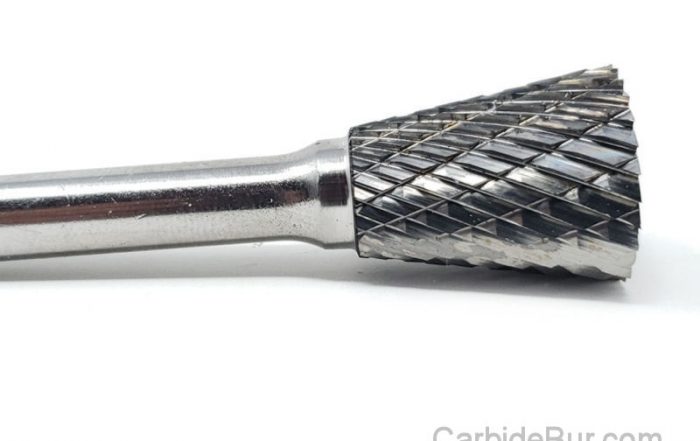
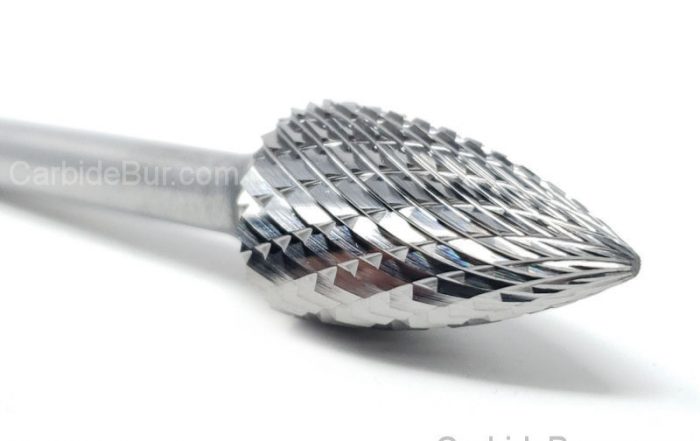
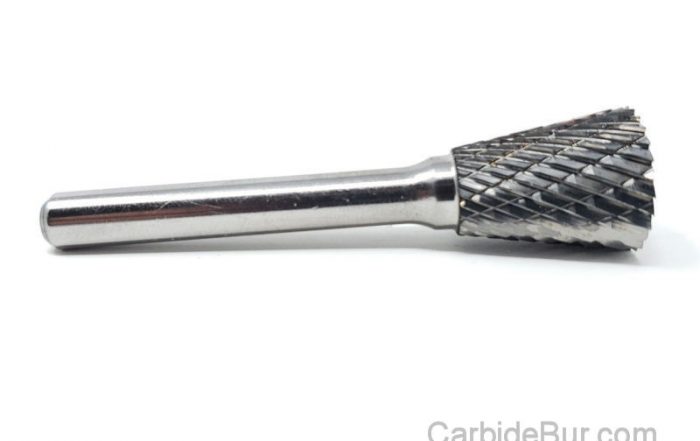
Cone burrs come in various shapes—each designed for a specific purpose. Round burrs are excellent for creating smooth curves, while pointed burrs focus on tight spots. Flat-top burrs shave materials down quickly. You want to select the shape that fits the job. Materials matter too. Carbide burrs are tough and last long. They’re great for hard metals. Steel burrs, on the other hand, offer flexibility and are suitable for softer materials. Knowing your lock materials helps you choose wisely.
Choosing the Right Burr Size
Burr size impacts the precision of your work. A smaller burr gives you control, perfect for detailed jobs. Larger burrs remove material faster, ideal for bigger tasks. Consider starting with a ¼ inch burr for versatility. But always adjust based on your lock’s needs. Matching burr size to your project ensures smoother outcomes and less risk of damage. For more on choosing the right tools, check out this collection.
Techniques for Safe Pin Removal
Having chosen your burr, the next step is mastering techniques for safe pin removal. This skill keeps your lock intact and ensures smoother operations.
Preventing Lock Damage
Preventing damage is critical. Start by securing your lock in a stable position. This keeps it steady while you work. Use gentle pressure with your burr. Rushing can lead to mistakes. Keep the burr moving evenly. This prevents overheating and wear on the lock. Regular checks on your progress help you stay on track and avoid mishaps. Need tools? Find options here.
Ensuring Smooth Pin Extraction
Smooth extraction is your goal. Begin with a clean lock cylinder. Clear debris using a thin, soft brush. This sets a good foundation. As you work, listen for any unusual sounds. Grinding noises could indicate problems. If you hear them, stop and reassess. Sometimes a change in burr size is needed. Practice patience—your lock will thank you. For additional guidance, explore resources here.
Enhancing Precision in Lock Repair
Precision in lock repair is your ultimate aim. With the right burr and techniques, achieving this becomes much easier.
Importance of Burr Selection
Choosing the right burr is crucial for precision. The wrong burr can lead to errors and frustration. Consider the task at hand: Is it detailed work or broader material removal? Matching burr type to task ensures efficiency. Remember, your burr is your tool, not a shortcut. Treat it with respect for the best results.
Efficiency in Lock Cylinder Repair
Efficiency is key to successful lock repair. Streamline your process by organizing your tools before you start. Lay them out in order of use. This saves time and keeps you focused. Regular practice sharpens your skills, making each repair faster and more reliable. Want to add advanced tools to your kit? Explore this selection.
In conclusion, mastering cone burrs makes lock repair straightforward and effective. By selecting the appropriate burr and employing safe techniques, you ensure precision and preserve your locks. Practice makes perfect—so start exploring with confidence!
We have the perfect tools you need for safe cracking and manipulation used by professionals

Can You Use a Carbide Burr With an Electric Die Grinder?
Can You Use a Carbide Burr With an Electric Die Grinder? Most people don’t realize how much a carbide burr can change the way an electric die grinder works. Using the right burr type can [...]
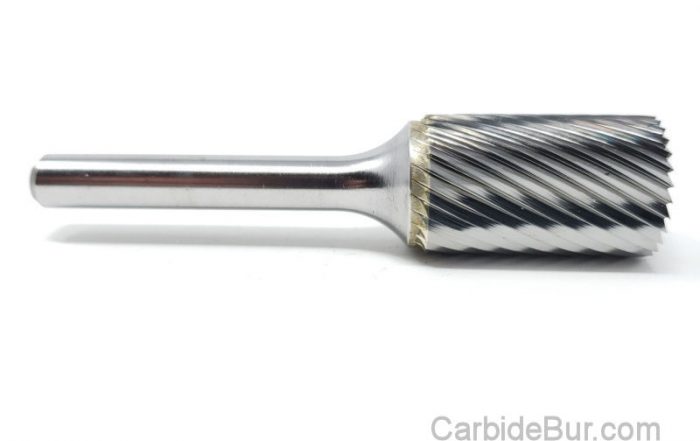
How to Deburr Holes With a Carbide Burr
How to Deburr Holes With a Carbide Burr Most people think any tool will do for deburring holes. The truth is, using the right carbide burr with the correct size and shape changes everything. In [...]
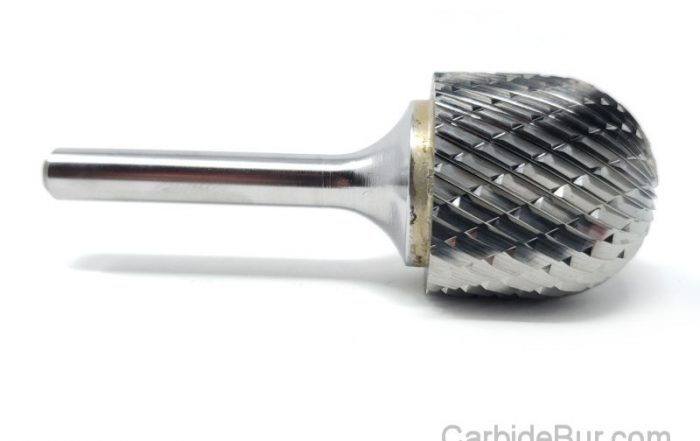
How to Choose the Correct Carbide Burr Shank Size
How to Choose the Correct Carbide Burr Shank Size Many machinists lose hours troubleshooting tool issues caused by the wrong carbide burr shank size. Using a shank that doesn’t fit your grinder can lead to [...]
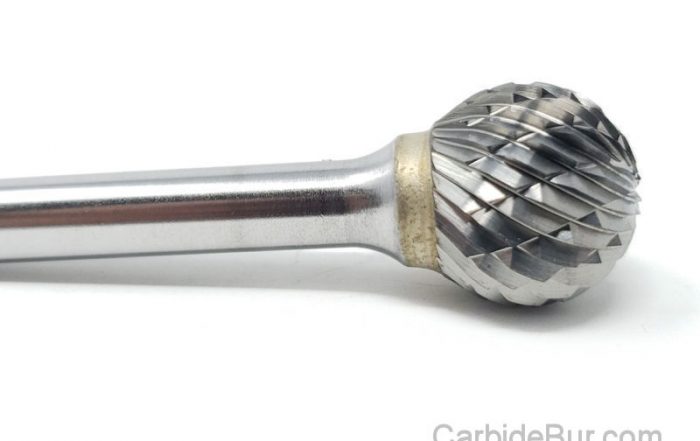
How to Remove Casting Flash With a Carbide Burr
How to Remove Casting Flash With a Carbide Burr Casting flash ruins the look and fit of your metal parts. You’ve tried sanding or grinding, but the results aren’t clean or fast enough. Learning how [...]
Best Carbide Burr for Enlarging a Hole in Metal
Best Carbide Burr for Enlarging a Hole in Metal When you need to enlarge a hole in metal, grabbing the wrong carbide burr can turn a simple task into a frustrating mess. Picking the best [...]
Carbide Burr Safety: 15 Mistakes That Can Cause Injury or Damage
Carbide Burr Safety: 15 Mistakes That Can Cause Injury or Damage Carbide burr safety is often overlooked until a costly mistake happens. Many metalworkers and DIYers make the same errors that lead to injuries or [...]
Can You Use a Carbide Burr in a Drill?
Can You Use a Carbide Burr in a Drill? Most people think a standard drill can’t handle a carbide burr, but that’s not true. Using carbide burr in the right drill can speed up your [...]
Carbide Burrs for Removing Rust: What Works Best?
Carbide Burrs for Removing Rust: What Works Best? Rust can turn your favorite tools into useless junk faster than you expect. Removing it without ruining the metal underneath takes more than just elbow grease—it demands [...]
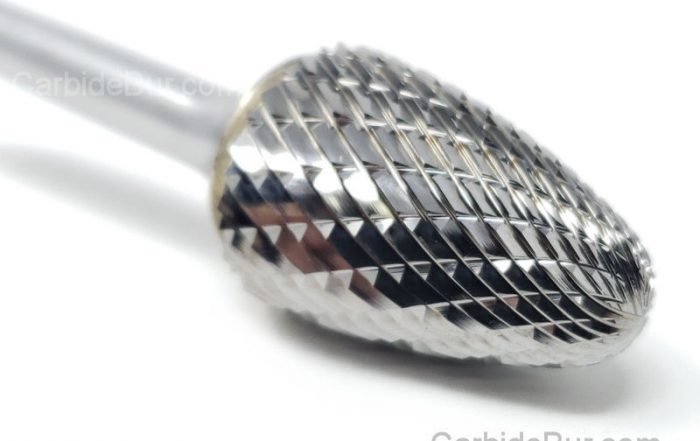
How Much Pressure Should You Use With a Carbide Burr?
How Much Pressure Should You Use With a Carbide Burr? Most people think pressing harder with a carbide burr speeds up the job. That’s not true—too much pressure wears out your tool and ruins the [...]
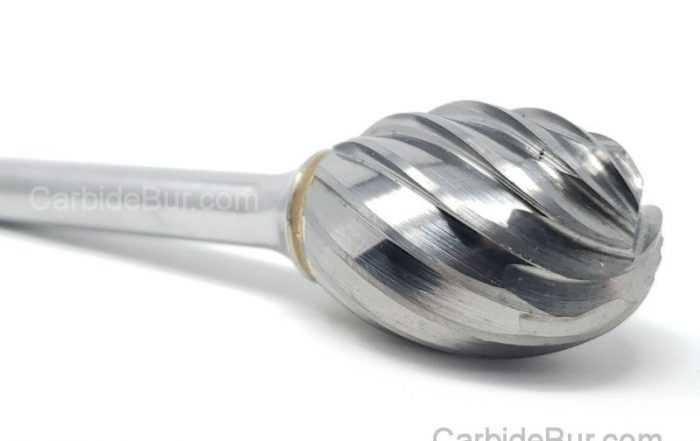
Can You Use Carbide Burrs With an Air Die Grinder?
Can You Use Carbide Burrs With an Air Die Grinder? Most people don’t realize how well carbide burrs work with air die grinders until they try them. If you’ve ever struggled with finding the right [...]
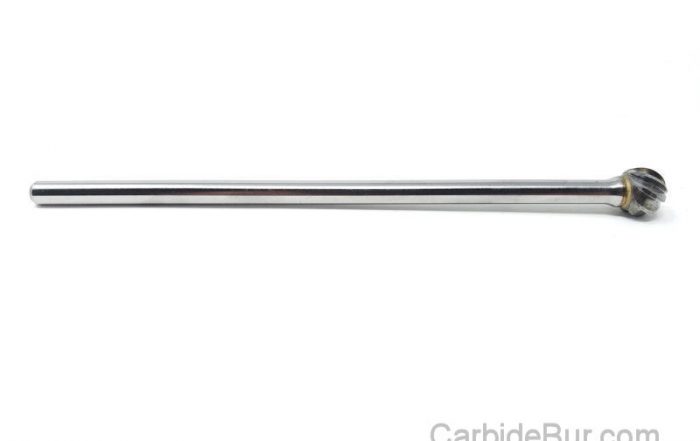
Best Long Reach Carbide Burr for Deep Metal Work
Best Long Reach Carbide Burr for Deep Metal Work Long reach carbide burrs often promise deep metal access, but many fall short where it counts most. You need a tool that cuts cleanly, lasts through [...]
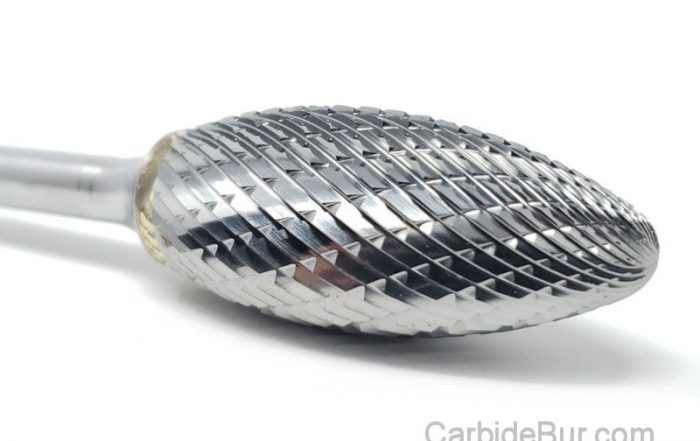
What RPM Should You Use for a 1/8 Inch Carbide Burr?
What RPM Should You Use for a 1/8 Inch Carbide Burr? Most people guess the right carbide burr RPM by feel—and waste hours redoing work. If you want cleaner cuts and longer tool life, your [...]
