
Unlock the Potential of Safe-End Burrs in the Safe Locking Industry
Damaging levers during safe lock extraction slows down your work and risks costly repairs. The safe-end burr changes that by creating flat-bottom holes that keep lever locks intact. You’ll learn why this tool matters in the safe locking industry, how different designs can fit your needs, and simple burr maintenance tips that keep your gear sharp and ready. Learn more.
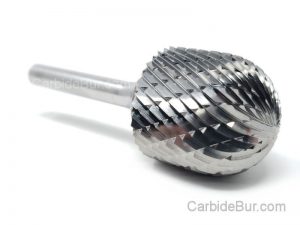
We have the perfect tools you need for safe cracking and manipulation used by professionals
Features of Safe-End Burrs
Understanding the features of safe-end burrs opens doors to safer lock operations. These tools are not just about convenience; they are about precision and protection.
Unique Design Benefits
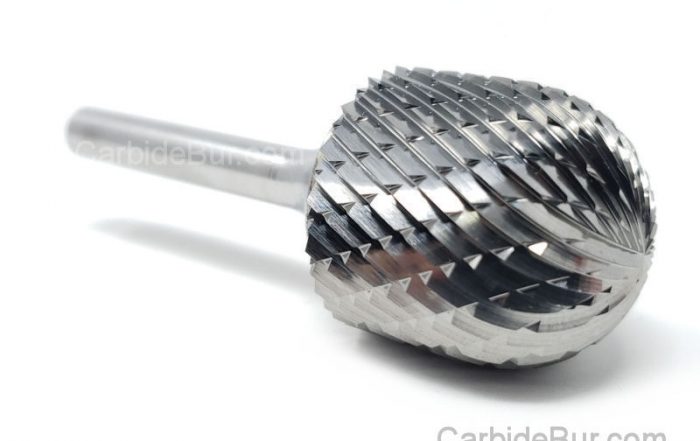
Safe-end burrs stand out with their flat-bottom design. This unique feature prevents damage to lever locks during extraction. Unlike standard burrs, they ensure the lock’s integrity by creating a precise, flat-bottom hole. This minimizes the risk of costly repairs and extends the lifespan of your locks. So, instead of worrying about potential damage, you can focus on getting the job done efficiently. Discover how these tools can be a game-changer in your toolkit.
Essential Role in the Industry
In the safe locking industry, the right tools make all the difference. Safe-end burrs are essential for professionals who prioritize both speed and security. They provide a reliable solution for maintaining the integrity of lever locks during extraction. This tool is more than just a piece of metal; it’s a trusted ally for locksmiths and technicians. Embrace the peace of mind that comes with knowing you have the right tool for the job.
Practical Usage Tips
Once you know the features, it’s time to dig into practical usage tips that elevate your work. Here’s how you can make the most of your safe-end burrs.
Effective Lock Extraction Techniques
Using safe-end burrs effectively requires the right technique. Start by positioning the burr precisely over the lock. Apply steady pressure to maintain control and avoid damage. This approach ensures a clean, flat-bottom hole. Practice makes perfect, and soon, you’ll notice a smoother and more efficient extraction process. Remember, the key is in the details.
Safe Handling and Application
Safety is paramount when handling tools. Always wear protective gear such as gloves and goggles. Ensure your workspace is free from distractions. Focus on the task at hand, and handle the burr with care. By respecting these tools, you not only protect yourself but also extend the life of your equipment. Handling them safely ensures they remain an asset in your toolbox.
Design Variations and Advantages
Exploring design variations offers insights into selecting the right tool for specific needs. Let’s compare and choose wisely.
Comparing Lever Lock Tools
When comparing lever lock tools, safe-end burrs consistently come out on top. They offer a significant advantage with their specialized design. In contrast, traditional tools often lack the precision needed for delicate jobs. Choosing the right tool can save time and money. Ensure that your selection aligns with your specific requirements for each job.
Selecting the Right Burr for the Job
Selecting the right burr involves understanding your needs. Consider the material, size, and specific lock type. Not all burrs are created equal, and choosing the right one enhances your efficiency. Evaluate the task and match it with the appropriate burr. This approach ensures you’re always equipped with the best tool for the challenge at hand.
Maintenance for Longevity
Proper maintenance extends the life of your tools. Here’s how to keep your safe-end burrs in top condition.
Burr Maintenance Tips
Maintaining your burrs is simple yet crucial. After each use, clean them thoroughly to remove debris. Regularly check for wear and replace if necessary. A well-maintained burr performs consistently and lasts longer. These small steps go a long way in preserving your tool’s functionality. For detailed guidance, explore this ultimate guide.
Prolonging Tool Lifespan
To prolong the lifespan of your burrs, store them in a dry, safe place. Protecting them from damage ensures they remain effective. Regularly sharpen them to maintain their cutting edge. Investing a little time in care saves money in replacements and ensures you’re always ready for the next job.
By understanding the features, usage, variations, and maintenance of safe-end burrs, you position yourself for success. These tools are more than just equipment; they are the key to efficient and safe lock operations. Stay sharp, stay prepared, and let your work shine.
We have the perfect tools you need for safe cracking and manipulation used by professionals
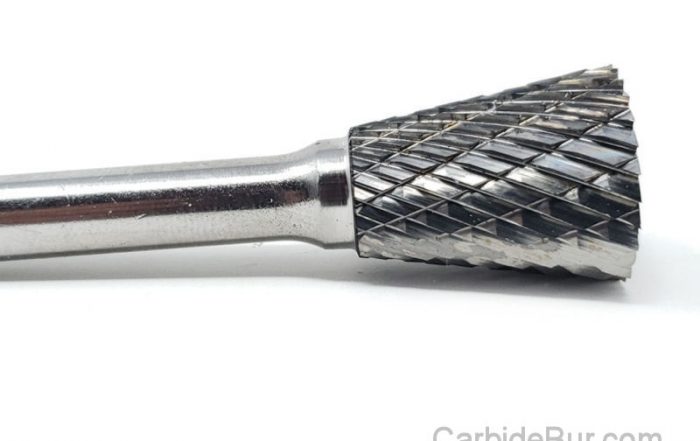
Carbide Burr Safety: 15 Mistakes That Can Cause Injury or Damage
Carbide Burr Safety: 15 Mistakes That Can Cause Injury or Damage Carbide burr safety is often overlooked until a costly mistake happens. Many metalworkers and DIYers make the same errors that lead to injuries or [...]
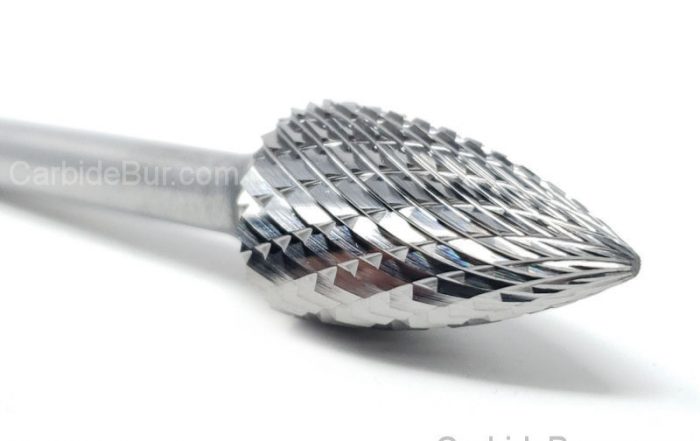
Can You Use a Carbide Burr in a Drill?
Can You Use a Carbide Burr in a Drill? Most people think a standard drill can’t handle a carbide burr, but that’s not true. Using carbide burr in the right drill can speed up your [...]
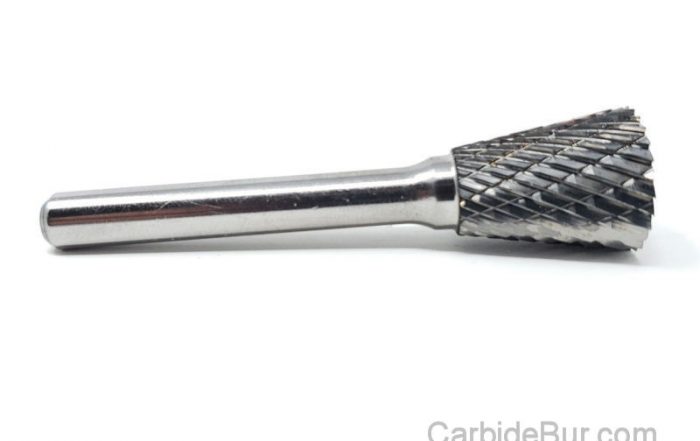
Carbide Burrs for Removing Rust: What Works Best?
Carbide Burrs for Removing Rust: What Works Best? Rust can turn your favorite tools into useless junk faster than you expect. Removing it without ruining the metal underneath takes more than just elbow grease—it demands [...]
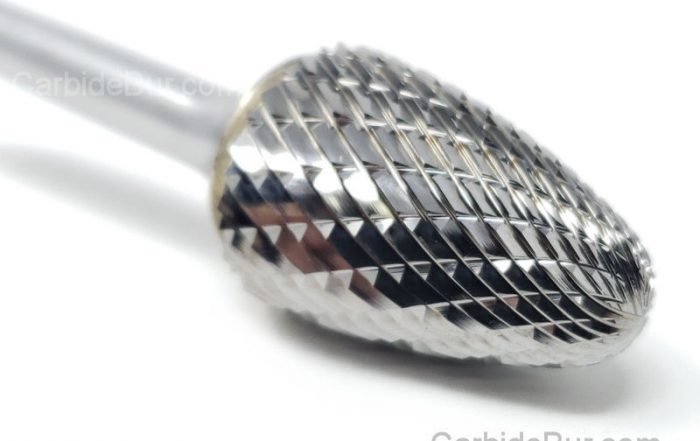
How Much Pressure Should You Use With a Carbide Burr?
How Much Pressure Should You Use With a Carbide Burr? Most people think pressing harder with a carbide burr speeds up the job. That’s not true—too much pressure wears out your tool and ruins the [...]
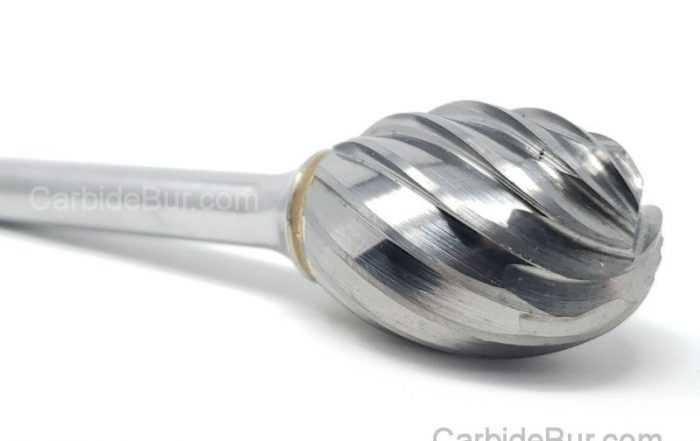
Can You Use Carbide Burrs With an Air Die Grinder?
Can You Use Carbide Burrs With an Air Die Grinder? Most people don’t realize how well carbide burrs work with air die grinders until they try them. If you’ve ever struggled with finding the right [...]
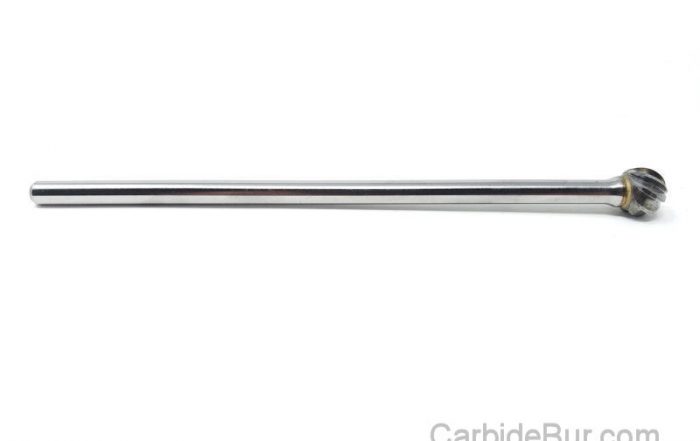
Best Long Reach Carbide Burr for Deep Metal Work
Best Long Reach Carbide Burr for Deep Metal Work Long reach carbide burrs often promise deep metal access, but many fall short where it counts most. You need a tool that cuts cleanly, lasts through [...]
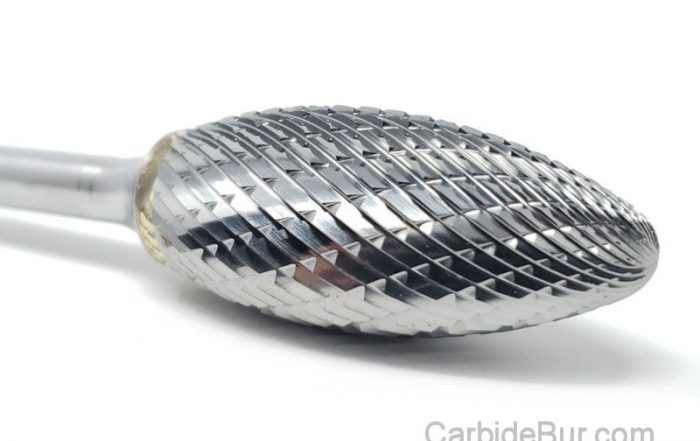
What RPM Should You Use for a 1/8 Inch Carbide Burr?
What RPM Should You Use for a 1/8 Inch Carbide Burr? Most people guess the right carbide burr RPM by feel—and waste hours redoing work. If you want cleaner cuts and longer tool life, your [...]
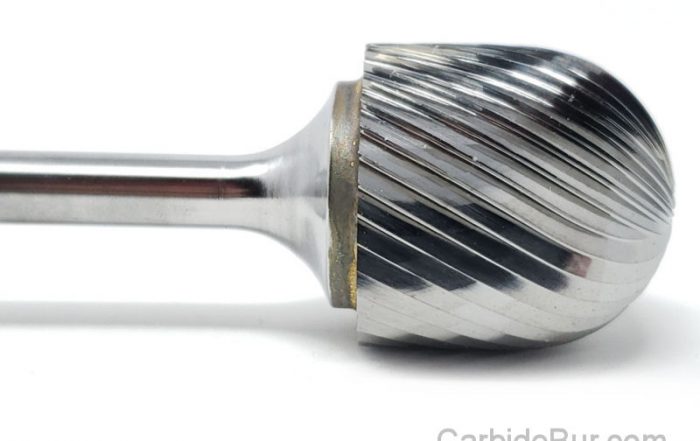
Carbide Burrs for Tight Spaces: Choosing the Right Shape
Carbide Burrs for Tight Spaces: Choosing the Right Shape Tackling tight spaces with the wrong carbide burrs wastes time and risks damaging your work. Choosing the right burr shape makes all the difference when working [...]
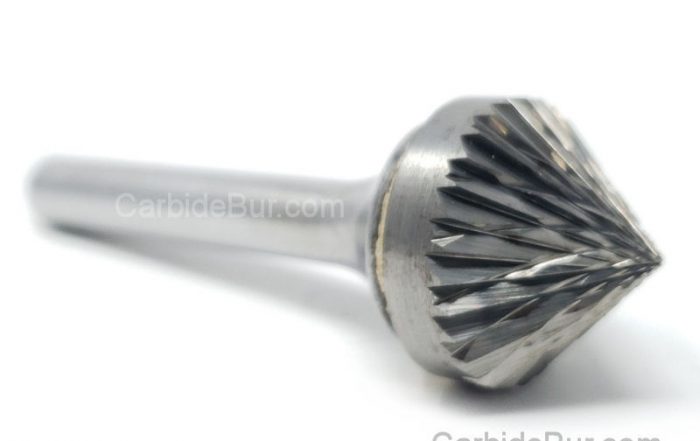
Can Carbide Burrs Remove Paint From Metal?
Can Carbide Burrs Remove Paint From Metal? Stripping paint from metal often feels like a tough chore that risks damaging the surface underneath. Many turn to carbide burrs hoping they can speed things up without [...]
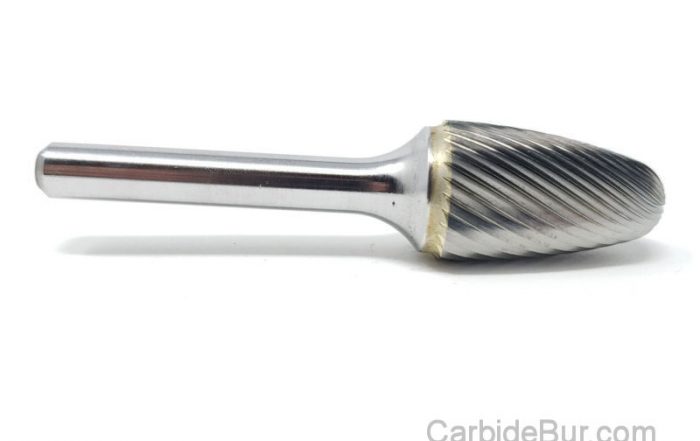
How to Grind a Groove in Metal With a Carbide Burr
How to Grind a Groove in Metal With a Carbide Burr Most metalworkers struggle to cut clean grooves without wasting time or ruining their workpiece. Many try different metalworking tools but end up with uneven [...]
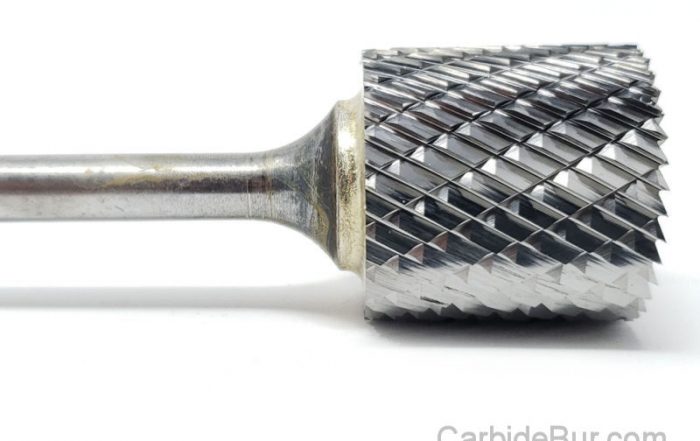
Can Carbide Burrs Cut Through Welds?
Can Carbide Burrs Cut Through Welds? Cutting through welds can feel like a battle, especially when you need clean results without harming the base metal. Carbide burrs offer a sharp edge in this fight, but [...]
How to Use a Carbide Burr With a Die Grinder
How to Use a Carbide Burr With a Die Grinder Most people treat a carbide burr like just another tool, but using it with a die grinder takes skill. If you’ve struggled with burr installation [...]
