
Carbide Burs in Focus: Achieving Superior Results in Engine Porting and Machining
Forget everything you know about engine porting tools. Most carbide burs leave you juggling slow cuts and rough finishes that waste time and hurt results. High Helix Carbide Burs with 55-degree helix designs change the game by delivering faster cutting and smoother finishes you can see in flow bench comparisons. If you want performance machining that truly makes a difference, this is where you start. Learn more here.
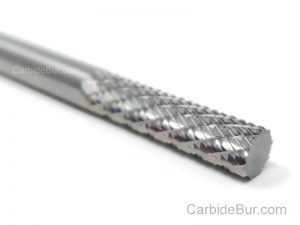
Have you checked out our selection of Carbide Bur Tools?
High Helix Carbide Burs
The world of engine porting has seen many tools, but few match the impact of High Helix Carbide Burs. These tools promise not only faster work but also better results. Let’s explore how.
Faster Cutting Techniques
Speed is key in engine porting. With High Helix Carbide Burs, you cut through materials quicker than ever. Imagine slicing through metal like a hot knife through butter. It’s possible with the right technique.
Consider the 55-degree helix designs. This angle is not random; it’s carefully crafted to reduce resistance, enhancing your cutting speed. You’ll find yourself spending less time on each port, allowing more time for other tasks. This translates to higher productivity and potential cost savings.
But speed isn’t everything. Precision matters, too. These burs ensure every cut is not only swift but also exact. With each use, you’ll notice cleaner edges, minimizing the need for additional finishing work. Explore these burs further.
Smoother Finishes Explained
A smooth finish isn’t just about aesthetics; it’s about performance. High Helix Carbide Burs excel in this area by reducing irregularities on metal surfaces. Why does this matter? Because smoother surfaces lead to better airflow, and better airflow means enhanced engine performance.
The secret lies in the design. The helix shape reduces vibration, ensuring each pass is even. You’ll achieve a finish that’s not just smooth but also consistent across all surfaces. Consistency in finishes leads to more reliable engine performance.
But don’t take our word for it. Many professionals have noticed tangible improvements in their projects. See real-world examples here.
Engine Porting Mastery
To master engine porting, you need the right tools and techniques. High Helix Carbide Burs play a crucial role. Let’s delve into their unique features and how they can elevate your work.
55-Degree Helix Designs
The 55-degree helix design is at the heart of these burs. This specific angle is critical for optimal cutting. It’s the sweet spot that balances speed with precision. You get the benefit of a tool that adapts to various materials without compromising quality.
This design isn’t just for show. It’s the result of extensive research and testing. Professionals who use them often notice a significant difference. Your cuts become smoother, and your workflow becomes more efficient.
Trying these burs means less resistance in your workflow. You’ll cut down on time spent on each port, boosting your overall productivity. Understand the design benefits in this video.
Flow Bench Comparisons
Seeing is believing. Flow bench comparisons provide clear evidence of the advantages these burs offer. They show how smoother finishes lead to better airflow, which directly impacts engine performance.
When you compare engines ported with traditional burs to those with High Helix Carbide Burs, the difference is striking. The latter shows enhanced airflow, translating to improved engine efficiency and power.
These comparisons highlight the tangible benefits of upgrading your tools. It’s about achieving mastery in your craft with every use. Check out detailed flow bench results here.
Performance Machining Insights
If you’re serious about performance machining, understanding the nuances of your tools is crucial. High Helix Carbide Burs offer insights that can transform your approach and results.
Choosing the Best Carbide Burs
Selection is crucial. Not all carbide burs are created equal. When choosing, consider the material you’ll work with and the finish you desire. High Helix Carbide Burs are versatile, catering to various needs.
The right burs can make or break your project. By choosing those designed for speed and precision, you ensure better outcomes. Always prioritize quality and suitability for the task at hand.
Research and compare options. Look for burs that promise durability and efficiency. A little research goes a long way in ensuring you have the best tool for the job. Find a range of options here.
Achieving Superior Results
Achieving superior results with your engine porting requires more than just skill. It demands the right tools and an understanding of their capabilities. High Helix Carbide Burs offer that edge.
With each project, you’ll see improvements. Your engines will perform better, and your work will gain recognition. The journey to mastery involves continuous learning and upgrading your toolkit.
Embrace the challenge and elevate your craft. The rewards are well worth the effort, and the impact on your projects will be profound. The longer you wait, the more you miss out on potential enhancements. Seize the opportunity now.
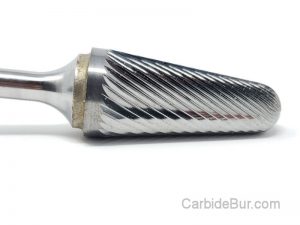
Find more information at CarbideBur.com
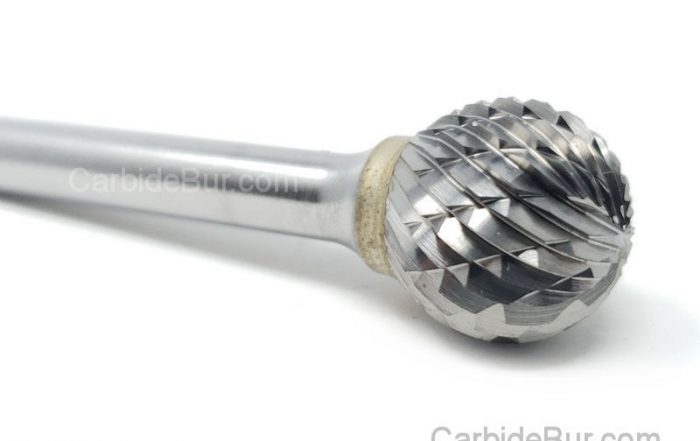
Carbide Burr vs. Grinding Stone: Which Is Better for Metal Removal?
Carbide Burr vs. Grinding Stone: Which Is Better for Metal Removal? When you need to remove metal, smooth a rough edge, or shape a metal component, two common options are carbide burrs and grinding stones. [...]
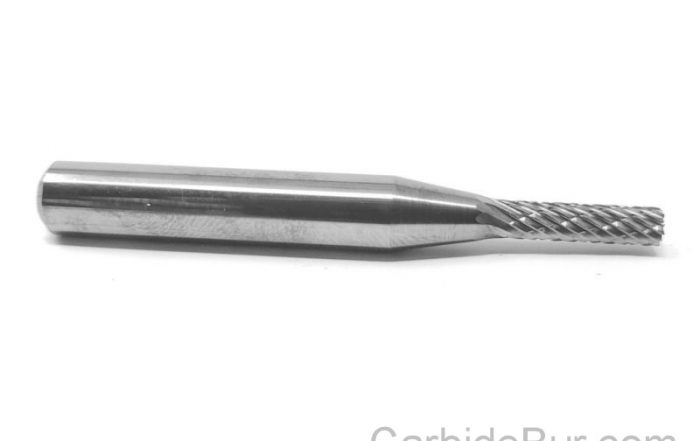
Carbide Burr Safety: RPM, Eye Protection, and Common Mistakes
Carbide Burr Safety: RPM, Eye Protection, and Common Mistakes Carbide burrs are versatile cutting tools used for metal fabrication, welding cleanup, engine porting, deburring, and general material removal. When used correctly, they can help remove [...]
How to Stop Aluminum from Clogging Your Carbide Burr
How to Stop Aluminum from Clogging Your Carbide Burr Aluminum is widely used in automotive work, welding, metal fabrication, aerospace components, and general machining. It is lightweight, relatively easy to machine, and versatile across many [...]
Carbide Burrs for Intake Manifolds: Shaping, Cleanup, and Fitment
Carbide Burrs for Intake Manifolds: Shaping, Cleanup, and Fitment Intake manifold work often involves more than simply bolting a component onto an engine. Depending on the application, metal intake components may have casting irregularities, rough [...]
Why Long-Shank Carbide Burrs Are Useful for Hard-to-Reach Areas
Why Long-Shank Carbide Burrs Are Useful for Hard-to-Reach Areas When working on metal parts, the area that needs grinding or shaping is not always easy to reach. Recessed openings, deep cavities, interior surfaces, and complicated [...]
Choosing Carbide Burrs for Stainless Steel Fabrication
Choosing Carbide Burrs for Stainless Steel Fabrication Stainless steel is widely used in fabrication because of its corrosion resistance, strength, and durability. However, those same properties can make it challenging to machine and finish. Removing [...]
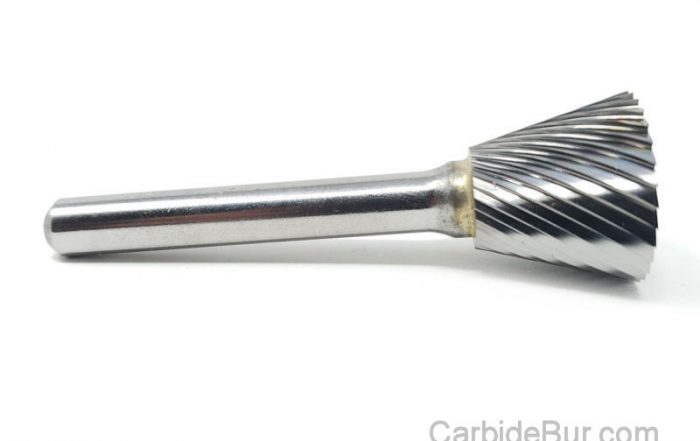
Can You Use Carbide Burrs in a Dremel? Shank Sizes Explained
Can You Use Carbide Burrs in a Dremel? Shank Sizes Explained If you use a Dremel or another rotary tool for detail work, metal shaping, or small fabrication projects, you may wonder whether you can [...]
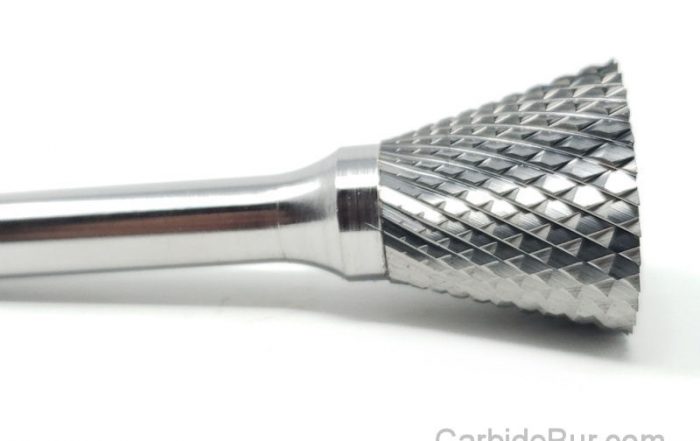
How to Choose the Best Carbide Burr for Welding and Metal Fabrication
How to Choose the Best Carbide Burr for Welding and Metal Fabrication Welding and metal fabrication often require more than joining two pieces of metal together. Once the welding is finished, fabricators frequently need to [...]
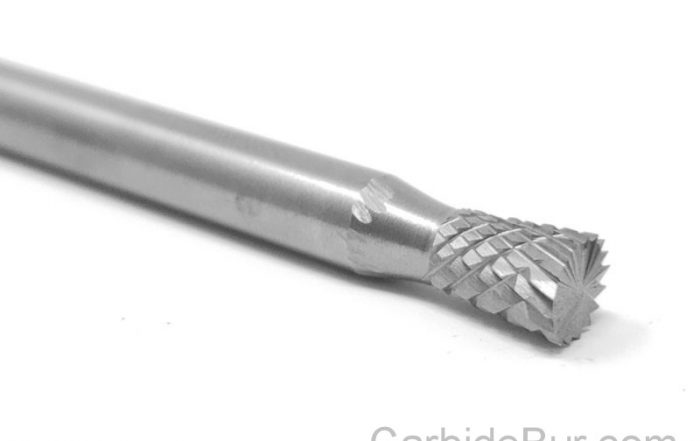
Carbide Burrs for Cylinder Heads: What Automotive Enthusiasts Need to Know
Carbide Burrs for Cylinder Heads: What Automotive Enthusiasts Need to Know Cylinder head work is an important part of engine building, restoration, and performance machining. Whether you are cleaning up casting imperfections, refining port surfaces, [...]
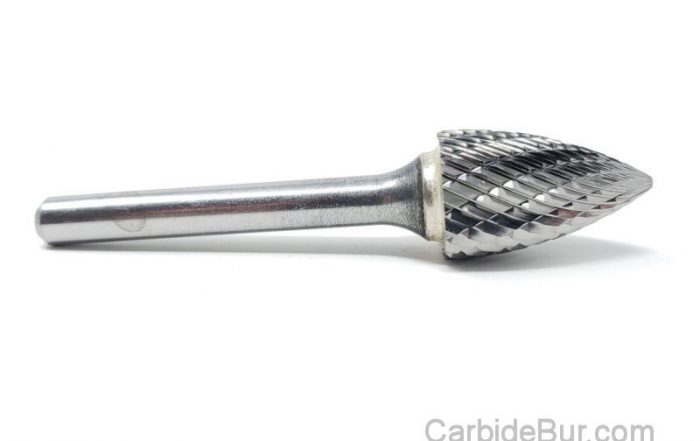
Engine Porting 101: How Carbide Burrs Help Shape Cylinder Head Ports
Engine Porting 101: How Carbide Burrs Help Shape Cylinder Head Ports Engine performance enthusiasts, automotive machinists, and engine builders often look for ways to improve airflow through an engine's cylinder heads. One technique used in [...]
When to Use a 4-Inch or 9-Inch Die Grinder Extension
When to Use a 4-Inch or 9-Inch Die Grinder Extension Metal fabrication, welding, automotive repair, and engine building often require working in places where a standard die grinder and carbide burr cannot easily reach. Recessed [...]
Why Buy USA-Made Carbide Burr Tools? What Buyers Should Compare
Why Buy USA-Made Carbide Burr Tools? What Buyers Should Compare When shopping for carbide burr tools, it's tempting to compare products based on price alone. However, professionals who use rotary cutting tools for welding, metal [...]
