
From Steel to Tungsten: A Journey Through the Evolution of Carbide Burs in Engine Porting
Steel tools once ruled engine porting, but they couldn’t keep up with the demand for precision and speed. Over time, carbide burs—especially tungsten carbide—changed the game, reshaping how porting tools work. If you’re serious about engine performance, understanding this shift in tool technology will give you a fresh perspective on machining advancements that power today’s engines. For more insights, visit this page.
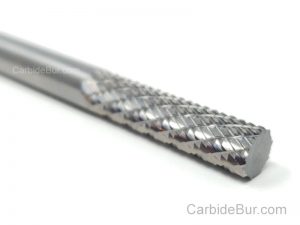
Have you checked out our selection of Carbide Bur Tools?
Evolution of Carbide Burs
The shift from steel to carbide burs marks a pivotal moment in machining. This evolution isn’t just about tool material; it’s about precision and efficiency in engine porting.
From Steel to Tungsten Carbide
Steel tools were once the standard in porting. They did the job but lacked the finesse and durability needed for more complex tasks. Enter tungsten carbide, a material that’s transformed the landscape.
-
Durability and Precision: Unlike steel, tungsten carbide offers exceptional hardness. This means it can handle tougher materials without dulling quickly. For machinists, this translates to fewer tool changes and more precise cuts.
-
Cost-Effectiveness: While initially more expensive, carbide burs save money over time. They last longer and reduce downtime, making them a smart investment. Most people assume cheaper tools are better, but the longevity of carbide tells a different story. For further reading, check out this article.
Machining Advancements in Tool Technology
Technology in machining has advanced rapidly, and carbide burs are at the forefront. These tools are now integral in achieving high-performance engine porting.
-
Heat Resistance: One key advantage of carbide burs is their ability to withstand high temperatures. This is crucial when working at high speeds, where other tools might fail.
-
Versatility: These tools are not just for metal. They’re effective on various materials, offering machinists flexibility in their projects. Imagine cutting through multiple materials without switching tools. That’s the power of tungsten carbide burs.
For a deeper dive into the latest tech in carbide burs, visit this blog.
Impact on Engine Porting
The introduction of carbide burs has significantly impacted engine porting. They provide benefits that were previously unimaginable with steel tools.
Enhancing Engine Performance
Carbide burs play a crucial role in enhancing engine performance by enabling more precise porting.
-
Improved Airflow: Proper porting ensures better airflow in engines, leading to increased power output. With the precision of carbide burs, you can achieve a smoother surface finish, optimizing engine performance.
-
Reduced Wear and Tear: Using carbide burs minimizes tool wear. This results in consistent performance without frequent replacements, ensuring your engine parts are polished and ready for action.
Advances in Porting Tools
As porting tools evolve, they continue to push boundaries in the automotive industry. The advancements in tool technology are reshaping what’s possible.
-
Customization: Carbide burs now come in various shapes and sizes, allowing for detailed customization. This lets machinists tailor their approach to specific engine needs.
-
Speed and Efficiency: These tools cut faster and more efficiently than traditional steel, saving you time on every project. The longer you wait to switch, the more benefits you’re missing out on.
Explore the engineering behind these improvements at this site.
Future of Engine Porting Tools
Looking ahead, the future of engine porting tools is bright, thanks to ongoing innovations.
Innovations in Tungsten Carbide
The development of tungsten carbide continues to evolve, promising even greater enhancements for engine porting.
-
Nanotechnology: Future carbide burs may incorporate nanotechnology to further increase hardness and durability. Imagine a tool that never wears out—it’s closer than you think.
-
Sustainability: As environmental concerns rise, the manufacturing process of carbide tools is becoming greener, reducing the carbon footprint of machining operations.
To unlock the full potential of tungsten carbide, visit this resource.
Emerging Trends in Tool Technology
The landscape of tool technology is ever-changing, with new trends shaping how we approach machining.
-
Smart Tools: The integration of smart technology into tools is on the horizon, promising to revolutionize accuracy and efficiency. These tools could adjust in real-time to enhance performance.
-
3D Printing: The rise of 3D printing in tool manufacturing is set to lower costs and increase customization options for machinists.
To stay ahead of the curve, keep an eye on these trends as they develop.
By understanding the evolution and future of carbide burs, you’re not just keeping up—you’re leading the way. Whether you’re a machinist or an enthusiast, these advancements offer a world of opportunity and efficiency.
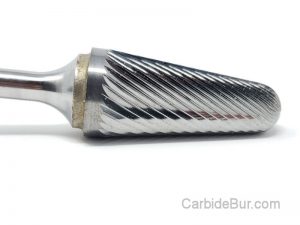
Find more information at CarbideBur.com

Can You Use a Carbide Burr With an Electric Die Grinder?
Can You Use a Carbide Burr With an Electric Die Grinder? Most people don’t realize how much a carbide burr can change the way an electric die grinder works. Using the right burr type can [...]
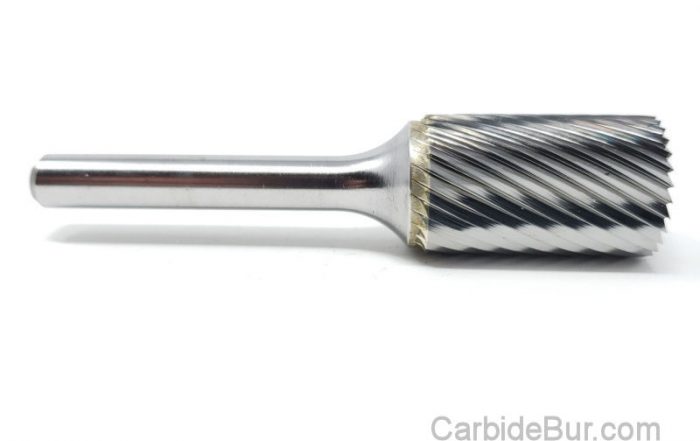
How to Deburr Holes With a Carbide Burr
How to Deburr Holes With a Carbide Burr Most people think any tool will do for deburring holes. The truth is, using the right carbide burr with the correct size and shape changes everything. In [...]
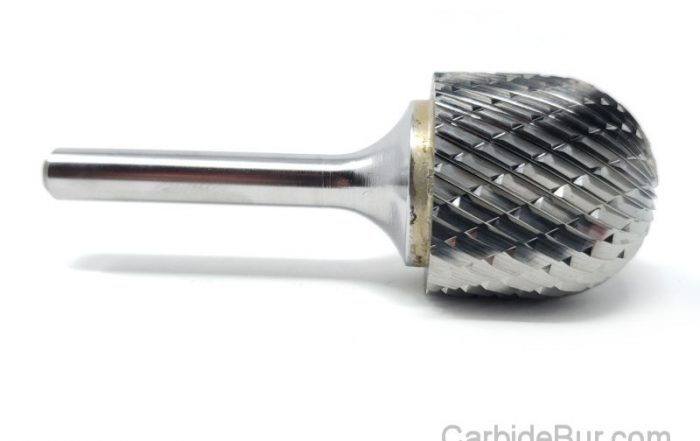
How to Choose the Correct Carbide Burr Shank Size
How to Choose the Correct Carbide Burr Shank Size Many machinists lose hours troubleshooting tool issues caused by the wrong carbide burr shank size. Using a shank that doesn’t fit your grinder can lead to [...]
How to Remove Casting Flash With a Carbide Burr
How to Remove Casting Flash With a Carbide Burr Casting flash ruins the look and fit of your metal parts. You’ve tried sanding or grinding, but the results aren’t clean or fast enough. Learning how [...]
Best Carbide Burr for Enlarging a Hole in Metal
Best Carbide Burr for Enlarging a Hole in Metal When you need to enlarge a hole in metal, grabbing the wrong carbide burr can turn a simple task into a frustrating mess. Picking the best [...]
Carbide Burr Safety: 15 Mistakes That Can Cause Injury or Damage
Carbide Burr Safety: 15 Mistakes That Can Cause Injury or Damage Carbide burr safety is often overlooked until a costly mistake happens. Many metalworkers and DIYers make the same errors that lead to injuries or [...]
Can You Use a Carbide Burr in a Drill?
Can You Use a Carbide Burr in a Drill? Most people think a standard drill can’t handle a carbide burr, but that’s not true. Using carbide burr in the right drill can speed up your [...]
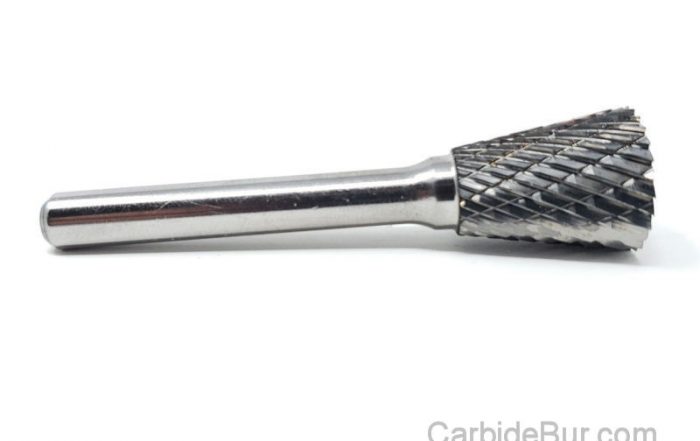
Carbide Burrs for Removing Rust: What Works Best?
Carbide Burrs for Removing Rust: What Works Best? Rust can turn your favorite tools into useless junk faster than you expect. Removing it without ruining the metal underneath takes more than just elbow grease—it demands [...]
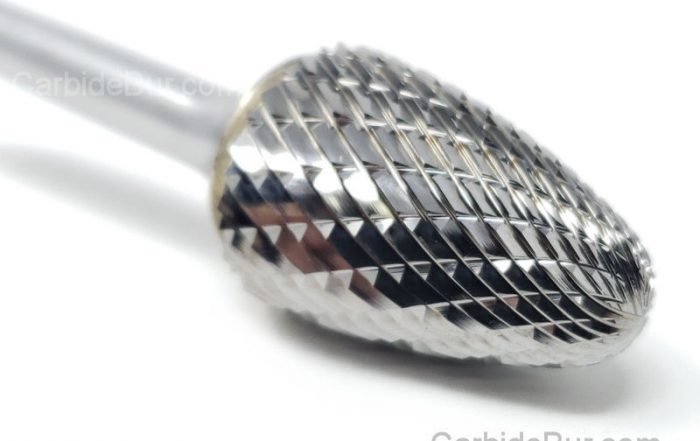
How Much Pressure Should You Use With a Carbide Burr?
How Much Pressure Should You Use With a Carbide Burr? Most people think pressing harder with a carbide burr speeds up the job. That’s not true—too much pressure wears out your tool and ruins the [...]
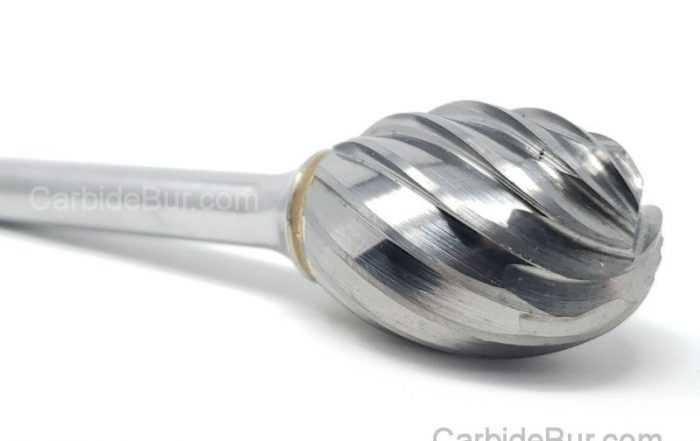
Can You Use Carbide Burrs With an Air Die Grinder?
Can You Use Carbide Burrs With an Air Die Grinder? Most people don’t realize how well carbide burrs work with air die grinders until they try them. If you’ve ever struggled with finding the right [...]
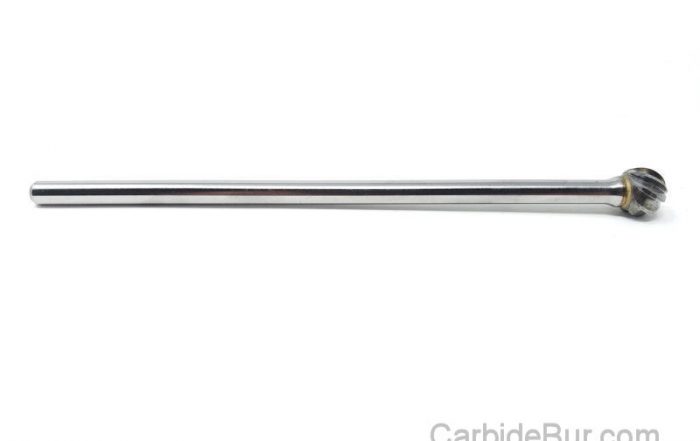
Best Long Reach Carbide Burr for Deep Metal Work
Best Long Reach Carbide Burr for Deep Metal Work Long reach carbide burrs often promise deep metal access, but many fall short where it counts most. You need a tool that cuts cleanly, lasts through [...]
What RPM Should You Use for a 1/8 Inch Carbide Burr?
What RPM Should You Use for a 1/8 Inch Carbide Burr? Most people guess the right carbide burr RPM by feel—and waste hours redoing work. If you want cleaner cuts and longer tool life, your [...]
